 EN
EN

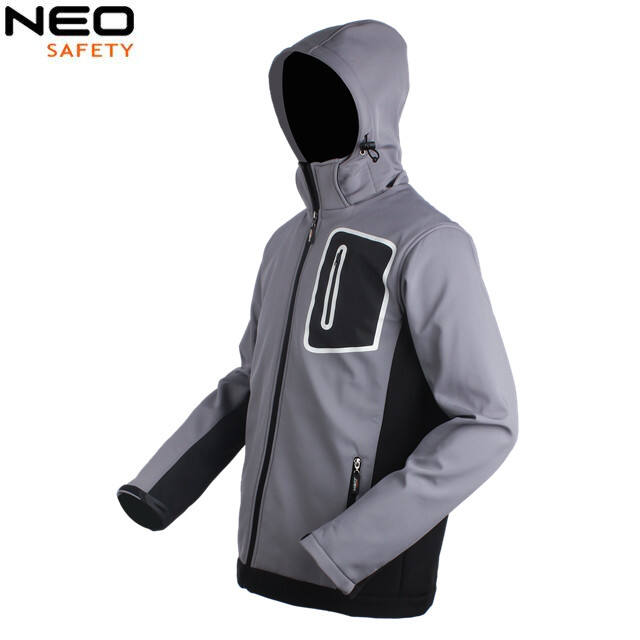
يقتضي اختيار سروال التمدد المناسب تحقيق توازنٍ بين الأداء الوظيفي والمظهر الاحترافي، لا سيما للمهنيين الذين يعملون في البيئات الخارجية والصناعية والتجارية الصعبة. وقد تطورت سراويل التمدد الحديثة لتجاوز ميزات الراحة الأساسية، لتشمل تقنيات أقمشة متقدمة وعناصر تصميم إرجونوميّة وأساليب بناء متينة تدعم كلاً من الحركة النشطة والاحترافية في مكان العمل. وبفهم كيفية تقييم سراويل التمدد استناداً إلى تركيب المادة وسمات التصميم وخصائص الملاءمة وسيناريوهات الاستخدام المقصودة، يكتسب المشترون القدرة على اتخاذ قرارات مستنيرة تعزِّز كلًّا من الأداء الوظيفي والراحة الشخصية خلال فترات ارتداء طويلة.
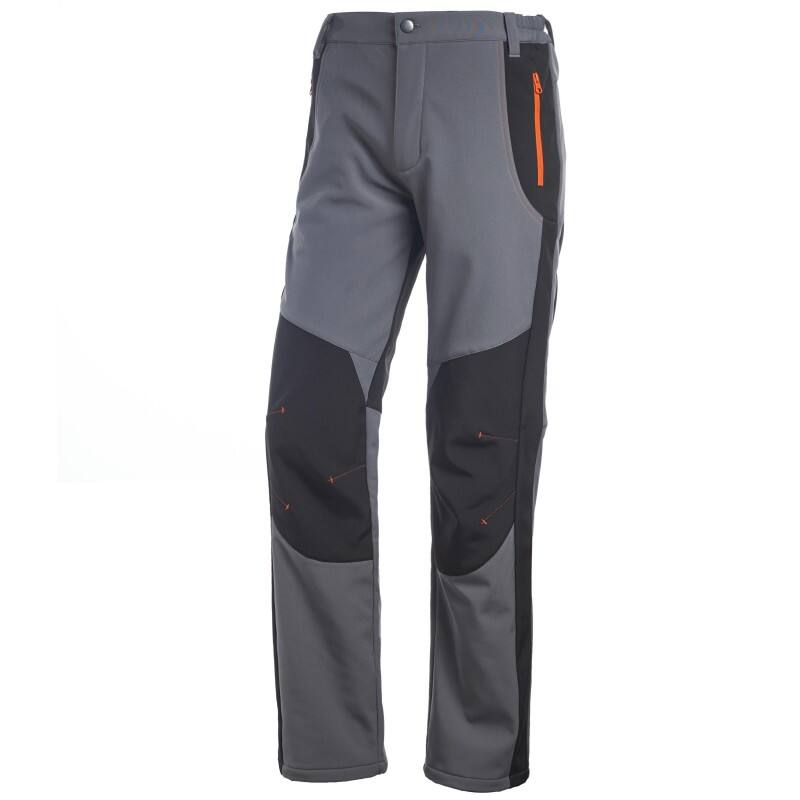
يُجسِّد تقاطع الأداء والأسلوب في السراويل المطاطية الاتجاهات الأوسع في بيئة العمل نحو الملابس الوظيفية التي لا تُهمِل المعايير المهنية. فبالنسبة لعمال القطاع التجاري، والمهنيين العاملين في الهواء الطلق، ومشرفي مواقع البناء، وفنيي الخدمة الميدانية، يجب أن تتحمّل السراويل المطاطية المتطلبات البدنية الشديدة مع الحفاظ على مظهر أنيق يناسب التفاعل مع العملاء والبيئات المهنية. وتقدِّم هذه المقالة إرشادات عملية لاختيار السراويل المطاطية من خلال تحليل تقنيات الأقمشة، ومؤشرات جودة التصنيع، والميزات التصميمية التي تعزِّز الحركة، والعوامل الحاسمة التي تحدِّد القيمة طويلة الأمد ودرجة الرضا في بيئات العمل الواقعية.
فهم تقنيات أقمشة المطاط وخصائص الأداء
التركيبة الأساسية للنسيج وآليات المطاطية
تبدأ أساس أداء سراويل التمدد عالية الجودة من تركيب النسيج، الذي يجمع عادةً بين الألياف الطبيعية أو الاصطناعية الأساسية وألياف المطاطية التي توفر خصائص التمدد والانتعاش المتحكم بها. وتضم معظم سراويل التمدد الاحترافية ألياف السباندكس أو الإيلاستين بنسبة تتراوح بين اثنين وخمسة في المئة من إجمالي وزن النسيج، وممزوجة بالقطن أو البوليستر أو النايلون أو مزيج من الألياف الخاصة. ويُحقِّق هذا المعدل المحدَّد تمدُّداً وظيفياً دون المساس بهيكل النسيج أو متانته. وتوفِّر سراويل التمدد المصنوعة من خليط القطن تنفُّساً طبيعياً وراحةً في البيئات التي تتطلب نشاطاً معتدلاً، بينما تقدِّم الأنسجة الغالبة فيها الألياف الاصطناعية إدارةً أفضل للرطوبة وأوقات جفافٍ أسرع في سيناريوهات العمل عالي الكثافة. ويساعد فهم هذه الفروقات في التركيب المشترين على مطابقة خصائص النسيج مع متطلبات بيئة العمل المحددة وتفضيلاتهم الشخصية من حيث الراحة.
تُمثِّل تكنولوجيا التمدد رباعي الاتجاه تقدُّمًا كبيرًا في أداء السراويل المطاطية، حيث تتيح للنسيج أن يتمدَّد ويقلّ في الوقت نفسه في الاتجاهين الأفقي والعمودي. وتوفِّر هذه المرونة متعددة الاتجاهات دعمًا للحركات الطبيعية للجسم، مثل الانحناء والانكباب والوصول إلى الأشياء والتسلُّق، دون أن تُحدث نقاط شدٍّ مقيدة أو تركيزات إجهادية تُسرِّع من تآكل النسيج. وقد تكفي الأقمشة المطاطية ثنائية الاتجاه، التي تمتد أساسًا في اتجاه واحد فقط، للأدوار الأقل طلبًا بدنيًّا، لكنها غالبًا ما تُحدث قيودًا في الحركة أثناء المهام المعقدة. وعند تقييم السراويل المطاطية، فإن اختبار استجابة النسيج عن طريق سحبه بشكل قطري يكشف ما إذا كانت قدرة التمدد رباعي الاتجاه حقيقية أم لا؛ إذ تُظهر الأقمشة متعددة الاتجاهات الأصلية مقاومةً واستعادةً متساويتين في جميع الاتجاهات، بدلًا من التمدد المفضَّل على محور واحد فقط.
استعادة المرونة وخصائص ذاكرة النسيج
يُعرَّف استعادة المطاطية على أنها مدى فعالية العودة إلى الشكل الأصلي للنسيج بعد تمدده، وهي تؤثر مباشرةً على ما إذا كانت السراويل المطاطية تحافظ على ملاءمتها ومظهرها المناسبين طوال يوم العمل وعلى امتداد دورات الارتداء المتعددة. وتتضمن السراويل المطاطية الممتازة أليافًا مطاطية عالية الجودة تتمتّع بخصائص تذكّر متفوّقة، مما يمكّن النسيج من العودة الفورية إلى أبعاده الأصلية حتى بعد التمدّد المتكرر. أما ضعف الاستعادة فيؤدي إلى ترهل الركبتين، واتساع الحزام عند الخصر، وتدهور الشكل العام، ما يقلّل من الراحة والمظهر المهني في آنٍ واحد. ويتم اختبار الاستعادة عن طريق شدّ قسم من النسيج بشدة لمدة عشر ثوانٍ ثم إفلاته لمراقبة سرعة وكمية ارتداد المادة إلى حالتها الأصلية. أما الأنسجة التي تعود ببطء أو تظهر تشوهًا مرئيًّا فهي تشير إلى جودة رديئة في الألياف المطاطية، ما يؤدي إلى تسريع تدهور الملاءمة مع مرور الوقت.
تتطلب العلاقة بين نسبة التمدد وأداء الاسترداد تفكيرًا دقيقًا عند اختيار سراويل قابلة للتمدد لبيئات العمل الصعبة. فقد تبدو الأقمشة التي توفر تمددًا شديدًا يتجاوز نسبة ٣٠٪ من التمدد الأولي مثيرة للإعجاب في البداية، لكنها غالبًا ما تضحي بسرعة الاسترداد ومتانة القماش مقابل تلك المرونة الإضافية. وتستهدف السراويل الاحترافية القابلة للتمدد عادةً نطاقًا يتراوح بين ١٥٪ و٢٥٪ من التمدد، مما يوازن بين تعزيز الحركة بشكلٍ ملحوظ وبين خصائص الاسترداد الموثوقة التي تحافظ على سلامة الملابس خلال مئات الدورات من الارتداء والغسل. ويوفّر هذا النطاق المعتدل من التمدد مرونة كافية لأداء المهام في مكان العمل، مع ضمان تشغيل الألياف المطاطية ضمن المعايير التشغيلية المثلى التي تطيل عمر القماش وتحافظ على ثبات مواصفات المقاس طوال العمر الافتراضي للملابس.
التنفُّس وإدارة الرطوبة المتكاملة
تجمع السراويل المطاطية الفعّالة بين الخصائص الميكانيكية المطاطية وقدرات إدارة الرطوبة التي تنظّم درجة حرارة الجسم وتعزّز الراحة أثناء أداء المهام البدنية الشاقة. ويعتمد قدرة النسيج على التهوية على تركيب الألياف وكثافة النسج ومعالجات التشطيب التي تُسهّل تدفق الهواء وانتقال بخار الرطوبة بعيداً عن سطح الجلد. وبشكل عام، يعزّز محتوى الألياف الطبيعية من قدرة النسيج على التهوية، في حين يمكن هندسة الألياف الاصطناعية لتتمتّع بخصائص سحب الرطوبة التي تعمل بفعالية على جذب العرق بعيداً عن الجسم وتوزيعه على سطح القماش لتسريع عملية التبخر. وللمهنيين الذين يعملون في ظروف تتغيّر فيها درجات الحرارة أو يزاولون نشاطاً بدنياً مستمراً، تمنع السراويل المطاطية المزوّدة بتقنيات إدارة الرطوبة الإزعاج والتشتّت الناجمين عن تراكم العرق الزائد.
يُشكِّل دمج وظيفة المرونة مع القابلية للتنفُّس تحديات هندسية، حيث إن إضافة ألياف مطاطية وتحقيق خصائص محددة للمرونة قد يؤديان محتملًا إلى تقليل مسامية النسيج وقدرته على نفاذ الهواء. وتتغلَّب السراويل المرنة المتطوِّرة على هذه القيود من خلال تقنيات متقدمة في تركيب النسيج، مثل استخدام هياكل نسيجية مفتوحة في المناطق ذات الإجهاد المنخفض، ودمج ألواح شبكيَّة في المناطق التي تتعرَّض لحرارة مرتفعة، ومعالجات كيميائية نهائية تحسِّن من قدرة النسيج على سحب الرطوبة دون التأثير سلبًا على أدائه المرن. وعند تقييم السراويل المرنة، فإن فحص وزن النسيج وسمكه يوفِّر مؤشرات غير مباشرة على قابليته للتنفُّس، لأن الأنسجة الأخف وزنًا عمومًا تتيح تدفق هواء أفضل. ومع ذلك، يجب الموازنة بين القابلية للتنفُّس ومتطلبات المتانة، إذ قد لا تتحمّل الأنسجة الخفيفة جدًّا جراء الاحتكاك والضغوط الملازمة لبيئات العمل الصناعي والخارجي.
الميزات التصميمية التي تعزِّز الأداء الوظيفي
البناء المفصّل والتنميط الإرجونومي
الطريقة المُعتمدة في قصّ وتصنيع سروال مطاطي تؤثّر تأثيرًا كبيرًا في مدى فعالية الملابس في دعم آليات الجسم الطبيعية أثناء أداء المهام العملية. ويتمثّل البناء المفصّل للركبة في استخدام خطوط درز منحنية ولوحات قماشية مُشكَّلة مسبقًا بحيث توضع المادة وفق الانحناء الطبيعي للساق أثناء الحركة. ويقلّل هذا التنميط الإرجونومي من توتر القماش أثناء الجلوس على الركبتين أو الانحناء، ويوزّع الإجهاد بشكل أكثر انتظامًا على طول الدرزات، كما يقلّل من المقاومة التي يشعر بها العامل عند الانتقال بين وضعية الوقوف والانحناء. أما السراويل المرنة التي تفتقر إلى هذا البناء المفصّل فإنها تجبر القماش المطاطي على التعويض عن سوء التنميط، ما يؤدي إلى تسريع إرهاق المواد المطاطية، وتكوين نقاط شدّ غير مريحة تقيّد الحركة وتقلّل من عمر الملابس الافتراضي.
يُعَدُّ تصميم الفتحة الإضافية في منطقة العانة (Gusseted crotch design) عنصراً بنائيّاً حاسماً آخر يعزِّز أداء السراويل المرنة من خلال إزالة نقطة التقييد الشائعة في أنماط السراويل التقليدية. وتتكوَّن هذه الفتحة الإضافية من قطعة قماش على شكل معين أو مثلث تُركَّب عند نقطة تقاطع منطقة العانة، لتوفير كمية إضافية من القماش وإزالة التقاء الخياطات الأربعة الذي يُسبِّب عادةً أكبر قدر من تقييد الحركة وتركيز الإجهادات. ويؤدي هذا التعديل التصميمي إلى تحسين ملحوظ في الراحة أثناء رفع الساقين، والوقوف باتساع كبير بين الرجلين، وحركات التسلُّق، كما يقلِّل من خطر تمزُّق الخياطات في المناطق الخاضعة لأعلى درجات الإجهاد. وعند فحص السراويل المرنة، فإن تحديد وجود هذه الفتحة الإضافية يُعدُّ دليلاً واضحاً على تصميم إنسانيٍّ مدروسٍ يركِّز على سهولة حركة المستخدم ومتانته على المدى الطويل، بدلاً من الاعتماد على عمليات تصنيع مبسَّطة.
تصميم الجيوب ودمج الوظائف العملية
يجب أن يوازن تصميم الجيوب في السراويل المرنة بين وظيفة التخزين والخصائص الميكانيكية للأقمشة المرنة، لأن الجيوب المصممة بشكل رديء قد تقيّد حركة القماش، أو تُحدث تورّمًا غير مريح، أو تُضعف الخطوط النظيفة التي تُعرِّف المظهر الاحترافي. وتتموضع الجيوب استراتيجيًّا في أماكن تظل فيها سهلة الوصول أثناء الحركة دون التدخل في حركة الساق الطبيعية أو إحداث مناطق ضغط عند الجلوس. وتُصنع أكياس الجيوب المُعزَّزة من مواد أكثر استقرارًا وغير مرنة لمنع ترهل الجيوب وانزياح محتوياتها، وهي ظواهر تُفسد مظهر الملابس وتُسبب تشتيت الانتباه أثناء المهام العملية. وينبغي أن يتوافق عدد الجيوب وحجمها ونمطها مع متطلبات العمل المحددة، حيث يحتاج المهنيون في المجالات الفنية عادةً إلى جيوب أداة أكثر من العاملين المكتبيين الذين يُركّزون على الأناقة الانسيابية.
تُحسِّن آليات التثبيت، مثل الإغلاقات ذات السحابات والغطاءات الزرية والمشابك ذات الشريط اللاصق (الهوك واللوب)، وظيفة الجيوب من خلال منع فقدان المحتويات أثناء الحركة النشطة، مع تجنُّب الإضافات البارزة والرسمية المفرطة في أجهزة الإغلاق. وتضمّ البنطلوهات المرنة المصممة للبيئات المهنية غالبًا جيوبًا عملية مخفية أو منخفضة الوضوح توفر سعة تخزين دون أن تُحدث بروزًا مرئيًّا أو تُخلَّ بالشكل الأنيق النظيف للقطعة. وقد تكون الجيوب ذات الطراز الكارغو مناسبة لبيئات العمل في قطاعات البناء والأنشطة الخارجية، لكنها قد تبدو غير رسمية أكثر من اللازم في الأدوار التي تتطلب التعامل المباشر مع العملاء أو في بيئات المكاتب المهنية. ويضمن تقييم تصميم الجيوب بالنسبة للسياق الوظيفي المحدَّد أن تقدِّم البنطلوهات المرنة الفائدة العملية المطلوبة دون المساس بمعايير المظهر المهني المرتبطة بقطاع wearer ودوره.
بناء الحزام الخصري وأنظمة الضبط
يؤثر تصميم الحزام الخصري تأثيرًا كبيرًا على راحة سراويل الإطالة وثبات ملاءمتها طوال يوم العمل، لا سيما لدى المهنيين الذين ينتقلون بين وضعيات الجلوس والوقوف والحركة النشطة. وتوفّر الحزام الخصرية المطاطة التي تتضمّن موادًا مطيلَةً (إلاستوميرية) في هيكلها بالكامل مرونةً مستمرةً تتكيف مع تغيّرات وضع الجسم والتوسع الطبيعي للخصر أثناء الوجبات دون أن تُحدث مناطق ضغط غير مريحة. أما الحزام الخصرية ذات المطاط الجزئي، والتي تحتوي على أقسام مطاطية فقط عند الجانبين أو في الخلف، فتوفر مرونةً أقل لكنها قد تضمن ثباتًا أفضل في الوضعية بالنسبة للعاملين الذين يحملون أدوات أو معداتٍ على أحزمتهم. كما يؤثر عرض الحزام الخصري أيضًا في درجة الراحة؛ إذ إن الحزام الأوسع يوزّع الضغط بشكل أكثر انتظامًا، لكنه قد يُحدث تورّمًا ملحوظًا تحت القمصان المُدخلة، بينما يقلّل الحزام الأضيق من مدى ظهوره، لكنه قد يضغط على الجلد خلال فترات الجلوس الطويلة.
تتيح آليات التعديل، ومنها حلقات الحزام، وأربطة السحب الداخلية، والشريط المطاطي الجانبي، تخصيص المقاس بما يراعي الاختلافات الفردية في بنية الجسم والتغيرات في الوزن مع مرور الوقت. وتتميز سراويل الإطالة عالية الجودة بحلقات حزام مُعزَّزة مُثبَّتة بتقنية الغرز العرضية (Bar-tack) عند نقاط التوتر لدعم وزن أحزمة الأدوات والإكسسوارات دون أن تنفصل عن الحزام الوسطي. وتوفر أنظمة أربطة السحب الداخلية تعديلاً خفيًّا للمقاس دون ظهور أي عناصر معدنية خارجية، مما يلائم المحترفين الذين يولون اهتمامًا بالشكل الخارجي النظيف والمرتب. وعند اختيار سراويل الإطالة، فإن التأكد من أن تصميم الحزام الوسطي يتماشى مع أسلوب الارتداء المقصود — سواء كان مدسوسًا داخل القميص أو غير مدسوس — يضمن أن garment توفر كلاً من الراحة والمظهر المهني الملائم في مختلف سياقات العمل ومتطلبات قواعد اللباس.
خصائص المقاس واعتبارات التحجيم
خيارات الارتفاع وتغطية الجذع
قياس الارتفاع، الذي يُعرِّف المسافة من درزة الفخذ إلى الحزام، يؤثر جوهريًّا على مدى ملاءمة بنطلونات التمدد، وراحتها، وتغطيتها أثناء الحركة. وتقدِّم تصاميم الارتفاع المتوسط عادةً قياسًا يتراوح بين ١٠ و١١ بوصة، ما يوفِّر تغطية متوازنة مناسبة لمعظم السياقات المهنية، مع ضمان تغطية كافية للجذع أثناء الانحناء دون أن تؤدي إلى ارتفاع الخصر المميَّز للملابس المهنية التقليدية. وقد تجذب بنطلونات التمدد المنخفضة الارتفاع العاملين الذين يولون أولوية للأسلوب العصري، لكنها غالبًا ما تكشف الجزء السفلي من الظهر أثناء القرفصاء والانحناء، ما يسبب الإزعاج ويشكِّل مصدر قلقٍ بشأن المظهر غير المهني. أما الخيارات ذات الارتفاع العالي التي تتجاوز ١٢ بوصة فتوفر أقصى درجات التغطية، وقد يُفضِّلها العاملون الذين ينحنيان أو يرفعان الأحمال بشكل متكرر، رغم أنها قد تشعر بالضيق بالنسبة للمهنيين المعتادين على الملابس العصرية ذات الارتفاع المنخفض.
تؤثر النسب الفردية لأجزاء الجسم تأثيرًا كبيرًا في تحديد ارتفاع الخصر الأمثل للسراويل المطاطية، إذ يحتاج العمال ذوو الجذع الأطول نسبيًّا مقارنةً بطول الساقين غالبًا إلى سراويل مطاطية عالية الخصر لتحقيق التغطية المناسبة، بينما قد يجد أصحاب الجذع الأقصر أن الخيارات القياسية متوسطة الخصر كافية تمامًا. ويتضمَّن اختبار ملاءمة ارتفاع الخصر أداء الحركات العملية المعتادة في بيئة العمل، مثل القرفصاء والانحناء للأمام والوصول إلى الأشياء العالية بيدين أثناء ارتداء السراويل المطاطية، وذلك لتحديد أي فجوات في التغطية أو أي إحساس بعدم الراحة الناتج عن شدٍّ غير مرغوب. كما أن التفاعل بين ارتفاع الخصر وخصائص القماش المطاطي يولِّد ديناميكيات مهمة في الملاءمة؛ إذ لا يمكن تعويض ارتفاع الخصر غير الكافي بالتمدُّد الطبيعي للقماش دون أن يؤدي ذلك إلى شعور بعدم الراحة الناجم عن التوتر في منطقة العانة، بل ويُسرِّع من تآكل الألياف المطاطية التي تُجبر على التمدد الزائد أثناء الحركات الطبيعية.
قصة الساق وملامح التناقص
تؤثر أنواع قصّ الساق (مثل القص المستقيم، والقص المدبّب، والقص الرياضي) على كلٍّ من المظهر الجمالي والأداء الوظيفي للسراويل المرنة في بيئات العمل. ويحافظ القص المستقيم للساق على عرضٍ ثابتٍ من الورك إلى الكاحل، ما يمنح مظهرًا احترافيًّا كلاسيكيًّا وحرية حركة قصوى دون تقييد النسيج لمنطقة الساقين والكاحلين. أما القص المدبّب فيضيّق تدريجيًّا من الركبة إلى الحاشية، ليُشكّل هيئةً عصريةً أكثر يفضّلها كثيرٌ من المحترفين في البيئات المكتبية واجتماعات العمل مع العملاء، رغم أنه قد يحدّ من مرونة الكاحل أثناء التسلّق أو تشغيل المعدات. أما القص الرياضي فيوفّر مساحةً واسعةً لمنطقة الفخذين والأرداف مع تضييق تدريجي في الجزء السفلي من الساق، وهو ما يناسب العاملين ذوي البنية العضلية القوية أو أولئك الذين يحتاجون إلى أقصى درجات المساحة في منطقة الفخذ لأداء أنشطة الانبطاح المتكرر والركوع.
إن العلاقة بين قصّة الساق وخصائص الأقمشة المطاطية تُشكّل اعتباراتٍ هامةً تتعلّق بالأداء، إذ تعتمد التصاميم المدبّبة ذات القصّة الضيّقة أكثر على مرونة القماش لاستيعاب الحركة، ما قد يؤدي إلى تسريع إرهاق الألياف المطاطية مقارنةً بالتصاميم الأفخم. أما بالنسبة للسراويل المطاطية التي تُرتدى في البيئات البدنية المُجهدة، فإن القصّة المريحة قليلًا تقلّل من الإجهاد الواقع على ألياف المرونة أثناء الحركة، مما يطيل عمر القطعة مع الحفاظ على مظهرها المهني. ومع ذلك، فقد تؤدي القصّة الفضفاضة جدًّا إلى مخاطر أمنية بسبب احتمال عَلْقها في المعدات أو التسبّب في الانزلاقات والوقوع في مواقع البناء والمرافق الصناعية. ولذلك، يتطلّب اختيار قصّة الساق المناسبة تحقيق توازنٍ دقيقٍ بين التفضيلات الجمالية، ومتطلبات السلامة في مكان العمل، والمطالب البدنية المرتبطة بكل دور وظيفي وبيئة عمل محددة.
طول الباطن ونهاية الحاشية
يؤمِن طول الترقوة المناسب (الطول الداخلي للساق) أن تُوفِّر سراويل الإطالة التغطية الملائمة دون تكوُّن تجعُّدات عند الكاحلين أو كشف الجلد والجوارب أثناء الجلوس أو الحركة. وعادةً ما تتراوح مقاسات الطول الداخلي القياسية بين ثلاثين وثلاثة وأربعين بوصة، مع توفير بعض الشركات المصنِّعة خيارات إضافية أقصر أو أطول لاستيعاب تنوع نسب الجسم. ويجب أن تلامس سراويل الإطالة المُلائمة تمامًا الحذاء قليلًا عند الوقوف، مُشكِّلة طيَّة أفقية واحدة على الجزء الأمامي من الساق دون أن تتراكم بشكل مفرط أو ترتفع ارتفاعًا يكفي لكشف الكاحل أثناء الجلوس. ويُفضِّل العديد من المهنيين العاملين في المجالات الفنية والبيئات الخارجية طولًا داخليًّا أقصر قليلًا بحيث يتجاوز تمامًا أعلى الحذاء أو القُبَّعة، مما يمنع تآكل النسيج الناتج عن التلامس المستمر مع الأحذية العملية، ويقضي على مخاطر التعثُّر أثناء صعود السُّلَّم أو تشغيل المعدات.
تؤثر طريقة إنهاء الحواف (الهيم) في بنية السراويل المرنة على كلٍّ من متانتها ومظهرها الاحترافي، مع وجود خيارات تشمل الحواف العادية، والحواف المُعزَّزة، والحواف المطوية، وكلٌّ منها يقدِّم مزايا مميَّزة. وتتميَّز الحواف المُعزَّزة بإدخال طبقات إضافية من القماش أو شريط التثبيت الذي يقاوم التآكل والتَّشَقُّق الناتج عن الاحتكاك بال أحذية الواقية والأسطح الأرضية، مما يطيل عمر القطعة في بيئات العمل الصعبة. وينبغي أن يراعي إنهاء الحواف نوع الأحذية المُقرَّر ارتداؤها؛ إذ تتناسب الحواف النظيفة المستقيمة جيدًا مع الأحذية الرسمية والأحذية غير الرسمية، بينما تُسهِّل الحواف ذات الفتحات الأعرض قليلًا ارتداء السراويل المرنة فوق الأحذية الواقية وأحذية السلامة. وعند شراء السراويل المرنة، فإن أخذ ما إذا كانت التعديلات على الحواف (مثل التقصير أو التخييط) ضرورية أم لا يضمن أن يكون الطول النهائي للقطعة مُلائمًا تمامًا لوظيفتها ومظهرها في سياق العمل المحدَّد.
مؤشرات الجودة وتقييم المتانة
بناء التماسات وسلامة الغرز
جودة الغرز تحدد بشكل مباشر متانة سراويل الإطالة وأدائها على المدى الطويل، لا سيما في المناطق الخاضعة لضغوط عالية والتي تتعرض للشد المتكرر أثناء الأنشطة العملية. وتتضمن السراويل عالية الجودة من نوع الإطالة غرزًا معزَّزة عند نقاط التوتر الحرجة، مثل غرز المنطقة التناسلية ووصلات الجيوب وتقاطعات الحزام، وغالبًا ما تُستخدم فيها طريقة التثبيت بالغرزة العصوية (Bar-tack) أو البناء ذي الإبرتين لتوزيع الضغط على مساحات أوسع من الغرز. ويوفِّر فحص كثافة الغرز مؤشرًا على جودة التصنيع، حيث تتميز السراويل الاحترافية من نوع الإطالة بـ ١٢ إلى ١٤ غرزةً في البوصة الواحدة، ما يُشكِّل غرزًا قوية ومتينة مقاومة للانفصال تحت الضغط. أما انخفاض كثافة الغرز فقد يقلل من تكاليف التصنيع، لكنه يُضعف سلامة الغرز، ما يزيد من احتمال حدوث عطل أثناء الأنشطة العملية الشاقة.
تُسهم جودة الخيط وتركيبه بشكل كبير في متانة الغرز، حيث يوفّر خيط البوليستر والنايلون قوةً فائقة ومقاومةً ممتازةً للاحتكاك مقارنةً بالبدائل القطنية. ويقوم المصنّعون ذوو الجودة العالية بمطابقة خصائص الخيط مع خصائص النسيج، مما يضمن أن يوفّر الخيط قوةً كافيةً دون أن يُشكّل حوافًا صلبةً تتركّز عليها الإجهادات أو تسبّب انزعاجًا عند ملامستها للجلد. وتتميّز الغرز المسطحة (Flatlock seams) بأنماط الخيوط المتشابكة التي تُكوّن أسطح غرز ناعمة ومنخفضة البارزة، ما يعزّز الراحة في السراويل المرنة من خلال إزالة الحواف البارزة الثخينة المرتبطة بطرق التجميع التقليدية للغرز. ومع ذلك، تتطلّب الغرز المسطحة معداتٍ متخصصةً ومشغّلين ذوي مهارةٍ عالية، ما يجعلها مؤشرًا على جودة التصنيع الرفيعة والالتزام من قِبل المصنّع بالأداء بدلًا من تقليل التكلفة.
وزن النسيج ومقاومته للاحتكاك
وزن القماش، الذي يُقاس عادةً بالأوقية لكل ياردة مربعة أو بالجرام لكل متر مربع، يوفّر معلومةً هامةً عن متانة سراويل التمدد وملاءمتها لمختلف بيئات العمل. فسراويل التمدد خفيفة الوزن، التي تتراوح بين أربع إلى ست أوقية، توفر أقصى درجات التهوية والمرونة في الظروف الجوية الحارة والأدوار ذات النشاط المعتدل، لكنها قد لا تتحمل التآكل والضغوط الناتجة عن أعمال البناء والتصنيع والعمل في الأماكن المفتوحة. أما الأقمشة متوسطة الوزن، التي تتراوح بين سبع إلى عشر أوقية، فتوازن بين المتانة والراحة، حيث توفر حماية كافية ضد المخاطر الشائعة في مكان العمل مع الحفاظ على مرونة وتهوية كافيتين للاستخدام الطويل الأمد. وفي المقابل، تقدّم سراويل التمدد ثقيلة الوزن، التي تتجاوز عشر أوقية، أقصى درجات المتانة للتطبيقات ذات المتطلبات القصوى، لكنها قد تضحّي بالراحة والمرونة في الظروف الحارة أو أثناء النشاط البدني المستمر.
توفر اختبارات مقاومة التآكل بيانات موضوعية حول متانة النسيج، رغم أن هذه المواصفات الفنية قد لا تكون متوفرة بسهولة لجميع منتجات السراويل المرنة. ويمكن أن توفر تقييمات النسيج البصري واللمسي مؤشرات مفيدة على المتانة، حيث إن الأنسجة المنسوجة بإحكام والتي تتميز بأسطح ناعمة وكثيفة عادةً ما تقدم مقاومة أفضل للتآكل مقارنةً بالأنسجة ذات النسج الفضفاض أو المُنقوش. وتُطيل الألواح التعزيزية في المناطق الخاضعة للتآكل الشديد — مثل الركبتين والمقعد والفخذين الداخليتين — عمر السراويل المرنة من خلال حماية النسيج الرئيسي من التآكل المركّز، رغم أن هذه الميزات تضيف وزنًا وقد تُحدث تورّمًا جماليًّا غير مناسب للبيئات المكتبية الاحترافية. ويكفل مواءمة وزن النسيج وخصائص متانته مع متطلبات العمل المحددة ومستويات التعرّض للمخاطر أن تقدّم السراويل المرنة الحماية الكافية والعمر التشغيلي الطويل دون إنفاق غير ضروري أو المساس بالراحة.
جودة المكونات المعدنية وأجزاء الإغلاق
تؤثر السوستة والأزرار وعناصر الإغلاق الأخرى تأثيرًا كبيرًا على وظائف البنطلونات المرنة وطول عمرها الافتراضي، حيث تبرر المكونات عالية الجودة التكلفة الأولية الأعلى من خلال أدائها الموثوق به على مدى مئات دورات الاستخدام. وتتضمن السوستة عالية الجودة أسنانًا معدنية أو مصنوعة من مواد صناعية متينة مع تباعد سلس ومتسق يقاوم الانحباس والانفصال أثناء الاستخدام العادي. ويجب أن تكون مقابض السوستة مثبتة بشكل آمن على المنزلقات وأن توفر سطح قبضة كافٍ لتشغيلها بسهولة حتى عند ارتداء القفازات العملية. أما الأزرار والمسامير (الريفيتات) فيجب أن تكون مثبتة بشكل محكم عبر عدة طبقات من القماش، مع وجود غسالات داعمة لتوزيع الإجهاد ومنع ظاهرة الانسحاب الكامل (Pull-through) التي تجعل الملابس غير قابلة للارتداء رغم بقاء حالة القماش سليمة وصالحة للاستخدام.
يكشف فحص طرق تثبيت الأجزاء المعدنية عن مؤشراتٍ هامةٍ تدل على الجودة، حيث تُظهر الغرز المدعَّمة على شكل أعمدة (Bar-tack) حول أماكن تركيب الأزرار والبطانة المُعزَّزة من القماش خلف سحابات الإغلاق اهتمامًا بمعالجة مناطق التحمُّل وتعزيز المتانة. ويجب أن تحافظ إغلاقات الالتصاق بالخطاف والحلقة (Hook-and-loop) في الجيوب وميزات التعديل على قبضتها الآمنة خلال عددٍ كبيرٍ من دورات الفتح والإغلاق دون تراكم مفرط للوَبر أو تدهور المادة اللاصقة. وعلى الرغم من أن حالات فشل الأجزاء المعدنية تمثِّل نسبةً صغيرةً من إجمالي تصنيع الملابس، فإن تأثيرها على الوظائف قد يجعل السراويل المرنة القابلة للاستخدام في الأصل غير قابلةٍ للاستعمال تمامًا، ما يجعل تقييم جودة الأجزاء المعدنية عنصرًا مهمًّا في التقييم الشامل للقيمة عند اختيار السراويل المهنية للعمل في البيئات الصعبة.
معايير الاختيار الخاصة بالتطبيق
متطلبات بيئات المكاتب والبيئات المهنية
يتطلب اختيار سراويل ذات خاصية المطاطية للبيئات المكتبية والمهنية إعطاء الأولوية للتنقيح الجمالي ومستويات اللائق الرسمي المناسبة، مع الحفاظ في الوقت نفسه على فوائد الأداء التي تبرر اختيار الأقمشة المطاطية بدلًا من السراويل الرسمية التقليدية. وعادةً ما تتطلب البيئات المكتبية المهنية تصاميم أنيقة وبسيطة مع أقل قدر ممكن من التفاصيل الظاهرة للجيوب الخارجية، وأسطح أقمشة ناعمة خالية من النقوش أو الخصائص التقنية الظاهرة المفرطة، واختيارات ألوان مقتصرة على الألوان المحايدة الملائمة للمجالات التجارية مثل الرمادي الداكن، والأزرق الداكن، والكحلي، والأسود. ويجب أن تظهر السراويل المطاطية المستخدمة في هذه السياقات بمظهر حادٍّ ومُصمَّم بدقة عند شرائها لأول مرة، وأن تحافظ على هذا المظهر المتقن عبر عدة دورات من الارتداء والتنظيف دون أن تكتسب المظهر غير الرسمي أو البالي الذي يُقبل في بيئات العمل اليدوي، لكنه غير مناسب للأدوار المهنية التي تتطلب التعامل المباشر مع العملاء.
يجب أن تظل وظيفة المرونة في السراويل المناسبة للمكتب غير واضحة، لتعزيز الراحة أثناء الجلوس والمشي والانحناء أحيانًا دون أن تظهر بوضوح عناصر مطاطية قد توحي بأنها ملابس رياضية غير رسمية بدلًا من الملابس المهنية الرسمية. ويمكن أن ترفع التشطيبات النسيجية التي تتضمَّن لمعانًا خفيفًا أو تنوعًا دقيقًا في الملمس من مظهر السراويل المرنة، مما يجعلها لا تميَّز عن سراويل البدلات التقليدية المصنوعة من خليط الصوف بالنسبة للمراقبين العاديين. أما بالنسبة للمهنيين الذين يتنقَّلون بين اجتماعات المكتب وزيارات مواقع العمل الميدانية، فإن السراويل المرنة متعددة الاستخدامات — التي توازن بين المظهر الأنيق والمتانة العملية — تُمكِّنهم من الحفاظ على مظهر احترافي متسق عبر سياقات عمل متنوعة دون الحاجة لتغيير الملابس، الأمر الذي يُضيِّع الوقت ويُعقِّد الإجراءات اللوجستية خلال أيام العمل المزدحمة.
الملاءمة للتجارة ومواقع البناء
تفرض مواقع البناء وبيئات العمل التجارية متطلبات صعبة على السراويل المرنة، بما في ذلك مقاومتها للاحتكاك الناتج عن الخرسانة والمواد الخشنة، وتدعيم المناطق المعرّضة للاهتراء الشديد، وقدرتها الاستيعابية الكبيرة في الجيوب العملية لحمل الأدوات واللوازم، وميزات الرؤية التي تعزّز سلامة العاملين في البيئات المزدحمة والمليئة بالمعدات. ويجب أن تتضمّن السراويل المرنة المخصصة لهذه الاستخدامات أقمشةً ذات وزن أعلى، ولوحات ركبة مدعّمة أو جيوب متوافقة لتثبيت واقيات الركبة، وأجهزة إغلاق متينة تتحمّل التلامس المتكرر مع الأدوات ومواد البناء. وغالبًا ما يُفضَّل في اختيار الألوان الظلال الداكنة التي تقلّل من ظهور الاتساخ وتضمن الحفاظ على المظهر المهني رغم التعرّض الحتمي للغبار والأتربة وبقايا المواد الشائعة في بيئات البناء.
تؤثر اعتبارات السلامة الخاصة بعملية البناء والحرف اليدوية في اختيار سراويل الإطالة، حيث تشترط بعض المواقع عناصر معينة لزيادة الرؤية أو خصائص مقاومة اللهب في الأقمشة أو الامتثال لمعايير السلامة التي قد لا تتوفر في السراويل القياسية ذات الخصائص الإطالية. وينبغي على العمال التأكد مما إذا كانت متطلبات مهنتهم وموقع العمل المحددة تفرض قيودًا على أنواع السراويل المسموح ارتداؤها قبل شراء سراويل إطالة، إذ قد تُلزم بعض البيئات المتخصصة ارتداء ملابس العمل التقليدية المصنوعة من أنواع أقمشة محددة. أما في تطبيقات البناء والحرف اليدوية العامة التي لا تتطلب متطلبات سلامة متخصصة، فإن السراويل الحديثة ذات الخصائص الإطالية توفر مزايا أداء كبيرة من خلال تحسين الحركة أثناء التسلق والركوع والعمل فوق الرأس، مع الحفاظ على متانة كافية للبيئات العملية الشاقة.
الأداء في الهواء الطلق وفي ظروف الطقس المتغيرة
تُفرض بيئات العمل الخارجية متطلبات أداء إضافية تشمل مقاومة الطقس، وقدرة التجفيف السريع، وميزات تنظيم درجة الحرارة التي تعزز الراحة في ظل الظروف المتغيرة. وتتميّز سراويل الإطالة المُصنَّعة بمعالجة مقاومة للماء أو معالجة كارهة للماء (DWR) بقدرتها على صدّ الأمطار الخفيفة وتأثير الرطوبة دون الحاجة إلى الوزن والقيود الناجمة عن المواد المقاومة للماء بالكامل، والتي تصلح فقط للظروف الجوية القاسية. كما أن الأقمشة سريعة الجفاف تقلل من الانزعاج بعد التعرّض للأمطار أو تراكم العرق، وهي ميزةٌ بالغة الأهمية للمهنيين الذين يعملون نوباتٍ طويلة في ظروف جوية متغيرة. وبشكل عام، تجف الأقمشة المرنة الغالبة عليها المواد الاصطناعية أسرع من الخلطات الغنية بالقطن، ما يجعلها الخيار المفضّل لمحترفي المجالات البحرية، وزراعة المناظر الطبيعية، والأنشطة الترفيهية الخارجية الذين يتعرّضون للرطوبة بشكل متكرر.
تتطلب تنظيم درجة الحرارة في البيئات الخارجية سراويل مرنة توازن بين العزل الحراري في الظروف الباردة وبين التهوية أثناء النشاط البدني أو فترات الطقس الدافئ. وعادةً ما توفر السراويل المرنة متوسطة الوزن دفئًا كافيًا في درجات الحرارة المعتدلة إلى المائلة للبرودة، بينما تصلح الخيارات خفيفة الوزن لأعمال الطقس الدافئ، وتُستخدم التصاميم ثقيلة الوزن في التطبيقات التي تتطلب العمل في الطقس البارد. ومع ذلك، فإن السراويل المرنة ذات الطبقة الواحدة نادرًا ما توفر عزلًا حراريًا كافيًا في الظروف شديدة البرودة، ما يستدعي عادةً ارتداء طبقات إضافية من الملابس الأساسية أو الانتقال إلى سراويل عمل معزَّلة عند انخفاض درجات الحرارة بشكل كبير. وبفهم النطاق المعتاد لدرجات الحرارة والتعرض الجوي الملاصق لمهام العمل الخارجية المحددة، يمكن اختيار السراويل المرنة ذات وزن القماش والخصائص الأداء المناسبة التي تحافظ على الراحة عبر الظروف البيئية ذات الصلة.
الأسئلة الشائعة
كيف أحدد مزيج القماش الأنسب لبيئة عملي؟
قيّم أنشطة العمل النموذجية التي تقوم بها، وظروف المناخ، ومتطلبات المظهر لتحديد تركيبة القماش المثلى. ولبيئات المكاتب والإعدادات المهنية، أولِ الاهتمام خلطات غنية بالقطن التي توفر راحة طبيعية ومظهرًا أنيقًا. أما عمال القطاعات التجارية وقطاع الإنشاءات فيستفيدون من الأقمشة السائدة فيها البوليستر، والتي تمنح متانة مُعزَّزة وجفافًا أسرع. ويجب على العاملين في المجالات الخارجية أن يأخذوا في الاعتبار الخلطات الاصطناعية ذات الخصائص المانعة لامتصاص الرطوبة لمواجهة التغيرات الجوية. وتحقق من نسبة الألياف المطاطية، مع استهداف المنتجات التي تحتوي على ثلاثة إلى خمسة في المئة من سباندكس أو الإيلاستين لتحقيق أداء مطّاطي موثوق دون مرونة مفرطة قد تُضعف المتانة والحفاظ على الشكل مع مرور الوقت.
ما نسبة المرونة التي يجب أن أبحث عنها في بنطلونات العمل؟
عادةً ما توفر سراويل التمدد الاحترافية نسبة تمدد تتراوح بين خمسة عشر إلى خمسة وعشرين في المئة في اتجاهات متعددة، مما يوفّر تحسينًا ملحوظًا في الحركة دون التضحية بخصائص الاسترجاع أو المتانة على المدى الطويل. أما الأقمشة التي تدّعي تمددًا شديدًا يتجاوز ثلاثين في المئة فقد تبدو مثيرة للإعجاب في البداية، لكنها غالبًا ما تضحي بالمرونة والقدرة على الاحتفاظ بالشكل عبر دورات ارتداء متكررة. ولاختبار قدرة القماش على التمدد، اسحب أجزاء منه بقوة وراقب حدود التمدد وسرعة استرجاعه عند الإفلات. ويجب أن تُظهر السراويل عالية الجودة مقاومةً متسقةً طوال مدى التمدد، وأن تعود بسرعةٍ إلى أبعادها الأصلية دون تشوهٍ مرئي أو استرجاعٍ بطيءٍ يدل على محتوى رديء من المواد المطاطية.
هل الركبتان المفصليتان ضروريتان لأداء سراويل التمدد بشكل جيد؟
يُحسِّن تصميم الركبة المفصَّصة أداء سراويل التمدد بشكلٍ ملحوظٍ من خلال تقليل شد القماش أثناء حركات الانحناء وتوزيع الإجهاد بشكل أكثر انتظامًا على طول التماسات والمواد. وعلى الرغم من أن القماش المطاطي يوفِّر مرونةً تعوّض جزئيًّا عن التصميم الأساسي للقطع، فإن دمج التصميم المفصَّص مع مواد تمدد عالية الجودة يوفِّر حركةً وراحةً فائقتين أثناء الأنشطة المتكررة مثل القرفصاء والانحناء على الركبتين والتسلُّق. ويستفيد العمال الذين يقضون وقتًا طويلاً في وضعية ثني الساقين — مثل الكهربائيين والسبّاكين وفنيي تركيب الأرضيات — أكثر ما يمكن من التصميم المفصَّصة، بينما قد يجد المهنيون الذين يقضون معظم وقتهم في الجلوس أو الوقوف أن التصميم القياسي كافٍ عند استخدامه مع أقمشة التمدد رباعية الاتجاه التي توفر مرونةً في جميع الاتجاهات.
كيف يجب أن تتناسب سراويل التمدد مقارنةً بالسراويل التقليدية المستخدمة في العمل؟
يجب أن تلائم سراويل الإطالة الجسم بشكل أقرب قليلًا إلى ملامحه مقارنةً بالسراويل العملية الصلبة التقليدية، لأن مرونة النسيج تتيح الحركة دون الحاجة إلى كمية زائدة من القماش. ومع ذلك، تجنّب ارتداء سراويل إطالة ضيقة جدًّا تُخضع الألياف المطاطية لتوترٍ مستمرٍ حتى في الوضعيات الثابتة، لأن ذلك يسرّع من تدهور خاصية الإطالة ويقلّل عمر السروال الافتراضي. وتسمح السراويل المطاطية المُلائمة تمامًا بالجلوس براحة دون شعور بالشد غير المريح، وتمكّن من مدى حركة كامل أثناء الأنشطة العملية دون أي تقييد، كما تحافظ على مظهرٍ أنيقٍ خالٍ من تجمعات القماش الزائدة. وعند تجربة سراويل الإطالة، قم بأداء حركات تمثّل طبيعة العمل الذي تقوم به، مثل القرفصاء، والوصول إلى الأشياء العالية، والانحناء، للتأكد من توفر المرونة الكافية عبر مدى الحركات المطلوبة في متطلبات وظيفتك المحددة.