 EN
EN
Doğru iş geyimini seçmək funksional performansı peşəkar görünüşlə tarazlaşdırmağı tələb edir və şık overallar avtomobil təmirindən istehsalata qədər olan sahələr üçün əsas həll yolu halına gəlib. Müasir sənaye mühitləri yalnız işçiləri qoruyan, həm də ləqəbi, birləşdirici şirkət imidjini təqdim edən geyimlər tələb edir. Parça texnologiyası, dizayn elementləri və real dünya şəraitindəki performans arasında mövcud olan mürəkkəb əlaqəni başa düşmək, satınalma menecerlərinin və təhlükəsizlik rəsmilərinin işçilərin rahatlığına və operativ səmərəliliyə eyni dərəcədə fayda verən məlumatlı qərarlar qəbul etməsinə kömək edir. İş geyimlərinin inkişafı ənənəvi örtük paltarlarını davamlılığı müasir stil ilə birləşdirən sofistike paltarlar halına gətirib, onları müştəri ilə üzləşən vəzifələr üçün də, tələbkar sənaye tətbiqləri üçün də uyğun edib.
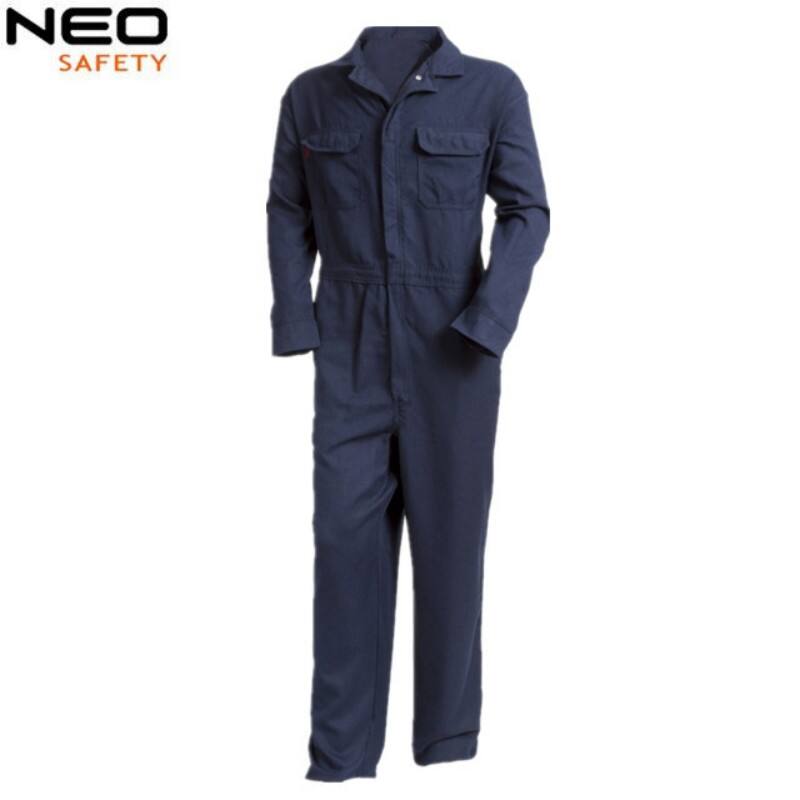
Stilə uyğun kombinezlərin strateji seçimi sənaye mühitində işçilərin razılığını, təhlükəsizlik tələblərinə uyğunluğu və brendin qavranılmasını birbaşa təsir edir. Bu ətraflı təhlil üstün iş geyimini əsas müdafiə geyimindən fərqləndirən əsas parça xüsusiyyətlərini, performans göstəricilərini və dizayn nəzərdə tutmalarını araşdırır. Lif tərkibi və toxuma nümunələrindən rəngdən çıxmama və ergonomik konstruksiyaya qədər hər bir element ümumi dəyər təklifinə töhfə verir. Bakım komandalarını, istehsal xəttinin işçilərini və ya sahə xidməti mütəxəssislərini təchiz edərkən bu əsas nəzərdə tutmaları başa düşmək sizin investisiyanızın möhkəmlik, rahatlıq və peşəkar təqdimatda ölçülməsi mümkün qayıtma verilməsini təmin edir.
Sənaye kombinezləri üçün əsas parça performans xüsusiyyətləri
Yüksək aşınma mühitində möhkəmlik və aşınmaya davamlılıq
Uzunömürlü və stilə uyğun kombinezlərin əsası, daimi sürtünməyə, təkrar yuyulmaya və sərt iş şəraitinə qarşı davamlı olan parçanın seçilməsi ilə başlayır. Sürtünməyə davamlılıq — sənaye mühitində yayılmış sürtmə, sıyrılma və səthlə təmas kimi təsirlərə məruz qaldıqda parçanın struktur bütövlüyünü nə qədər yaxşı saxlaya biləcəyini ölçür. Premium iş geyimləri adətən poliester-pambıq qarışıqlarından istifadə edir ki, bu da sintetik liflərin möhkəmliyi və formanı saxlama xüsusiyyətlərini təbii pambığın nəfəsalılığı və rahatlığı ilə birləşdirir; belə qarışıqların nisbəti adətən altmış beş faiz poliester və otuz beş faiz pambıqdır. Bu balanslaşdırılmış tərkib, parçanın deqradasiyasının adətən başladığı gərginlik nöqtələrində — dizlər, dirəklər və cib kənarlarında — erkən aşınmanı qarşısını alır.
İleri səviyyəli toxuculuq texnikaları, yırtılmaya və dəlik açılmaya qarşı davamlı sıx toxunmuş strukturlar yaradaraq möhkəmliyi daha da artırır. Diaqonal çubuq nümunəsi ilə xarakterizə olunan tivill toxunuşlar, sadə toxunuşlara nisbətən üstün güclərə malikdir və hərəkət azadlığını məhdudlaşdırmadan elastikliyini saxlayır. Sənaye səviyyəli paltar toxumasının çəkisi adətən kvadrat yarda yeddi-dokuz unsiya arasında dəyişir ki, bu da hərəkət azadlığını məhdudlaşdırmayan əhəmiyyətli qorunma təmin edir. Dikişlərin və yüklənmə nöqtələrinin gücləndirilməsi, cib künclərində və bağlama nöqtələrində bartak dikişi ilə gücləndirilmə birgə paltarın ömrünü əhəmiyyətli dərəcədə uzadır. Alınma üçün stilə uyğun overall seçərkən Martindale üsulu kimi standartlaşdırılmış aşınma testləri aparmaq, görünən keyfiyyət itirilməsinə qədər gözlənilən işlətmə dövrləri haqqında obyektiv məlumat verir.
İstilik Tənzimləməsi və Nəm İdarəetmə Xüsusiyyətləri
İşçilərin rahatlığı onların məhsuldarlığı ilə birbaşa əlaqəlidir; buna görə də müxtəlif operativ mühitlərdə stilə uyğun kombinizonlar seçərkən istilik tənzimlənməsi kritik vacibliyə malikdir. Parça nəfəsalılığı bədən istiliyinin və tərləmənin materialdan necə effektiv çıxdığını müəyyən edir və fiziki cəhətdən çətin tapşırıqlar zamanı istilik stresini qarşısını alır. Təbii pambıq lifləri nəmlərin udulmasında üstünlük təşkil edir, tərləməni dəri səthindən uzaqlaşdıraraq çıxarır, oysa poliester komponentləri sürətli quruma prosesini təmin edir və nəm olduqda belə ölçülərin sabitliyini saxlayır. Bu sinergetik əlaqə qarışıq parçalarda fərqli fəaliyyət səviyyələrinə və ətraf temperaturuna uyğunlaşan mikroklimaların idarə edilməsi sistemi yaradır.
Doku strukturu havanın keçirilməsini təsir edir; daha açıq konstruksiyalar bəzi davamlılığı itirmək şərti ilə daha çox hava axınına imkan verir. İqlim nəzarəti altında olan sahələrdə işləmək üçün standart doku sıxlığı kifayət qədər ventilyasiya təmin edir, halbuki açıq havada və ya yüksək temperatur şəraitində işləmək üçün xüsusi nəm udan müalicələr və ya torşəkilli ventilyasiya panelləri tələb oluna bilər. Hidrofil lif müalicələri və mühəndislik üsulu ilə yaradılmış hava kanalları kimi irəli səviyyəli toxuculuq texnologiyaları, gözəl kombinezonların peşəkar görünüşünü qoruyarkən nəmin daşınmasını artırır. Nəm buxarı ötürülmə sürətinin qiymətləndirilməsi, toplanmış tərlərin neçə tez çıxarılacağını ölçən miqdarlı məlumatlar verir və beləliklə, geyimin xüsusiyyətlərini müəyyən iş mühiti tələblərinə və mövsümi temperatur dəyişikliklərinə uyğunlaşdırmağa kömək edir.
Kimyəvi müqavimət və ləkə itələyici xüsusiyyətlər
Sənaye mühitləri tez-tez iş geyimini yağlar, həlledicilər, təmizləyici vasitələr və toxunuşun keyfiyyətini zədələyən və görünüşünü pisləşdirən müxtəlif kimyəvi maddələrə məruz qoyur. Stilə uyğun overallların kimyəvi müqaviməti həm lif tərkibinə, həm də kontaminantların udulmasını maneə törədən qoruyucu təbəqələr yaradan səth örtüklərinə əsaslanır. Poliester kimi sintetik liflər neft əsaslı bir çox maddəyə qarşı təbii müqavimət göstərir, oysa xüsusi emal üsulları su əsaslı kimyəvi maddələrə və bioloji mayelərə qarşı əlavə qoruma təmin edir. Bu çoxqatlı müdafiə sistemi geyimlərin xidmət müddəti boyu həm struktur bütövlüyünü, həm də vizual cəlbediciliyini qoruyur.
Liflərə nüfuz etmək əvəzinə mayelərin toxumadan damcı şəklində toplanıb aşağıya sürüşməsinə səbəb olan hidrofob və oleofob səthlər yaratmaq üçün istehsal zamanı çirklənməyə davamlı emal üsulları tətbiq olunur. Bu floropolimer və ya silikon əsaslı emal üsulları düzgün formulalaşdırılaraq və tətbiq edilərək bir neçə paltar yuyulması dövründə effektivliyini qoruyur. Hidravlik mayelərə, yağlayıcılara və soyuduculara mütəmadi olaraq məruz qalınan texniki xidmət və təmir əməliyyatlarında çirklənməyə qarşı müqavimət stilə uyğun overalların ömrünü və peşəkar görünüşünü birbaşa təsir edir. Əməliyyatlarınızın konkret kimyəvi məruz qalma profilini başa düşmək, toxuma emal üsullarını faktiki iş yerindəki təhlükələrlə dəqiq uyğunlaşdırmağa imkan verir və bu da həm qorunma, həm də təşkilatın peşəkarlığına müsbət təsir göstərən estetik standartların saxlanılmasını təmin edir.
Stilə uyğun və funksional overalları müəyyən edən dizayn elementləri
Rəng seçimi və peşəkar görünüş standartları
Sənaye iş geyimlərinin vizual təqdimatı müştərilərin qəbulunu, komanda uyğunluğunu və peşəkar mühitdə brend identifikasını əhəmiyyətli dərəcədə təsir edir. Dəniz mavi rəngi ən çox istifadə olunan rəngdir stilə uyğun overall üçün çünki o, kiçik kir izlərini gizlətmək bacarığı ilə yanaşı, ləyaqətli və mütoriq bir görünüş saxlamağa imkan verir. Çirklənmə izlərini aydın göstərən açıq rənglərdən və ya artıq istilik udan qara geyimlərdən fərqli olaraq, dəniz mavi rəngi praktik gizlətmə və peşəkar təqdimat arasında optimal balans yaradır. Bu rəng seçimi geyimin funksional deyil, yalnız estetik səbəblərlə dəyişdirilmə tezliyini azaldır.
Rəngdən düşməyə davamlılıq testi, stilə uyğun kombinezlərin təkrar yuyulma və ultrabənövşəyi şüalanmaya məruz qalması zamanı planlaşdırılan rəng tonlarını saxlamasını təmin edir və peşəkar image-i zəiflədən solmuş, köhnəlmiş görünüşü qarşısını alır. Sənaye səviyyəli boyalar lif strukturlarına yalnız səthi örtmək əvəzinə dərindən nüfuz edir və beləliklə, kommersiya yuyucu proseslərinə və xlor əsaslı dezinfeksiya vasitələrinə davam gətirən daimi rəng birləşməsi yaradır. Zəif işıqlı mühitlərdə görünərliliyi artırmaq üçün ziddiyyətli kənar rənglərin və ya əks etdirici boruların strategik istifadəsi müasir iş geyimini ənənəvi funksional kombinezlərdən fərqləndirən müasir dizayn elementlərini də əlavə edir. Forma proqramları təyin edərkən Pantone kodları kimi sənayedə tanınan sistemlərdən istifadə edərək dəqiq rəng standartlarını göstərmək, bir neçə istehsal seriyası və təchizatçı mənbələri üzrə eyniliyi təmin edir.
Ergonomik Konstruksiya və Hərəkətlilik Artırılması
Stilə uyğun funksional üst paltarların üstünlüyü, məhdudiyyət və ya narahatlıq yaratmadan sənaye sahəsində həyata keçirilən bütün hərəkətləri əhatə edən qəlib dizaynına çox güclü dərəcədə bağlıdır. Qol hərəkətlərini təmin edən, arxa tərəfdə əlavə hərəkət imkanı verən qol hissələri, qolların irəli və ya yuxarı doğru uzandığı zaman əlavə parça panellərini genişləndirir və əsas üst paltar modellərində tez-tez müşahidə olunan gərginlik hissinə son qoyur. Dikməli çanaq quruluşu, təmir və montaj əməliyyatları üçün vacib olan qalxma, diz çökmə və oturma kimi əməliyyatlarda ayaqların tamamilə azad hərəkət etməsini təmin edir. Bu mühəndislik detalları statik parçanı dinamik qoruyucu geyimə çevirməklə, geyimlərin istifadəçinin bədən mexanikasına qarşı mübarizə aparması əvəzinə, onunla təbii şəkildə hərəkət etməsini təmin edir.
Elastik daxilolmaların bel tərəflərində və ya arxa panellərdə strateji yerləşdirilməsi geyimlərin müxtəlif bədən tiplərinə uyğunlaşmasına imkan verir, lakin stilli ovreların xarakterik düzgün kəsilmiş görünüşünü saxlayır. Bel qalınlığına uyğunlaşdırılan qalınlıq qalınlığı, manşet düymələri və yaxa bağları kimi tənzimlənə bilən xüsusiyyətlər rahatlığı və peşəkar oturmağı təmin edən fərdi uyğunlaşdırmaya imkan verir. Çiyin, dirsek və diz kimi yüksək hərəkətli sahələrdə uzanabilən parçaların istifadəsi, az yüklənən sahələrdə möhkəmliyi pozmadan çeviklik təmin edir. Müasir kəsilmə proqram təminatı kiçik ölçülərdən böyük ölçülərə qədər dəqiq ölçülüyün təmin edilməsinə imkan verir və beləliklə, bütün ölçülərdə eyni oturma xüsusiyyətləri qorunur. Bu ergonomik detallara diqqət yorğunluğu azaldır, hərəkətə bağlı qəzalardan qoruyur və işçilərin rifahına qoyulan təşkilati bağlılığı əməliyyat səmərəliliyi ilə birgə nümayiş etdirir.
Funksional Cib Konfiqurasiyası və Saxlama Həlləri
Alətlərin və avadanlıqların təşkili birbaşa iş səmərəliliyini təsir edir; buna görə də cib dizaynı, gözəl üniformaların sadəcə dekorativ detali deyil, əsas funksional elementi kimi qiymətləndirilməlidir. Güvənli bağlama sistemli çoxbölümülü döş cibləri işçilərin ayrı alət kəmərləri daşımalarına ehtiyac qalmadan tez-tez istifadə olunan kiçik alətlər, ölçmə cihazları və sənədlər üçün asanlıqla əlçatan saxlama imkanı yaradır. Daxili bölümlərə malik gücləndirilmiş yan ciblər qısaqolları, birləşdirici hissələri və komponentləri təşkil edir və maşınlar və ya çıxıntılı strukturlara yapışmağı qarşısını alan akkord səthli xarici görünüşünü qoruyur. Hər bir cibin dərinliyi, eni və yerləşdirilməsi müxtəlif sənaye tətbiqlərində faktiki alət tələblərinə əsaslanan diqqətli təhlillə müəyyən edilmişdir.
Xüsusi məqsədlər üçün nəzərdə tutulmuş ciblər — dəyənək halqaları, maşın çəngəlləri saxlayıcıları və qoruyucu örtüklü telefon bölmələri — ümumi dizayn estetikasını pozmadan konkret peşəkar tələbləri ödəyir. Avtomobillərdə oturarkən və ya avadanlıqları idarə edərkən şəxsi əşyaları təhlükəsiz saxlamaq üçün arxa ciblər örtük qapanışları və ya fermuarlı girişlərlə təchiz olunub. Qöğüs ciblərində qələm yuvalarının və identifikasiya nişanları üçün xüsusi nəzərdə tutulmuş yerlərin daxil edilməsi, stilistik, peşəkar şəkildə hazırlanmış kombinezonların ümumi iş geyimindən fərqlənən praktik detallara diqqət yetirildiyini göstərir. Daşınan alətlər və avadanlıqların ağırlığı altında cib açıqlıqlarında yırtılma qarşısını almaq üçün ciblərin kənarlarında gücləndirilmiş tikinti tətbiq olunub; bu da geyimin istismar müddətini uzadır və funksional istifadəni qoruyur. İş geyimi seçərkən, faktiki saxlama tələblərini müəyyən etmək üçün istifadəçilər üzərində sorğu aparılması, cib konfiqurasiyalarının nəzəri fərzlər əvəzinə real iş axını tələbləri ilə uyğunlaşdırılmasını təmin edir.
Performans sınaq standartları və keyfiyyət təsdiq üsulları
Çəkmə Müqaviməti və Yırtılma Müqaviməti Standartları
Obektiv performans testləri, görünüşünə və toxunulmasına dair subyektiv qiymətləndirməni aşaraq, stilə uyğun ümumi geyimlərin qiymətləndirilməsi üçün miqdarlı məlumatlar təmin edir. Çəkmə müqaviməti ölçümləri, müəyyən istiqamətlərdə çəkilən kumaşın parçalanması üçün tələb olunan qüvvəni müəyyən edir və bu da geyimlərin fiziki iş fəaliyyətləri zamanı yaranan çəkilmə qüvvələrinə qarşı davamlılığını göstərir. Sənaye səviyyəli örtük geyimlər, həm uzununa, həm də eninə istiqamətdə 100 funtdan (45,4 kq) çox çəkmə müqaviməti göstərməlidir ki, bu da geyimlərin stres altında struktur bütövlüyünü təmin etsin. Dil ilə yırtılma üsulu ilə aparılan yırtılma müqaviməti testi, başlanğıc deşiklər və ya kəsiklərdən başlayaraq zədənin yayılmasını simulyasiya edir və beləliklə, kiçik zədələrin istifadə müddəti ərzində necə genişləndiyini proqnozlaşdırır.
Dikiş möhkəmliyi sınağı, parçanın birləşdirilmiş sahələrinə qədər pozulma baş verənə qədər qüvvə tətbiq edir və geyimlərin konstruksiyasında potensial zəif nöqtələri müəyyən edir. Keyfiyyətli və stilə uyğun kombinizonlar kritik dikişlərdə kilidləmə dikişi və ya iki iynəli konstruksiyadan istifadə edirlər; bu da yüklənməni daha geniş sahələr üzrə paylayaraq fəlakətli pozulmaların qarşısını alır. Parça möhkəmliyi ilə dikiş möhkəmliyi arasındakı əlaqə tarazlıqda olmalıdır, çünki çox möhkəm dikişlər dikiş xətlərinin yanındakı parçanın yırtılmasına səbəb ola bilər. ASTM və ya ISO üsulları kimi standartlaşdırılmış protokolları tətbiq edən müstəqil sınaq laboratoriyaları müxtəlif geyim variantları arasında birbaşa müqayisə etməyə imkan verən yoxlanıla bilən performans məlumatları təqdim edir. Təchizatçıların sertifikatlı sınaq nəticələrini təqdim etməsini tələb etmək, alınma qərarlarının yalnız marketinq iddialarına və ya qiymət amillərinə əsaslanmamasını, əksinə obyektiv performans meyarlarına əsaslanmasını təmin edir.
Ölçü sabitliyi və büzülmə nəzarəti
Stilə uyğun overallların təkrarlı yuyulma dövrlərindən sonra formasının saxlanması onların ölçü sabitliyi xüsusiyyətlərinə, yəni istənməyən büzülmə və ya uzanmaya qarşı müqavimət göstərməsinə bağlıdır. Təbii pambıq lifləri istilik və nəmə məruz qaldıqda daralma meylli olur ki, bu da geyimlərin kommersiya şəraitində yuyulduqdan sonra çox sıx və ya çox qısa olmasına səbəb ola bilər. Parça istehsalı zamanı tətbiq edilən əvvəlcədən büzülmə emalı üsulu, kəsmə və tikmə əməliyyatlarından əvvəl liflərin rahatlamasını təmin etmək üçün idarə olunan istilik və nəm təsirindən istifadə edir və beləliklə, sonrakı ölçü dəyişikliklərini minimuma endirir. Keyfiyyət nəzarəti spesifikasiyaları adətən qalıq büzülməni hər hansı bir istiqamətdə üç faizdən az olmaqla məhdudlaşdırır ki, bu da geyimlərin xidmət müddəti ərzində özünə məxsus oturma keyfiyyətini saxlamasını təmin edir.
Parça rahatlama testi, nümunələri idarə olunan şəraitdə bir neçə yuyulma və qurutma dövrünə məruz qoyur və hər bir dövrün ardından ölçülən ölçüsüz dəyişikliklər əsasında uzunmüddətli sabitliyi proqnozlaşdırır. Toxuculuq quruluşu büzülmə nümunələrini təsir edir; daha sıx toxumalar ümumiyyətlə daha az ölçü dəyişikliyi göstərir, lakin açıq toxumalara nisbətən ölçüsüz sabitlik daha yüksəkdir. Poliester qarışımı, tamamilə pambıqdan hazırlanmış parçalara nisbətən büzülməni əhəmiyyətli dərəcədə azaldır və bu da peşəkar iş geyimlərində poliester-pambıq qarışıqlarının populyarlığına səbəb olur. Bütövlükdə uniforma proqramları təyin edərkən, tam flotun alınmasından əvvəl kiçik miqyaslı yuyulma sınaqları keçirilməsi potensial ölçüsü uyğunsuzluqları müəyyən etməyə və qalıq büzülməni nəzərə alaraq başlanğıc ölçülərini düzəltməyə imkan verir. Bu qabaqlayıcı yanaşma, bütün uniforma ehtiyatlarının ilk sənaye yuyulma dövründən sonra geyinilə bilməz vəziyyətə düşməsi kimi xərcləri artırıcı vəziyyəti qarşısını alır.
Rəng sabitliyi və görünüşün saxlanması qiymətləndirilməsi
Stilə uyğun, peşəkar görünüşlü kombinezlərin davamlı peşəkar görünüşü solmama, ləkələnmə və rəngin dəyişməsi xüsusiyyətlərinə, yəni uzun müddətli istifadə və təmizləmə dövrləri zamanı bu problemlərə qarşı davamlılığına əsaslanır. Müxtəlif rəngdən çıxma testləri işıq təsiri, yuyulma, tərləmə və sürtünmə ilə əlaqədar fərqli deqradasiya mexanizmlərini qiymətləndirir. Sənayedə standartlaşdırılmış boz skala qiymətləndirmə sistemi rəng dəyişikliyinin şiddətini obyektiv şəkildə müqayisə etməyə imkan verir; dörd və ya daha yüksək qiymətlər peşəkar iş geyimləri üçün qəbul edilə bilən performansı göstərir. Fərqli rənglərin solmaya davamlılığının müxtəlif olduğunu başa düşmək, yalnız estetik üstünlüyə əsaslanmayan, həqiqi performans məlumatlarına əsaslanan rəng seçimi qərarlarının verilməsinə kömək edir.
Konsentrləşdirilmiş ultrabənövşəyi işıq təsirindən istifadə edilən sürətləndirilmiş atmosfera davamlılığı testləri, geyimlərin açıq havada iş mühitində günəş işığına qarşı davamlılığını proqnozlaşdıraraq, onların xarici şəraitdə uzun müddət istifadəyə davamlılığını sıxılmış vaxt çərçivəsində simulyasiya edir. Yuyulmaya davamlı rəng testi boyaların digər paltarlar üzərinə axıb çıxmasını və ya təkrar yuyulma ilə daim azalmasını müəyyən edir; bu da stilə uyğun kombinezlərin peşəkar görünüşlü geyim kimi ömrünü birbaşa təsir edir. Quru və nəm sürtünmə zamanı baş verən rəng köçürməsinin müqaviməti (krokinq) ölçülür; bu, iş yerində baş verən təmas zamanı digər materialların ləkələnməsinin qarşısını almaq üçün vacibdir. Alınan malların alınması sənədlərində minimum rəng davamlılığı standartlarını göstərmək, təchizatçıların peşəkar görünüş tələblərini ödəyən geyimlər təqdim etməsini təmin edir və sürətlə keyfiyyətini itirən iqtisadi sinif alternativlər əvəzinə. Çatdırılan geyimlər üzərində aparılan müntəzəm keyfiyyət auditləri, təchizatçılarla olan münasibətlər möhkəmləndikcə keyfiyyətin yavaş-yavaş aşağı düşməsinin qarşısını alır.
Fərqli sənaye tətbiqləri üçün strategik seçimin meyarları
Material çəkisinin iş əməliyyat mühitinə uyğunlaşdırılması
Stilə uyğun üniformalar üçün optimal material çəkisi iş yeri şəraiti, mövsümi amillər və yerinə yetirilən tapşırıqların xüsusiyyətlərinə görə əhəmiyyətli dərəcədə dəyişir. Kvadrat yarda beşdən yeddi unsiyaya qədər olan yüngül materiallar, temperatur nəzarəti olunan daxili mühitlərdə və ya ağır fiziki gərginlik zamanı bədən istiliyinin əhəmiyyətli dərəcədə arttığı isti hava şəraitində istifadə olunan açıq havada tətbiqlər üçün maksimum nəfəsalanma və rahatlıq təmin edir. Bu yüngül konstruksiyalar peşəkar görünüşü qoruyur və işçilərin təhlükəsizliyini və məhsuldarlığını zədələyə biləcək istilik stresini minimuma endirir. Bununla belə, azalmış material kütləsi daha ağır alternativlərə nisbətən yüngül təsadüflər, sürtünmə və sıçramalara qarşı az miqdarda qoruma təmin edir.
Ümumi sənaye tətbiqləri üçün ən çox универсал seçim yeddi ilə doqquz unsiyalıq orta ağırlıqlı parçalardır; bu, müxtəlif şəraitdə qoruma, davamlılıq və rahatlıq arasında tarazlığı təmin edir. Bu ağırlıq aralığı peşəkar görünüş üçün kifayət qədər sıxlıq təmin edərkən, fərqli fəaliyyət səviyyələrini və mühit şəraitini də nəzərə alır. Doqquz unsiyadan çox ağırlıqlı ağır iş üçün nəzərdə tutulmuş parçalar ağır maşınlarla iş, qaynaq əməliyyatları və ya çox güclü sürtünmə təsirlərinə məruz qalan çətin mühitlərdə maksimum qoruma və uzun müddətli istismar imkanı verir; lakin nəfəsalanma qabiliyyətinin azalması isti şəraitdə fiziki cəhətdən çətin tapşırıqlar üçün onların uyğunluğunu məhdudlaşdıra bilər. Fərqli ağırlıqlı parçalardan ibarət mövsümi forma proqramları işçilərin rahatlığını və təhlükəsizliyini optimallaşdırarkən, stilizə olunmuş overallar üçün vacib olan sabit peşəkar görünüşü saxlayır. İqlim məlumatlarının analizi və fəaliyyət metabolik sürətinin hesablanması fabrik şəraitindəki real tələblərə uyğun olaraq parçanın ağırlıq spesifikasiyalarını dəqiq seçməyə imkan verir.
Sertifikatlar və uyğunluq tələbləri
Tənzimləyici uyğunluq və sənaye sertifikatları, stilə uyğun ümumi geyimlərin müəyyən sənaye tətbiqləri üçün müəyyən edilmiş təhlükəsizlik və performans standartlarına cavab verdiyini müstəqil olaraq təsdiq edir. NFPA 2112 və ya ASTM F1506 kimi alovdayan materiallar üçün sertifikatlar neft, kimya və energetika sahəsində işləyən işçilərə qısa müddətli alov təhlükəsinə qarşı təsdiqlənmiş mühafizə təmin etdiyini göstərir. ANSI/ISEA 107 kimi yüksək görünənlik standartları, avtomobil nəqliyyatı və ya hərəkətli avadanlıqlara məruz qalan işçilər üçün minimum floresan arxa fon materialı və geriyə əks etdirən bəzək tələblərini müəyyən edir. Hansı sertifikatların sizin konkret əməliyyatlarınıza aid olduğunu başa düşmək, iş paltarının seçiminin qanuni tələblərə cavab verdiyini və eyni zamanda işçiləri müəyyən edilmiş təhlükələrdən qoruduğunu təmin edir.
Qövs-qiymətləndirilmiş sertifikatlar, qövs partlayışı təhlükələrinə qarşı qoruyucu performansı Arc Thermal Performance Value (ATPV) sistemi ilə miqyaslandırır və geyim spesifikasiyalarının hesablanmış hadisə enerjisi səviyyələri ilə dəqiq uyğunlaşdırılmasına imkan verir. Kimyəvi sıçrama qorunması reytinqləri müəyyən maddələrə qarşı maneə performansını müəyyən edir; bu, korroziya təsirli materiallar və ya bioloji təhlükələrlə bağlı əməliyyatlarda vacibdir. Xüsusi qoruyucu sertifikatlar tətbiq olunmasa belə, ümumi keyfiyyət sertifikatları, məsələn, ISO 9001 istehsalat standartları, sabit istehsal prosesləri və keyfiyyət nəzarəti sistemləri haqqında zəmanət verir. Alınma proseslərinin bir hissəsi kimi sertifikat sənədlərinin tələb olunması, stilistik kombinezonların həm peşəkar görünüşü, həm də iş yeri təhlükələrinə uyğun doğrulanmış qorunma təmin etməsini təmin edir. Dövri yenidən sertifikatlandırma auditləri standartların inkişafı və istehsalat proseslərinin dəyişməsi ilə əlaqədar davamlı uyğunluğu yoxlayır.
Həyat dövrü xərclərinin təhlili və dəyər optimallaşdırılması
Stilə uyğun iş geyimlərinin ümumi sahiblik dəyəri, yalnız başlanğıc alış qiymətindən kənara çıxaraq, yuyulma xərclərini, əvəzlənmə tezliyini və geyimin performansının operativ təsirlərini də əhatə edir. Davamlı, yüksək keyfiyyətli iş geyimləri, ilk növbədə daha yüksək qiymətlərlə satılsa da, tez-tez əvəz edilməsi tələb olunan iqtisadi alternativlərə nisbətən daha yaxşı ömür boyu dəyər təmin edir. Hər bir geyimin istifadə dəfəsi üzrə dəyərini hesablamaq üçün, geyimin ümumi investisiyası (yuyulma xərcləri də daxil olmaqla) geyimin istifadədən çıxarılmasına qədər keçirilən istifadə dövrlərinin sayına bölünür; bu da müxtəlif keyfiyyət səviyyələrinin həqiqi iqtisadi səmərəliliyini göstərir. Yüksək keyfiyyətli material seçimi ilə geyimin ömrünü altı aydan on səkkiz aya uzatmaq, ilk növbədə daha yüksək investisiya tələb etsə də, illik formaya xərclərini əhəmiyyətli dərəcədə azalda bilər.
Yuyulma xərcləri geyimlərin istifadə müddəti ərzində əhəmiyyətli dərəcədə artan davamlı xərcləri təmsil edir; buna görə də çirklənməyə davamlılıq və tez quruma xüsusiyyətləri yalnız rahatlıq üstünlüklərindən kənarda da iqtisadi cəhətdən dəyərli hesab olunur. Qəbul ediləbilən görünüşünü saxlamaq üçün xüsusi təmizləmə prosesləri və ya tez-tez yuyulma tələb edən geyimlər, uzun müddətli istifadə dövrləri ərzində peşəkar görünüşü saxlayan texniki cəhətdən daha üstün stilizə edilmiş kombinizonlara nisbətən daha yüksək operativ xərclər yaradır. İşçilərin rahatlığı, hərəkət azadlığı və peşəkar görünüşünə olan etibarı ilə əlaqədar məhsuldarlıq təsiri, ölçülə bilməyən, lakin real dəyər əlavə edən amillərdən biridir. Düzgün oturan, möhkəm mühafizəvi geyimlərlə əlaqədar zədələnmələrin azalması işçilərə ödənilən kompensasiya tələblərində və itirilən iş vaxtı hadisələrində azalma vasitəsilə ölçülməsi mümkün olan xərc qənaətləri gətirir. Bütün bu amilləri əhatə edən kompleks yaşam dövrü analizi alım-qərarlarının səthi qiymət müqayisəsi əvəzinə həqiqi dəyər optimallaşdırmasına əsaslanmasını təmin edir.
Tez-tez verilən suallar
Sənaye üst paltarları üçün davamlılıq və rahatlıq arasında ən yaxşı balansı təmin edən parça qarışım nisbəti nədir?
Stilə uyğun üst paltarlar üçün optimal parça qarışımı adətən altmış beş faiz poliester və otuz beş faiz pamukdan ibarətdir; bu, sintetik liflərin təmin etdiyi üstün davamlılıq və formalı qalma xüsusiyyətlərini saxlayarkən, təbii pamuğun nəfəsalılığını və rütubət udma qabiliyyətini də qoruyur. Bu nisbət çoxlu sənaye mühitlərində peşəkar görünüş və işçilərin rahatlığı təmin edərkən, büzülmə ilə bağlı narahatlıqları minimuma endirir. Bəzi tətbiqlər üçün nisbətlərin dəyişdirilməsi faydalı ola bilər: isti mühitlərdə maksimum nəfəsalılıq üçün daha yüksək pamuk miqdarı və ya müəyyən təsir sahələrində artırılmış kimyəvi dayanıqlılıq üçün daha çox poliester.
Təşkilatlar böyük miqyaslı alım etməzdən əvvəl iş geyimlərinin keyfiyyətini necə yoxlaya bilər?
Praktiki dəyərləndirmə üçün nümunə geyimlərin sifarişi və təmsilçi işçilərlə kiçik miqyaslı sahə sınaqlarının aparılması, tam flot alımlarından əvvəl oturma keyfiyyəti, rahatlıq və davamlılıq haqqında praktiki fikir verir. Çek gücü, sürtünməyə davamlılıq, rəng sabitliyi və ölçülərin sabitliyi daxil olmaqla əsas performans göstəriciləri üzrə müstəqil laboratoriyalardan sertifikatlaşdırılmış sınaq nəticələrinin təchiz edilməsini tədarükçülərdən tələb etmək obyektiv keyfiyyət yoxlamasını təmin edir. Sürətləndirilmiş paltaryuyan protokollarla başlanğıc kiçik partiyalı sifarişlərin verilməsi uzunmüddətli istismar şərtlərini simulyasiya edir və stilə uyğun overalların genişmiqyaslı stok investisiyalarına keçid etməzdən əvvəl potensial problemləri müəyyən edir.
Sənaye iş geyimlərinin ömrünü və görünüşünü uzadan baxım tədbirləri hansılardır?
Stilə uyğun overall-ların toxumasının erkən deqradasiyasını və rənglərin solmasını qarşısını almaq üçün istehsalçının göstərdiyi yuyulma temperaturuna əməl etmək və çoxlu xlorlu ağartıcılardan istifadə etməmək lazımdır. Ləkə və kirin toxuma liflərinə daxil olmasından əvvəl operativ şəkildə təmizlənməsi, görünüşün bərpa edilməsi üçün tətbiq edilən qəti təmizləmə prosesini azaldır. Bir neçə geyim dəstini növbəli istifadə etmək, ayrı-ayrı əşyaların aşınma tezliyini azaldaraq ümumi parkın ömrünü uzadır. Geyimlərin müntəzəm olaraq kiçik zədələr üçün yoxlanılması və vaxtında təmir edilməsi kiçik problemlərin tam əvəzlənmə tələb edən fəlakətli arızalara çevrilməsini qarşısını alır. İş paltarına xüsusi diqqət yetirən sənaye yuyuculuq xidmətləri bu məhsulların xüsusi qulluq tələblərini başa düşür və adətən standart kommersiya yuyuculuq əməliyyatlarına nisbətən daha yaxşı nəticələr verir.
Fərqli bağlama sistemləri örtük paltarlarının funksionallığına və davamlılığına necə təsir edir?
Qısa müddətdə geyinmə və çıxarma imkanı təmin edən, lakin geyimlərin yaşlanması ilə əlaqədar zəruri təmir tələbi kimi çuxurun dəyişdirilməsi tez-tez baş verən, qısmən bloklanma qabiliyyətinə malik ağır işlər üçün nəzərdə tutulmuş fermuarlar aktiv iş zamanı etibarlı bağlanmanı saxlayır. Düğməli bağlantılar ayrı-ayrı bərkidici elementlərin sıradan çıxması halında yaxşı davamlılıq və asan dəyişdirilmə imkanı təmin edir, lakin geyimin açılıb-bağlanması üçün daha çox vaxt tələb olunur. Əsas bağlantı üçün fermuarlardan, havaya qarşı qorunma üçün isə düyməli fırtına qapaqlarından istifadə edən kombinasiya sistemləri artıq təhlükəsizlik və mühit təsirlərinə qarşı gücləndirilmiş qorunma təmin edir. Şık overallların bağlantı sistemlərinin seçilməsi zamanı funksionallığı və qəbulu optimallaşdırmaq üçün konkret əməliyyat tələbləri, təsir şəraiti və işçilərin üstünlükləri nəzərə alınmalıdır.
Mündəricat
- Sənaye kombinezləri üçün əsas parça performans xüsusiyyətləri
- Stilə uyğun və funksional overalları müəyyən edən dizayn elementləri
- Performans sınaq standartları və keyfiyyət təsdiq üsulları
- Fərqli sənaye tətbiqləri üçün strategik seçimin meyarları
-
Tez-tez verilən suallar
- Sənaye üst paltarları üçün davamlılıq və rahatlıq arasında ən yaxşı balansı təmin edən parça qarışım nisbəti nədir?
- Təşkilatlar böyük miqyaslı alım etməzdən əvvəl iş geyimlərinin keyfiyyətini necə yoxlaya bilər?
- Sənaye iş geyimlərinin ömrünü və görünüşünü uzadan baxım tədbirləri hansılardır?
- Fərqli bağlama sistemləri örtük paltarlarının funksionallığına və davamlılığına necə təsir edir?