 EN
EN
Lors du choix de combinaisons de travail pour les environnements industriels, l’importance du choix du tissu et des caractéristiques de conception ne saurait être surestimée. Ces deux éléments fondamentaux influencent directement la sécurité, le confort, la productivité des travailleurs ainsi que la rentabilité à long terme. Contrairement aux vêtements d’usage courant, les combinaisons industrielles doivent résister à des conditions sévères tout en offrant une protection optimale et une fonctionnalité adaptée. Le tissu détermine la durabilité, la respirabilité et la résistance aux risques, tandis qu’une conception réfléchie garantit un ajustement approprié, une liberté de mouvement et une utilité pratique. Comprendre pourquoi ces facteurs sont essentiels aide les entreprises à prendre des décisions d’achat éclairées, protégeant ainsi leurs employés et améliorant l’efficacité opérationnelle.
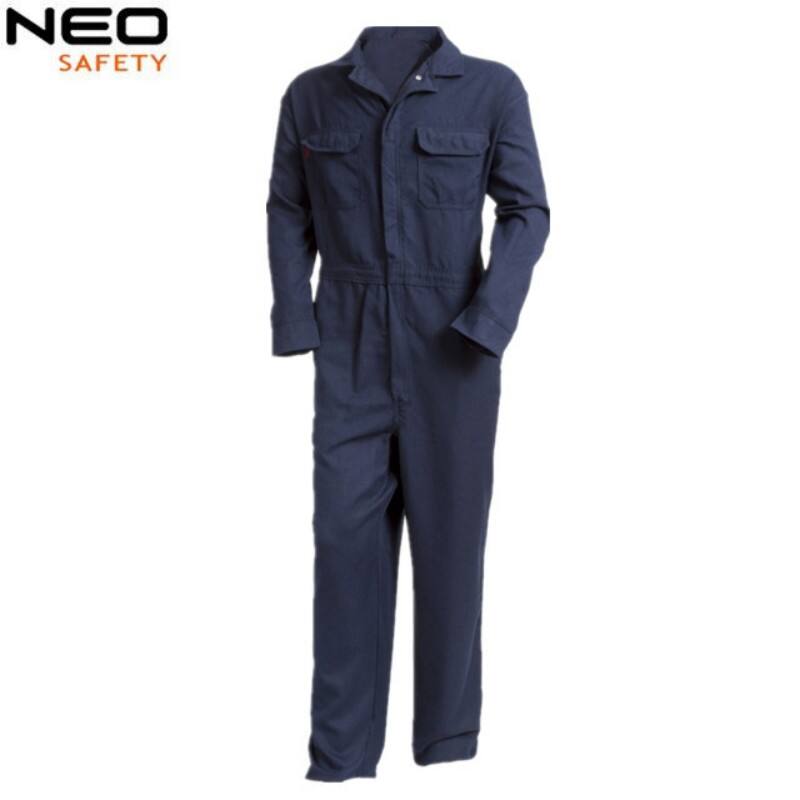
Les combinaisons professionnelles constituent la principale barrière entre les travailleurs et les dangers présents sur le lieu de travail, ce qui rend le choix du tissu et de la conception des considérations essentielles en matière de sécurité. Un tissu inadapté peut provoquer un stress thermique, une exposition aux produits chimiques ou une défaillance prématurée de la tenue, tandis qu’une mauvaise conception peut restreindre les mouvements, créer des points d’accrochage ou compromettre la couverture protectrice. Des combinaisons de qualité, dotées d’un tissu adapté et de caractéristiques ergonomiques intégrées, renforcent la confiance des travailleurs, réduisent les risques de blessures et contribuent à la satisfaction globale au travail. Ces facteurs influencent finalement le niveau de productivité, les coûts liés aux indemnités versées aux travailleurs et les registres de sécurité de l’entreprise.
Propriétés du tissu définissant les performances de la combinaison
Résistance et Solidité
La capacité du tissu à résister aux contraintes mécaniques influence directement la durée de vie et le pouvoir protecteur des combinaisons. Les serges en coton robustes et les mélanges coton-polyester offrent une excellente résistance au déchirement dans les applications industrielles exigeantes. Le grammage du tissu, exprimé en onces par yard carré, indique son potentiel de durabilité, les tissus plus lourds offrant généralement une longévité supérieure. Les motifs de tissage renforcés répartissent plus efficacement les contraintes, empêchant des déchirures catastrophiques qui pourraient exposer les travailleurs à des risques. Les combinaisons de qualité sont fabriquées dans des tissus dont la résistance à la traction a été testée et correspond aux exigences de l’environnement de travail prévu.
La résistance à la déchirure devient particulièrement cruciale dans les environnements comportant des objets tranchants, des surfaces rugueuses ou des activités à fort frottement. Les tissus dont les densités de fils chaîne et trame sont équilibrées résistent à la déchirure dans plusieurs directions, tandis que les mélanges de fibres synthétiques peuvent renforcer la résistance globale du tissu. La capacité du tissu à conserver son intégrité après plusieurs cycles de lavage et d’usure garantit une protection constante tout au long de la durée de service de la combinaison. Investir dans des combinaisons fabriquées avec des tissus présentant une excellente résistance à la déchirure réduit la fréquence de remplacement et assure une protection fiable des travailleurs.
Résistance aux produits chimiques et à la chaleur
Les environnements de travail industriels impliquent souvent une exposition à des produits chimiques, à des huiles et à des températures élevées, ce qui rend les propriétés de résistance des tissus des caractéristiques essentielles en matière de sécurité. Certains traitements textiles et compositions de fibres offrent une protection renforcée contre des risques spécifiques. Les tissus ignifuges empêchent l’inflammation et s’éteignent d’eux-mêmes, réduisant ainsi les risques de brûlures dans les environnements présentant un danger d’incendie. Les traitements résistants aux produits chimiques créent une barrière contre les projections d’acides, les substances caustiques et les produits pétroliers auxquels les travailleurs sont couramment exposés.
Les fibres naturelles, comme le coton, offrent des avantages intrinsèques en matière de résistance à la chaleur, mais peuvent nécessiter des traitements spécifiques pour assurer une protection chimique. Les mélanges synthétiques peuvent fournir une résistance chimique améliorée tout en conservant un bon niveau de confort et de respirabilité. La capacité du tissu à résister à la dégradation causée par des expositions répétées garantit un niveau de protection constant dans le temps. Les travailleurs actifs dans les secteurs de la soudure, du traitement chimique ou de l’industrie pétrolière nécessitent combinaisons avec des propriétés spécifiques du tissu adaptées aux risques d'exposition auxquels ils sont soumis.
Respirabilité et gestion de l'humidité
Le confort et la sécurité des travailleurs dépendent dans une large mesure de la capacité du tissu à gérer l'humidité et à permettre la circulation de l'air. Les tissus respirants empêchent l'accumulation de chaleur, qui peut entraîner un stress thermique, de la fatigue et une diminution des fonctions cognitives. Les fibres de coton évacuent naturellement l'humidité de la peau, tandis que les mélanges synthétiques peuvent améliorer les propriétés d'évacuation de l'humidité grâce à des structures de fibres ingénieuses. Une gestion adéquate de l'humidité permet de maintenir les travailleurs au sec et à l'aise pendant des périodes d'utilisation prolongée.
La respirabilité du tissu devient critique dans les environnements chauds ou lors de tâches physiquement exigeantes, où les travailleurs produisent une chaleur corporelle importante. Une mauvaise gestion de l’humidité peut créer des conditions inconfortables qui distrait les travailleurs et compromet potentiellement leur vigilance en matière de sécurité. Les combinaisons respirantes permettent une régulation optimale de la température corporelle, favorisant ainsi une performance soutenue et une vigilance accrue. Les caractéristiques de perméabilité du tissu doivent être adaptées aux conditions de température et d’humidité de l’environnement de travail afin d’assurer une efficacité maximale.
Caractéristiques de conception améliorant la sécurité et la fonctionnalité
Considérations relatives à la coupe et à la liberté de mouvement
Un ajustement approprié garantit que les combinaisons offrent une protection adéquate sans restreindre les mouvements naturels requis pour l’exécution des tâches professionnelles. Des combinaisons bien conçues permettent toute la gamme de mouvements nécessaire pour les activités de flexion, d’extension, d’escalade et d’agenouillement. Le placement stratégique des coutures, des inserts et des éléments d’expansion empêche le coincement et réduit les concentrations de contraintes susceptibles d’entraîner une défaillance du tissu. La coupe et les proportions du vêtement doivent autoriser le port superposé d’équipements de protection supplémentaires, si nécessaire.
Des éléments de conception tels que des genoux articulés, des plis au dos et des inserts sous les aisselles améliorent la mobilité tout en assurant une couverture protectrice. Des combinaisons surdimensionnées créent des risques pour la sécurité en raison de l’excès de tissu pouvant s’accrocher à l’équipement, tandis que des vêtements trop petits restreignent les mouvements et peuvent ne pas offrir une protection complète. Une prise en compte professionnelle de l’ajustement garantit que les combinaisons complètent, plutôt qu’entravent, les performances du travailleur. Des combinaisons de qualité intègrent des principes de conception ergonomique qui soutiennent la biomécanique naturelle du corps pendant les activités professionnelles.
Systèmes de Fermeture et Sécurité
La conception et le positionnement des fermetures à glissière, des boutons et d'autres systèmes de fermeture influencent considérablement à la fois la sécurité et le confort d'utilisation. Des fermetures à glissière renforcées dotées de rabats protecteurs contre les intempéries empêchent la pénétration de débris tout en assurant une fermeture sécurisée même sous contrainte. Le positionnement des boutons ainsi que leur renforcement évitent toute ouverture accidentelle pendant des activités exigeantes. Les systèmes de fermeture doivent concilier facilité d'utilisation et sécurité, permettant un enfilage et un retrait rapides lorsque cela est nécessaire, tout en maintenant une protection optimale pendant le travail.
Les combinaisons à fermeture frontale offrent un gain de commodité pour les pauses aux toilettes et les changements rapides de vêtements, tandis que les modèles à fermeture dorsale empêchent toute ouverture accidentelle. Les glissières bidirectionnelles permettent une ventilation ajustable et facilitent les mouvements tout en assurant une protection optimale du tronc. La robustesse et la résistance à la corrosion des composants de fermeture garantissent un fonctionnement fiable tout au long de la durée de vie utile du vêtement. Des systèmes de fermeture bien conçus contribuent à la satisfaction des travailleurs en éliminant les frustrations et les retards liés à des systèmes de fixation difficiles à manipuler.
Configuration des poches et rangement des outils
L'emplacement stratégique et la conception des poches améliorent l'efficacité des travailleurs en offrant un rangement pratique et sécurisé pour les outils essentiels et les objets personnels. Des poches renforcées, aux dimensions adaptées, accueillent les outils courants sans créer de volume excessif ni déséquilibrer la tenue. Des rabats de poche, des fermetures à velcro ou des boutons-pression empêchent la perte d'objets tout en permettant un accès aisé. Le nombre et l'emplacement des poches doivent correspondre aux exigences spécifiques en matière d'outils propres à l'environnement de travail visé.
Les poches poitrine offrent un rangement pratique pour de petits objets tels que stylos, outils de mesure et dispositifs de communication. Les poches latérales (au niveau des hanches) accueillent des objets plus volumineux tout en préservant le confort lors de la position assise ou des mouvements de flexion. Des poches spécialisées pour téléphones portables, rubans à mesurer ou outils spécifiques améliorent l’organisation et la productivité. Des combinaisons de qualité présentent une construction renforcée des poches, capable de résister au poids et à l’usure des objets transportés. Une conception réfléchie des poches élimine, dans de nombreuses applications, le besoin de ceintures à outils ou d’accessoires de rangement séparés.
Impact sur la sécurité et la performance des travailleurs
Protection contre les risques professionnels
La fonction principale des combinaisons industrielles est de protéger les travailleurs contre divers risques présents sur le lieu de travail, ce qui rend le choix du tissu et de la conception des décisions critiques en matière de sécurité. Une sélection appropriée du tissu constitue une barrière contre les projections chimiques, l’exposition à la chaleur, l’abrasion et les coupures causées par des objets tranchants. Des caractéristiques de conception telles que des genoux renforcés, une couverture étendue et des fermetures sécurisées garantissent une protection complète pendant les activités professionnelles courantes. Des combinaisons de qualité réduisent les risques de blessures ainsi que les coûts associés aux indemnisations des travailleurs.
Une protection insuffisante du tissu peut entraîner des blessures graves dues à des brûlures chimiques, à une exposition à la chaleur ou à des lacérations pénétrant des matériaux de qualité inférieure. Des éléments de conception défectueux, tels que des tissus amples, une couverture inadéquate ou des systèmes de fermeture peu résistants, créent des vulnérabilités en matière de sécurité qui compromettent la protection des travailleurs. Le choix approprié de combinaisons, fondé sur une évaluation des risques, garantit des niveaux de protection adaptés aux environnements de travail spécifiques. Investir dans des combinaisons de protection de qualité témoigne de l’engagement de l’employeur envers la sécurité des travailleurs et le respect de la réglementation.
Corrélation entre confort et productivité
Le confort des travailleurs influence directement leur productivité, la qualité de leur travail et leur niveau de satisfaction professionnelle. Des combinaisons confortables, fabriquées dans des tissus respirants et dotées d’une conception ergonomique, permettent aux travailleurs de se concentrer sur leurs tâches plutôt que sur des inconforts liés au vêtement. Une gestion adéquate de l’humidité évite la surchauffe et la fatigue, qui peuvent entraîner une baisse de performance et une augmentation du taux d’erreurs. Des combinaisons bien ajustées renforcent la confiance et l’apparence professionnelle, contribuant ainsi à une ambiance positive sur le lieu de travail.
Des combinaisons inconfortables créent des distractions pouvant compromettre la vigilance en matière de sécurité et la concentration sur les tâches. Les travailleurs portant des combinaisons mal ajustées ou mal conçues peuvent modifier leurs méthodes de travail afin de compenser les limites imposées par le vêtement, ce qui peut engendrer de nouveaux risques pour la sécurité. Des combinaisons de qualité soutiennent les mouvements naturels au cours du travail et assurent un confort constant même pendant de longues périodes de port. L’investissement dans des combinaisons confortables et bien conçues génère généralement des retours sous forme d’une productivité accrue et d’une diminution de l’absentéisme.
Considérations de coût à long terme
Bien que les combinaisons de qualité supérieure puissent nécessiter un investissement initial plus élevé, leurs tissus et leurs caractéristiques de conception supérieurs offrent des avantages économiques à long terme grâce à une durée de service prolongée et à une fréquence de remplacement réduite. Les tissus durables conservent leurs propriétés protectrices et leur apparence après plusieurs cycles de lavage, ce qui réduit le coût total de possession. Des combinaisons bien conçues résistent à une défaillance prématurée et conservent leur ajustement et leurs fonctions dans le temps.
Les combinaisons de mauvaise qualité, fabriquées avec des tissus inférieurs et des compromis au niveau de la conception, nécessitent un remplacement fréquent, ce qui augmente les coûts globaux ainsi que la charge administrative. Les coûts cachés liés à des vêtements de protection inadéquats comprennent notamment les frais éventuels liés aux blessures, les pertes de productivité et les problèmes de conformité réglementaire. Des combinaisons de qualité assurent une durée de service prévisible et des performances constantes, ce qui permet une meilleure planification budgétaire et une gestion optimale des stocks. L’analyse du coût total doit inclure les coûts d’acquisition, d’entretien, de remplacement, ainsi que les éventuels coûts de responsabilité associés au choix des vêtements de protection.
Facteurs environnementaux et spécifiques à l'application
Exigences spécifiques à chaque secteur
Différents secteurs d'activité exigent des propriétés spécifiques des tissus et des caractéristiques de conception afin de répondre à des risques uniques et à des exigences opérationnelles particulières. Les techniciens automobiles ont besoin de combinaisons offrant une résistance chimique renforcée et des propriétés antistatiques, tandis que les travailleurs du bâtiment requièrent une durabilité supérieure ainsi que des éléments assurant une haute visibilité. Les environnements de transformation alimentaire imposent des tissus facilement nettoyables, résistant à la prolifération bactérienne et à la rétention d’odeurs. Comprendre les besoins propres à chaque secteur permet de choisir les combinaisons adaptées afin d’assurer une protection optimale et des performances maximales.
Les environnements de fabrication équipés de machines lourdes exigent des combinaisons dotées de tissus renforcés et de caractéristiques de conception résistantes aux accrochages. Les installations de traitement chimique nécessitent des traitements spécialisés du tissu et des coutures étanches afin d’empêcher la pénétration de substances dangereuses. Les applications agricoles bénéficient de tissus résistants aux UV et de modèles conçus pour s’adapter aux variations saisonnières de température. Chaque secteur industriel présente des défis spécifiques qui requièrent des solutions sur mesure en matière de tissu et de conception afin d’assurer une protection efficace des travailleurs.
Considérations liées au climat et à la météo
Les conditions environnementales influencent fortement les exigences relatives au tissu et à la conception des combinaisons industrielles. Dans les climats chauds, il est essentiel d’optimiser la respirabilité et les propriétés d’évacuation de l’humidité afin de prévenir les maladies liées à la chaleur. Dans les environnements froids, le tissu doit offrir des propriétés isolantes ou permettre le port de vêtements supplémentaires en superposition. En cas d’humidité, des traitements hydrofuges ou des propriétés de séchage rapide du tissu sont nécessaires pour maintenir le confort et la protection.
Les variations saisonnières peuvent nécessiter des combinaisons différentes ou des caractéristiques de conception adaptables afin d'assurer confort et protection tout au long de l'année. Des tissus résistants aux rayons UV deviennent essentiels dans les environnements de travail extérieurs où l'exposition au soleil présente des risques pour la santé. Les modèles résistants au vent contribuent à maintenir le confort sur les lieux de travail exposés. Des combinaisons adaptées au climat soutiennent la santé et la performance des travailleurs, tout en réduisant le risque d’incidents liés aux conditions météorologiques.
Exigences d'entretien et de soin
Le choix du tissu influence directement les exigences d’entretien et la durée de vie des combinaisons industrielles. Des tissus faciles à entretenir, qui conservent leurs propriétés après de multiples lavages, allègent la charge opérationnelle et réduisent les coûts. Des traitements anti-taches et des colorants résistants au décoloration préservent l’apparence professionnelle tout au long de la durée de service du vêtement. La compréhension des exigences d’entretien permet aux organisations de planifier les opérations de nettoyage, d’inspection et de remplacement.
Certains tissus spécialisés nécessitent des procédures ou traitements de lavage spécifiques afin de conserver leurs propriétés protectrices. Les combinaisons ignifuges peuvent exiger des détergents particuliers et des températures de lavage précises pour préserver leurs caractéristiques de sécurité. Des inspections régulières permettent d’identifier les usures et les points de défaillance potentiels avant qu’ils ne compromettent la protection. Un entretien et une maintenance adéquats optimisent le retour sur investissement dans des combinaisons de protection de qualité, tout en garantissant une sécurité constante des travailleurs.
FAQ
Quel grammage de tissu est le plus adapté aux combinaisons industrielles ?
Le poids optimal du tissu pour les combinaisons industrielles se situe généralement entre 8 et 14 onces par yard carré, selon l’environnement de travail et les exigences en matière de protection. Les tissus plus lourds offrent une meilleure durabilité et une protection supérieure contre l’abrasion et les déchirures, ce qui les rend idéaux pour des applications exigeantes telles que la soudure ou la construction. Les tissus plus légers assurent une meilleure respirabilité et un meilleur confort dans des environnements moins contraignants ou dans des climats plus chauds. Le meilleur choix équilibre les besoins de protection et les exigences de confort spécifiques à votre environnement de travail.
Comment déterminer la bonne taille pour des combinaisons de travail ?
Une combinaison bien ajustée doit permettre une amplitude de mouvement complète sans entraver les mouvements ni créer d’excès de tissu susceptible de présenter des risques pour la sécurité. Le vêtement doit pouvoir accueillir tous les sous-vêtements ou couches de base requis tout en assurant une couverture adéquate pendant les activités de travail habituelles. Les points de mesure essentiels comprennent la circonférence de la poitrine, la taille, la longueur de l’entrejambe et la longueur des manches. Les combinaisons de qualité comportent souvent des éléments réglables, tels que des ceintures élastiques ou des bretelles ajustables, afin d’affiner l’ajustement en fonction des besoins individuels de chaque travailleur.
Les combinaisons peuvent-elles être personnalisées pour faire face à des risques spécifiques liés au lieu de travail ?
Oui, de nombreux fabricants proposent des options de personnalisation afin de répondre à des risques et exigences spécifiques liés au lieu de travail. Les personnalisations courantes comprennent des traitements ignifuges, des revêtements résistants aux produits chimiques, des propriétés antistatiques, des couleurs haute visibilité et des zones renforcées pour une meilleure résistance à l’usure. Des fonctionnalités supplémentaires, telles que des poches spécialisées, des anneaux pour dispositifs de communication ou des points d’attache pour les équipements de sécurité, peuvent également être intégrées. Travailler avec des fournisseurs expérimentés permet d’identifier les options de personnalisation adaptées, qui renforcent la protection sans nuire au confort ni à la fonctionnalité.
À quelle fréquence les combinaisons industrielles doivent-elles être remplacées ?
La fréquence de remplacement dépend de la qualité du tissu, de la sévérité de l'environnement de travail et des pratiques d'entretien, mais la plupart des combinaisons industrielles doivent faire l'objet d'inspections régulières et être remplacées dès qu'elles présentent des signes d'usure ou de dommage importants. Des combinaisons de qualité peuvent durer 12 à 18 mois dans des environnements à utilisation modérée, tandis que des applications exigeantes peuvent nécessiter un remplacement tous les 6 à 12 mois. Les principaux indicateurs de remplacement sont l'amincissement du tissu, la défaillance des coutures, le mauvais fonctionnement des systèmes de fermeture ou la perte des propriétés protectrices. La mise en place de calendriers d'inspection réguliers permet d'identifier les besoins de remplacement avant que la sécurité ne soit compromise.
Table des matières
- Propriétés du tissu définissant les performances de la combinaison
- Caractéristiques de conception améliorant la sécurité et la fonctionnalité
- Impact sur la sécurité et la performance des travailleurs
- Facteurs environnementaux et spécifiques à l'application
-
FAQ
- Quel grammage de tissu est le plus adapté aux combinaisons industrielles ?
- Comment déterminer la bonne taille pour des combinaisons de travail ?
- Les combinaisons peuvent-elles être personnalisées pour faire face à des risques spécifiques liés au lieu de travail ?
- À quelle fréquence les combinaisons industrielles doivent-elles être remplacées ?