 EN
EN

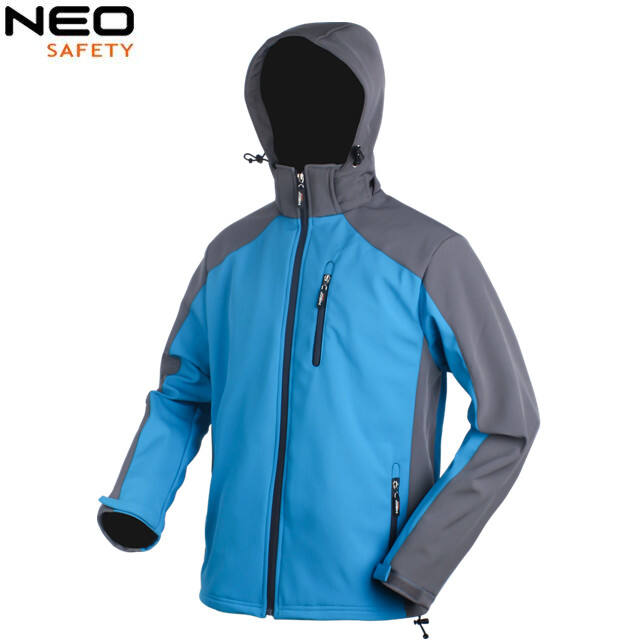
Amikor a természetkedvelők és szakemberek sokoldalú, kényelmes és nagy teljesítményű rétegzési megoldásokat keresnek, a polárfleece kabátok folyamatosan a kedvelt választások között szerepelnek különböző éghajlati viszonyok és tevékenységek során. Ezek a speciális ruhák hőhatékonyságot és lélegzést biztosító tulajdonságokat egyesítenek, így egyedi egyensúlyt nyújtanak, amely nélkülözhetetlenné teszi őket túrázásra, táborozásra, ipari munkakörnyezetekben való használatra, valamint átmeneti évszakokban mindennapi viselésre. Annak megértéséhez, hogy mi különbözteti meg a kiváló minőségű polárfleece kabátokat a hétköznapi modellektől, meg kell vizsgálni a textília felépítése, a tervezési jellemzők és a gyakorlati teljesítménymutatók közötti összetett kapcsolatot, amelyek közvetlenül befolyásolják a felhasználói elégedettséget és a ruházat élettartamát.
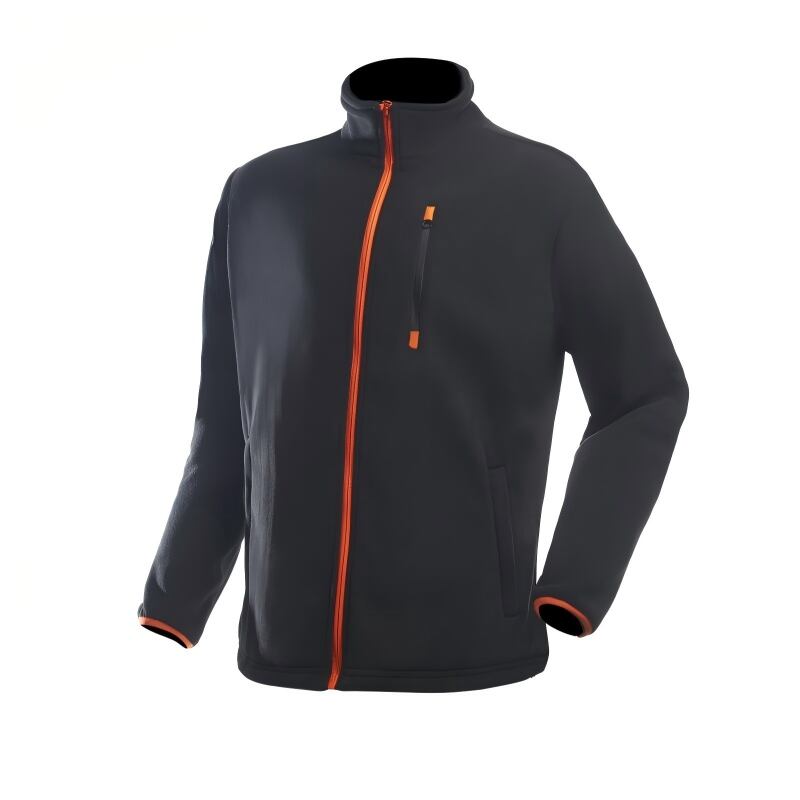
A legjobb polárfleece kabátok felfedezése több teljesítményméret értékelését igényli, amelyek messze túlmutatnak az alapvető hővédelem biztosításán. A kiváló tervek fejlett textilmérnöki megoldásokat és ergonómiai szempontokat integrálnak, olyan ruhákat alkotva, amelyek megbízhatóan működnek hőmérséklet-ingadozások mellett, miközben fenntartják a kényelmet fizikai tevékenység közben. A piacon számos lehetőség áll rendelkezésre, de a valóban kiváló polárfleece kabátok azonosítása megköveteli a specifikus tervezési elemek – például a textília súlyosztályozás, a cipzárszerelések, a zsebek elhelyezési stratégiái és a testre szabás optimalizálási technikái – megértését. Ez a részletes útmutató a prémium minőségű polárfleece kabátokat meghatározó kulcsfontosságú tényezőket vizsgálja, és döntéshozóknak gyakorlatias betekintést nyújt a saját alkalmazási környezetükben mérhető teljesítményelőnyöket nyújtó ruhák kiválasztásához.
A polárfleece textília technológiájának és szerkezeti minőségének megértése
A nagy teljesítményű polárfleece anyagok mögött rejlő mérnöki megoldások
A kiváló minőségű polárfleece kabátok alapja a fejlett textilmérnöki munka, amely szintetikus poliészter rostokat alakít át hőhatékony, nedvességkezelő anyagokká. A prémium polárfleece kabátok olyan poliészter anyagokat használnak, amelyeket speciális gyártási eljárásokkal dolgoznak fel, így egyedi, ezernyi apró levegőzsebbel ellátott felszíni struktúrát hoznak létre. Ezek a mikroszkopikus üregek megtartják a test melegét, miközben lehetővé teszik a páratartalom elpárologtatását, így megteremtik azt az alapvető teljesítményjellemzőt, amely megkülönbözteti a minőségi fleece anyagot a rosszabb minőségű alternatíváktól. A rostok elrendezése és sűrűsége közvetlenül befolyásolja a melegség–tömeg arányt: a kiváló minőségű polárfleece kabátok optimális hőretenciót érnek el túlzott térfogat nélkül, így nem korlátozzák a mozgást vagy okoznak kényelmetlenséget aktív tevékenységek során.
Anyagsúly-osztályozások és teljesítményre gyakorolt hatásuk
A professzionális színvonalú polárfleece kabátok általában három különböző súlykategóriába sorolhatók, amelyek mindegyike meghatározott hőmérsékleti tartományokhoz és tevékenységszintekhez lett kifejlesztve. A könnyű fleece anyagok, amelyek súlya 100–200 gramm négyzetméterenként mozog, kiváló légáteresztő képességgel és kiváló csomagolhatósággal rendelkeznek, így ideálisak nagy intenzitású tevékenységekhez vagy enyhe időjárási viszonyok között. A közepes súlyú változatok (200–300 gramm négyzetméterenként) a legtöbboldalúbb kategóriát képviselik: jelentős hővédelmet nyújtanak, miközben megőrzik a megfelelő légáteresztő képességet mérsékelt fizikai erőfeszítés mellett. A 300 gramm négyzetméter feletti nehézsúlyú polárfleece kabátok maximális hőszigetelést biztosítanak mozdulatlan tevékenységekhez hideg környezetben, bár ezzel együtt csökken a nedvességkezelési képességük. Ezeknek a besorolásoknak a megértése lehetővé teszi a polárfelső kabátok pontosan a tervezett felhasználási célra és környezeti feltételekre illeszkedő termékek tájékozott kiválasztását.
Felületkezelések és tartósság-növelő technológiák
A fejlett polárfleece kabátok speciális felületkezeléseket alkalmaznak, amelyek jelentősen meghosszabbítják a ruházat élettartamát és megőrzik teljesítményjellemzőit ismételt használat és mosási ciklusok során. Az ellenpillevési technológiák kémiai és mechanikai eljárásokat alkalmaznak a szálkötések megerősítésére, megakadályozva ezzel a szembeötlő anyagromlást, amely rontja az esztétikai megjelenést és a hőszigetelés hatékonyságát a alacsonyabb minőségű termékekben. A prémium polárfleece kabátokra alkalmazott vízálló kezelések növelik sokoldalúságukat, mivel védelmet nyújtanak enyhe eső ellen és szél által sodort nedvesség ellen anélkül, hogy teljesen megszüntetnék a lélegzési képességet. Ezek a bevonatok általában tartós vízlepergő összetételeket használnak, amelyek miatt a nedvesség cseppként gyűlik össze az anyag felületén, ahelyett, hogy behatolna a villás szerkezetbe, így megőrizve a hőszigetelő tulajdonságokat még nedves körülmények között is, miközben minimális tömeget adnak a kész ruházathoz.
A kiváló minőségű polárfleece kabátok meghatározó, kritikus tervezési elemei
Cipzár-konfiguráció és szellőztetés-kezelési rendszerek
A cipzárrendszer a legfunkcionálisabb tervezési elemek egyike a nagy teljesítményű polarbéléses kabátokban, közvetlenül befolyásolja a hőmérséklet-szabályozást és a felhasználói komfortot különböző tevékenységszintek mellett. A teljes cipzáros konfiguráció maximális sokoldalúságot biztosít, lehetővé téve a viselők számára a szellőztetés gyors szabályozását vagy a ruházat teljes eltávolítását, ha az időjárási körülmények ezt megkövetelik. A félig cipzáros kialakítások – amelyeket gyakran alkalmaznak technikai polarbéléses kabátokban – egyszerűsített szerkezetet és csökkentett súlyt nyújtanak, valamint kevesebb lehetséges hibapontot tartalmaznak, miközben a legtöbb alkalmazáshoz megfelelő szellőztetés-szabályozást biztosítanak. A cipzáralkatrészek minősége is ugyanolyan fontos: erős YKK vagy ehhez hasonló mechanizmusok biztosítják a zökkenőmentes működést akár ezrekkel több ciklus után is, míg megerősített cipzár-védők megakadályozzák a anyag beakadását és védelmet nyújtanak a állkapocs-irritáció ellen magas gallér esetén.
Zsebakrítetúra és funkcionális tárolási megoldások
A gondosan tervezett zsebrendszerek különböztetik meg a prémium minőségű polárfleece kabátokat az alapváltozatoktól, mivel valós életbeli tárolási igényeket elégítenek ki anélkül, hogy kompromisszumot kötnének a ruházat esztétikájával vagy hőhatékonyságával. A kezet melegítő zsebek természetes karhelyzetben vannak elhelyezve, így kellemes menedéket nyújtanak a hideg időjárás idején, miközben befogadnak lényeges tárgyakat, például kulcsokat, mobiltelefonokat vagy többfunkciós szerszámokat. A biztonságos zárómechanizmussal ellátott mellzsebek gyors hozzáférést biztosítanak gyakran használt tárgyakhoz anélkül, hogy le kellene venni a hátizsák derékpántját vagy a munkavédelmi övet. A professzionális minőségű polárfleece kabátok belső biztonsági zsebei védett tárolást nyújtanak értékes tárgyak, dokumentumok vagy érzékeny elektronikus eszközök számára, és stratégiai elhelyezésük biztosítja a ruházat egyensúlyát, valamint megelőzi a kellemetlen nyomópontok kialakulását hosszabb viselési időszakok alatt.
Illeszkedés optimalizálása és ergonómikus mintatervezés
A felsőbb osztályú polárfleece kabátok kifinomult mintatervezést alkalmaznak, amely figyelembe veszi a természetes testmozgásokat, miközben megőrzi a hőszigetelés hatékonyságát és megakadályozza a felesleges anyagmennyiség felhalmozódását. Az ízületi könyök- és alkar-részek, valamint a béléses hónaljrések korlátlan kar-emelést és forgást tesznek lehetővé, ami különösen fontos technikai tevékenységek – például mászás, fej fölé nyúló munkavégzés vagy gépek kezelése – során. A lejtős hátsó szegély további védelmet nyújt hajlás vagy nyúlás közben, és megakadályozza, hogy a kabát felfelé csússzon aktív mozgás közben. A minőségi polárfleece kabátok vállvarrat-elhelyezése figyelembe veszi a hátizsák pántok pozícióját és a biztonsági öv kompatibilitását, így minimalizálja az elhasználódási pontokat, amelyek gyorsítják az anyag kopását. A beállítható szegélyhúzók és rugalmas csuklópántok személyre szabott illeszkedést tesznek lehetővé, így kizárják a hideg levegő behatolását, miközben rugalmasan alkalmazkodnak a fleece külső réteg alatt viselt rétegek változó vastagságához.
Teljesítményjellemzők különféle alkalmazási környezetekben
Hőszabályozás fizikai tevékenység közben
A kiváló minőségű polárfleece kabátok igazi értékét az határozza meg, hogy képesek-e kellemes mikroklímát biztosítani olyan tevékenységek során, amelyek jelentős anyagcseréből származó hőt termelnek, miközben a környezeti hőmérséklet továbbra is alacsony marad. Ez a dinamikus hőkezelés lényegesen összetettebb feladat, mint a statikus hőszigetelés biztosítása. A prémium polárfleece kabátok ezt az egyensúlyt úgy érik el, hogy gondosan kalibrált anyagáteresztő képességük lehetővé teszi a verejték által termelt vízgőz kijutását, miközben elegendő meleg levegőt tartanak vissza ahhoz, hogy megakadályozzák a gyors lehűlést pihenési időszakok alatt. Az előrehaladott tervekben a felszínre merőleges szálstruktúra irányított nedvességelvezetési pályákat hoz létre, amelyek a verejtéket a bőrfelületről a külső elpárologtatási zónák felé vezetik, így száraz és kényelmes érzetet biztosítanak akár hosszabb ideig tartó, közepes intenzitású fizikai erőfeszítés mellett is.
Szélállóság és időjárás-ellenálló tulajdonságok
Míg a hagyományos polárfleece kabátok minimális szélállóságot nyújtanak saját, nyitott felszínük miatt, a modernabb modellek egyre gyakrabban tartalmaznak célzottan megerősített zónákat, amelyek javítják az időjárás-ellenállást anélkül, hogy áldozatul esne a lélegzőképesség alapvető előnye. A vállövek és mellkasi panelek szorosan szőtt fleece változatokból vagy ragasztott textíliarétegekből készülnek, így szélvédő akadályt alkotnak azokon a területeken, amelyek a leginkább kitettek a domináns légáramlatoknak. Egyes fejlett polárfleece kabátok elülső cipzáraik mögött eltávolítható vagy beépített szélvédő lapocskákkal is rendelkeznek, amelyek rugalmas védelmet biztosítanak: aktiválhatók rosszabb időjárási körülmények esetén, illetve elhelyezhetők, ha maximális szellőzésre van szükség. Ezeknek a hibrid szerkezeti megoldásoknak a megértése lehetővé teszi olyan fleece ruházati cikkek kiválasztását, amelyek használhatósága szélesebb időjárási körülménytartományra terjed ki, miközben megtartják a kategóriát meghatározó alapvető komfort- és hőhatékonysági jellemzőket.
Páravizsgálat nedves és csapadékos körülmények között
A polárfleece kabátok teljesítményprofilja nedvességben gazdag környezetekben lényegesen eltér a hagyományos hőszigetelő anyagokétól, és egyaránt jelentős előnyöket és korlátozásokat kínál, amelyek befolyásolják a választási döntéseket. Ellentétben a tolltöltelékkel ellátott hőszigeteléssel, amely vizes állapotban katasztrofálisan elveszíti hőszigetelő hatékonyságát, a minőségi fleece anyagok akár teljesen átnedvesedve is megőrzik kb. hetven százalékát hőszigetelő képességüknek, így kritikus biztonsági tartalékot nyújtanak váratlan időjárási változások vagy vízátjárások során. A polárfleece kabátok szintetikus összetétele lehetővé teszi a gyors szárazodást: a legtöbb darab teljes teljesítményre képes újra néhány óra alatt, még kedvezőtlen körülmények között is. Ugyanakkor a vizes fleece lényegesen megnöveli a súlyát, és kellemetlen, nedves érzést okozhat a bőrön, ezért a rétegzési stratégiák és a ruhaválasztás különösen fontos szempont azoknál a tevékenységeknél, amelyeknél nagy a nedvességexpozíció valószínűsége.
Polárfleece kabátok kiválasztása adott felhasználási esetekhez
Kültéri szabadidős és technikai tevékenységek alkalmazásai
A túrázásban, hátizsákos túrázásban, mászásban vagy terepfutásban érdeklődő kültéri szerelmesek számára az ideális polárfleece kabátok az izolációs hatékonyságot a csomagolhatósággal és a súlyszempontokkal egyensúlyozzák. A közepes súlyú fleece változatok általában optimális sokoldalúságot nyújtanak háromévszakos hegyvidéki környezetekben: elegendő melegséget biztosítanak a korai reggeli indulásokhoz és a nagy magasságokon való tartózkodáshoz, miközben továbbra is lélegzők maradnak a felfelé vezető erőfeszítés során. Ezekhez a felhasználási területekhez kifejlesztett, technikai polárfleece kabátok gyakran sisakkompatibilis kapucnit, váll- és könyökzónákban megerősített, kopásálló részeket, valamint leegyszerűsített, vízálló burkolat alá könnyen beilleszthető kivitelű modelleket tartalmaznak. A minőségi fleece összenyomhatósága lehetővé teszi, hogy ruhaként nem viselt állapotban minimális helyet foglaljon el a hátizsákban – ez kritikus előny többnapos expedíciók esetén, ahol minden köbcentiméter tárolókapacitás számít.
Szakmai és ipari munkakörnyezetek követelményei
Az ipari alkalmazások olyan polárfleece kabátokat igényelnek, amelyeket a tartósság és a biztonság szempontjából terveztek, és amelyek gyakran eltérnek a rekreációs célra készült modellektől. Az építőipari munkások, raktárosok és kültéri karbantartási szakemberek olyan ruházatra van szükségük, amely ellenáll az eszközök, gépek és durva felületek okozta kopásnak, miközben megbízható hővédelmet nyújt hosszabb ideig tartó hidegexpozíció során. A szakmai igényeknek megfelelő polárfleece kabátok ezen környezetekhez általában erősített varrással rendelkeznek a terhelés alatt álló pontokon, több ezer működési ciklusra méretezett, nagy terhelésű cipzárral és olyan színválasztással, amely megőrzi a professzionális megjelenést, ugyanakkor biztosítja a láthatóságot alacsony megvilágítás mellett. A munkára optimalizált polárfleece kabátok zsebkonfigurációi a konkrét eszköztárolási igényeket is figyelembe veszik: a zsebek erősített szélei megakadályozzák a hegyes tárgyak okozta kopást, míg a biztonságos zárómechanizmusok megakadályozzák értékes tárgyak elveszítését fizikai tevékenység közben.
Napi, laza viselet és városi környezet
A polárfleece kabátok sokoldalúsága kiterjed a mindennapi élet számos területére, ahol a hőkomfort, az alacsony karbantartási igény és az esztétikai vonzalom határozza meg a választási prioritásokat. A városi felhasználók általában olyan fleece modellt részesítenek előnyben, amelynek tiszta vonalvezetése van, minimális külső márkajelzése, és színvilága összhangban áll a vállalati vagy elegáns-casual ruhatárral. Ezekhez a kontextushoz illő polárfleece kabátok gyakran finomabb fonalvastagságú anyagból készülnek, simább külső felülettel, amely ellenáll a porszemcsék lerakódásának, és hosszabb ideig megőrzi elegáns megjelenésüket a folyamatos használat során. A minőségi fleece anyagok alacsony karbantartási igénye – amely általában csak gépi mosást igényel speciális mosószer vagy puhaító nélkül – különösen praktikussá teszi őket a mindennapi használatra, ahol a gyakori tisztítás szükségessé válik.
Karbantartási gyakorlatok és élettartam-maximalizálási stratégiák
Megfelelő tisztítási technikák polárfleece anyagokhoz
A polárfleece kabátok teljesítményjellemzőinek és megjelenésének fenntartásához szigorúan be kell tartani azokat a tisztítási protokollokat, amelyek megőrzik a textília szerkezetét, miközben eltávolítják a felhalmozódott szennyeződéseket, olajokat és szagokat. A legtöbb minőségi polárfleece kabát gépi mosásra alkalmas hideg vagy enyhe meleg vízben, gyengéd, textíliakeményítő-mentes mosószerekkel, mivel a keményítők bevonják a szálakat, és csökkentik a nedvességkezelési képességet. A ruhák belső oldalra fordítása a mosás előtt megvédi a külső felületeket a más ruhák és a mosógép dobja elleni kopástól. A magas hőmérsékleten történő szárítás elkerülése megakadályozza a szálkárosodást és a méretváltozásokat; a alacsony hőfokon történő forgószárítás vagy a levegőn történő szárítás ajánlott módszer. Időszakos kezelés speciális polárfleece-regeneráló termékekkel újraélesztheti a víztaszító réteget, és visszaállíthatja a tömörödött szálstruktúrák rugalmasságát, így jelentősen meghosszabbítva a hasznos élettartamot a laza karbantartással elérhetőnél.
A textília teljesítményének megőrzését szolgáló tárolási módszerek
A megfelelő tárolási gyakorlatok jelentősen befolyásolják a polárfleece kabátok hosszú távú teljesítménymegőrzését a használati időszakok között. A tolltöltéses ruházattal ellentétben, amelyet laza függesztéssel kell tárolni a térfogat megtartása érdekében, a fleece anyagok hajtogatásra is alkalmasak anélkül, hogy állandó összenyomódási károsodást szenvednének, bár ha a hely szólja, a függesztéses tárolás továbbra is előnyösebb. A polárfleece kabátok hűvös, száraz helyen, közvetlen napfénytől távol történő tárolása megakadályozza az ultraviola fény okozta poliészter rostok lebomlását és a színkihalást. A ruhák teljes kiszárazítása a tárolás előtt megelőzi a penészgomba-képződést és a vele járó kellemetlen szagokat. Hosszabb tárolási időszakokra lélegző ruhazsákok védik a fleece felületet a porlerakódástól, miközben lehetővé teszik a maradék nedvesség elpárologtatását, ellentétben a zárható műanyag edényekkel, amelyek bezárják a párat, és olyan körülményeket teremtenek, amelyek kedveznek a textíliák lebomlásának.
Gyakori kopási minták azonosítása és kezelése
A polárfleece kabátok tipikus hibamódjainak megértése lehetővé teszi a korai beavatkozást, amely meghosszabbítja a ruházat élettartamát és fenntartja a teljesítményre vonatkozó szabványokat. A cipzár-működési zavarok képezik a leggyakoribb funkcionális hibát, amely gyakran a cipzár fogakba kerülő szennyeződések vagy a csúszómechanizmusok helytelen igazítása miatt következik be. A cipzáralkatrészek rendszeres tisztítása és időnkénti kenőanyag-felvitel megelőzheti ezeket a problémákat. A pilling főként nagy súrlódásnak kitett területeken – például a hónaljban és az oldalvarratoknál – alakul ki, és speciális textíliatávolító eszközökkel történő óvatos eltávolításával kezelhető, mivel a kihúzás további szálkárosodást okozhat. A varratok szétválása a terhelés alatt álló zónákban gyakran egyszerű kézi varrással javítható még a teljes meghibásodás előtt, így megelőzhető, hogy egyébként jól működő polárfleece kabátok használhatatlanná váljanak kisebb károk miatt.
GYIK
Mi teszi különlegessé a polárfleece kabátokat más szigetelt kabáttípusokhoz képest?
A polárfleece kabátok műgyapjú, szintetikus poliészterből készült, bolyhos felületű anyagokat használnak, amelyek a levegő zárt zsebeit használják hőszigetelésre – ellentétben a természetes tolltöltéssel vagy a szintetikus rostos töltőanyaggal. Ez a szerkezet egyedi előnyöket kínál, például a hőszigetelő képesség megőrzését nedves állapotban, gyors szárazítási képességet, kiváló lélegzést testmozgás közben, valamint alacsonyabb karbantartási igényt a toll- vagy szintetikus hőszigetelésű kabátokhoz képest. A bolyhos szerkezet emellett kiváló komfortot biztosít a bőrrel és a rétegzett ruhákkal szemben, valamint jobb tartósságot nyújt a tömörítési ciklusokkal szemben, amelyek rontják az alternatív hőszigetelő anyagok minőségét.
Hogyan határozhatom meg a számomra megfelelő súlykategóriát?
A megfelelő fleeces ruházat súlyának kiválasztása a szokásos tevékenységi intenzitásodtól és a környezeti hőmérséklet-tartománytól függ. A könnyű polárfleece kabátok leginkább nagy teljesítményigényű tevékenységekhez, például futáshoz vagy kerékpározáshoz alkalmazhatók hűvös időjárásban, illetve köztes rétegként használhatók hideg időben a külső védőruhák alatt. A közepes súlyú fleeces darabok a legnagyobb sokoldalúságot nyújtják általános kültéri tevékenységekhez, hétköznapi viseléshez és mérsékelt munkatevékenységekhez három évszakos időjárási viszonyok mellett. A nehéz súlyú fleeces ruházat statikus tevékenységekhez alkalmas hideg környezetben, illetve elsődleges hőszigetelő rétegként szolgál azoknak a felhasználóknak, akik természetüknél fogva hajlamosak a hidegre. Fontold meg a saját használati szokásaidat, valamint azt, hogy a ruhadarab külső rétegként vagy köztes rétegként funkcionál-e a teljes öltözködési rendszeredben.
Nyújtanak-e megfelelő védelmet a polárfleece kabátok nedves időjárási körülmények között?
A szokásos polárfleece kabátok minimális vízállóságot nyújtanak, és hosszabb ideig tartó esőzés során nedvességet szívhatnak fel, bár – ellentétben a tolltöltelékkel készült alternatívákhoz képest – nedves állapotban is jelentős hőszigetelő képességet őriznek meg. A nedves időjárás elleni védelem érdekében érdemes olyan polárfleece kabátokat választani, amelyek külső felületén vízálló kezelést alkalmaztak, vagy a polárfleece kabátot vízálló-légáteresztő burkolaton belül rétegezni. Egyes hibrid modellek időjárás-álló paneleket tartalmaznak a legkritikusabb kitettségi zónákban, miközben a maximális páraáteresztésre szoruló területeken lélegző polárfleece anyagot használnak. Ezeknek a korlátozásoknak a megértése segít megfelelő ruházati darabok kiválasztásában és a várható időjárási viszonyokhoz igazított rétegzési stratégiák kidolgozásában.
Milyen minőségi mutatókat érdemes figyelni a különböző polárfleece kabátok értékelésekor?
A kulcsfontosságú minőségi jellemzők közé tartozik a ruházat anyagának sűrűsége és egységes szerkezete az egész darabon, megbízható gyártók zárcaik erős, tartós alkatrészei, a terhelés alatt álló pontokon megerősített varratok, jól feldolgozott varrásszélesek, valamint az összes panelen egyenletes szőr- vagy hajszálhosszúság. A kiváló minőségű polárfleece kabátok laposvarratos vagy megerősített varratkialakítást alkalmaznak, amely megelőzi a bőrirritációt és növeli a termék élettartamát. Vizsgálja meg a zsebek kialakítását: elegendő megerősítést és biztonságos zárómechanizmust kell biztosítaniuk. Ellenőrizze a csukló- és aljzáró gumiként használt elemek rugalmasságát és tartósságát. A minőségi ruhák továbbá részletes ápolási utasításokat és anyagösszetétel-információkat is tartalmaznak, ami a gyártó bizalmát tükrözi saját termékmérnöki munkájában és anyagválasztásában.
Tartalomjegyzék
- A polárfleece textília technológiájának és szerkezeti minőségének megértése
- A kiváló minőségű polárfleece kabátok meghatározó, kritikus tervezési elemei
- Teljesítményjellemzők különféle alkalmazási környezetekben
- Polárfleece kabátok kiválasztása adott felhasználási esetekhez
- Karbantartási gyakorlatok és élettartam-maximalizálási stratégiák
-
GYIK
- Mi teszi különlegessé a polárfleece kabátokat más szigetelt kabáttípusokhoz képest?
- Hogyan határozhatom meg a számomra megfelelő súlykategóriát?
- Nyújtanak-e megfelelő védelmet a polárfleece kabátok nedves időjárási körülmények között?
- Milyen minőségi mutatókat érdemes figyelni a különböző polárfleece kabátok értékelésekor?