 EN
EN
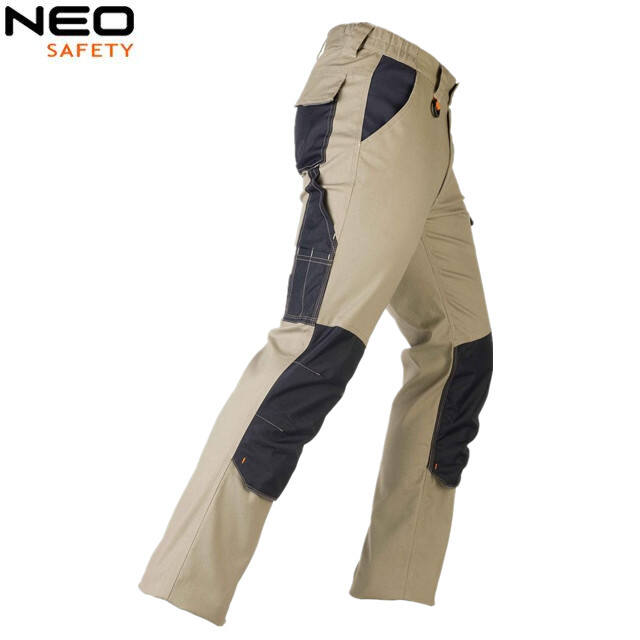
A megfelelő minőségű munkaruhák kiválasztása a munkahely számára gondosan megfontolandó számos tényezőt igényel, amelyek közvetlenül befolyásolják a dolgozók biztonságát, kényelmét és termelékenységét. Akár ipari gépészeket, akár építőipari munkásokat vagy gyártócsapatokat szeretne felszerelni, az alapvető jellemzők megértése, amelyek meghatározzák a kiváló minőségű munkaruhákat, döntő különbséget jelenthet az elegendő védelem és a kiváló teljesítmény között a kihívást jelentő munkakörnyezetekben.
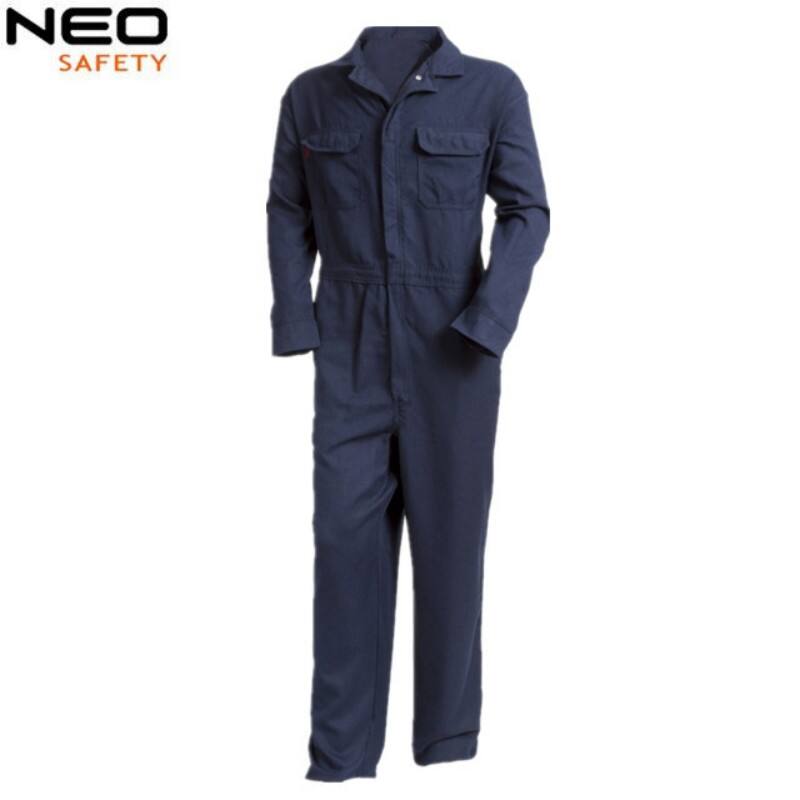
A modern munkahely olyan munkaruházatot igényel, amely túlmutat az alapvető testfedésen, és komplex védelmet nyújt, miközben fenntartja a tartósságot és a kényelmet hosszabb ideig tartó viselés során. A minőségi overallok a személyi védőeszközök rendszerének alapját képezik, ezért kiválasztásuk egy kritikus döntés, amely mind az azonnali biztonságra, mind a hosszú távú üzemeltetési költségekre hatással van. Ez a részletes útmutató bemutatja azokat az alapvető jellemzőket, amelyek megkülönböztetik a prémium overallokat a szokásos modellektől, segítve a beszerzési szakembereket és biztonsági vezetőket olyan megbízható döntések meghozatalában, amelyek nemcsak munkavállalóik védelmét szolgálják, hanem kiváló értéket is nyújtanak.
Anyagfelépítés és textiltechnológia
Fejlett textilösszetételek ipari alkalmazásokhoz
Egy minőségi munkaruházat alapja a textíliák szerkezete, ahol a modern textiltechnológia találkozik a gyakorlati munkahelyi igényekkel. A prémium munkaruházatok általában kevert anyagokból készülnek, amelyek természetes és szintetikus rostok kombinációját tartalmazzák az optimális teljesítményjellemzők eléréséhez. A pamut-poliészter keverékek továbbra is népszerűek légáteresztő képességük és kopásállóságuk miatt, míg a speciális szintetikus anyagok fokozott vegyszerállóságot és lángállóságot biztosítanak magas kockázatú környezetekben.
A minőségi munkaruházatok gyakran ripstop szövési technikát alkalmaznak, amely megakadályozza, hogy kisebb repedések nagyobb kárrá növekedjenek, így jelentősen meghosszabbítva a ruházat hasznos élettartamát. Az anyagsúly – négyzetyardonkénti uncia mértékegységben kifejezve – közvetlenül összefügg a tartóssággal és a védelem szintjével. A nehézüzemi alkalmazásokhoz általában 8–12 uncia/négyzetyard súlyú anyagok szükségesek, míg a könnyebb üzemi körülményekben 6–8 uncia/négyzetyard súlyú anyagok is elegendő védelmet nyújtanak.
A fejlett textíliák kezelése kulcsszerepet játszik a minőségi munkaruhák teljesítményének meghatározásában. A vízálló felületkezelések, a szennyeződés-eltávolító kezelések és az antimikrobiális bevonatok növelik a funkcionálitást, miközben megőrzik a textíliák lélegzési képességét. Ezeket a kezeléseket a gyártás során kell integrálni, nem pedig utólagos megoldásként alkalmazni, hogy biztosítsák a hosszú élettartamot és a ruházat teljes élettartama alatti egyenletes teljesítményt.
A tartóssági szabványok és a teljesítményre vonatkozó elvárások
A minőségi munkaruhák tartóssága nem csupán a textíliák szilárdságán túl terjed ki, hanem átfogó szerkezeti szabványokat is magában foglal, amelyek ellenállnak a munkahelyi igénybevételeknek. A megerősített terhelési pontok – például a térdtájék, a zsebek sarkai és a varratok kereszteződései – a gyártó hosszú távú teljesítményre való elköteleződését mutatják. A nagy szakítószilárdságú fonalból készült dupla varratok kiválóbb szilárdságot nyújtanak a szokásos egyszeres varratnál, különösen fontos ez a gyakori mozgásnak és intenzív használatnak kitett munkaruhák esetében.
A minőségi munkaruhák szigorú vizsgálati protokollokon mennek keresztül, amelyek értékelik a szakadási szilárdságot, a színállóságot és a méretstabilitást ismételt mosási ciklusok után. Ezek a teljesítménymutatók biztosítják, hogy a ruhák megőrizzék védő tulajdonságaikat és professzionális megjelenésüket az egész szolgálati idejük alatt. A prémium gyártók gyakran konkrét tartóssági garanciákat nyújtanak, amelyeket szabályozott vizsgálati adatok támasztanak alá, így átláthatóságot biztosítva segítik a vásárlókat az alapos összehasonlításban.
A teljesítményfokozó anyagok – például nyújtható panelok a magas mozgásképességet igénylő területeken – beépítése a durabilitást és a viselő kényelmét egyaránt figyelembe vevő, kifinomult tervezési gondolkodást tükröz. Minőségi munkaruhák ezeket a fejlett anyagokat stratégiai módon alkalmazzák a szerkezeti integritás megőrzése érdekében, miközben biztosítják a bonyolult munkafolyamatokhoz szükséges rugalmasságot.
Biztonsági funkciók és védőelemek
Személyi védőeszköz-integrációs rendszerek
A modern minőségi overallok a személyi védőfelszerelési rendszerek integrált elemeiként működnek, és olyan tervezési jellemzőket igényelnek, amelyek lehetővé teszik további biztonsági felszerelések viselését anélkül, hogy korlátoznák a mozgásszabadságot vagy a kényelmet. A biztonsági övek megerősített rögzítési pontjai, stratégiai helyen elhelyezett D-gyűrűk és beépített eszközhorpadások a biztonságra fókuszált, gondos tervezésre utalnak, és támogatják a bonyolult munkahelyi védelmi követelményeket.
A magas láthatóságú elemek számos ipari alkalmazásban elengedhetetlen funkciókká váltak; a minőségi overallok retroreflektív szalagrendszereket tartalmaznak, amelyek különféle megvilágítási körülmények között is biztosítják a láthatóságot. Ezeket a láthatóságot javító elemeket a ruházat tervezésébe kell beépíteni, nem pedig utólagos, külön hozzáadott elemként alkalmazni, hogy megfelelő ragasztásuk és hosszú távú teljesítményük biztosított legyen. A reflektív elemek elhelyezése és konfigurációja az elfogadott biztonsági szabványokat követi, miközben megőrzi az esztétikai vonzerejüket és professzionális megjelenésüket.
A minőségi munkaruhák vegyszerállósági tulajdonságai jelentősen eltérnek egymástól; a speciális anyagok és gátkezelések biztosítanak védelmet az adott munkahelyi veszélyek ellen. A munkakörnyezetben előforduló vegyszerekkel szembeni kompatibilitási követelmények megértése biztosítja, hogy a kiválasztott munkaruhák megfelelő védelmet nyújtsanak, anélkül, hogy felesleges költségekkel vagy teljesítménycsökkenéssel járnának. A minőségi gyártók részletes vegyszerkompatibilitási táblázatokat biztosítanak, amelyek segítenek a vásárlóknak a termék tulajdonságait a konkrét munkahelyi kockázatokhoz igazítani.
Ergonómikus tervezés és mozgás optimalizálása
A minőségi munkaruhák ergonómikus terve közvetlenül befolyásolja a munkavállalók termelékenységét és hosszú távú egészségi állapotát, ezért ezt a szempontot elengedhetetlen figyelembe venni a felelős beszerzési döntések meghozatalakor. Az ízületi tér kialakítása, a kiegészítő nadrágbélés és a céltudatosan elhelyezett nyújtható anyagok természetes mozgásmintákat tesznek lehetővé, miközben megőrzik a védőfedettséget. Ezek a tervezési elemek csökkentik a fáradtságot, és megakadályozzák a mozgáskorlátozásokat, amelyek veszélyeztethetik a biztonságot vagy a munka minőségét.
A minőségi munkaruhákba integrált szellőztető rendszerek hozzájárulnak a hőkomfort biztosításához hosszabb viselési időszakok alatt, különösen fontosak fizikailag igényes vagy magas hőmérsékletű környezetekben. A hálós zsebek, a karalján elhelyezett szellőztető panelok és a nedvességelszívó belső kezelések segítenek a testhőmérséklet szabályozásában, és csökkentik a hőterhelés kockázatát. Ezek a komfortfunkciók hozzájárulnak az általános biztonsághoz, mivel megelőzik a hőhatásra visszavezethető baleseteket, és fenntartják a munkavállalók ébrentségét az egész műszak során.
A minőségi munkaruhák illeszkedési és méretválasztéka különböző testalkatokhoz is alkalmazkodik, miközben egységes védelmi szabványokat tart fenn. A fejlett méretrendszerek – amelyek figyelembe veszik a törzs hosszát, a karfesztávolságot és a derék-csípő–belső lábhossz arányt – biztosítják a megfelelő illeszkedést a különféle munkavállalói csoportok számára. Az állítható elemek, például az övcsatok és a csuklózáró rendszerek lehetővé teszik a finomhangolást az optimális kényelem és védelem érdekében anélkül, hogy a ruházat szerkezeti integritását veszélyeztetnék.
Funkcionális tervezési elemek és munkahelyi hasznosság
Tárolási megoldások és eszközkezelés
A minőségi munkaruhák zsebek elrendezése és eszközök tárolására való képessége jelentősen befolyásolja a munkahelyi hatékonyságot és a munkavállalók elégedettségét. A stratégiai zsebelhelyezés – amely lehetővé teszi a könnyű hozzáférést anélkül, hogy akadályozná a mozgást vagy a biztonsági felszerelést – a munkahelyi dinamikák kifinomult megértését tükrözi. A megerősített zsebek építése, amelyeket stresszpontokon keresztül varrtak (bartack), hosszú távon biztosítja a tartósságot a nehéz ipari környezetekben jellemző intenzív használat mellett.
A modern minőségű overallok speciális tárolási megoldásokat tartalmaznak, amelyek a mai munkahelyi eszközöket és készülékeket is figyelembe veszik. A mobiltelefon-tasakok biztonságos zárórendszere, a tintafoltokat megelőző tolltartók, valamint a mérőeszközök számára külön kialakított rekeszek tükrözik a munkahelyi igények folyamatos változását. Ezeket a funkcionális elemeket zavarmentesen kell integrálni az overall teljes dizájnjába anélkül, hogy térfogatot vagy kötetet adnának a ruhának, illetve kárt tennének a ruházat professzionális megjelenésében.
A tárolóelemek hozzáférhetőségének és biztonságának egyensúlya a konkrét munkavégzési igények gondos figyelembevételét igényli. A minőségi overallok olyan tárolási megoldásokat kínálnak, amelyekkel a szükséges eszközök mindig kéznél vannak, miközben megakadályozzák azok elvesztését az aktív munkavégzés során. A biztonságos zárórendszerek – például a nagy terhelhetőségű cipzárok és a megerősített gombzárszerkezetek – megbízható működést garantálnak a ruházat teljes élettartama alatt.
Zárórendszerek és kezelésük kényelme
A minőségi munkaruhák zárórendszerei hatással vannak mind a kényelemre, mind a biztonságra, ezért erős felépítésű, megbízhatóan működő megoldásokra van szükség a munkahelyi körülmények között. A nagy terhelésnek kitett cipzárok védőfedelekkel megakadályozzák a szennyeződést, és akadálytalan működést biztosítanak hosszabb használat után is. A cipzár elhelyezése és kialakítása lehetővé teszi a gyors fel- és leöltözést, miközben biztos záródást nyújt az aktív munkavégzés idején.
Alternatív zárórendszerek – például gombos vagy velcro (ragasztófóliás) zárók – lehetőséget nyújtanak speciális munkahelyi igények vagy felhasználói preferenciák kielégítésére. A minőségi munkaruhák olyan záróelemeket tartalmaznak, amelyek ellenállnak a korróziónak, és fenntartják működési integritásukat ipari környezetben való expozíció esetén is. A megfelelő zárórendszer kiválasztása több tényezőtől függ, köztük a vegyi anyagokkal való érintkezés kockázata, a hőmérsékleti extrémumok és a ruházat cseréjének gyakorisága.
A vészhelyzeti eltávolítás szempontjai befolyásolják a zárószerkezetek tervezését a minőségi munkaruhákban, amelyeket magas kockázatú környezetekhez szántak. A széteső (breakaway) funkciók és gyorskioldó mechanizmusok lehetővé teszik a ruházat gyors eltávolítását szükség esetén, miközben normál üzemelés során biztosítják a megbízható rögzítést. Ezek a biztonságra fókuszáló tervezési elemek a gyártó által nyújtott, az alapvető védelem túlmutató, komplex munkahelyi védelmi követelmények iránti érzékenységet tükrözik.
Karbantartási igények és hosszú távú érték
Ápolási utasítások és tisztítási protokollok
A minőségi munkaruhák karbantartási igényei közvetlenül befolyásolják a teljes tulajdonlási költséget és a hosszú távú értékajánlatot. A ipari mosáshoz tervezett prémium munkaruhák százakon át tartó mosási ciklusok során is megőrzik védő tulajdonságaikat és megjelenésüket, míg az alacsonyabb minőségű termékek gyorsan leromlanak a kereskedelmi tisztítási körülmények között. A konkrét ápolási követelmények megértése biztosítja a maximális teljesítményt, és megelőzi a korai cserékkel járó költségeket.
A minőségi munkaruhák általában fényálló festékekkel és a kopás- és foltodás-ellenes kezelésekkel készülnek, amelyek a teljes élettartamuk során megőrzik színüket és tisztaságukat. Az a képesség, hogy professzionális megjelenést tudnak fenntartani ismételt mosási ciklusok után is, a felsőbb szintű gyártási minőséget és a hosszú távú teljesítményjellemzőkre való figyelmet tükrözi. A szennyeződés-eltávolító kezelések és foltálló felületkezelések javítják a tisztíthatóságot, miközben csökkentik a karbantartási költségeket és meghosszabbítják a hasznos élettartamot.
A minőségi munkaruhák különféle tisztítási módszerekkel és vegyszerekkel való kompatibilitása rugalmasságot biztosít a különböző karbantartási megközelítésekhez. Egyes alkalmazások speciális tisztítási eljárásokat igényelnek bizonyos szennyeződések eltávolításához vagy védőkezelések megőrzéséhez, ezért a vegyszerkompatibilitás fontos kiválasztási szempont. A minőségi gyártók részletes gondozási útmutatókat nyújtanak, amelyek optimalizálják a teljesítményt, miközben megakadályozzák a nem megfelelő tisztítási módszerek okozta károsodást.
Költségelemzés és megtérülési ráta
A minőségi munkaruhák igazi értéke a kezdeti vásárlási áron túlmutat, és magában foglalja a teljes tulajdonlási költséget, beleértve a cserék gyakoriságát, a karbantartási költségeket és a termelékenységre gyakorolt hatásokat. A prémium minőségű munkaruhák, amelyek hosszabb élettartamot és folyamatosan magas szintű teljesítményt nyújtanak, gyakran jobb értéket kínálnak az alacsonyabb árú alternatíváknál, amelyeket gyakran kell cserélni, vagy amelyek veszélyeztetik a dolgozók biztonságát és kényelmét.
A minőségi munkaruhák csökkentik a munkahelyi sérülések gyakoriságát a kiváló védelemmel és kényelemmel, amelyek elősegítik a megfelelő viselés betartását. Az javult biztonsági mutatókhoz, a csökkent munkavállalói kártérítési igényekhez és a növekedett termelékenységhez kapcsolódó költségmegtakarítás gyakran indokolja a prémium minőségű védőruházatba történő beruházást. Ezeket a közvetett előnyöket be kell vonni a munkaruházati lehetőségek értékelésekor készített átfogó költség-haszon elemzésekbe.
A minőségi munkaruhák kiválasztásának szabványosítási előnyei a megbízható gyártóktól az egységes méretek, a megbízható ellátási láncok és a folyamatos terméktámogatás biztosítása. Ezek a működési előnyök csökkentik a adminisztrációs költségeket, és biztosítják a védőszintek egységes fenntartását különböző munkahelyeken. A minőségi gyártók gyakran egyedi megoldásokat is kínálnak, amelyek erősítik a márkaidentitást, miközben megőrzik a lényeges védőtulajdonságokat.
GYIK
Hogyan határozom meg a megfelelő anyagsúlyt a konkrét munkakörnyezetemhez?
A textíliatömeg kiválasztása a munkahely specifikus veszélyeitől és a tartósságra vonatkozó követelményektől függ. Könnyű ipari környezetekben, például raktárakban vagy könnyű szerelési munkáknál általában 6–8 uncia súlyú textíliák szükségesek, míg nehézipari alkalmazásoknál – például hegesztés, építőipar vagy vegyipari feldolgozás esetén – 9–12 uncia súlyú textíliák ajánlottak. A minőségi munkaruhákhoz megfelelő textíliatömeg kiválasztásakor figyelembe kell venni az elhasználódási kockázatot, a vegyi anyagokkal való érintkezés veszélyét és az égésveszélyt.
Milyen biztonsági tanúsítványokra kell figyelni ipari munkaruhák vásárlásakor?
Keressen megfelelő biztonsági tanúsításokat a munkahelyi kockázatok alapján, például az NFPA-szabványokat a lángállóságra, az ANSI/ISEA-szabványokat a nagy láthatóságú alkalmazásokra és az ASTM-szabványokat a vegyi anyagok elleni védelemre. A minőségi overallokon egyértelmű tanúsítási címkéknek kell szerepelniük, és dokumentációt kell nyújtaniuk a megfelelési vizsgálatokról. Győződjön meg arról, hogy a tanúsítások összhangban vannak a konkrét kockázatértékelési követelményeivel, és hogy a ruhák a teljes élettartamuk során fenntartják a tanúsítási megfelelést.
Hogyan biztosíthatom a megfelelő illeszkedést, ha overallokat rendelek különböző munkavállalói csoportok számára?
A minőségi munkaruhák gyártói általában részletes mérettáblázatokat biztosítanak, amelyek tartalmazzák a mellkas, derék, belső lábhossz és ujjhossz méreteit. Fontolja meg a próbaméretek rendelését a illeszkedés tesztelésére nagyobb megrendelések leadása előtt, és keressen olyan gyártókat, akik kibővített méretválasztékot vagy egyedi átalakítási lehetőséget kínálnak. Számos minőségi munkaruhában beállítható elemek – például derékpántok és csuklóállítások – találhatók, amelyek lehetővé teszik az egyéni illeszkedési igények kielégítését anélkül, hogy kompromisszumot kellene kötni a védőtulajdonságokkal.
Milyen karbantartási gyakorlatok hosszabbítják meg a minőségi munkaruhák élettartamát, miközben megőrzik védő tulajdonságaikat?
Kövesse pontosan a gyártó által megadott gondozási utasításokat, beleértve a vízhőmérsékletre vonatkozó korlátozásokat, a mosószer típusát és a szárítási módszereket. Rendszeresen ellenőrizze a minőségi munkaruhákat a kopás vagy károsodás jeleire, amelyek csökkenthetik a védőhatást, és cserélje ki a ruhákat, ha a védőkezelések romlásának jelei mutatkoznak. Használjon megfelelő folteltávolítási technikákat a konkrét szennyező anyagokra, és kerülje a fehérítők és textilpukkasztók alkalmazását, mivel azok károsíthatják a védőkezeléseket vagy a ruhák szilárdságát.
Tartalomjegyzék
- Anyagfelépítés és textiltechnológia
- Biztonsági funkciók és védőelemek
- Funkcionális tervezési elemek és munkahelyi hasznosság
- Karbantartási igények és hosszú távú érték
-
GYIK
- Hogyan határozom meg a megfelelő anyagsúlyt a konkrét munkakörnyezetemhez?
- Milyen biztonsági tanúsítványokra kell figyelni ipari munkaruhák vásárlásakor?
- Hogyan biztosíthatom a megfelelő illeszkedést, ha overallokat rendelek különböző munkavállalói csoportok számára?
- Milyen karbantartási gyakorlatok hosszabbítják meg a minőségi munkaruhák élettartamát, miközben megőrzik védő tulajdonságaikat?