 EN
EN
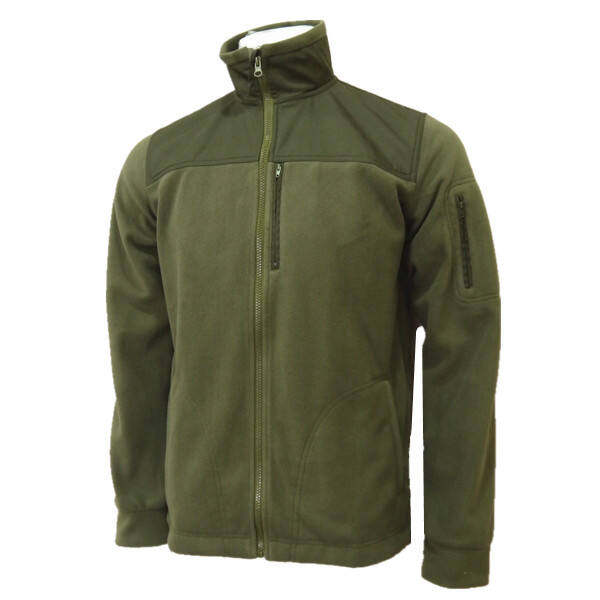
סביבות עבודה תעשייתיות וחיצוניות דורשות לבוש מגן מיוחד שיכול לעמוד בתנאים קיצוניים תוך כדי שמספק מקסימום יכולת תפעול. חליפות עבודה התגלו כבגדים חיוניים עבור מקצוענים מתחומים שונים, ומציעות שילוב מושלם של הגנה, תועלת ונוחות. פריטי הלבוש הווירטואליים הללו מעוצבים כדי לעמוד בדרישות הקשות של אתרים בנייה, מחסנים, מתקני ייצור ופרויקטים חיצוניים, בהם עמידות ותועלתיות הן בעלות חשיבות עליונה.
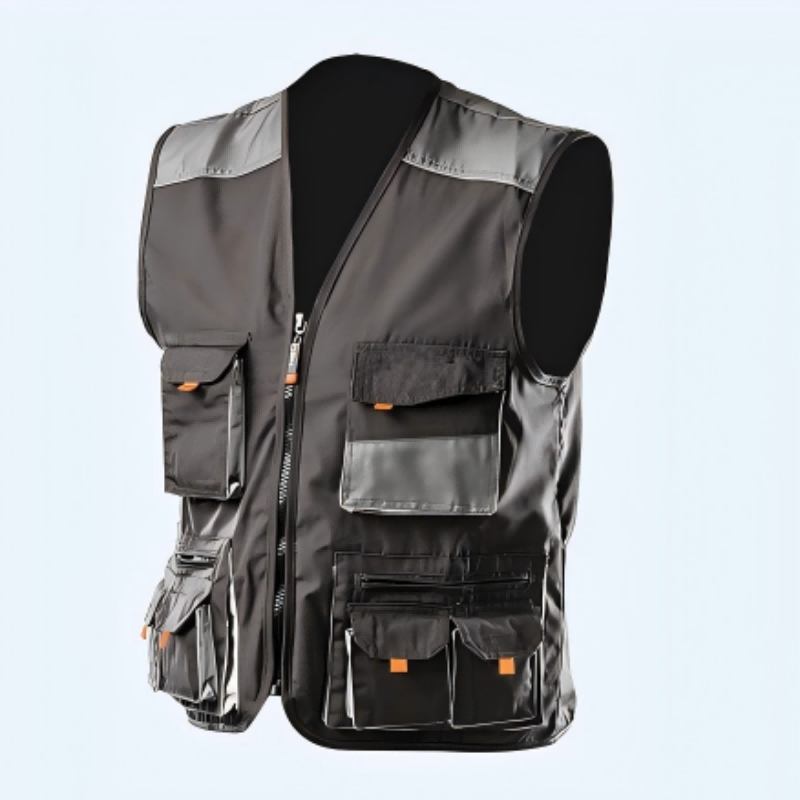
התפתחות הביגוד המקצועי להגנה הובילה לשיפורים משמעותיים בעיצוב של חליפות, הכוללת חומרים מתקדמים ותכונות חדשניות שפונות לאתגרים ספציפיים במקום העבודה. חליפות תעשייתיות מודרניות משלבות מלאכה מסורתית עם טכנולוגיה מתקדמת כדי לספק ביצועים גבוהים בסביבות קשות. ההבנה של התכונות המרכזיות שהופכות את הבגדים הללו למתאימים לשימוש מקצועי עוזרת לעובדים ולמעסיקים לקבל החלטות מושכלות בעת בחירת לבוש מגן מתאים.
תכונות חומר חיוניות ליישומים תעשייתיים
בנייה מקanvas ומחומר עמיד
הבסיס של כלベスト עבודה אמין נמצא במבנה הבד, כאשר בד קנבס הוא החומר המועדף לשימושים תעשייתיים. קנבס מציע עמידות יוצאת דופן בזכות מבנה האורג הצפוף שלו, שמספק התנגדותagainst קריעות, פריצות ושחיקה כללית. בד עשיר זה שומר על שלמותו גם כשעומד בפני משטחים מחוספסים, עצמים חדים ומחזורי כביסה חוזרים שהם שכיחים בסביבות תעשייתיות.
ベスト 작업 באיכות גבוהה משתמשים בקנבס כבד שמשקלו נע בין 10 ל-16 אונקיות למטר מרובע, מה שמבטיח הגנה מספקת מפני סיכונים במקום העבודה. נושמתיות טבעית של הבד מאפשרת זרימה של אוויר תוך שמירה על תכונות ההגנה, ולכן הוא מתאים לשימוש ממושך בתנאי טמפרטורה שונים. בנוסף, לקנבס יש נטייה לפתח עם הזמן רקמה רכה יותר מבלי להקריב את תכונות ההגנה שלו, מה שמשפר את הנוחות לאורך זמן למשתמש.
תכונות עמידות בכימיקלים ובלכלוך
סביבות תעשייתיות כוללות לעתים קרובות חשיפה למגוון כימיקלים, שמנים וחומרים מוכתמים העלולים לפגוע בבגדים רגילים. חליפות מקצועיות ベストים מקצועיים כוללות טיפולים וקליפות מיוחדים שמספקים עמידות נגד מזון תעשייתי נפוץ. תכונות ההגנה הללו מבטיחות שהאפודה תשמור על מראהה ועל פעילותה גם לאחר חשיפה לחומרים אגרסיביים.
טיפולים מתקדמים בבד יוצרים מחסום שמונע מהנוזלים להחדור לחומר, תוך שמירה על יכולתו לשחרר אדי מים מהפנים החוצה. טכנולוגיה זו היא בעלת ערך מיוחד ביישומים בתחום הרכב, ייצור ושימור, בהם עובדים נתקלים באופן קבוע בשמנים, מpelטים וחומרים תעשייתיים אחרים. התכונות המונעות כתמים מקטינות גם את דרישות התפעול ומארכות משמעותית את חיי השימוש של הבגד.
אלמנטים עיצוביים פונקציונליים ופתרונות אחסון
מערכות תצורת כיס מרובה
המיקום האסטרטגי של הכיסים והעיצוב שלהם מייצגים אחד מהיבטים הפונקציונליים החשובים ביותר של חליפות עבודה תעסוקתיות. חליפות מקצועיות כוללות תצורות כיסים מרובות שתוכננו כדי להכיל כלים, מכשירים וחפצים אישיים שונים לעובדים שזקוקים לגישה מהירה אליהם במהלך עבודתם. הכיסים מחוזקים בנקודות מתח כדי למנוע קריעה בעת הטענה בכלים כבדים או ציוד.
עיצובי חליפות מודרניים כוללים כיסים מיוחדים לרכיבים ספציפיים כגון סמרטפונים, טאבלטים, מכשירי מדידה וכלי כתיבה. גודל הכיסים מחושב בקפידה כדי להחזיק כלים סטנדרטיים בצורה בטוחה, תוך מתן אפשרות להוצאה קלה בעת הצורך. תכונות ארגון פנימיות, כגון מחזיקי עטים ותאים קטנים, עוזרות לעובדים לשמור על יעילות על ידי שמירה על סדר של חפצים חיוניים וזמינות קלה להם במהלך יום העבודה.
נקודות חיזוק והפצת מתח
אזורים של ביגוד עבודה הנוטים לשחיקה גבוהה דורשים חיזוק נוסף כדי לעמוד בלחצים ובתנועה המתמדים הקשורים לעבודה פיזית.ベストים מקצועיים כוללים תפרים מחוזקים בפינות הכיסים, תפירות הכתפיים ואזורי החורים לזרועות, שם מתרחשים הלחצים הגדולים ביותר במהלך שימוש רגיל. טכניקות תפירה כפולה או משולשת באמצעות חוט עבה מבטיחות שנקודות החיבור הקריטיות הללו ישארו שלמות גם בתנאים קיצוניים.
הצבת אבזמי חיזוק במקום אסטרטגי בנקודות המגע עוזרת להפיץ את הלחץ על פני שטח גדול יותר, וכך מונעת כשל מוקדם. אלמנטים אלה חשובים במיוחד לעובדים העוסקים לעיתים קרובות בקימור, מתיחה או נשיאת משאות כבדים כחלק מהאחריות היומיות שלהם. החיזוק כולל גם את נקודות ההרכבה של הכיסים, כדי להבטיח שכיסים מלאים לא יגרמו נזק מבני לבגד.
שקולים של נוחות ותאימות ללבישה ממושכת
통8ר וניהול טמפרטורה
راحت בתקופות שימוש ממושכות היא קריטית ליעילות ולבטיחות של העובדים, ולכן תכונות שיאור מתקררים הן רכיב חיוני שלベストים איכותיים. פתחי שיאור הממוקמים בצורה אסטרטגית, לוחות חומר נושם וטיפולים שמאגדים לחות עוזרים לרגול את טמפרטורת הגוף ולמנוע חום יתר במהלך פעילויות קשות. תכונות אלו חשובות במיוחד לעובדים בחוץ, העומדים בפני תנאים מזג אוויר משתנים במהלך דרכם.
מערכות שיאור מתקדמות עשויות לכלול אזורי סריג מתחת לזרועות, לוחות מחוררים לאורך הגב או פתחי שיאור עם רוכסנים שניתן לפתוח או לסגור בהתאם לתנאי הסביבה. שילוב התכונות הללו שומר על תכונות ההגנה של הבסט תוך שיפור משמעותי של הנוחות למשתמש. ניהול נכון של הטמפרטורה מקטין גם את העייפות ועוזר לעובדים לשמור על ריכוז במשימות הקריטיות לבטיחות.
גודל ניתן להתאמה ועיצוב ארגונומי
ベストים מקצועיים חייבים להתאים לעובדים מסוגי גופים שונים תוך שמירה על התאמה מתאימה ופונקציונליות לאורך טווח של גודלים שונים. פאנלים צדדיים ניתנים למתיחה, תוספות אלסטיות ואפשרויות סגירה מרובות מאפשרים התאמה מדויקת שמבטיחה נוחות ללא הגבלת תנועה. העיצוב הארגונומי מתחשב בטווח הטבעי של תנועה הנדרש לביצוע משימות נפוצות במקום העבודה.
התאמה נכונה היא חיונית לא רק לנוחות אלא גם לבטיחות, שכן בגדי שינה רופים עלולים ליצור סיכונים סביב מכונות או במרחבים חסומים. מצד שני,ベストים הדוקים מדי עלולים להגביל תנועה ולהתיש רציף במהלך שימוש ממושך.ベストים איכותיים יוצרים את האיזון המיטבי באמצעות עיצוב מחושב ותכונות ניתנות להתאמה שמותאמות להעדפות אישיות וצורות גוף, תוך שמירה על מראה מקצועי ופונקציונליות.
תכונות בטיחות ושיפורים בהזיהות
אלמנטים רפלקטיביים ואפשרויות עם ראות גבוהה
הגברת הנראות היא תכונה קריטית של ביטחון לחיילי עבודה המשמשים בסביבות חיצוניות ותעשייתיות, בהן עובדים עלולים להיחשף לתנועת כלי רכב או לתנאי אור חלשים. סרטים רetro-otch'im, צבעים נראים מרחוק וסידור אסטרטגי של אלמנטים רetro-otch'im עוזרים להבטיח שהעובדים יישארו נראים לבעלי הפעלה של ציוד ולנהגי כלי רכב. תכונות אלו מוטלות לעיתים קרובות על ידי תקנות בטיחות בתחום הבנייה ותפעול הדרכים.
המיקום ואיכות החומרים הretro-otch'im משפיעים משמעותית על היעילות שלהם. חליפות עבודה מקצועיות כוללות סרט retro-otch' המקיים את תקני התעשייה brightness ועמידות. הסרט ממוקם כך שיצירת דמות אנושית מזוהה כאשר מואר, ועוזר לצופים לזהות במהירות את נוכחותם וכיוונם של עובדים באזורים מסוכנים. חלק מהחליפות כוללות גם מערכות תאורה LED להגברת הנראות בתנאי אור חלשים במיוחד.
מערכות הגנה וריפוד מפני פגיעה
יישומים תעשייתיים מסוימים דורשים הגנה מוגברת מפני סיכוני הצלבה, מה שמוביל לפיתוח חליפות עבודה עם ריפוד משולב או מערכות שריון. אלמנטים מגינים אלו ממוקמים אסטרטגית מעל אזורים חיוניים כגון החזה, הגב והכתפיים, כדי לספוג ולפזר כוחות תקיפה. חומרי הריפוד מעוצבים כך שיראו גמישים ונוחים במהלך פעילויות רגילות, תוך כדי שהם מספקים הגנה כאשר יש צורך.
מערכות הגנה מודרניות מערבות חומרי קצף מתקדמים וטכנולוגיות ספיגת זעזועים שמספקות הגנה מעולה מבלי להוסיף נפח או משקל מופרז. שילוב האלמנטים המגנים מתבצע בצורה חלקה בתוך עיצוב החֶלֶק, ומשמר על המראה המקצועי של הבגד תוך שיפור הבטיחות של העובד. תכונה זו היא חשובה במיוחד בסביבות שבהן עצמים נופלים או מגע עם ציוד יוצר סיכונים משמעותיים.
תקני תחזוקה ועמידות
דרישות שטיפה ואחרות
ベストים תעשייתיים חייבים לעמוד בבקרת שטיפה וניקיון מרובות תוך שמירה על תכונות ההגנה והמראה המקצועיים שלהם.ベストים איכותיים מעוצבים עם צבעים עמידים ובדים מוקדמים מראש שמתנגדים לעידוש ולשינויים ממדיים במהלך כביסה. דרישות הטיפול הן בדרך כלל פשוטות, מה שמאפשר תחזוקה קלה במרכולות כביסה או בכיבוס בית.
טיפולים מיוחדים וסיומות בד מעוצבים כדי לשמור על יעילותם לאורך מחזורי כביסה רבים, ומבטיחים שתכונות ההגנה לא יחלישו עקב ניקיון רגיל. רכיבי החומרה, כגון רוכסנים, לחיצים ופלטתים, נבחרים בשל עמידותם בפני קורוזיה ובשל עמידותם בסביבות כביסה. הוראות טיפול מתאימות עוזרות להאריך את אורך החיים שלベストים עבודה, תוך שמירה על תקני התפקוד והמראה הנדרשים בסביבות מקצועיות.
אורך חיים צפוי ומחוונים להחלפה
הכרת תוחלת החיים הרצויה שלベストים תעסוקתיים עוזרת לארגונים לתכנן את התקציב להחלפה ולשמור על תקנים של ביטחון.ベストים תעשייתיים איכותיים מעוצבים לספק שירות מהימן לתקופות ארוכות בתנאי שימוש רגילים. עם זאת, גורמים כגון תדירות השימוש, קשיות סביבת העבודה ושיטות הטיפול משפיעים משמעותית על תוחלת החיים בפועל.
קריטריוני בדיקה ויזואלית עוזרים לקבוע מתי יש להחליףベストים תעסוקתיים כדי לשמור על ביטחון ותקנים מקצועיים. סימנים של בلى מוגזם, תכונות מגן פגומות או שלמות מבנית מושחתת מצביעים על צורך בהחלפה. תכניות בדיקה שגרתיות מבטיחות שעובדים תמיד מצויידים בגזרות מגן תקניות המ cumplות דרישות ביטחון נוכחיות ומשמרות תקן מראה מקצועי.
שאלות נפוצות
מה הופך אתベストים מבד קנבס מתאים יותר לשימוש תעשייתי לעומת חומרים אחרים
ベストים עמידים מבד קanvas מציעים עמידות מרשימה בזכות תיאוריה צפופה ומבנה בד כבד, שמת varying מ-10 עד 16 אונקיות ליארד רבוע. חומר זה מספק עמידות מעולה בפני קריעות, דקירות וחיכוך, תוך שמירה על נחישות נשימה במהלך שימוש ממושך. עם הזמן, הבד מתרך ונהיה נעים יותר למשוש, מבלי לאבד את תכונות ההגנה שלו, מה שהופך אותו לאידיאלי לסביבות תעשייתיות קשות, בהן חשובות גם עמידות וגם נוחות.
כמה כיסים אמורים להיות בベスト מקצועי לצורך תפקוד אופטימלי
מספר הכיסים האופטימלי משתנה בהתאם לדרישות העבודה הספציפיות, אך מרביתベストים מקצועיים כוללים בין 6 ל-12 כיסים הממוקמים בצורה אסטרטגית ובגדלים שונים. העיקרון הוא שילוב נכון של סוגי כיסים, כולל כיסים על החזה לאובייקטים שנגישים לעיתים קרובות, כיסים צידיים לכלי עבודה גדולים יותר וכיסים מיוחדים להתקנים כמו טלפונים חכמים או מכשירי מדידה. איכות חשובה יותר מכמות, ובניית עמידה עם גודל מתאים היא קריטית.
באילו תעודות בטיחות אמוריםベストים תעשייתיים לעמוד
ベストים תעשייתיים חייבים לעמוד בתקני OSHA הרלוונטיים ובמבחני ANSI/ISEA לביגוד בטיחות עם ראות גבוהה, כאשר מחייבת סביבת העבודה. בסביבות הדורשות ראות מוגברת, על הבסטים לעמוד בתקן ANSI/ISEA 107, קלאס 2 או קלאס 3, בהתאם לרמת הסיכון. בנוסף, כל תכונות הגנה מיוחדות חייבות לעמוד בתקני התעשייה הספציפיים, כגון דירוגי עמידות באש או אישורי הגנה מפגיעה, בהתאם לסיכונים הקיימים במקום העבודה.
באיזו תדירות יש להחליףベストים בסביבות תעשייתיות
תדירות החלפתベスト עבודה תלויה בעומס השימוש ובתנאי הסביבה בעבודה, אך בדרך כלל נע בין 6 חודשים לשנתיים לשימוש תעשייתי רגיל. יש לבצע בדיקה ויזואלית אחת לחודש כדי לבדוק סימני שחיקה כגון תפרים קצוצים, כיסים פגומים, חומרי שיקוף מפולשים או חוסר שלמות בבד. יש להחליף מיידית כאשר תכונות הבטיחות כמו סרט שיקוף נפגעות או כאשר שלמות המבנה מושחתות, ללא קשר לגיל הבד או להופעה החיצונית שלו.