 EN
EN

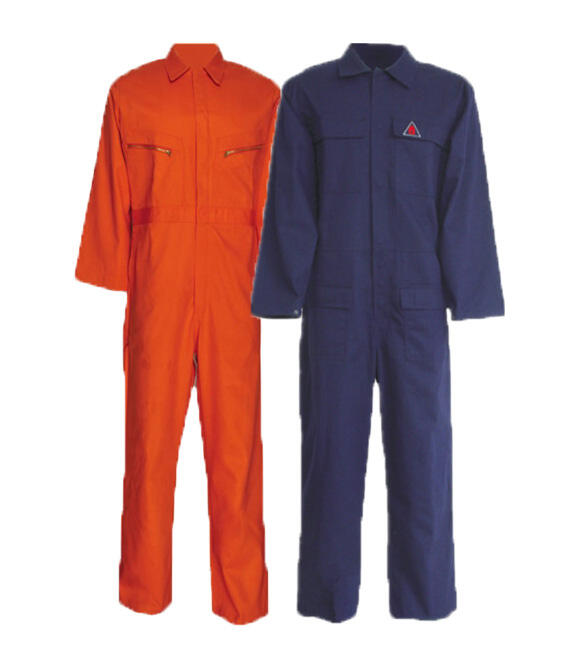
Изборот на соодветните комбинезони бара внимателно разгледување на повеќе фактори кои директно влијаат како врз вашето удобство во текот на долгите работни часови, така и врз вашиот професионален изглед. Дали работите во производството, поправката на возила, градежништвото или која било друга индустријална средина, комбинезоните што ги изберете стануваат продолжение на вашата професионална идентичност, додека истовремено служат како критично заштитно облекло. Разбирањето на клучните фактори за избор осигурува дека ќе инвестирате во работна облека која ќе го подобри како вашето работно достигнување, така и вашето самочувство на работното место.
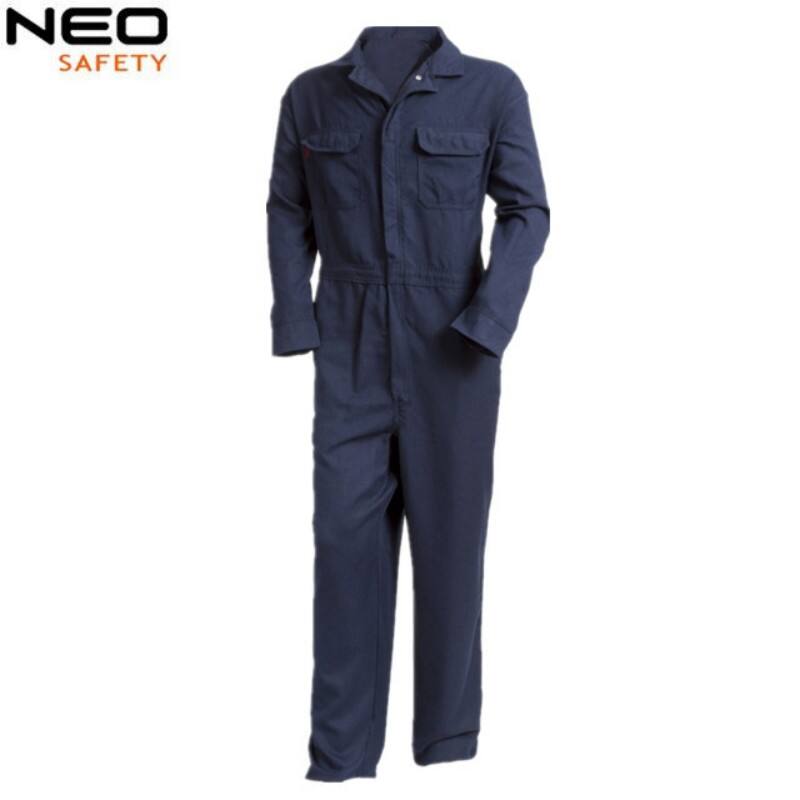
Современото работно место бара комбинезони кои го балансираат функционалноста со визуелниот апел, создавајќи професионален имидж додека нудат практични предности. Квалитетните комбинезони служат како мобилни решенија за складирање, заштитни бариери и системи за удобност кои се прилагодуваат на специфичната работна средина. Кога ќе го максимизирате и удобноста и стилот во процесот на избор, вие вложувате во работна облека која ја поддржува продуктивноста, безбедноста и професионалната презентација низ тешките работни денови.
Квалитет на ткаенината и технологија на материјалите
Разбирање на составот на ткаенината за максимална удобност
Основата на удобните комбинезони лежи во изборот на ткаенина, каде што составот на материјалот директно влијае врз способноста за дишење, издржливоста и флексибилноста на движењето. Мешавините од памук и полиестер обично нудат идеален баланс за повеќето индустријални примени, осигурувајќи природен комфор од памучните влакна, додека синтетичките компоненти ги зголемуваат јачината и отпорноста кон набирање. Висококвалитетните комбинезони често содржат 65% памук и 35% полиестер, што овозможува добар проток на воздух во текот на физичкиот труд, а истовремено го задржува професионалниот изглед и по повторени циклуси на перење.
Напредните технологии за ткаенина го подобруваат удобството преку својствата за отстранување на влагата кои ја одведуваат потната течност од вашата кожа, така што останувате суви во текот на интензивните работни периоди. Некои премиум комбинезони содржат еластични влакна или смеси со еластан кои обезбедуваат дополнителна флексибилност без компромис со издржливоста. Овие технолошки подобрувања осигуруваат дека вашите комбинезони се движеат заедно со вашето тело наместо да го ограничуваат природното движење, што го намалува уморот и го подобрува работното ефикасност во текот на долгите смени.
Тежината има клучна улога за удобството, каде што ткаенините со средна тежина обично нудат најдобар баланс помеѓу заштита и проветруваност. Леките комбинезони може првично да се чинат удобни, но често им недостасува издржливоста потребна за захтевните работни средини. Ткаенините со голема тежина обезбедуваат одлична заштита, но може да станат неудобни во топли услови или при физички захтевни задачи, поради што опциите со средна тежина се предпочтени за повеќето примени.
Фактори на издржливост што влијаат врз долготрајната вредност
Квалитетот на изградбата одлучува дали вашите комбинезони ќе го задржат удобноста и изгледот во текот на месеци или години редовна употреба. Појачани точки на напрегнатост, вклучувајќи ги колената, аглите наџеповите и пресекот на шевовите, спречуваат прерано носење кое би можело да компромитира како функционалноста, така и професионалниот изглед. Квалитетните комбинезони имаат двојни шевови кои издържуваат повторливо перење и физичките барања на индустријските работни средини.
Технологијата за постојаност на бојата осигурува дека вашите комбинезони ќе го задржат професионалниот изглед и при изложување на индустријски средини и чести циклуси на чистење. Третманите отпорни на избледнување спречуваат изгледот на измитост кој може да направи дори добро одржувани комбинезони да изгледаат непрофесионално. Ова внимание кон трајниот изглед директно го потпира стилскиот аспект од вашите критериуми за избор, додека се одржуваат предностите од удобноста на добро прилегнатата и правилно функционирачка работна облека.
Квалитетот на конецот и шивките значително влијае врз трајноста и удобноста, при што премиум комбинезоните се изработени со специјален конец кој отпорен е на прекинување под напрегнатост, но останува доволно флексибилен за да не предизвика стегање при движење. Зачврстувањата со бартак (bartack) на критичните точки на напрегнатост обезбедуваат дополнителна јачина без создавање непријатни, жестоки области кои можат да предизвикаат дразнење или да ограничат движење во текот на работните активности.
Соодветност и соодветност на големината
Постигнување оптимално седење за подобрување на удобноста
Правилното седење ги претвора комбинезоните од основна работна облека во удобни и функционални дрехи кои го потпомагаат, а не попречуваат вашето работно достигнување. Идеалното седење овозможува целосен опсег на движење, додека задржува професионален силует, избегнувајќи како ограничувањето од притесните дрехи, така и непрофесионалниот изглед на прекумерно големата работна облека. Квалитетните комбинезони се прилагодени за природното движење на телото при виткање, допирање и лажење — активности кои често се среќаваат во индустриски средини.
Мерките на градите и крста обезбедуваат основа за соодветна големина, но ширината на рамената и должината на торзото значително влијаат врз општиот комфор и изглед. комбинезони со прилагодливи карактеристики се приспособуваат на индивидуалните разлики во телесната градежба, додека се одржува конзистентен професионален изглед кај различни типови на телесна градежба. Прилагодливи јамчиња на крстот, еластични панели на грбната страна или механизми за прилагодување на страничните делови нудат можност за персонализација што го подобрува како комфорот, така и прецизноста на фитувањето.
Должината на ракавите и мерките на ногите бараат внимателно следење за да се спречат безбедносни ризици, додека се одржува комфорот при продолжено носење. Соодветно фитирани ракави овозможуваат целосно протегање на рацете без да се издигнат нагоре или да создадат лабава ткаенина што може да се заплете во опремата. Должината на ногавиците треба да се приспособи според вашите предпочитани работни чевли, додека се спречува излишната ткаенина што може да предизвика ризик од заплетнување или проблеми со професионалниот изглед.
Елементи на стилот што ги одредуваат професионалните стандарди
Современите комбинезони вклучуваат стилски елементи кои го одржуваат професионалниот изглед, додека истовремено обезбедуваат практична функционалност. Чистите линии, соодветното сместување наџаци и квалитетната опрема придонесуваат за извонреден изглед кој ги исполнува стандардите за облека на работното место, а истовремено обезбедуваат корисноста потребна за индустриски работи. Изборот на боја влијае како на стилот, така и на практичноста, при што потемните бои често подобро ги кријат петната, додека посветлите бои можат да обезбедат подобра видливост во одредени работни средини.
Квалитетот на опремата влијае како на изгледот, така и на функционалноста, при што премиум цип-овите, копчињата и катарамите остануваат во глатка работа и истовремено придонесуваат за професионален естетски изглед. Тамната или пластичната опрема може да направи и комбинезони со совршена посадка да изгледаат евтини, додека квалитетните метални компоненти ја зголемуваат трајноста и визуелната привлечност. Овие детали значително влијаат на општото впечаток што вашата работна облека го прави во професионални средини.
Дизајнот на сенката влијае како на удобноста, така и на професионалниот изглед, со современи кројови кои го избегнуваат високото и непривлечното изгледање на традиционалната работна облека, при тоа задржувајќи ја покриеноста и заштитата потребни за индустријални примени. Стеснатите ногавици, прилепнатите крстови и соодветните линии на рамената создаваат професионален силует кој ја подобрува, а не ја намалува вашата присутност на работното место.
Функционални карактеристики и дизајнерски елементи
Конфигурација наџаци за максимална употребност
Стратегиското поставување на џаките трансформира комбинезоните од едноставна заштитна облека во комплексни системи за носење на алатки кои го зголемуваат работниот ефикасност. Џаките на градите, со големина погодна за смартфони, моливи и мали мерни алатки, ги држат често користените предмети лесно достапни без да ја ометуваат подвижноста на рацете или професионалниот изглед. Страничните џаки треба да овозможуваат удобно ставање на рацете, истовремено осигурувајќи безбедно складирање на поголеми предмети како работни ракавици или мали алатки.
Специјализираните џебови го подобруваат функционалноста без компромис со стилот, вклучувајќи ја и можноста за ставање на моливи, петли за алатки и појачани агли кои спречуваат расцепување под тежината на носените предмети. Некои квалитетни комбинезони имаат скриени безбедносни џебови за лични предмети или картички за пристап до компанија, што ги одржува безбедноста, но и чистите надворешни линии. Овие продумани дизајнерски елементи покажуваат внимание кон вистинските работни барања, додека се одржува професионален изглед.
Длабочината и ширината на џебовите влијаат како на функционалноста, така и на изгледот; соодветно димензионираните џебови спречуваат падање на предметите во текот на работните активности, а истовремено избегнуваат громоздлив изглед што може да го предизвикаат прекумерно големите џебови. Квалитетните комбинезони балансираат меѓу капацитетот за складирање и стилските аспекти, осигурувајќи дека можете да носите неопходни работни предмети без компромис со вашиот професионален изглед или создавање на безбедносни ризици поради преполнети џебови.
Системи за затворање и пристапни функции
Квалитетот и поставувањето на цип-затворите значително влијаат врз удобноста и погодноста, при што цип-затворите со целосна должина на предната страна овозможуваат лесно облекување и свлекување, додека се одржува безбедно затворање во текот на работните активности. Цип-затворите YKK или еквивалентен квалитет не се заклучуваат и овозможуваат глатка работа дури и по продолжена употреба и повторни чистења. Некои комбинезони имаат двонасочни цип-затвори кои овозможуваат отворање на долниот дел за зголемена подвижност при работа во седечка позиција.
Поправките со копчиња и притисни копчиња спречуваат неуспех на затворите, додека се одржува професионален изглед; покриените или скриените затвори често нудат почисти линии отколку отворената метална опрема. Еластичните вметнати делови на крстот или регулирачките јазлички се прилагодуваат на природните промени на телото низ денот, додека се одржува последователна обеска и професионален изглед. Овие карактеристики го подобруваат удобноста без жртвување на структурираниот изглед потребен во многу работни средини.
Вентилационите функции вградени во системите за затворање обезбедуваат дополнителни предности за удобност, со ципови под мишките или вентилации на грбот кои се отвораат дискретно за подобрување на воздушниот проток во топли услови или при физички напорен работен процес. Овие функции го одржуваат професионалниот изглед додека задоволуваат потребите од удобност што настануваат при продолжено носење, што покажува размисленото инженерско решение кое ги разликува квалитетните комбинезони од основните работни облеки.
Интеграција на безбедност и заштита
Вградени безбедносни функции кои ја подобруваат функционалноста
Современите комбинезони ги интегрираат безбедносните функции без проблеми во нивниот дизајн, обезбедувајќи заштита без компромис со удобноста или професионалниот изглед. Појачаните коленски области штитат од потрошувачка и удар, при тоа одржувајќи ги флексибилноста за коленирање и лебдење, активности кои често се среќаваат во индустријалната работа. Некои комбинезони имаат джобови за отстранливи коленски падови кои можат да примијат заштитни вметоци кога е потребно, а истовремено одржуваат чисти линии кога заштитата не е потребна.
Интеграцијата на рефлективни јазици го подобрува видливоста во услови со слаба осветленост, додека се одржува професионален изглед во обичните работни часови. Квалитетните комбинезони вклучуваат рефлективни елементи стратегиски поставени за да задоволат безбедносни барања, без да создадат премногу познат или неподходен изглед за работни места со директен контакт со клиенти. Овој баланс осигурува дека вашите комбинезони обезбедуваат неопходна заштита, додека остануваат универзални за различни работни ситуации.
Третманите за отпорност кон хемикалии ги штитат и носителот и облеката од индустриска изложена, додека се одржува удобност и проветруваност. Овие третмани спречуваат појава на петна и деградација предизвикана од чести индустриски хемикалии, додека комбинезоните остануваат удобни и при носење во подолги временски периоди. Опциите со отпорност кон запалување нудат дополнителни безбедносни предности во соодветни работни средини, додека се одржува удобноста и стилот потребни за секојдневно носење.
Интеграција на технологија за удобност
Напредните комбинезони вградуваат технологии за удобност кои го регулираат телесната температура и управуваат со влажноста, без да влијаат на професионалниот изглед. Материјали со промена на фазата или подлоги што отстрануваат влага ви обезбедуваат удобност во текот на температурните флуктуации, кои се чести во индустријалните средини. Овие технологии работат невидливо за одржување на удобноста, додека се запазува чистиот и професионален надворешен изглед потребен во работните средини.
Ергономските дизајнерски елементи намалуваат физичкиот стрес при продолжено носење, со зглобени колена, вградени дијагонални врски во кареманите и стратегиски поставени панели од еластична ткаенина кои овозможуваат природно движење без создавање на слабо или широки изгледи. Овие карактеристики спречуваат уморот и неудобноста што можат да се развијат во текот на долги работни периоди, додека се запазува прилепнатиот и професионален силует што ја поткрепува вашата имидж-претстава на работното место.
Антимикробните третмани спречуваат развој на мириси во текот на продолжени периоди на носење, со што се одржува свежеста и професионалниот изглед дури и при физички напорен работен процес. Овие третмани делуваат постојано за спречување на растот на бактериите без да влијаат на удобноста или дишливоста на ткаенината, осигурувајќи дека вашите комбинезони остануваат пријатни за носење, додека се одржуваат професионалните стандарди во текот на долгите смени или при носење во повеќедневни периоди.
Соодветна грижа и одржување
Потреби за перење и чистење
Квалитетните комбинезони ја одржуваат својата удобност и изглед преку повторливи циклуси на чистење кога се следат соодветните процедури за грижа. Разбирањето на специфичните потреби за перење на ткаенината спречува прематурно износување, бледнење на бојата или скрцнување што може да компромитираат фитот и професионалниот изглед. Повеќето индустријски комбинезони имаат предност од перење со топла вода и индустријски детергенти кои ефикасно отстрануваат работните загадувања без да штетат на влакната на ткаенината или на применетите третмани.
Третманите за отпорност на петна вградени во квалитетните комбинезони го намалуваат бројот на чистења, додека се одржува професионален изглед помеѓу циклусите на перење. Овие третмани спречуваат апсорпција на честите индустриски нечистотии, што овозможува локално чистење при помалку загадување и го проширува времето помеѓу целосните циклуси на перење. Ова го намалува потрошувачката од прекумерно чистење, додека комбинезоните се одржуваат со професионален изглед во текот на подолги периоди на употреба.
Постапките за сушење значително влијаат врз удобноста и трајноста, при што сушењето со воздух обично подобро го запазува интегритетот на ткаенината отколку механичкото сушење со висока температура. Сепак, многу квалитетни комбинезони се дизајнирани да издържат комерцијални постапки за перење, вклучувајќи циклуси на сушење со загревање кои може да се потребни во индустриски перални. Разбирањето на овие барања ви помага да изберете комбинезони кои соодветствуваат на вашите достапни ресурси за чистење, додека се одржуваат стандардите за удобност и изглед.
Долготрајно одржување на изгледот
Професионалниот изглед се одржува со внимание кон деталите надвор од основното чистење, вклучувајќи правилно складирање, мали поправки и моментот на замена. Квалитетните комбинезони го задржуваат својот облик и изглед кога правилно ќе се обесат помеѓу употребите, што спречува набори и преклопи кои би можеле да предизвикаат непрофесионален изглед. Брзото реагирање на мали оштетувања спречува мали проблеми да станат големи, што би можело да компромитира како изгледот, така и функционалноста.
Одржувањето на бојата станува сè поважно со стареењето на комбинезоните, при што правилните техники за перење и третманите со квалитетен платно помагаат да се задржат длабоките, богати бои кои придонесуваат за професионалниот изглед. Избегнувањето на чистачи засновани на белешка ги запазува интегритетот на бојата, додека специјализираните кондиционери за платно ги одржуваат мекотијата и удобноста кои ги прават квалитетните комбинезони пријатни за носење во текот на нивниот службен век.
Времето на замена влијае како на удобноста, така и на професионалниот изглед, при што квалитетните комбинезони обично задржуваат прифатлив изглед и функционалност значително подолго отколку по-евтините алтернативи. Сепак, препознавањето на моментот кога потрошувачката или избледувањето ќе ги компромитираат професионалните стандарди помага да се одржи имиджот на работното место, додека истовремено се осигуруваат непрекинатата удобност и заштитни предности кои го оправдуваат инвестицијата во квалитетна работна облека.
ЧПЗ
Како да одредам правилна големина при порачување на комбинезони онлајн?
Направете точни мерења на градите, стомакот и внатрешниот дел на ногата додека носите вашата типична работна облека, а потоа споредете ги овие мерења со деталната табела за големини на производителот. Имајте предвид дека комбинезоните треба да овозможуваат удобно движење без да бидат толку широки да се заплеткаат во опремата. Ако сте меѓу две големини, размислете за вашата работна средина — изберете поголема големина за физички побарувачки работи или помала големина за повеќе седентарни работни места каде што професионалниот изглед е приоритет.
Која мешавина на тканини нуди најдобар баланс помеѓу удобност и издржливост?
Мешавина од 65% памук и 35% полиестер обично обезбедува оптимален баланс за повеќето индустријални примени, нудејќи ја природната проветруваемост и удобност на памукот, заедно со јачината и отпорноста кон набирање на полиестерот. Оваа комбинација го задржува професионалниот изглед по повторени пранја, додека истовремено обезбедува издржливост потребна во захтевни работни средини. Некои премиум опции вклучуваат мали количества еластан за дополнителна еластичност и удобност при движење.
Колку комбинезони треба да имам за редовна индустријална работа?
Повеќето професионалци имаат корист од поседување на 3–5 чифта квалитетни комбинезони, што овозможува ротација додека некои чифтови се чистат или одржуваат. Ова количина осигурува дека секогаш ќе имате под рацете свежи, професионално изгледајќи комбинезони, а истовремено спречува прекумерно носење на кој било поединечен чифт. Имањето повеќе чифтови исто така овозможува да ги прилагодите специфичните комбинезони според различните работни услови или професионалните барања.
Дали комбинезоните можат да се прилагодат за подобро седење без компромитирање на нивната трајност?
Професионалната прилагодување може да го подобри седењето во области како што се крстот, должината на ногавиците и должината на ракавите, без компромитирање на трајноста, доколку се изврши од страна на искушани шивачи кои се запознаени со барањата за работна облека. Сепак, поголемите промени, како што се прилагодувањето на градите или рамената, воопшто не се препорачуваат, бидејќи можат да компромитираат структурната целина и безбедносните карактеристики на облеката. Малите промени, кога се извршат правилно, обично го подобруваат и удобството и професионалниот изглед.
Содржина
- Квалитет на ткаенината и технологија на материјалите
- Соодветност и соодветност на големината
- Функционални карактеристики и дизајнерски елементи
- Интеграција на безбедност и заштита
- Соодветна грижа и одржување
-
ЧПЗ
- Како да одредам правилна големина при порачување на комбинезони онлајн?
- Која мешавина на тканини нуди најдобар баланс помеѓу удобност и издржливост?
- Колку комбинезони треба да имам за редовна индустријална работа?
- Дали комбинезоните можат да се прилагодат за подобро седење без компромитирање на нивната трајност?