 EN
EN

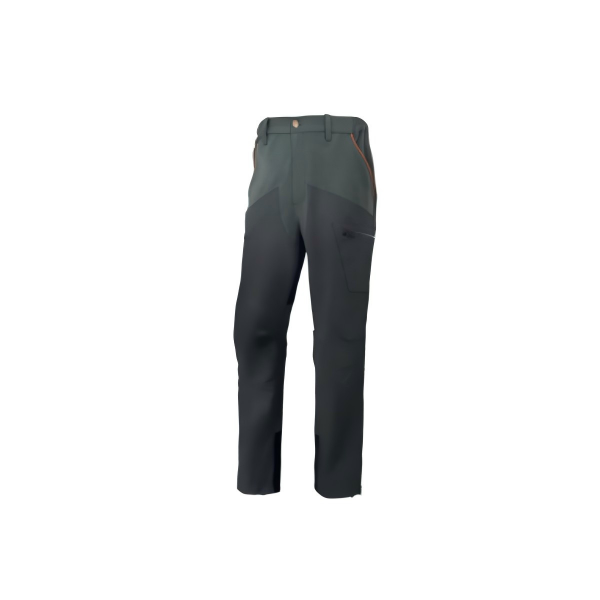
يقتضي اختيار البدلات المناسبة للبيئات الصناعية والمهنية موازنة عوامل متعددة تتجاوز مجرد جداول المقاسات البسيطة. ويواجه العمال ومديرو المشتريات تحديًا يتمثّل في إيجاد الملابس التي توفر وظائف حقيقية في موقع العمل، مع الحفاظ في الوقت نفسه على مظهر احترافي، وتبرير استثمارها على مدى فترات الاستخدام الطويلة. ويكتسب هذا القرار أهميةً بالغة خاصةً عند الأخذ في الاعتبار أن البدلات غير المختارة بعناية قد تُعرّض السلامة للخطر، وتقلّل من الإنتاجية بسبب عدم الراحة، وتؤدي إلى عمليات استبدال متكررة ترفع التكاليف التشغيلية. وبفهم كيفية تقييم البدلات من خلال منظورٍ متكامل يجمع بين الجدوى العملية، والأناقة، والقيمة طويلة الأجل، يتحول ما يبدو قرار شراء بسيطًا إلى خيار استراتيجي يؤثر مباشرةً في كفاءة القوة العاملة ورضاها.
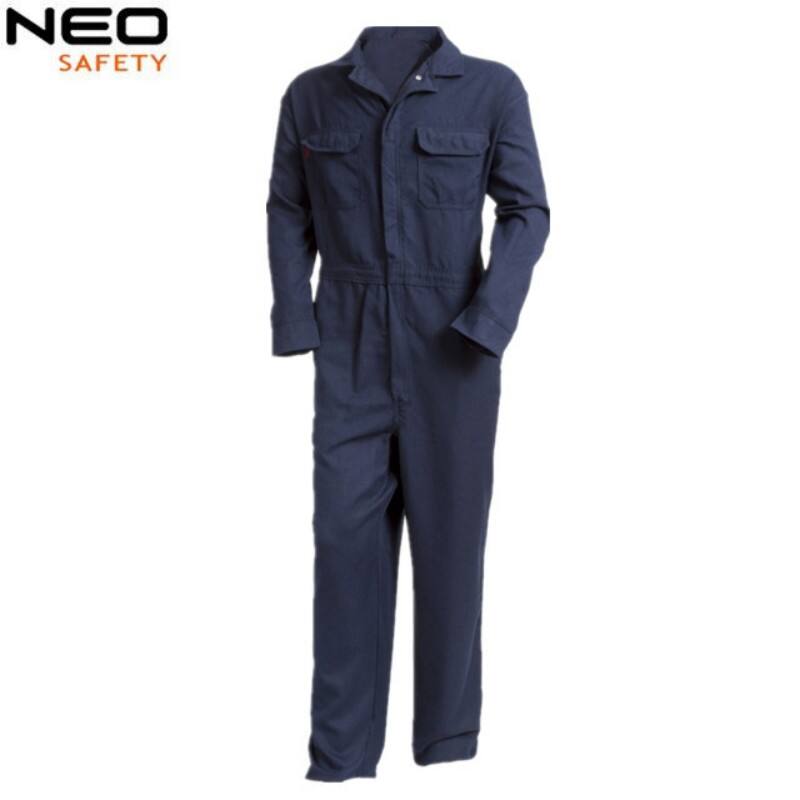
يتطلب مكان العمل الحديث بدلات واقية تعمل كحلول شاملة، وليس مجرد ملابس واقية بسيطة. فعلى سبيل المثال، يحتاج الميكانيكيون العاملون تحت المركبات إلى قدرة عالية على الحركة وسهولة الوصول إلى الجيوب، في حين يتطلّب عمال التصنيع مقاومةً للمواد الكيميائية وخصائصَ مقاومةً للاشتعال. وفي الوقت نفسه، يدرك أصحاب الشركات بشكل متزايد أن مظهر العاملين يؤثر في انطباعات العملاء ومعنويات الموظفين، ما يجعل اعتبارات الأناقة عواملَ تجاريةً مشروعةً بالفعل. أما البُعد المالي فيضيف طبقةً أخرى من التعقيد، إذ لا يمثل سعر الشراء الأولي سوى عنصرٍ واحدٍ من مكونات تكلفة الملكية الإجمالية. فالمتانة ومتطلبات الصيانة وتكرار الاستبدال هي التي تحدد ما إذا كانت البدل الواقية التي تبدو اقتصاديةً في ظاهرها توفر فعليًّا قيمةً حقيقيةً أم أنها تتحول إلى أخطاءٍ مكلفةٍ. ويقدّم هذا الدليل إطارًا منهجيًّا لتقييم البدل الواقية عبر هذه الأبعاد الثلاثة الحرجة، ما يمكن صانعي القرار من اتخاذ خياراتٍ مستنيرةٍ تلبّي الاحتياجات الفورية مع دعم الأهداف التشغيلية طويلة الأمد.
فهم المتطلبات العملية للبدلات المهنية
تحديد الاحتياجات الوظيفية الأساسية بناءً على بيئة العمل
تبدأ أساسيات اختيار البدلات العملية بإجراء تقييم شامل للبيئة العملية المحددة ومتطلبات المهام. وتفرض الصناعات المختلفة متطلبات مختلفة على ملابس الحماية العملية، مما يؤثر مباشرةً على تحديد الخصائص التي تصبح ضرورية مقابل تلك التي تبقى اختيارية. فمثلاً، يحتاج فنيو السيارات إلى بدلات ذات ركبتين معزَّزتين وجيبات موضوعة بعناية لحمل الأدوات، بينما يحتاج الكهربائيون إلى مواد مقاومة للهب وخصائص عازلة. أما منشآت معالجة المواد الكيميائية فتتطلب بدلات ذات درزات مغلقة وأقمشة غير نافذة، في حين يستفيد عمال المستودعات من مواد تنفُّسية وعناصر عالية الرؤية. ويجب أن يوثِّق هذا التحليل البيئي المخاطر الموجودة في مكان العمل، والحركات والوضعيات النموذجية التي يتبنّاها العمال، والأدوات والمعدات التي يتعاملون معها بانتظام، وظروف التعرُّض بما في ذلك درجات الحرارة القصوى والرطوبة والملوثات.
وبالإضافة إلى الحماية من المخاطر، يجب أن تراعي البدلات العملية المتطلبات الجسدية لأنشطة العمل اليومية دون أن تقيّد الحركة أو تسبب الانزعاج. وينبغي أن تُقيّم اختبارات مدى الحركة ما إذا كانت الملابس تسمح للعاملين بالانحناء والوصول إلى الأشياء والصعود والتَّجَثُّم دون أن تشدّ أو تقيّد الجسم. وتشمل السمات التصميمية التي تعزِّز الحركة في البدلات عالية الجودة: الركبتان المفصليتان، والمنطقة التناسُلية الموسَّعة (الغُسِت)، والظهر المُحرَّر (أكشن باك). ويكتسب توزيع الوزن أهميةً كبيرةً أثناء فترات الارتداء الطويلة، إذ إن ارتداء ملابس ثقيلة يُسهم في إرهاق العاملين وانخفاض إنتاجيتهم. وتتفاوت متطلبات التهوية باختلاف المناخ ومستوى النشاط؛ فبعض البيئات تتطلب خصائص طاردة للرطوبة ولوحات تنفُّسية، بينما تُركِّز بيئات أخرى على العزل الحراري ومقاومة الرياح. ويتضمَّن عملية الاختيار العملية مقارنة هذه المتطلبات الوظيفية بالخصائص المتاحة، لإعداد مواصفات تتناول ظروف مكان العمل الفعلية بدلًا من الصفات الواقية العامة.
تقييم المعايير الحرجة للسلامة والامتثال
يمثل الامتثال التنظيمي جانبًا لا يمكن التنازل عنه عند اختيار البدلات العملية للاستخدامات الصناعية. وتُطبِّق مختلف الولايات القضائية والصناعات معايير محددة تحكم ملابس الحماية الواقية، وقد تؤدي المخالفات إلى تلقي إنذارات، أو التعرُّض للمسؤولية القانونية، والأهم من ذلك إصابة العمال. ولتحديد المعايير التي تنطبق على عملياتك، يتطلَّب الأمر مراجعة لوائح إدارة السلامة والصحة المهنية (OSHA)، والإرشادات الخاصة بكل صناعة، وأي متطلبات إضافية تفرضها شركات التأمين أو عقود العملاء. وتشمل الشهادات الشائعة معايير ANSI/ISEA الخاصة بالملابس عالية الرؤية، ومعايير NFPA الخاصة بالمقاومة للهب، ومعايير ASTM الخاصة بالحماية من المواد الكيميائية. ويجب أن تشير البدلات المُسوَّقة للاستخدام الصناعي بوضوح إلى المعايير التي تستوفي شروطها، مع توفير وثائق اعتماد يمكن التحقق منها وحفظها في سجلات الامتثال.
تتضمن عملية التصديق إجراء اختبارات صارمة تُثبت ادعاءات الأداء في ظل ظروف قياسية مُوحَّدة. ومع ذلك، فإن الاختيار العملي يتجاوز ببساطة مطابقة شهادات التصديق مع المتطلبات. ويجب أن يدرك العاملون أن البدلات المصدَّقة تحافظ على خصائصها الواقية فقط عند صيانتها بشكلٍ سليم واستبدالها وفقًا لإرشادات الشركة المصنِّعة. فتفقد البدلات المقاومة للهب فعاليتها بعد غسلها المتكرر باستخدام منظفات غير متوافقة، بينما تتطلب الملابس عالية الرؤية استبدالها عند تدهور المواد العاكسة للضوء. وقد تكون للبدلات المقاومة للمواد الكيميائية مدد تعرض محدودة قبل حدوث الاختراق. ولذلك، يشمل الاختيار العملي وضع بروتوكولات لفحص البدلات وصيانتها وسحبها من الخدمة، وذلك للحفاظ على الخصائص الأمنية التي تبرِّر الاستثمار الأولي. كما ينبغي أن تتضمَّن نظم التوثيق تواريخ إصدار البدلات وتفاصيل شهادات تصديقها وتاريخ استخدامها لضمان الامتثال المستمر.
تصميم الجيوب وتكوينات التخزين لتحسين كفاءة سير العمل
إن سهولة الوصول إلى الأدوات والمعدات تؤثر تأثيرًا مباشرًا على الإنتاجية، مما يجعل تصميم الجيوب اعتبارًا عمليًّا يتجاوز مجرد الراحة. وتتضمن البدلات العملية حلول تخزين تحافظ على الأغراض المستخدمة بشكل متكرر في متناول اليد بسهولة، دون أن تُحدث تورُّمًا أو مخاطر انسناد أو توزيعًا غير متوازن للوزن. وينبغي أن يعكس عدد الجيوب وحجمها وموقعها الأدوات والمواد المحددة التي يتعامل معها العمال خلال نوبات عملهم. فالميكانيكيون يستفيدون من جيوب كبيرة في الفخذين تستوعب المفاتيح وال أدوات القياس، بينما يحتاج الكهربائيون إلى جيوب أصغر ذات إغلاقات آمنة لمكونات الدوائر والأجهزة الاختبارية. كما تمنع فتحات الجيوب المعزَّزة التمزُّق الناتج عن الاستخدام المتكرر، بينما تطيل النقاط المُثبَّتة بالغرزة القوية (Bar-tacked) عمر الخدمة في المناطق عرضة للاهتراء الشديد.
متقدمة overalls تتضمن ميزات التخزين المتخصصة التي تلبي متطلبات سير العمل المحددة. وتوفر حلقات الأدوات نقاط تثبيت آمنة للعناصر التي يحتاج العمال إلى حملها، ولكن ليس بالضرورة الوصول إليها باستمرار. وتُحمي الجيوب الصدرية ذات الإغلاقات السحابية أو بالإزرار العناصر الصغيرة القيّمة مثل الهواتف أو بطاقات التعريف الشخصي. كما تقلل حلقات المطارق وجيب الماسورات والأقسام المخصصة لمعدات معينة من الوقت الذي يقضيه العمال في البحث عن الأدوات، وتقلل من خطر فقدان العناصر أثناء الانتقال بين مناطق العمل. وبعض البدلات الصناعية تتضمن أنظمة تثبيت قابلة للتخصيص تسمح للعمال بتعديل تكوين أماكن التخزين وفقًا لمتطلبات المهمة الحالية. ويستلزم تقييم هذه الميزات مراقبة أنماط العمل الفعلية والتشاور مع العمال الذين سيقومون بارتداء هذه الملابس، إذ غالبًا ما تكشف رؤاهم العملية عن متطلبات قد تبقى غير مرئية للمدراء أو موظفي المشتريات.
إدماج عناصر التصميم التي تدعم المظهر المهني
موازنة الحماية مع جماليات التصميم المعاصر
لقد تطورت ملابس العمل الصناعية لتتجاوز التصاميم البحتة ذات الطابع الوظيفي، لتشمل عناصر أسلوبية تدعم المظهر المهني دون المساس بالوظائف الواقية. وتُظهر البدلات الحديثة أن السلامة والجماليات لا يجب أن تكونا في طرفين متناقضين، إذ يقدّم المصنعون بشكل متزايد ملابس تفي بمعايير الأداء الصارمة مع الحفاظ على قصات عصرية، وتناغمات ألوان متقنة، وتفاصيل تصميمية تعكس الكفاءة والاحترافية. ويعكس هذا التحوّل الاعتراف المتزايد بأن مظهر العامل يؤثر في عدة أطراف معنية، من بينها العملاء الذين يزورون المنشآت، والمرشحون المحتملون الذين يقيّمون فرص العمل المتاحة، والعاملون أنفسهم الذين يتأثر معنويّهم وأدائهم بصورة ذاتهم. وبذلك، تحافظ البدلات التي تراعي الجانب الأسلوبي على جميع الخصائص الوقائية الضرورية، مع التخلّي عن الهيئات الفضفاضة القديمة التي كانت سائدة في أجيال سابقة من ملابس العمل الصناعية.
يُعَدُّ اختيار اللون أحد أبرز الاعتبارات المتعلقة بالأسلوب، حيث تمتد تأثيراته لما وراء التفضيل الشخصي. وبقيت الألوان التقليدية مثل الأزرق الداكن والأسود والرمادي شائعةً بسبب مظهرها المهني وقدرتها على تقليل ظهور البقع والتآكل. ومع ذلك، فإن لبعض القطاعات قواعد محددة تتعلق بالألوان تدلُّ على الخبرة والتخصص. فعلى سبيل المثال، تُفضِّل العديد من المرافق automotive (السيارات) الألوان الداكنة التي تُخفي الزيوت والشحوم، بينما قد تفرض عمليات معالجة الأغذية ارتداء الألوان البيضاء أو الفاتحة التي تكشف عن التلوث فور حدوثه. كما أن بعض المؤسسات تدمج ألوان شركتها في برامج ملابس العمل الخاصة بها لتعزيز هوية العلامة التجارية وتحقيق التماسك البصري بين جميع العاملين فيها. ويجب أن يراعي بعد «الأسلوب» في اختيار اللون هذه الاعتبارات الوظيفية والتنظيمية، مع الأخذ في الحسبان حقيقة أن للعاملين تفضيلاتٍ شخصيةً تؤثر في راحتهم واستعدادهم للعناية المناسبة بالملابس. وغالبًا ما يحقِّق تقديم خيارات محدودة ضمن عائلات الألوان المعتمدة هذا التوازن بفعالية.
اختيار نماذج التناسب التي تُبرز الكفاءة وتُمكّن الحركة
ويُعَدُّ التناسب عنصرًا يجمع بين الأناقة والوظيفة عند اختيار البدلات الكاملة، إذ يجب أن تسمح هذه الملابس بالحركة وارتداء معدات السلامة مع تجنُّب التراخي المفرط الذي قد يتسبب في عوائق للانزلاق أو المظهر غير المهني. وباتت البدلات الكاملة المعاصرة تتضمَّن بشكل متزايد قصاتٍ مُصمَّمة بدقة تلتزم بملامح الجسم أكثر من الأساليب التقليدية، مما يخلق هيكلًا انسيابيًّا يبدو مقصودًا وليس عرضيًّا. ومع ذلك، فلا ينبغي أن تؤثِّر هذه الدقة سلبًا على سهولة الحركة التي يحتاجها العمال لأداء مهامهم. ويكمُن التحدي في إيجاد التوازن الأمثل بحيث تبدو البدلات ملائمة عندما يقف العمال في وضعية طبيعية مُرتاحة، مع احتوائها في الوقت نفسه على قدر كافٍ من السهولة والمرونة لتمكين الحركات الديناميكية مثل الوصول والانحناء وغيرها دون أن تسبب شدًّا أو تقييدًا.
تتيح تقنيات الأقمشة الحديثة تحقيق هذا التوازن من خلال دمج ألياف مرنة توفر مرونة ميكانيكية دون تشويه دائم لشكل الملابس. فتنسدل البدلات التي تحتوي على نسب صغيرة من الإيلاستين أو مواد مشابهة إلى أبعادها الأصلية بعد الشد، مما يحافظ على مظهرها المُصمَّم بدقة طوال يوم العمل. ويُحسِّن وضع هذه الألواح المرنة استراتيجيًّا في المناطق ذات الحركة العالية مثل الكتفين والمرفقين والركبتين من كفاءة الحركة دون الحاجة إلى إدخال عناصر مرنة في كامل قطعة البدلة. كما تسمح الميزات القابلة للتعديل — ومنها الحزام المطاطي عند الخصر، والأشرطة القابلة للضبط، ونقاط الإغلاق المتعددة — للموظفين الأفراد بتخصيص المقاس ضمن النطاق العام للأحجام، ما يراعي تنوع الأجسام مع الحفاظ على المظهر المهني الموحَّد الذي يدعم صورة المؤسسة. وتكشف الاختبارات التي تُجرى على البدلات مع عمال فعليين يؤدون مهامًا نموذجية ما إذا كان نمط المقاس المختار قد حقَّق بالفعل توازنًا ناجحًا بين الأناقة والوظيفية في التطبيق العملي لا في النظرية فقط.
دمج عناصر العلامة التجارية التي تعزز الهوية التنظيمية
يُحوِّل التخصيص عبر التطريز أو الشارات أو الطباعة البدلات العامة القياسية إلى ملابس عمل تحمل علامة الشركة، مما يعزز الهوية التنظيمية والاحترافية. وتؤدي شعارات الشركة وأسماء العمال وتحديد الأقسام وظائف عملية تشمل التعرف الفوري على الموظفين المصرح لهم والمساءلة عن جودة العمل، وفي الوقت نفسه تُظهر صورة مؤسسة منظمة وراسخة. أما بعد النمط في العلامة التجارية فيتعلَّق بتحديد مكان وضع العلامات وحجمها وطرق تنفيذها بحيث تبدو احترافيةً بدلًا من أن تبدو مُرتجلة. وعادةً ما تُعبِّر الشعارات المُطرَّزة على جيوب الصدر أو فوق الجزء العلوي الخلفي من البدلة (Back Yoke) عن جودة أعلى مقارنةً بالرسومات المطبوعة بالشاشة الحريرية، إذ إن الملمس ثلاثي الأبعاد للتطريز يوحي بالدوام والاستثمار في تقديم العاملين.
تؤخذ في الاعتبار استراتيجيات الترويج الفعّالة التكوين البصري الكلي الذي تُشكِّله عناصر التخصيص بالتعاون مع تصميم الملابس. فالتقحم المفرط للبدلات بأكثر من شعارٍ واحد، وعناصر نصية متعددة، ومزايا زخرفية يُحدث فوضى بصريةً تُضعف المظهر الاحترافي بغض النظر عن جودة العناصر الفردية. وعادةً ما تؤدي الضوابط الاستراتيجية المُتَّبعة باعتدال إلى نتائج أقوى، حيث توضع العلامة التجارية الرئيسية في المواقع ذات الرؤية العالية، بينما تُوزَّع المعلومات الثانوية في مواضع وظيفية مناسبة. أما التنسيق اللوني بين ألوان الخيوط، واللون الأساسي للملابس، ومخططات الألوان الخاصة بالمنظمة، فيحقِّق انسجامًا بصريًّا يبدو مقصودًا ومُصمَّمًا بعناية. وبعض المنظمات تضع معايير خاصة بلباس العمل تحدد بدقة إحداثيات أماكن التطبيقات، ومواصفات الأحجام، والطرق المعتمدة لتنفيذ العناصر الترويجية، وذلك لضمان الاتساق عبر قوة العمل بأكملها. ويمنع هذا التوحيد التحوُّل التدريجي نحو مظهر غير متناسق، الذي قد يحدث عندما يتخذ المدراء بشكل فردي قرارات مستقلة بشأن التخصيص على مر الزمن.
تحليل القيمة طويلة الأجل من خلال إجمالي تكلفة الملكية
حساب التكلفة الحقيقية للملابس بما يتجاوز سعر الشراء الأولي
يتطلب التحليل المالي للبدلات الانتقالَ ما وراء تسعير الوحدة البسيط إلى إجراء حسابات شاملة لتكاليف الملكية الإجمالية التي تكشف عن النفقات الفعلية طوال عمر الخدمة الخاص بالملابس. ويمثّل سعر الشراء الأولي فقط بداية الالتزام المالي، بينما تشمل التكاليف اللاحقة غسل الملابس وإصلاحها والاستبدال المبكر بسبب التآكل المبكر وفقدان الإنتاجية الناجم عن فشل الملابس، وهي تكاليف تتراكم طوال فترة الملكية. وبذلك، فإن البدلة الأقل سعراً والتي تتطلب استبدالها كل ستة أشهر تُكلّف في النهاية أكثر من بدلات متميزة تؤدي وظيفتها بكفاءة لمدة عامين. وبالمثل، فقد تتجاوز تكلفة البدلات التي تتطلب تنظيفاً متخصصاً أو إصلاحات متكررة مجموع تكاليف بدائل أعلى جودةً لا تحتاج سوى الغسيل القياسي. ولإعداد مقارنات دقيقة للتكاليف، يلزم تقدير هذه المصروفات المتكررة استناداً إلى المواصفات المقدمة من الشركة المصنعة ومراجعات المستخدمين، وبأقصى قدر ممكن، فترات الاختبار التي تكشف الأداء الفعلي في ظروف الاستخدام الخاصة بكم.
تتفاوت مدة العمر الافتراضي للملابس بشكل كبير اعتمادًا على جودة تصنيعها، ومتانة النسيج المستخدم، وشدة ظروف الاستخدام. فملابس العمل الصناعية المستخدمة في بيئات التصنيع الثقيل، والتي تتعرَّض للاحتكاك والمواد الكيميائية ودرجات الحرارة المرتفعة، تشهد بالضرورة عمرًا افتراضيًّا أقصر مقارنةً بتلك التي تُرتدى في المستودعات الخاضعة للتحكم المناخي لأداء مهام خفيفة. ويقدِّم المصنعون اليوم بياناتٍ تقريبيةً عن العمر الافتراضي استنادًا إلى اختبارات قياسية، رغم أن هذه التقديرات قد لا تعكس ظروف الاستخدام الخاصة بكم. ويسهم تتبع أداء الملابس الفعلي عبر تواريخ سحبها من الخدمة وأنماط الأعطال في بناء المعرفة المؤسسية، ما يحسِّن قرارات الشراء المستقبلية. ويمكن حساب التكلفة لكل مرة ارتداءٍ بقسمة إجمالي تكلفة الملكية على العدد المُقدَّر من نوبات العمل، مما يوفِّر معيارًا موحَّدًا يمكِّن من إجراء مقارناتٍ صحيحةٍ بين مختلف أنواع الملابس ذات الأسعار المختلفة. وكثيرًا ما تكشف هذه التحليلات أن ملابس العمل الصناعية متوسطة التكلفة تحقِّق أفضل قيمةٍ ممكنةٍ، إذ توازن بين تكلفة أولية معقولةٍ وعمر افتراضي مديدٍ ومتطلبات صيانةٍ ضئيلةٍ جدًّا.
تقييم مؤشرات جودة البناء التي تنبئ بالمتانة
يكشف الفحص المادي عن مؤشرات جودة البناء التي ترتبط ارتباطًا وثيقًا بمدى طول عمر الملابس وأداءها الثابت. ويمثل بناء الغرز أحد أكثر المؤشرات موثوقيةً في التنبؤ بالمتانة العامة، حيث تتفوق الغرز المزدوجة أو الثلاثية بوضوحٍ على الغرز الأحادية من حيث المدة الزمنية التي تتحملها تحت الإجهاد. وتمنع خياطة التثبيت (Bar-tacking) عند نقاط الإجهاد — مثل زوايا الجيوب، ونقاط تثبيت الأشرطة، ونهايات السحّابات — التمزق التدريجي الذي يؤدي إلى استبعاد القطعة مبكرًا. ويلعب نوع الخيط دورًا كبيرًا، إذ تحافظ خيوط البوليستر أو النايلون على قوتها وتُقاوم التدهور أفضل من خيوط القطن في معظم التطبيقات الصناعية. أما كثافة الغرز المقاسة بعدد الغرز في البوصة، فهي تشير إلى ما إذا كان البناء قادرًا على تحمل الإجهادات المتكررة، حيث ترتبط الكثافات الأعلى عمومًا بمتانة متفوقة ضمن نفس النوع الأساسي من البناء.
توفر وزن النسيج وتركيبه مؤشرات إضافية على الأداء المتوقع، رغم أن ازدياد الوزن لا يدل تلقائيًّا على تفوّق القيمة. فقد تجد التطبيقات التي تتطلب الانحناء والتمدّد المتكرِّر أن الأقمشة متوسطة الوزن والمزوَّدة بمحتوى مطاطي تتفوّق في أدائها على الأقمشة الأثقل صلابةً، لأن ذلك يقلِّل من الإجهاد الواقع على الغرز والقماش، ما يطيل العمر الافتراضي الكلي للمنتج. وتضيف معالجات التشطيب المطبَّقة على الأقمشة — مثل مقاومة البقع، وطرد الماء، ومقاومة التجاعيد — فوائد وظيفية تقلِّل من متطلبات الصيانة وتحافظ لفترة أطول على المظهر المهني الراقي. ويجب تقييم جودة الملحقات المعدنية مثل السحابات والأزرار ووسائل الضبط، إذ إن فشل أيٍّ منها غالبًا ما يستدعي التخلّي عن القطعة بالكامل حتى لو بقي القماش صالحًا للاستخدام. وتتفوّق السحابات المعدنية عادةً على نظيراتها البلاستيكية في الظروف الصعبة، بينما تشير العلامات التجارية الموثوقة مثل YKK أو ما يماثلها من سحابات إلى الاهتمام الكبير بجودة المكونات. كما أن الرقع التعزيزية الموضوعة على الركبتين والمرفقين ومناطق التآكل الشديد الأخرى تطيل العمر الافتراضي للقطعة في هذه المناطق الضعيفة، وهي ميزة بنائية تبرِّر دفع قسط سعري بسيط مقابل طول عمر garment المُحسَّن.
تنفيذ بروتوكولات الصيانة التي تُعظم عائد الاستثمار
إن العناية الملائمة بالملابس تُطيل بشكلٍ كبيرٍ مدة الخدمة الإجمالية لها، مع الحفاظ على خصائصها الواقية والمظهر المهني طوال فترة ارتدائها. وإن وضع بروتوكولات الصيانة وإنفاذها يحوّل البدلات من سلع تُستهلك لمرة واحدة إلى أصول متينة تقدّم قيمةً ممتدةً على المدى الطويل. ويجب أن توازن إجراءات الغسيل بين متطلبات النظافة والحفاظ على نسيج القماش؛ إذ يؤدي الغسيل العنيف باستخدام المنظفات القاسية أو درجات الحرارة المرتفعة جدًّا إلى تسريع تدهور النسيج وقد يُضعف شهادات السلامة. وتوفّر تعليمات الشركة المصنِّعة الخاصة بالعناية إرشادات أساسية، لكن بروتوكولات المؤسسة يجب أن تتناول الاعتبارات العملية مثل أنواع الأوساخ الموجودة في عملياتكم والموارد المتاحة للغسيل. وعادةً ما تحقّق خدمات الغسيل الصناعي المتخصصة في ملابس العمل نتائجَ أفضلَ مقارنةً بالغسيل المنزلي، لأنها تحافظ على درجات حرارة المياه المناسبة، وتستخدم معدات تجارية عالية الجودة، وتطبّق خبرةً متخصصةً في هذا المجال.
تمنع بروتوكولات الفحص والإصلاح البسيط تحول المشكلات الصغيرة إلى أعطال في الملابس الواقية. وينبغي تدريب العمال على أساسيات فحص الملابس، بما في ذلك التحقق من سلامة الغرز، واختبار وظيفة السحّابات، وتحديد أي أضرار تلحق بالقماش وتتطلب اهتمامًا. كما أن إنشاء قدرات بسيطة للإصلاح—مثل استبدال الأزرار، وإصلاح التمزقات الطفيفة، وتقوية نقاط التحمّل—يمتدّ بها عمر الخدمة بشكلٍ ملحوظ وبتكلفة ضئيلة جدًّا. وبعض المؤسسات تطبّق أنظمة رسمية لتتبع الملابس تسجّل تواريخ حدوث المشكلات، ودورات التنظيف، والإصلاحات المنفَّذة، وأسباب التخلّي عن القطعة، ما يُولِّد بياناتٍ تُرشد قرارات الشراء المستقبلية، ويُظهر ما إذا كانت طرازات معينة من الزيّ الرسمي تحقّق التوقعات الأداء المطلوبة. ويُحوّل هذا النهج المنهجي لإدارة دورة حياة الملابس الواقية هذه الأخيرة من بندٍ ماليٍّ مُهمَلٍ إلى فئة أصولٍ خاضعة للإدارة، حيث تؤدي القرارات المستندة إلى المعلومات والصيانة السليمة إلى عوائد مالية قابلة للقياس عبر تمديد عمر الخدمة وتقليل وتيرة الاستبدال.
اتخاذ قرارات اختيار مستنيرة من خلال التقييم المنهجي
إجراء مشاورات مع العمال لكشف المتطلبات العملية
يتطلب الاختيار الناجح بشكل عام إدماج مدخلات العمال الذين سيقومون بارتداء الملابس يوميًّا، إذ تُبرز رؤيتهم العملية المتطلبات التي قد تغيب عن الانتباه أثناء التقييم المكتبي. وتُولِّد عمليات المشاورة المنظمة — مثل الاستبيانات ومجموعات التركيز أو الاختبارات الميدانية للارتداء — ملاحظاتٍ قيّمةً حول أوجه القصور الحالية في الملابس والتحسينات المرغوبة. ويتمتَّع العمال بمعرفة تفصيليةٍ واسعةٍ حول الجيوب التي تُستخدم بكثرة، والأماكن التي تتقيَّد فيها الملابس أثناء حركات محددة، والمزايا التي تثبت أهميتها الفعلية مقارنةً بتلك غير الضرورية. وبذلك، لا تُعزِّز هذه العملية فحسب قبول العمال للاختيارات الجديدة من الملابس، بل تمنع أيضًا الخطأ المكلف المتمثل في شراء بدلات عمل يرفضها العمال، ما يؤدي إلى إهمال صيانتها أو عدم ارتدائها باستمرار.
يُحقِّق الاستشارة الفعَّالة توازنًا بين تفضيلات العمال والمتطلبات التنظيمية، بما في ذلك الامتثال لمتطلبات السلامة، والقيود المفروضة على الميزانية، ومعايير المظهر. وقد تتعارض بعض تفضيلات العمال مع المتطلبات التشغيلية، ما يستدعي شرحًا شفافًا لأسباب بقاء ميزات معينة غير قابلة للتفاوض، بينما تظل ميزات أخرى مفتوحةً أمام المدخلات والمقترحات. وتوفِّر البرامج التجريبية التي يختبر فيها مجموعات صغيرة من العمال البدلات المرشَّحة في ظروف العمل الفعلية بيانات أداء ملموسةً تفوق التقييمات النظرية. وينبغي توثيق التعليقات المحددة المتعلقة بالحركة، والراحة، وكفاية أماكن التخزين، والملاحظات حول المتانة أثناء فترات الاختبار الممتدة. ويقلل هذا النهج القائم على الأدلة في عملية الاختيار من المخاطر من خلال التحقق من صحة ادعاءات الأداء قبل الالتزام بعمليات شراء كبيرة الحجم. كما يصبح العمال الذين شاركوا في عملية الاختيار داعمين للبدلات المختارة، مما يؤثر إيجابيًّا في قبول الزملاء لها ويقلل من مقاومة اعتماد الملابس الجديدة.
إنشاء علاقات مع الموردين تدعم المتطلبات المستمرة
يتجاوز اختيار الموردين مجرد تحديد الموردين الذين يقدمون البدلات العامة المقبولة بأسعار تنافسية. وتُوفِّر علاقات الموردين طويلة الأجل قيمةً من خلال توافر المنتجات بشكلٍ ثابت، والدعم الفني للإجابات عن استفسارات التحجيم والمواصفات، وعمليات الطلب المرنة التي تتكيف مع تغير أحجام القوى العاملة. ويتمتع موردو الملابس الواقية الصناعية الموثوق بهم بمعرفة عميقة بالمنتجات، ما يمكنهم من التوصية بأنماط محددة من البدلات العامة لتطبيقات معينة، وإعلام العملاء بالمنتجات الجديدة التي تعالج الاحتياجات الناشئة. كما يوفرون جداول التحجيم، والتوجيهات المتعلقة بالملاءمة، وغالبًا ما يقدّمون عيّنات من الملابس لتقييمها قبل الشراء. وبعض الموردين يقدمون خدمات التطريز أو التخصيص، مما يبسّط عملية إنشاء ملابس واقية مُعلَّمة بالعلامة التجارية، ويعزّز المظهر المهني.
تكتسب استقرار المورِّدين واتساق المنتجات أهمية كبيرة بالنسبة للمنظمات التي تتطلب عمليات شراء شاملة مستمرة. ويُبسِّط اعتماد نمط شامل قياسي إدارة المخزون ويضمن اتساق المظهر عبر جميع العاملين، لكن هذا النهج يعتمد على توافر المنتج بشكل مستمر. فالمورِّدون الذين يوقفون منتجاتهم بشكل متكرر أو يدخلون تغييرات جوهرية على التصاميم دون إشعار مسبق يولِّدون تحديات تشغيلية عندما لا تتطابق البدائل من الزي الموحَّد مع المخزون الحالي. أما المورِّدون ذوي الجودة فيوفرون عادةً إشعارًا مسبقًا بتغييرات المنتجات، وغالبًا ما يحتفظون بمخزون انتقالي يسمح بالتحول التدريجي. وتمثل شروط الدفع، والكميات الدنيا للطلب، والجداول الزمنية للتسليم اعتبارات عملية تؤثر في اختيار المورِّدين. وبعض المنظمات تستفيد من إنشاء حسابات مع عدة مورِّدين، مما يوفِّر مصادر توريد احتياطية تمنع حدوث أي انقطاع في حال واجه المورِّد الرئيسي نقصًا في المخزون أو مشكلات في الخدمة. كما أن بناء علاقات مع هؤلاء المورِّدين باعتبارها شراكات استراتيجية بدلًا من تبادلات تجارية صرفة يولِّد قيمة طويلة الأجل تفوق أي وفورات طفيفة في التكاليف تحقَّقها المنظمة من خلال التبديل المستمر بين المورِّدين استنادًا فقط إلى سعر الوحدة.
إعداد مواصفات الملابس التي توثق معايير الاختيار
توثِّق مواصفات الملابس الرسمية معايير التقييم والخصائص المختارة بصيغ قياسية توجِّه قرارات الشراء المتسقة عبر الزمن وعند حدوث تغيُّرات في الكوادر العاملة. وتشمل المواصفات الشاملة متطلبات الأقمشة مثل محتوى الألياف ووزن القماش ومعالجات النهاية؛ ومعايير التصنيع التي تفصِّل أنواع الغرز وكثافة الغرز ومواقع التعزيز؛ ومتطلبات الخصائص التي تحدِّد عدد الجيوب ومواقعها وأنواع الإغلاقات وآليات التعديل؛ ومتطلبات الشهادات التي تحدد معايير السلامة الواجب تطبيقها والمستندات المطلوبة؛ ومعايير المقاسات التي تُعرِّف المقاسات المتاحة وتوقعات التماسك والملاءمة. وتؤدي هذه المواصفات عدة أغراض، منها توصيل المتطلبات بوضوح إلى المورِّدين، وإمكانية المقارنة الموضوعية بين عروض المنتجات، وضمان اتساق عمليات الشراء عند تغيُّر الكوادر العاملة.
توازن المواصفات المطورة جيدًا بين الدقة والمرونة، حيث تُعرِّف المتطلبات الحاسمة بدقةٍ شديدةٍ مع السماح بحدٍ مقبولٍ من التباين في السمات غير الأساسية. فقد تؤدي المواصفات المفرطة في الصرامة إلى استبعاد منتجات مناسبة دون داعٍ، بينما تفشل المواصفات الغامضة جدًّا في ضمان أن تلبي المنتجات الاحتياجات الفعلية. وينبغي تضمين كلٍّ من المتطلبات الإلزامية التي تمثِّل السمات غير القابلة للتفاوض، والخصائص المفضَّلة التي تصف السمات المرغوبة لكنها غير أساسية. ويتيح هذا النهج الطبقي للمورِّدين اقتراح منتجات تحقِّق المتطلبات الأساسية، مع إمكانية تقديم قيمة إضافية عبر أداءٍ متفوِّقٍ في الفئات المفضَّلة. وينبغي مراجعة المواصفات وإعادة صياغتها بشكل دوريٍّ مع تطور احتياجات المؤسسة، أو ظهور تقنيات جديدة، أو كشف الخبرة العملية عن الحاجة إلى تعديل بعض المتطلبات. وباتباع هذا النهج الذي يجعل من المواصفات وثيقةً حيَّةً، تظل المواصفات ذات صلةٍ فعَّالةٍ وتواصل توجيه قرارات الشراء بكفاءةٍ، بدلًا من أن تصبح قيودًا منتهية الصلاحية تحدُّ من الوصول إلى منتجاتٍ محسَّنةٍ.
الأسئلة الشائعة
ما وزن النسيج الذي يوفر أفضل توازن بين المتانة والراحة للاستخدام الصناعي العام؟
لأغلب التطبيقات الصناعية العامة، فإن أقمشة الوزن بين ٧ و١٠ أوقية لكل ياردة مربعة توفر توازنًا فعّالًا بين المتانة والراحة. ويوفّر هذا النطاق متوسط الوزن مقاومة كافية للاحتكاك وطول عمر مناسب للمهام ذات الاستخدام المعتدل، مع البقاء مريحًا بما يكفي لارتدائه طوال اليوم دون التسبب في إرهاق مفرط. أما الأقمشة الأثقل التي تتجاوز ١٠ أوقية فهي توفر حماية متفوّقة في البيئات الصعبة التي تنطوي على احتكاك شديد أو شرارات أو ظروف قاسية جدًّا، لكنها قد تشعر بالضيق أثناء الارتداء لفترات طويلة. وتؤدي الأقمشة الأخف وزنًا والتي تقل عن ٧ أوقية أداءً جيدًا في البيئات الخاضعة للتحكم المناخي أو في التطبيقات خفيفة الاستخدام، لكنها عادةً ما تتطلب استبدالًا أكثر تكرارًا في البيئات الصعبة. وينبغي النظر في دمج ألياف مطاطية ميكانيكية حتى في الأقمشة متوسطة الوزن، إذ إن نسبًا صغيرة من الإيلاستين تعزّز الراحة والحركة دون التأثير بشكل كبير على المتانة. وأخيرًا، يعتمد الوزن الأمثل للنسيج في نهاية المطاف على بيئة العمل المحددة الخاصة بك، وظروف المناخ السائدة، والتوازن الذي يفضله العمال بين الحماية والراحة.
ما التكرار الذي يجب به استبدال البدلات الصناعية في ظل ظروف العمل العادية؟
تتفاوت وتيرة استبدال البدلات الصناعية بشكل كبير وفقًا لشدة الاستخدام، وظروف العمل، وجودة الملابس، مما يجعل من الصعب تحديد جداول زمنية عامة. وعادةً ما توفر البدلات عالية الجودة المستخدمة في البيئات الصناعية المعتدلة فترة خدمة فعّالة تتراوح بين ١٢ و٢٤ شهرًا مع الصيانة المناسبة. أما التطبيقات الثقيلة التي تنطوي على احتكاك شديد أو تعرض كيميائي أو درجات حرارة قصوى فقد تتطلب استبدال البدلات كل ٦ إلى ١٢ شهرًا. وبدلًا من الاعتماد فقط على جداول الاستبدال الزمنية (المبنية على التقويم)، ينبغي تطبيق بروتوكولات فحص تُخرج البدلات من الخدمة عند ظهور مؤشرات محددة على تدهور حالتها، مثل رقّة النسيج في مناطق الارتداء، أو انفصال الغرز، أو تلف الإغلاقات، أو تدهور الخصائص الأمنية مثل باهت عناصر الرؤية العالية أو تلف المعالجات المقاومة للهب. ويسهم تتبع عمر الخدمة الفعلي للملابس عبر القوى العاملة في إنشاء بيانات مخصصة للمؤسسة، مما يمكّن من تخطيط الاستبدال بدقة أكبر والتنبؤ بالميزانيات. وبعض التطبيقات الحرجة من حيث السلامة تتطلب فترات استبدال إلزامية بغض النظر عن الحالة الظاهرة، وذلك لضمان بقاء الخصائص الواقية ضمن المواصفات المطلوبة، لا سيما في حالة البدلات المقاومة للهب أو الواقية من المواد الكيميائية، حيث قد لا يكون التدهور مرئيًّا للعين المجردة.
هل ينبغي للمنظمات شراء البدلات العملية بلون واحد قياسي أم بعدة ألوان؟
يعتمد القرار بين توحيد اللون الواحد والخيارات المتعددة للألوان على الأولويات التنظيمية وهيكل العمليات. وتوفّر برامج اللون الواحد مزايا تشمل تبسيط إدارة المخزون، والحفاظ على مظهر احترافي متجانس، وربما الحصول على أسعار أفضل من خلال تركيز الكميات المشتراة على نمط واحد. وتنجح هذه الطريقة جيدًا في المنظمات التي تمتلك بيئات عمل متجانسة، حيث يواجه جميع العاملين ظروفًا متشابهة. أما الاستراتيجيات المتعددة الألوان فتوفر مزايا عندما تختلف متطلبات الأقسام المختلفة، مثل استخدام الألوان الفاتحة في البيئات الخالية من الغبار (Clean Room) مقابل الألوان الداكنة في مناطق التصنيع الثقيل. وبعض المنظمات تستخدم الترميز بالألوان لتحديد أدوار العاملين أو أقسامهم أو مستويات خبرتهم بسرعة، مما يعزِّز إدارة المرافق ومستوى الأمن. ومع ذلك، فإن البرامج المتعددة الألوان تزيد من تعقيد إدارة المخزون وقد تؤدي إلى تجزئة أحجام الشراء، ما قد يرفع التكلفة الوحدية. أما النهج المتوازن فيحافظ على لون رئيسي واحد كمعيار قياسي، مع توفير بدائل محدودة لتلبية متطلبات وظيفية محددة بدلًا من التفضيلات الشخصية. وبغض النظر عن النهج المختار، يجب توثيق الأساس المنطقي لهذا الاختيار وضمان الاتساق في التطبيق لمنع الانزياح التدريجي نحو انتشار غير مقصود للألوان، الذي قد يُفقِد الفوائد المرجوة من أيٍّ من هاتين الاستراتيجيتين.
ما هي الفروق الرئيسية بين البدلات المستوردة والمصنَّعة محليًّا من حيث الجودة والقيمة؟
تمثل دولة التصنيع عاملًا واحدًا من بين عوامل عديدة تؤثر في الجودة والقيمة الإجمالية، حيث تشمل البدلات المستوردة والمحلية نطاقات واسعة من الجودة، بدءًا من الفئة الاقتصادية وصولًا إلى الفئة المتميزة. وغالبًا ما توفر التصنيع المحلي مزايا تشمل معايير أكثر صرامة في مجالات العمل والبيئة، وضوابط جودة أكثر اتساقًا، وسلاسل توريد أقصر تقلل من فترات التسليم، وتدعم الاقتصادات المحلية. ويُفضّل بعض المشترين المنتجات المحلية لهذه الأسباب، رغم احتمال ارتفاع تكلفة الوحدة فيها. ومع ذلك، فإن العديد من البدلات المستوردة تقدّم جودة وقيمة ممتازتين، لا سيما تلك التي تنتجها شركات مُصنِّعة راسخة في دول تمتلك قطاعات نسيج ناضجة. والمفتاح يكمن في تقييم كل منتجٍ على حدة استنادًا إلى جودة التصنيع، ومواصفات النسيج، وسمعة الشركة المصنِّعة، بدلًا من افتراض أن بلد التصنيع وحده يُقرّر القيمة. كما أن الحصول على شهادات مُعتمدة وفق معايير السلامة والجودة المعترف بها يوفّر مؤشرات موضوعية للجودة بغض النظر عن موقع التصنيع. وينبغي أخذ إجمالي تكلفة الملكية في الاعتبار، بما في ذلك تكاليف الشحن، وفترات التسليم، والكميات الدنيا للطلب، والتي قد تختلف بين المصادر المحلية والمستوردة. وبعض المؤسسات تجد أن المصادر المحلية تلبّي طلبات الكميات الصغيرة وتوفّر إعادة تزويد أسرع، بينما تقدّم المنتجات المستوردة مزايا في عمليات الشراء بالكميات الكبيرة عندما تكون هناك مرونة في فترات التسليم.
جدول المحتويات
- فهم المتطلبات العملية للبدلات المهنية
- إدماج عناصر التصميم التي تدعم المظهر المهني
- تحليل القيمة طويلة الأجل من خلال إجمالي تكلفة الملكية
- اتخاذ قرارات اختيار مستنيرة من خلال التقييم المنهجي
-
الأسئلة الشائعة
- ما وزن النسيج الذي يوفر أفضل توازن بين المتانة والراحة للاستخدام الصناعي العام؟
- ما التكرار الذي يجب به استبدال البدلات الصناعية في ظل ظروف العمل العادية؟
- هل ينبغي للمنظمات شراء البدلات العملية بلون واحد قياسي أم بعدة ألوان؟
- ما هي الفروق الرئيسية بين البدلات المستوردة والمصنَّعة محليًّا من حيث الجودة والقيمة؟