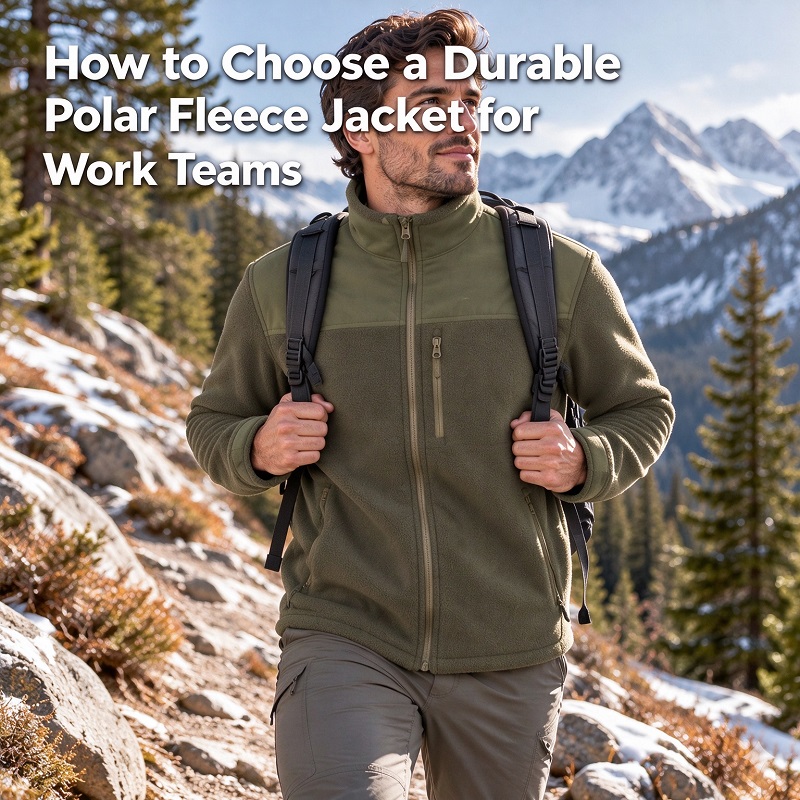
The truth is, not every polar fleece jacket is built for daily industrial use. A style that works for casual retail will fall apart fast when worn 8 hours a day, 5 days a week, around tools, equipment and rough surfaces. After 11 years supplying wo...
VIEW MORE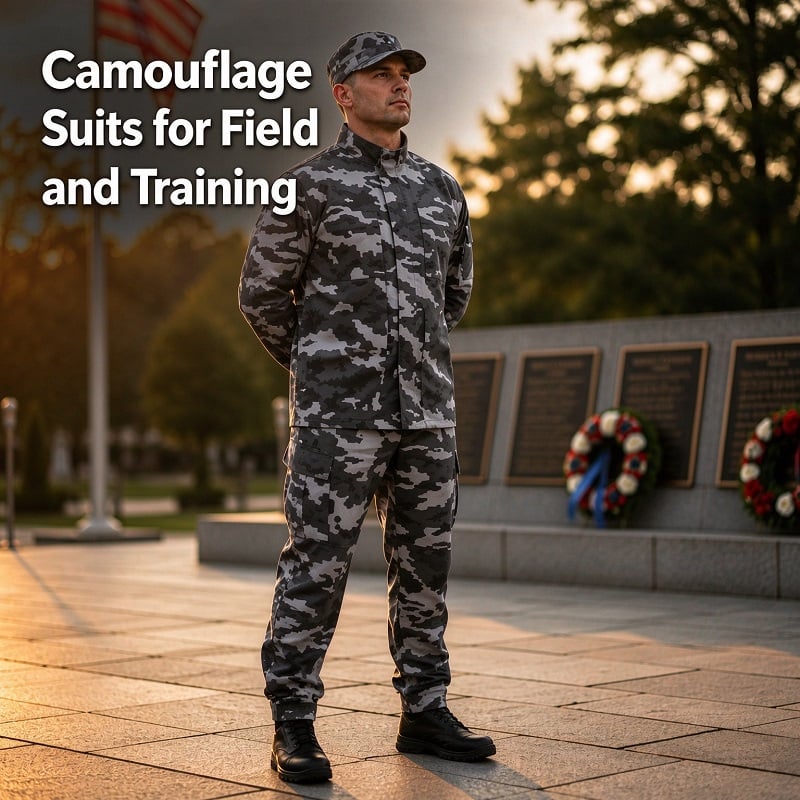
If you source workwear for field crews or training teams, you have likely run into this problem: camouflage suits look sharp in product photos, but tear, fade and fall apart after just weeks of daily outdoor use. The truth is, good camouflage suits a...
VIEW MORE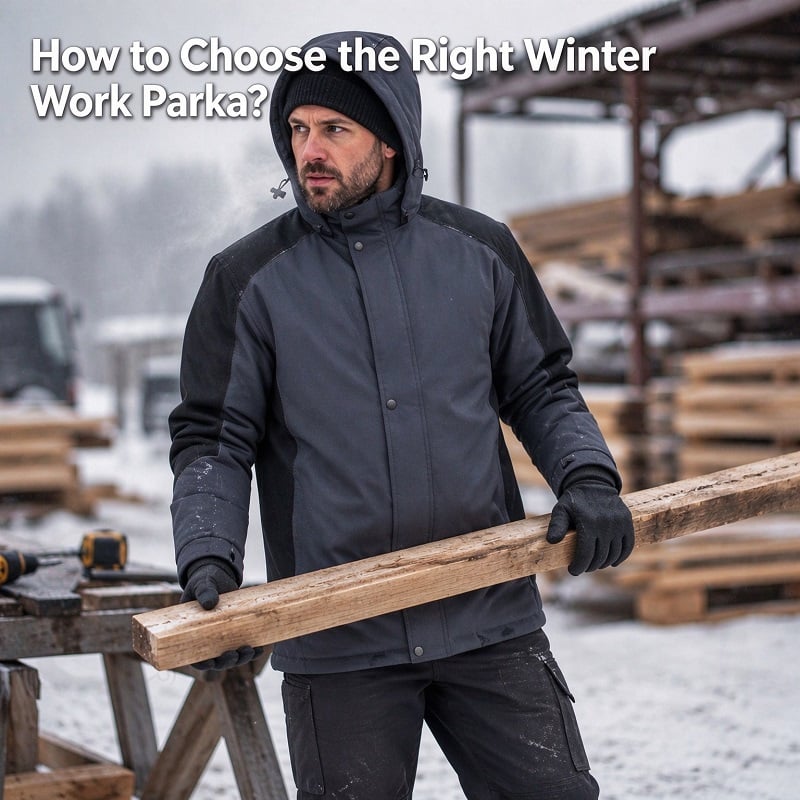
Before you compare fabrics or pricing, lock in two details. The typical outdoor temperature and wind exposure The kind of work your team does (heavy lifting, stationary patrol, freezer entry) A parka that works great for a warehouse picker will not...
VIEW MORE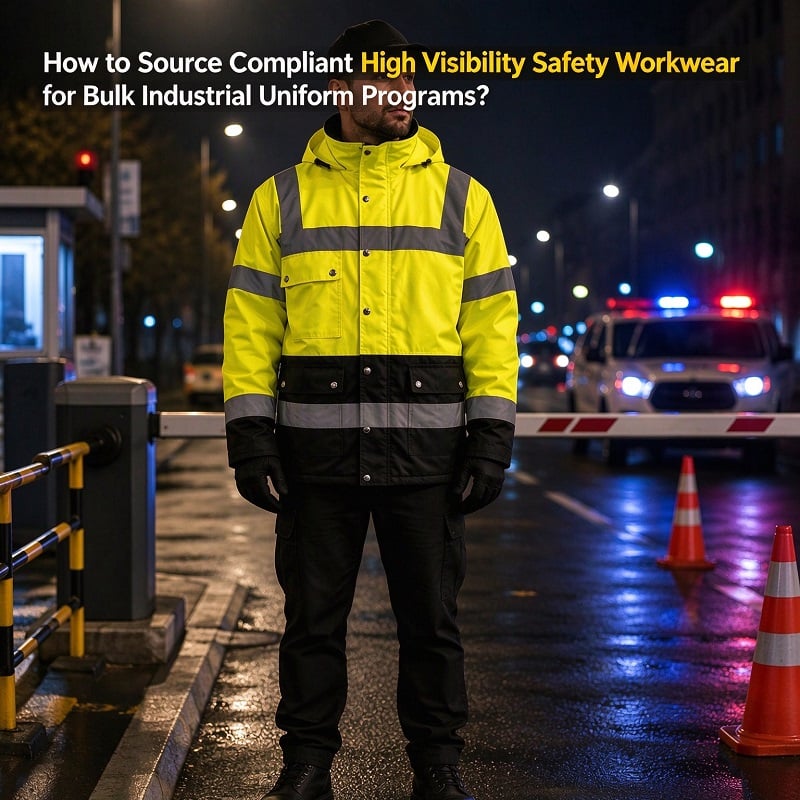
For site safety officers and industrial uniform procurement managers, selecting the right high visibility safety workwear is more than a uniform decision — it is a legal compliance and worker safety requirement. Across construction, roadwork, l...
VIEW MORE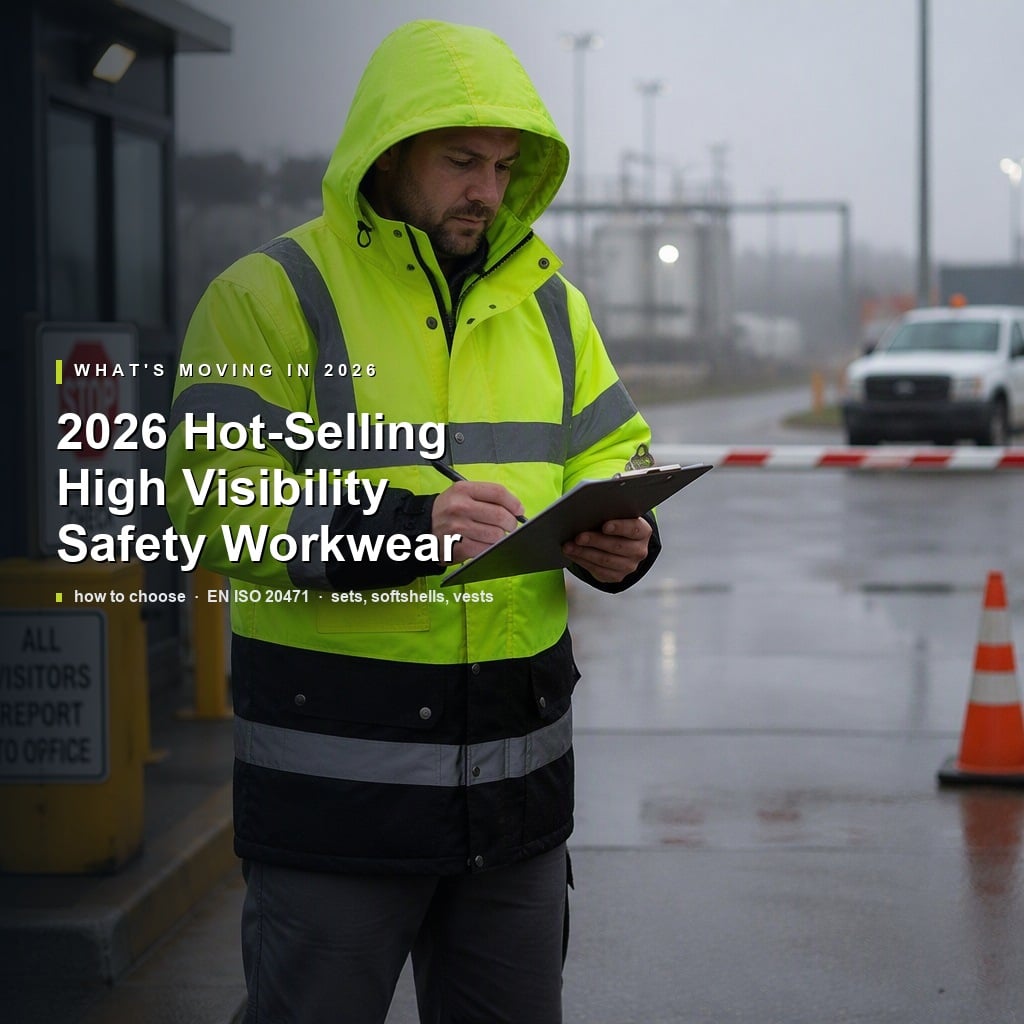
Ask a distributor what changed in high visibility safety workwear this year and the answer is rarely about brightness. It is about which styles they can reorder fast enough. Orders that once arrived as a vest line now arrive as a jacket-and-trouser p...
VIEW MORE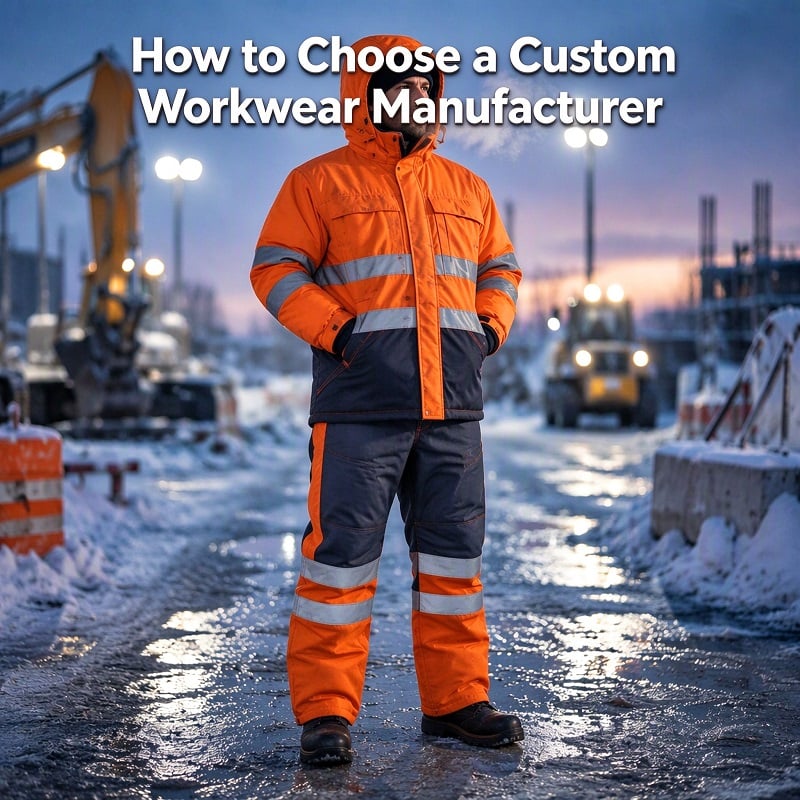
Choosing the right custom workwear manufacturer decides your price, quality, lead time and how the brand looks on the job. The short answer: vet the factory on six things before you commit — category fit, documented certifications, sample quali...
VIEW MORE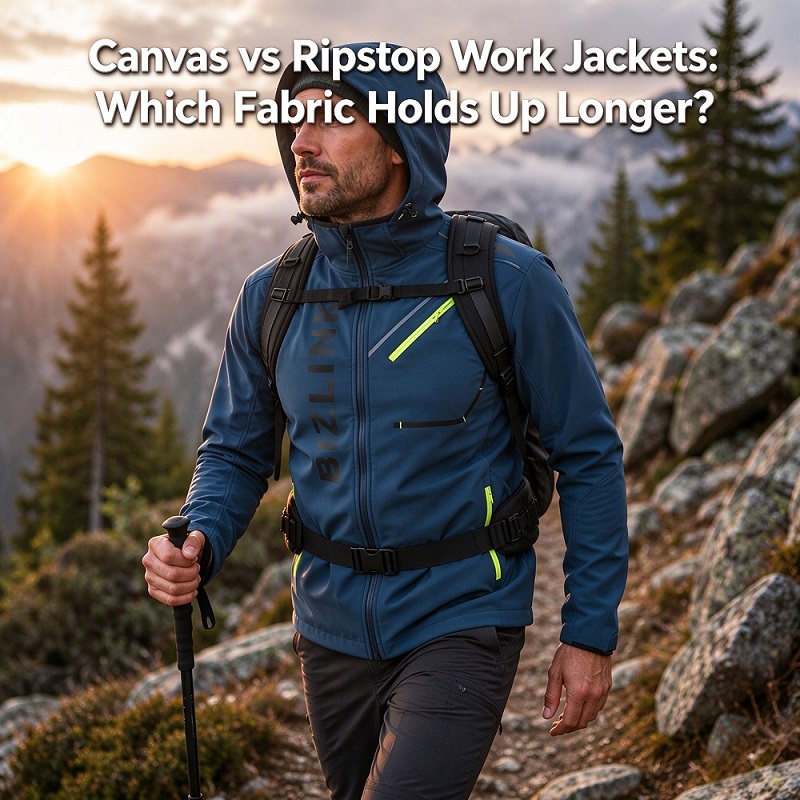
Canvas work jackets hold up better against constant abrasion and cutting, while ripstop work jackets hold up better against tearing and snagging — and that one difference decides which fabric fits your crew. If the job grinds fabric against con...
VIEW MORE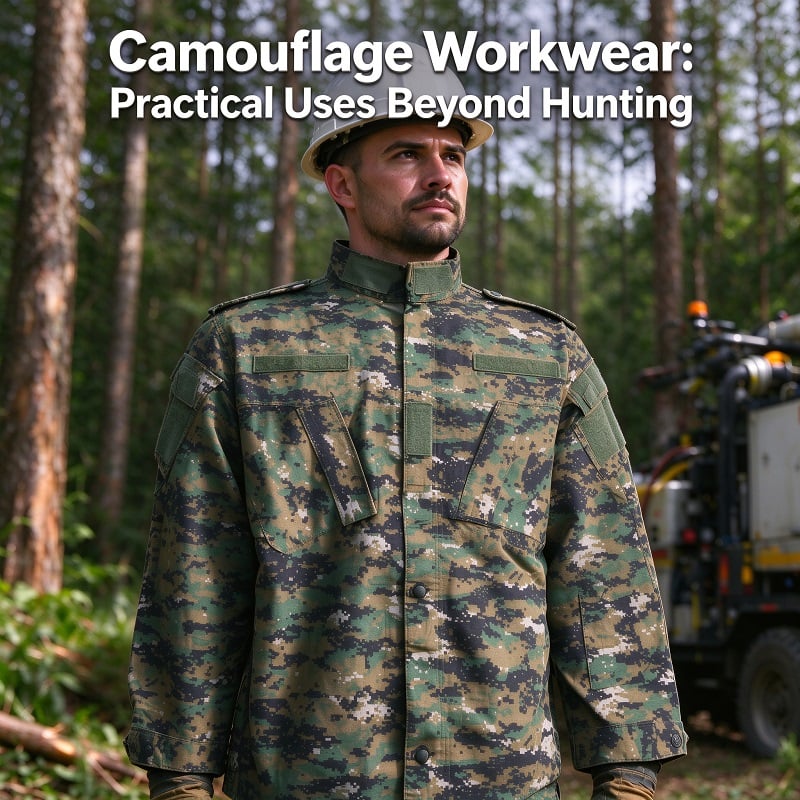
Camouflage workwear earns its place on job sites for three practical reasons that have nothing to do with hunting: it hides dirt and staining between washes, it reduces visual glare in outdoor and remote work, and it fits uniform codes for trades whe...
VIEW MORE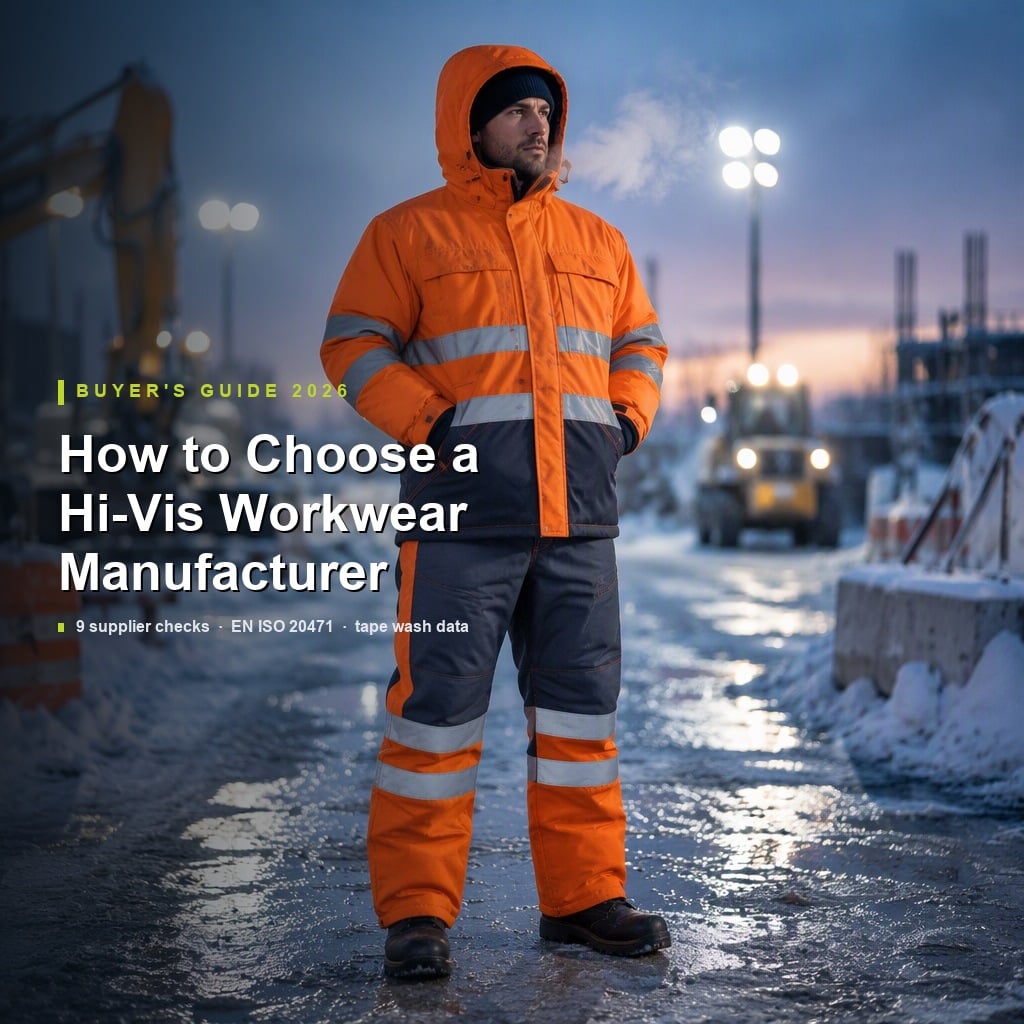
Choosing a hi-vis workwear manufacturer is the easiest part of the job to get wrong on price — and the hardest to fix afterwards. A jacket that fails a retroreflective test does not just cost you the unit price; it costs you the tender, the cl...
VIEW MORE
Choose work bibpants when the crew needs tool-carrying coverage over the torso, knee protection under a jacket, or a garment that stays put on a ladder. Choose work trousers when the job is warm, the crew layers their own jacket, or the task requires...
VIEW MORE
A sample that photographs well can still fail in the field. That is the point of workwear sample approval: it is where you catch the wrong GSM, a mis-graded sleeve, or reflective tape that fades after three washes — while the fix costs days, no...
VIEW MORE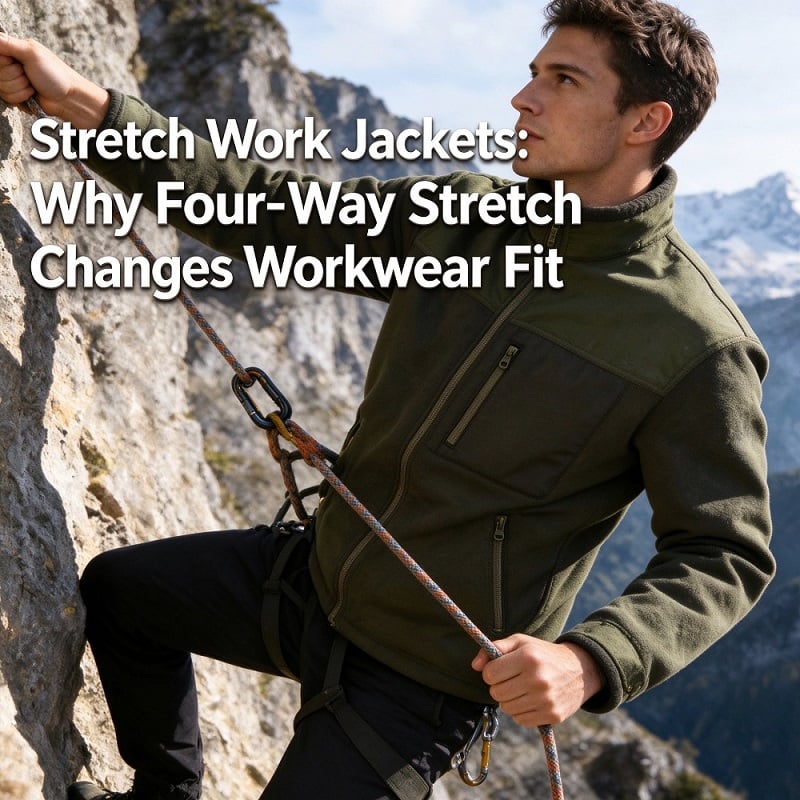
Stretch work jackets use a four-way stretch fabric (spandex or elastane blended into polyester or cotton) so the garment moves with the wearer when they reach, bend or climb a ladder. The main tradeoff buyers need to manage is stretch versus abrasio...
VIEW MORE EN