 EN
EN

Разбирането на връзката между състава на платното, елементите на дизайна и резултатите от експлоатацията е от съществено значение за всеки, който избира или произвежда якета от полярен флис. Нивото на комфорт и топлоизолационната способност на тези дрехи зависят от сложното взаимодействие на характеристиките на фибрите, структурата на плетката, техниките за нанасяне на слоеве и продуманите дизайн решения. Макар много потребители да предполагат, че всички флисови материали осигуряват подобна топлина и мекота, реалността е такава, че нюансите в конструкцията на платното и архитектурата на дрехата водят до значително различни усещания при носене в различни климатични условия и при различни нива на физическа активност.
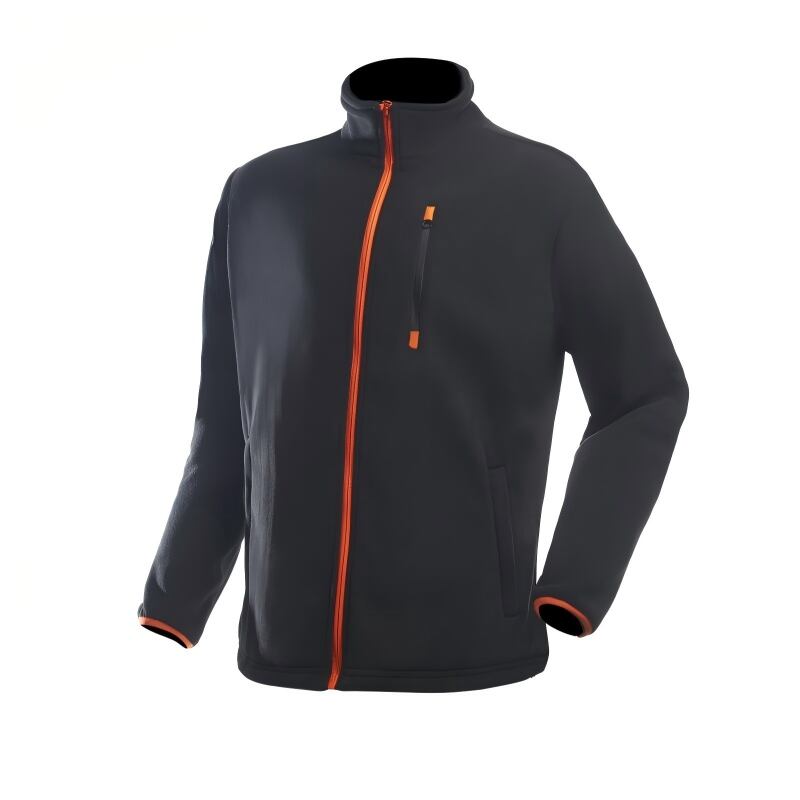
Механизмите, чрез които платното и дизайна влияят върху терморегулацията и тактилния комфорт, са основани на принципите на материалознанието и ергономичното инженерство. Теглото на платното, височината на косъма, денеърът на полиестерните нишки, техниките за изпушване и интегрираните многослойни системи всички допринасят за това колко ефективно якетата от полярен флис задържат телесната топлина, докато управляват влагата под формата на пара. Едновременно с това дизайн-елементите като височината на яката, регулирането на долния ръб, конструкцията на маншетите, разположението на ципа и конфигурацията на вътрешните джобове определят колко добре дрехата се прилепва към тялото и минимизира загубата на топлина през пролуките. В тази статия се анализират тези технически и функционални аспекти, за да се поясни как производствените решения директно формират удовлетвореността на крайния потребител при употреба в студено време.
Състав на платното и термична производителност
Инженерство на полиестерни нишки в материали от полярен флис
Основата на топлоизолацията в якета от полярен флис лежи в специфичната конструкция на полиестерните нишки, използвани по време на производството на платното. Висококачествените флисови материали използват тънки полиестерни филаменти, които са проектирани така, че да максимизират повърхностната площ при минимална тегло. Тези нишки обикновено се произвеждат чрез процеси на изтегляне от разтопено състояние, които контролират молекулярната ориентация и кристалинността, което директно влияе върху способността на платното да задържа въздушни джобове. Колкото по-малък е денерът, толкова по-тънки са отделните нишки, което позволява по-плътно подреждане и по-сложни структури на косъма, които подобряват топлината, без да добавят обем.
Производителите често избират варианти на полиестер с определени свойства за отвеждане на влага, за да се осигури преминаването на потта от кожата към външния слой на платното. Това управление на влагата е от решаващо значение, тъй като задържаната пот намалява ефективността на топлоизолацията, като замества въздушните джобове с водни молекули, които провеждат топлината по-ефективно от въздуха. Напредналите якета от полярен флис включват хидрофобни обработки на фибрите, които отблъскват течна вода, но остават дишани, което гарантира, че носителят ще остане сух и топъл при умерено физическо напрежение. Балансът между хидрофобността и дишането се постига чрез прецизен контрол върху повърхностната химия на фибрите по време на процеса на крайна обработка на текстила.
Структура на плетената тъкан и механизми за задържане на въздух
Методът на плетене, използван за създаване на флисова тъкан, принципно определя нейната топлоизолационна способност. Повечето полярни флисови якета имат основна структура от кръгово или надлъжно плетено полотно, което по-късно се обработва с четка, за да се изправят нишките от едната или и двете страни. Този процес на четкане създава косъместа повърхност, която формира безброй малки въздушни джобове, служещи като основна топлоизолационна среда. Плътността и височината на тази косъместа повърхност директно корелират с топлозадържащата способност: по-дългите и по-плътни косъмести повърхности обикновено осигуряват по-висока топлина. Въпреки това прекалено дългите косъмести повърхности могат да намалят издръжливостта и да увеличат теглото на тъканта, поради което производителите трябва да оптимизират височината на косъместата повърхност според предвиденото приложение.
Различната плътност на плетката също влияе върху това как якетата от полярна фланела реагират на компресия и разтягане. По-плътните плетки по-добре запазват своята пухкавост под налягане, предотвратявайки спадането на въздушните джобове, когато дрехата се носи под защитен слой или се прибира в чанта. По-ридките плетки могат да осигурят по-добра първоначална вентилация, но с повтаряща се употреба по-бързо губят ефективността си като топлоизолация. Напредналите фланелени платове използват многослойни плетени структури, при които плътният основен слой осигурява структурна цялост, а по-ридко изпушеният външен слой максимизира задържането на въздух, създавайки хибридна система, която балансира топлината, издръжливостта и ефективността по отношение на теглото.
Класификация на тежестта на платовете и мащабиране на топлоизолацията
Якетата от полярен флис обикновено се класифицират според теглото на платното, измерено в грама на квадратен метър, което служи като практически показател за топлоизолационната способност. Леките флисови материали с тегло от 100 до 200 грама на квадратен метър са подходящи за умерено студени условия или като среден слой под по-тежки външни дрехи. Тези платна поставят акцент върху дишаемостта и компактността, което ги прави идеални за активни занимания, при които има риск от прегряване. По-ниският пил и по-тънкото основно платно осигуряват ефективна трансмисия на водната пара, поддържайки комфорт на носителя по време на аеробни дейности.
Якета от полярна фланела със средна тежест, обикновено с плътност между 200 и 300 грама на квадратен метър, представляват най-универсалната категория за обща употреба при студено време. Тези дрехи осигуряват достатъчна топлоизолация за статични дейности при умерен студ, като в същото време остават достатъчно дишаеми за лека физическа активност. По-дебелият пил и по-плътната плетена структура създават по-ефективно задържане на въздух без излишна обемност, поради което фланелата със средна тежест е популярна избор за ежедневно външно облекло. Фланеловите материали с голяма тежест, с плътност над 300 грама на квадратен метър, осигуряват максимално топлина при екстремно студени условия или при малоподвижни дейности, но жертват част от дишаемостта и мобилността си поради значителната си дебелина и тежест.
Дизайнерски елементи, които подобряват удобството
Конструкция на яката и покритие на врата
Дизайнът на яката на якетата от полярна фланела играе критична роля за общото удобство, като защитава една от най-чувствителните към топлина части на тялото. Високите яки с предпазители за брадичката предотвратяват проникването на студен въздух около врата и намаляват въздействието на вятърния студ върху долния дял на лицето. Вътрешната страна на добре проектираните яки е облицована с мека, неиритираща фланелова подплата, която изключва раздразнения по време на движение и осигурява възможността носителят да вдига яката за продължителни периоди без раздразнение на кожата. Някои напреднали модели включват еластична окантовка по горния ръб на яката, за да се запази формата ѝ и да се предотврати провисването ѝ, като при това се адаптира към различни размери на врата.
Интеграцията на цип в системата на яката значително влияе върху удобството и терморегулацията. Пълни ципове от полярна фланела с гаражи, които покриват дръжката на ципа в горната част, предотвратяват допира на студения метал с брадичката и защитават ципа от закачане в косми по лицето или кожата. Дизайните с половин цип, които завършват по средата на гърдите, осигуряват по-лесен контрол върху вентилацията, като запазват покритието на горната част на тялото и затова са особено подходящи за дейности с променлива интензивност. Широчината на лентата на ципа и материала на подложката също влияят върху удобството – по-широките ленти разпределят натиска по-равномерно и предотвратяват неудобния натиск на зъбците на ципа върху тялото.
Дизайн на ръкавите и обхват на движението
Конструкцията на ръкавите в якетата от полярна фланела директно влияе както върху топлинната ефективност, така и върху удобството при носене по време на физическа активност. Ръкавите с модел „раглан“, които се простират от яката до подмишницата по диагонална шева, осигуряват по-добра мобилност на раменете в сравнение с ръкавите, вградени в тялото, което ги прави предпочтителни за катерене, достигане или повтарящи се движения на ръцете. Тази конструкция също елиминира точката на налягане от шевовете на раменете, която може да причини неудобство при носене на раница или пренасяне на товари. Липсата на шев точно върху рамото намалява пътищата за загуба на топлина и разпределя напрежението в платното по-равномерно по горната част на торса.
Дизайнът на маншетите е също толкова важен за предотвратяване на изтичането на топлина и за удовлетворяване на предпочитанията за носене на слоеве. Еластичните маншети с достатъчно разтягане осигуряват плътен фит около китката, без да стесняват кръвообращението или да причиняват неудобство при продължително носене. Някои якета от полярен флис имат отвори за палци в маншетите, които поддържат ръкавите на място по време на динамични движения и осигуряват допълнителна защита на ръцете, без обема на ръкавиците. Регулируемите маншети с лепкава („велкро“) закопчавка предлагат персонализиран фит, но могат да добавят тегло и потенциални точки за закачане, което изисква внимателно преценяване в зависимост от целевата среда за употреба и предпочитанията на потребителя.
Фит на торса и съвместимост с носене на слоеве
Общият профил на прилягане на якетата от полярен флис определя колко ефективно те функционират в рамките на система за носене на слоеве, като запазват комфорт. Атлетичните или тесни модели минимизират излишната тъкан, която може да се гърчи под външните обвивки, създавайки стегнат силует, който намалява обема и подобрява аеродинамиката по време на активни занимания. Тези модели работят най-добре като средни слоеве, но могат да ограничават движението, ако се носят като самостоятелни дрехи по време на високоинтензивни дейности. Намаленият обем въздух в по-стегнатата дреха също може леко да намали ефективността на топлоизолацията в сравнение с по-широките модели, което изисква от потребителите да балансират топлинната производителност спрямо ефективността на системата за носене на слоеве.
Поларните фланелени якета със свободен или стандартен крой позволяват по-дебели основни слоеве и по-голяма циркулация на въздуха, което може да подобри комфорта по време на дейности с ниска интензивност или при променливи температурни условия. Допълнителното пространство улеснява обличането и свалянето, особено при използване на ръкавици или в стеснени пространства. Регулировките на долния край, като еластични връвчици за стягане или шокови връвчици, позволяват на потребителите да персонализират отвора в долната част, за да се предотврати проникването на студен въздух, но същевременно да се осигури вентилация при нужда. Разположението на тези регулировки — вътрешно или външно — влияе както върху функционалността, така и върху визуалния вид: вътрешните системи осигуряват по-чисти линии, но изискват повече усилие за достъп.
Механизми за топлоизолация в архитектурата на фланелата
Поддържане на надутия обем и възстановяване след компресия
Способността на якетата от полярен флис да запазват височината си след компресия пряко влияе върху дългосрочната им топлоизолационна ефективност. Висококачествените флисови материали проявяват отлични характеристики на възстановяване и бързо възстановяват първоначалната си дебелина след опаковане или компресия под други слоеве. Тази устойчивост зависи от еластичните свойства на полиестерните нишки и от структурната цялост на плетения основен плат. Платовете с по-висока къдравост на нишките и тримерни плетени архитектури по-добре се противопоставят на постоянната компресия в сравнение с по-простите конструкции, което гарантира последователна топлина през целия живот на дрехата.
Повторните цикли на пране и сушене могат да намалят способността на материала да запазва обема си, ако не се управляват правилно. Агресивните препарати за пране, високата температура и механичното разбъркване могат да повредят повърхността на фибрите, което води до загуба на еластичност и сплъстване на фибрите. Производителите на висококачествени якета от полярен флис често прилагат издръжливи финишни обработки, които предпазват фибрите по време на перене, без да компрометират мекотата и приятното усещане на тъканта. Инструкциите за грижа обикновено препоръчват пране със студена вода, сушене в сушилня при ниска температура и избягване на препарати за мекота на тъканите, тъй като те могат да образуват филм върху фибрите и да намалят както обема, така и способността на тъканта да отвежда влага. Правилните протоколи за поддръжка гарантират, че топлоизолационната способност остава постоянна в продължение на стотици цикли на употреба.
Устойчивост към вятър и интеграция на външния слой
Докато традиционните якета от полярен флис се отличават с отлична топлоизолация, отворената им плетена структура осигурява минимална устойчивост на вятъра, което позволява на студения въздух да проникне през платното и да измести топлия въздух, задържан в косъма. Това ограничение е подтикнало разработването на хибридни модели, които интегрират мембрани, блокиращи вятъра, или плътно преплетени външни платна заедно с изолационни слоеве от флис. Такива конструкции запазват мекотата и дишаемостта на вътрешните флисови слоеве, като едновременно добавят защитен външен барие, който значително подобрява топлинната ефективност при ветровити условия, без да се налага допълнително външно облекло.
Някои якета от полярен флис включват стратегически разположени вятроустойчиви панели в зоните с висока експозиция, като например гърдите, раменете и горната част на ръцете, докато гърбът и подмишниците остават от стандартна фланела за по-добра вентилация. Този зонален подход оптимизира баланса между топлинното задържане и управлението на влагата въз основа на разпределението на телесната топлина и нуждите от вентилация. Методът на интеграция — независимо дали ламиниран, свързан или механично прикрепен — влияе върху еластичността, издръжливостта и възможността за перене; ламинираните системи обикновено осигуряват по-висока производителност, но са по-скъпи и по-сложни.
Управление на влагата и терморегулация
Ефективното управление на влагата е от съществено значение за поддържане на изолационните характеристики на якета от полярен флис по време на активно използване. Когато потта се натрупва в тъканта, тя заема въздушните пространства, които иначе биха задържали топъл въздух, намалявайки термичната ефективност и предизвиквайки неприятно лепкаво усещане до кожата. Напредналите флисови материали използват хидрофобни обработки на фибрите и градиентни плетени структури, които активно пренасят влагата от вътрешната повърхност към външната, където тя може да се изпари в околната среда или да бъде абсорбирана от външните слоеве.
Скоростта на изсъхване на фланелената тъкан значително влияе върху удобството по време на променливи активности, като например пешеходни походи с чести почивки. Полярните фланелени якета с бързо изсъхване предотвратяват натрупването на влага по време на физическо напрежение и бързо освобождават запазената влага по време на почивка, поддържайки постоянен микроклимат до кожата. Тази експлоатационна характеристика зависи от повърхностната площ на фибрите, дебелината на тъканта и нивото на влажност в околната среда. В среда с висока влажност дори хидрофобната фланел може да има затруднения с бързото изсъхване, което налага проектиране на допълнителни функции, като например вентилационни ципове под мишниците или по страничните части, за да се подпомогне циркулацията на въздуха и ускори отстраняването на влагата.
Дизайнерски функции, които оптимизират запазването на топлинна изолация
Разположение на джобовете и предотвратяване на загуба на топлина
Джобовете в якета от полярна фланела създават потенциални термични уязвимости, ако не са внимателно проектирани и разположени. Джобовете за затопляне на ръцете, поставени на височина на средната част на торса, позволяват на носителя да затопли ръцете си чрез телесното си топло, като едновременно с това се минимизира нарушението на платното в критичните зони за топлоизолация. Въпреки това отворите на джобовете могат да създадат пътища за циркулация на въздух, които позволяват изтичане на топлия въздух, ако джобовите кесии не са правилно запечатани или ако отворите са прекалено големи. Вътрешните джобове от мрежест материал осигуряват функционалност за съхранение, като едновременно с това минимизират теглото, но джобовете от плътен фланелов материал осигуряват по-добра непрекъснатост на топлоизолацията, като запазват слоя, задържащ въздуха, по цялата площ на джоба.
Джобовете с ципове добавят сигурност за ценни предмети, но внасят допълнителни шевове и затварящи системи, които могат да създадат студени зони, ако не са подходящо изолирани. Някои премиум якета от полярна фланела включват капаци на джобовете, подплатени с фланела, или двойни конструкции на джобовете, които запазват цялостта на изолацията, без да жертват сигурното съхранение. Посоката на ципа — вертикална, хоризонтална или диагонална — влияе върху лесния достъп и разпределението на структурното напрежение; вертикалните ципове обикновено осигуряват по-естествени ъгли за вкарване на ръката. Гърдните джобове, разположени над основната изолационна зона, осигуряват удобен достъп, без да компрометират топлината в основната част на тялото, поради което са популярни за съхранение на често използвани предмети като мобилни телефони или енергийни барове.
Системи за регулиране на долния край и кръста
Регулируемите системи за долна част на полярни фланелови якета изпълняват двойна функция: персонализиране на посадката и предотвратяване на проникването на студен въздух отдолу. Еластичните шнурове със затягащи устройства позволяват на носителя да стегне плътно долната част на якето около тялото при екстремно студено време или силни ветрове, като създава уплътнение, което задържа топлия въздух вътре в дрехата. Тази регулировка става особено важна, когато якето се носи като външен слой, тъй като студеният въздух, проникващ отдолу, може бързо да изведе загрят въздух от вътрешността. Разположението на точките за регулиране на шнуровете — независимо дали са по страничните шевове, предната или задната долна част — влияе върху удобството при използване и върху крайния профил на посадката.
Дизайните с намалена дължина отзад или удължени подгъви осигуряват допълнителна защита на долния гръб и ягодиците – области, които често оголват при навеждане или сядане. Тази удължена защита е особено ценна при якета от полярен флис, предназначени за работа на открито, зимни спортове или продължително излагане на студено време. Формата на подгъва – права, извита или артикулирана – влияе върху начина, по който дрехата се спуска над ханша и дали остава на мястото си по време на движение. Артикулираните подгъви с оформяне отпред назад по-добре следват контурите на тялото и намаляват набръчкването, което подобрява както удобството, така и топлинната ефективност чрез поддържане на постоянен контакт между платното и тялото.
Оптимизация на интерфейса за слоеве
Интерфейсът между якетата от полярен флис и съседните слоеве в една облечна система значително влияе върху общата топлинна производителност и удобството. Гладките вътрешни повърхности осигуряват лесно плъзгане върху основните слоеве, предотвратявайки набръчкване на платното и намалявайки статичното привличане. Някои производители използват антистатични обработки или интегрират проводими нишки в плетката на флиса, за да разсейват електрическите заряди, които могат да причиняват неудобство и да привличат пухчета. Текстурата на вътрешния платен материал трябва да осигурява баланс между гладкостта за лекота на движение и достатъчното триене, за да се предотврати изместването нагоре на основния слой по време на движения на ръцете или завъртания на торса.
Външните повърхностни характеристики на якетата от полярен флис определят съвместимостта им с външни слоеве. Флисовите материали с гладка повърхност намаляват триенето спрямо нейлонови или полиестерни външни тъкани, което позволява на слоевете да се движат независимо, без да се закачат един за друг. Тази независимост е от решаващо значение за запазване на обхвата на движение по време на динамични дейности като катерене или скиоране. Повърхности с текстура или с висок пил (дълги нишки) могат да осигурят леко по-добра улавяне на въздух, когато се носят като външни слоеве, но могат да се закачат за вътрешните повърхности на външните тъкани, предизвиквайки съпротивление и ограничавайки подвижността. Някои хибридни модели имат гладки външни панели в зоните с високо триене, като раменете и страничните части, докато запазват текстуриран флис на гърдите и гърба за балансирана производителност.
Иновации в материали и подобряване на експлоатационните характеристики
Двукомпонентни флисови технологии
Скорошните постижения в областта на текстилното инженерство доведоха до създаването на бикомпонентни полярни флис якета, които комбинират различни варианти на полиестер в рамките на една и съща тъканна структура. Тези материали обикновено имат хидрофилна влакнена компонента от вътрешната страна, която активно отвежда влага от кожата, и хидрофобна външна компонента, която бързо извежда влагата в околната среда. Този влагов градиент създава ефект на помпене, който ускорява преноса на потта, поддържайки по-сухи условия в непосредствена близост до кожата, без да се компрометира топлоизолационната способност на тъканта. Разположението на влакната може да е странично-странично в рамките на отделните нишки или слоево в плетивната структура, като всяка конфигурация предлага различни експлоатационни характеристики.
Друг подход с два компонента интегрира филаменти с кухо ядро и плътни филаменти в стратегически определени съотношения по цялата повърхност на платното. Полиестерните филаменти с кухо ядро улавят допълнителен въздух в самия филамент, което увеличава топлоизолационните свойства за единица тегло в сравнение с плътните филаменти. Тази технология позволява на производителите да създават по-леки якета от полярен флис с еквивалентна топлина спрямо по-тежките традиционни конструкции или да постигнат превъзходна топлоизолация при стандартно тегло. Филаментите с кухо ядро също подобряват компресибилността и възстановяването на обема (лофт), тъй като тръбната им структура по-добре устойчива на постоянната деформация в сравнение с плътните филаменти при натоварване с компресия.
Устойчиво набавяне на филаменти и технически характеристики
Растящият акцент върху екологичната отговорност е подтикнал разработването на якета от полярна фланела, произведени от рециклиран полиестер, предимно от пластмасови бутилки, използвани от крайния потребител. Съвременните процеси на рециклиране сега произвеждат рециклирани полиестерни нишки с експлоатационни характеристики, почти идентични на тези на първичните материали, включително сравними здравина, издръжливост и способност за отвличане на влага. Процесите на стопяване и повторно екструдиране могат да се контролират така, че да се постигнат определени дениери на нишките и повърхностни обработки, което позволява рециклираното съдържание да отговаря на изискващите технически спецификации за външни дрехи.
Някои производители са постигнали затворени системи за рециклиране, при които полярни фланелени якета в края на техния жизнен цикъл се събират, подлагат се на химична или механична обработка и се превръщат във влакно за нови дрехи. Този циркулярен подход намалява екологичното въздействие, като запазва качеството на материала през множество жизнени цикли. Също така се появяват био-базирани алтернативи на полиестер, получени от растителни материали, макар че настоящите поколения обикновено проявяват леко различни експлоатационни характеристики в сравнение с полиестерите, произведени от петрол, особено по отношение на управлението на влагата и издръжливостта. Като тези технологии се съвършенстват, те могат да предложат еквивалентна или дори по-добра техническа производителност, като едновременно намаляват въглеродния отпечатък от производството на полярни фланелени якета.
Антимикробни и контролиращи миризмата обработки
Дълготрайното носене на якета от полярен флис по време на активни занимания може да доведе до образуване на миризма, тъй като бактериите метаболизират задържаната пот и телесни масла в структурата на платното. Антимикробните обработки, приложени по време на текстилната отделка, потискат растежа на бактерии, намаляват образуването на миризми и удължават интервала между необходимите перки. Обработките с йони на сребро, четвъртични амониеви съединения и алтернативи на триклозана предлагат различни профили на ефикасност, устойчивост при перене и екологични последици. Премиум якетата от полярен флис често включват дълготрайни антимикробни технологии, които запазват ефективността си в продължение на стотици перки и осигуряват свежест през целия живот на дрехата.
Освен химичните методи за обработка, някои тъкани по своята структура естествено се противопоставят на образуването на миризми благодарение на геометрията на фибрите и модификации на повърхността, които предотвратяват прилепването на бактерии. Гладките повърхности на фибрите с минимална текстура осигуряват по-малко точки за закрепване на микроорганизми, докато хидрофобните повърхностни обработки намаляват достъпността на влага, необходима за растежа на бактериите. Комбинацията от механични и химични стратегии за контрол на миризмите осигурява най-ефективна производителност, особено при якета от полярен флис, предназначени за многодневни експедиции или дейности с висока интензивност, при които честото перене е непрактично. Тези технологии подобряват комфорта, като позволяват продължително носене без социалния дискомфорт, свързан с забележимото образуване на миризми.
Често задавани въпроси
По-голямата тежест на платното винаги ли означава по-добра топлоизолация при якета от полярен флис?
По-високата тежест на платното обикновено корелира с увеличена топлоизолационна способност поради по-дебелия пил и по-големия обем за задържане на въздух, но връзката не е строго линейна. Над определен праг на тежест допълнителната дебелина дава намаляващи възвращения по отношение на топлината, докато значително увеличава обема и намалява пропускливостта за въздух. Най-ефективните якета от полярен флис оптимизират тежестта на платното според предвидената област на употреба, като балансират изискванията за топлоизолация с нуждите от мобилност и съвместимостта със системата за носене на слоеве. Якето от флис със средна тежест (300 г) може да осигури по-добра обща производителност в сравнение с по-тежко якето (400 г), ако допълнителната тежест ограничи обхвата на движение или причини прегряване по време на физическо напрежение.
Могат ли конструктивните особености да компенсират по-ниското качество на флис платното по отношение на топлинната му производителност?
Дизайнерските характеристики, като високи яки, регулируеми подгъви и вятроустойчиви панели, могат частично да намалят експлоатационните ограничения на полярния флис от по-ниско качество, но не могат напълно да компенсират фундаменталните недостатъци на материала. Ниското качество на фибрите, недостатъчната плътност на косъма или слабата плетена структура в крайна сметка ще намалят ефективността на топлоизолацията независимо от дизайна на дрехата. Най-успешните якета от полярен флис комбинират високопроизводителен материал с продуман дизайн, който действа синергично, за да максимизира топлината, удобството и издръжливостта. Инвестирането в качествени основни материали осигурява по-голяма дългосрочна стойност в сравнение с разчитането само на дизайнерски елементи, за да се преодолеят недостатъците на материала.
Какво влияние оказва натрупването на влага от потенето върху топлоизолационната способност на якетата от полярен флис?
Натрупването на влага значително намалява изолационната способност, тъй като водата има термична проводимост, която е приблизително двадесет и пет пъти по-висока от тази на въздуха, което означава, че пренася топлината далеч от тялото много по-ефективно в сравнение с въздушните джобове, които осигуряват изолацията на флиса. Когато потта насити флисовата повърхност, тя измества уловения въздух и създава директен топлинен път за загуба на топлина. Напредналите якета от полярен флис преодоляват този проблем чрез хидрофобни обработки на фибрите и ефективни архитектури за отвеждане на влагата, които активно пренасят потта далеч от кожата и подпомагат бързото ѝ изпаряване, запазвайки структурата за задържане на въздух и поддържайки топлинната ефективност по време на активно използване.
Има ли специфични конструктивни елементи, които правят якетата от полярен флис по-подходящи за активно, отколкото за статично използване?
Якетата от полярна фланела за активно използване обикновено са изработени от по-леки тъкани, имат спортен крой, ципове за вентилация и минимален обем, за да осигурят неограничена подвижност и да предотвратят прегряване по време на физическо напрежение. Моделите за статично използване се фокусират върху максималната топлоизолация чрез по-тежки тъкани, по-свободен крой, който позволява носенето на по-дебели основни дрехи, и всеобхватни елементи за защита от студения въздух, като високи яки и регулируеми долни ръбове. Артикулираните ръкави, подмишничните вставки и еластичните панели подобряват мобилността при активни занимания, докато удълженото покритие на торса и изолираните джобове са предимство при статични дейности. Разбирането на основния начин на използване позволява избор на конструктивни елементи, които оптимизират удобството и производителността за конкретни видове дейности и климатични условия.
Съдържание
- Състав на платното и термична производителност
- Дизайнерски елементи, които подобряват удобството
- Механизми за топлоизолация в архитектурата на фланелата
- Дизайнерски функции, които оптимизират запазването на топлинна изолация
- Иновации в материали и подобряване на експлоатационните характеристики
-
Често задавани въпроси
- По-голямата тежест на платното винаги ли означава по-добра топлоизолация при якета от полярен флис?
- Могат ли конструктивните особености да компенсират по-ниското качество на флис платното по отношение на топлинната му производителност?
- Какво влияние оказва натрупването на влага от потенето върху топлоизолационната способност на якетата от полярен флис?
- Има ли специфични конструктивни елементи, които правят якетата от полярен флис по-подходящи за активно, отколкото за статично използване?