 EN
EN
Understanding the engineering behind stretch pants has become essential for professionals who demand both mobility and durability in their workwear. Unlike traditional rigid trousers, stretch pants incorporate specialized fabric technologies and design principles that allow garments to move with the wearer while maintaining their shape and professional appearance. Whether you work in construction, landscaping, outdoor industries, or any field requiring physical activity, knowing what makes quality stretch pants perform effectively helps you make informed purchasing decisions that directly impact your comfort and productivity throughout demanding workdays.
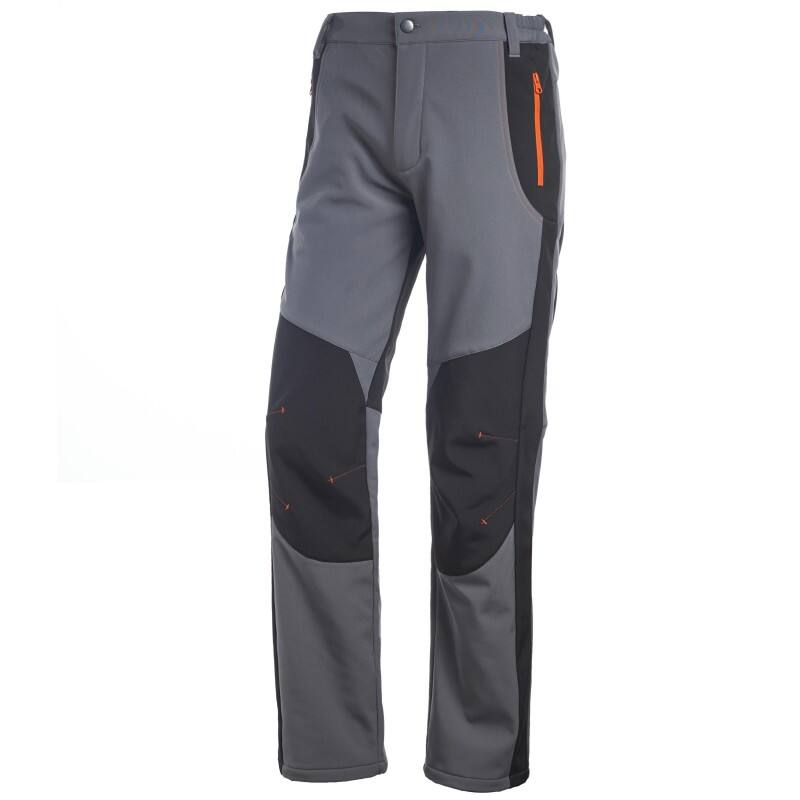
The performance of stretch pants depends on multiple interconnected factors spanning material composition, construction techniques, and thoughtful design elements. Modern stretch pants represent a sophisticated balance between elasticity, strength, breathability, and longevity. This comprehensive guide examines the critical fabric technologies and design considerations that separate exceptional stretch pants from mediocre alternatives, providing you with the technical knowledge needed to evaluate products effectively and select workwear that truly meets the physical demands of your profession while delivering lasting value.
Core Fabric Technologies That Enable Stretch Performance
Understanding Elastane and Spandex Integration
The foundation of any quality stretch pants lies in the strategic incorporation of elastane fibers, commonly known by the brand name Spandex or Lycra. These synthetic elastic fibers possess the remarkable ability to stretch up to five to seven times their original length before returning to their initial state without deformation. In stretch pants designed for professional use, elastane typically comprises between two and five percent of the total fabric composition, blended with base materials like cotton, polyester, or nylon. This precise percentage matters significantly because too little elastane results in insufficient flexibility, while excessive amounts can compromise durability and create an overly clingy fit that appears unprofessional in work environments.
The distribution method of elastane within the fabric structure determines how stretch pants respond to movement. Core-spun elastane technology wraps elastic fibers with protective outer materials, creating yarns that deliver consistent stretch while resisting degradation from repeated washing, UV exposure, and physical stress. This construction method ensures that stretch pants maintain their recovery properties even after months of regular use. High-quality stretch pants utilize elastane in both warp and weft directions, creating what manufacturers call four-way stretch capability, which allows the fabric to expand horizontally across the body and vertically along the leg length, accommodating complex movements like squatting, climbing, and reaching without restriction.
Base Fabric Selection and Blend Engineering
While elastane provides the stretch mechanism, the base fabric determines the overall character, durability, and functional performance of stretch pants. Cotton-elastane blends offer natural breathability and comfort against the skin, making them suitable for moderate-intensity work in temperate climates. However, pure cotton blends absorb moisture and dry slowly, which can become problematic during physically demanding tasks. Polyester-elastane combinations provide superior moisture-wicking properties, faster drying times, and enhanced abrasion resistance, making them ideal for stretch pants intended for outdoor work or high-movement applications where perspiration management matters.
Advanced stretch pants often employ tri-blend fabrics that combine cotton, polyester, and elastane in engineered ratios designed to capture the benefits of each component. A common professional-grade formula might consist of sixty-five percent polyester for durability and moisture transport, thirty-three percent cotton for comfort and breathability, and two percent elastane for mobility. Some manufacturers incorporate nylon into their stretch pants formulations to increase tensile strength and abrasion resistance in high-wear zones like knees and seat areas. The specific blend ratio profoundly affects how stretch pants perform across different variables including comfort, durability, appearance retention, and maintenance requirements, making fabric composition one of the most critical factors to evaluate when selecting workwear.
Mechanical Stretch Versus Chemical Stretch Properties
Not all stretch in stretch pants comes from elastane content alone. Some fabrics achieve a degree of flexibility through mechanical stretch, created by specific weaving or knitting patterns that allow yarns to shift position relative to each other. Twill weaves, for example, naturally possess more give than plain weaves due to their diagonal pattern construction. While mechanical stretch contributes to overall comfort in stretch pants, it provides significantly less recovery force than elastane-based chemical stretch, meaning the fabric may gradually lose its shape and develop knee bags or seat sag over time with repeated wear.
Premium stretch pants combine both mechanical and chemical stretch properties to optimize performance. The weave structure provides initial ease of movement and a softer hand feel, while elastane content ensures the fabric springs back to its original dimensions after stretching. This dual-mechanism approach allows manufacturers to use lower elastane percentages while still achieving excellent mobility characteristics, which can improve durability and reduce manufacturing costs. Understanding this distinction helps explain why two pairs of stretch pants with identical elastane percentages might perform differently in real-world conditions, with the superior product incorporating thoughtful weave engineering alongside chemical stretch technology.
Critical Design Elements That Maximize Functionality
Articulated Construction and Ergonomic Patterning
The cut and pattern of stretch pants dramatically influence how effectively the fabric's stretch properties translate into practical mobility. Articulated knee construction incorporates curved seam lines and additional fabric panels that pre-shape the leg to match natural bent-knee positions. This design approach reduces tension on the fabric when kneeling or squatting, distributing stress more evenly and preventing the fabric from reaching its maximum stretch capacity during routine movements. Quality stretch pants feature anatomically mapped patterns that account for the body's natural contours and movement patterns, positioning seams and fabric grain directions to work with rather than against the wearer's motion.
Gusseted crotch construction represents another critical design element in professional-grade stretch pants. A diamond-shaped fabric insert at the crotch intersection eliminates the converging seam point where four fabric panels traditionally meet, which creates a stress concentration point prone to tearing and restriction. The gusset allows the stretch pants to accommodate a wider range of leg positions without pulling fabric tight across the inner thigh or creating uncomfortable pressure points. This seemingly minor design detail significantly extends the functional lifespan of stretch pants while improving comfort during activities requiring wide leg stances or high knee lifts, common movements in construction, landscaping, and trade work.
Waistband Engineering and Fit Retention Systems
The waistband design of stretch pants plays a crucial role in overall comfort and professional appearance. Traditional rigid waistbands create pressure points and restrict core movement, particularly when bending or reaching. Modern stretch pants incorporate elastic comfort waistbands that flex with torso movement while maintaining sufficient structure to support loaded pockets and tool belts without sagging. The most effective waistband designs combine a visible structured exterior that maintains a professional appearance with an interior elastic component that provides the actual stretch functionality, creating what industry professionals call a comfort stretch waistband system.
Waistband width affects both comfort and functionality in stretch pants. Wider waistbands distribute pressure across a larger surface area, reducing the likelihood of the binding sensation that occurs when bending or sitting for extended periods. However, excessively wide waistbands can interfere with tool belt positioning and create bulky appearance issues. Quality stretch pants typically feature waistbands measuring between three and four centimeters in width, striking an optimal balance between comfort and practicality. Interior gripper tape or silicone strips help keep stretch pants properly positioned without requiring excessively tight adjustment, particularly important when carrying tools or equipment in utility pockets that add weight and create downward pull on the garment.
Pocket Placement and Reinforcement Strategy
Pocket design in stretch pants requires careful engineering to prevent stretch fabric from deforming under the weight of tools, phones, and other carried items. Strategic pocket placement positions openings and storage volumes to work with body contours and movement patterns rather than interfering with mobility. Front pockets in quality stretch pants typically feature reinforced pocket bags constructed from non-stretch or low-stretch fabric that maintains its shape even when loaded, preventing the unsightly pocket sag that occurs when elastic fabric supports heavy objects over time.
Cargo pockets on the thigh area of stretch pants present particular design challenges because this location experiences significant fabric stretch during leg movement. Premium stretch pants incorporate reinforced pocket frames using bartack stitching or fabric doubling at stress points where pocket edges attach to the main garment body. Some designs utilize semi-rigid pocket structures that maintain consistent volume and shape regardless of leg position, ensuring easy access to stored items even during dynamic movement. The pocket opening angle and depth also matter significantly, with thoughtfully designed stretch pants positioning pockets to remain accessible and secure across the full range of working positions from standing to kneeling to climbing.
Durability Features and Longevity Considerations
Abrasion Resistance and Reinforcement Zones
While stretch properties enable mobility, durability determines the practical lifespan of stretch pants in demanding work environments. High-wear areas including knees, seat, inner thighs, and pocket edges require specific reinforcement strategies to prevent premature failure. Double-layer fabric construction in these zones significantly extends wear life, though manufacturers must carefully select reinforcement materials that maintain reasonable flexibility to avoid creating stiff patches that restrict the very mobility stretch pants are designed to provide. Some advanced stretch pants incorporate abrasion-resistant synthetic panels in strategic locations while maintaining stretch fabric in areas requiring maximum flexibility.
The denier rating of yarns used in stretch pants directly correlates with abrasion resistance and tear strength. Higher denier numbers indicate thicker, more robust yarns that withstand repeated friction and stress better than lightweight alternatives. Professional-grade stretch pants typically utilize yarns in the four hundred to six hundred denier range for exposed areas, balancing durability with reasonable weight and breathability. However, excessive fabric weight can reduce the effective stretch performance and create uncomfortable bulk, particularly in hot weather conditions. The most sophisticated stretch pants employ variable denier construction, using heavier yarns in high-stress zones while maintaining lighter, more flexible fabrics in areas requiring maximum mobility and breathability.
Seam Construction and Stitch Integrity
Seam engineering represents a critical but often overlooked aspect of stretch pants performance. Standard lock-stitch seams used in traditional trousers lack the elasticity needed to accommodate the repeated stretching that defines stretch pants usage. When inelastic thread secures elastic fabric, the thread becomes the failure point, breaking under stress loads that the fabric itself could easily accommodate. Quality stretch pants utilize stretch thread or employ specialized stitch patterns that build stretch capacity into the seam itself, ensuring that joined fabric sections can extend together without thread breakage or seam rupture.
Flatlock and coverstitch seam construction methods provide superior performance in stretch pants compared to conventional seaming techniques. These approaches create seams that lie flat against the skin, reducing chafing and irritation during movement while offering inherent stretch properties that match the fabric's flexibility. Reinforcement stitching at stress points including pocket corners, fly openings, and crotch seams dramatically extends the functional life of stretch pants. Bartack stitching creates dense, reinforced stitch zones that distribute stress across a larger area, preventing the seam separation and fabric tearing that commonly occurs at these high-stress locations. Examining seam quality and construction method provides valuable insight into the overall durability and engineering sophistication of stretch pants.
Shape Retention and Recovery Performance
The ability of stretch pants to return to their original dimensions after stretching determines their long-term appearance and fit consistency. Stretch recovery involves both immediate snapback when stress is removed and long-term shape retention after repeated wear and washing cycles. High-quality elastane fibers maintain consistent recovery force through hundreds of stretch cycles, while inferior elastic materials progressively lose their rebound properties, resulting in stretch pants that become baggy and loose-fitting over time. Testing protocols measure recovery percentage after extended stretching, with premium stretch pants maintaining at least ninety-five percent recovery even after substantial use.
Fabric stabilization treatments applied during manufacturing significantly affect the long-term shape retention of stretch pants. Heat-setting processes lock yarns into their intended positions within the fabric structure, reducing the tendency for stretch fabrics to gradually distort with wear. Resin treatments can enhance dimensional stability, though excessive chemical finishing may reduce breathability and create a stiff hand feel that contradicts the comfort benefits stretch pants are meant to provide. Washing and care practices also profoundly impact shape retention, with high heat drying and harsh detergents accelerating elastane degradation and reducing the effective lifespan of stretch pants. Understanding these factors helps users maintain optimal performance through appropriate garment care.
Comfort and Performance Optimization Features
Moisture Management and Thermal Regulation
Breathability and moisture transport capabilities separate functional work stretch pants from fashion-oriented alternatives. During physical activity, the body generates heat and perspiration that must escape through clothing to maintain thermal comfort. Stretch pants incorporating moisture-wicking fibers actively pull perspiration away from the skin and spread it across the fabric's outer surface where evaporation can occur more rapidly. This moisture management becomes particularly critical in stretch pants because the close-fitting nature of elastic garments can trap humidity against the skin if fabric selection and construction do not prioritize vapor transmission.
Fabric weight and density affect the thermal properties of stretch pants significantly. Heavier fabrics provide better wind resistance and durability but can create overheating issues during high-intensity work or warm weather conditions. Lightweight stretch pants offer superior breathability and comfort in hot environments but may sacrifice abrasion resistance and professional appearance. Seasonal considerations should influence stretch pants selection, with different fabric weights and compositions appropriate for varying climate conditions. Some advanced stretch pants incorporate mesh panel inserts in high-heat zones like the inner thigh and back knee areas, enhancing ventilation without compromising the garment's overall structure or professional appearance.
Fit Dynamics and Body Movement Accommodation
The relationship between fit and stretch properties requires careful balance in professional stretch pants design. Excessively tight stretch pants maximize the fabric's stretch utilization but create an athletic appearance inappropriate for many work environments and can restrict blood circulation during prolonged wear. Overly loose stretch pants fail to leverage the mobility benefits that elastic fabrics provide, essentially functioning as traditional trousers with unnecessary elastic content. Optimal stretch pants fit incorporates strategic ease that allows the garment to follow body contours without clinging while still maintaining sufficient contact to enable the stretch mechanism to engage during movement.
Rise measurement, which indicates the distance from crotch seam to waistband, significantly affects how stretch pants perform during bending and squatting movements. Low-rise stretch pants may expose the lower back when bending forward, while excessively high-rise designs can create uncomfortable pressure and bunching around the waist and hip area. Modern stretch pants typically feature a mid-rise design that provides adequate coverage during varied work positions without creating excess fabric bulk. The leg taper profile also influences functionality, with straight or slight taper cuts offering unrestricted ankle mobility for workers who frequently navigate uneven terrain or climb ladders, while more aggressive tapers may interfere with boot fit and lower leg movement.
Weather Resistance and Environmental Protection
While stretch properties address mobility needs, additional treatments and fabric technologies extend the functional range of stretch pants for outdoor professional use. Water-resistant coatings or DWR treatments cause moisture to bead and roll off the fabric surface rather than saturating the material, keeping workers drier during light rain or morning dew conditions. These treatments must be carefully formulated to avoid compromising the fabric's stretch properties or breathability, as some water-resistant technologies create stiff surface films that reduce flexibility and trap perspiration.
Wind resistance becomes important for stretch pants used in exposed outdoor environments where cold air infiltration can create discomfort and reduce productivity. Tightly woven stretch fabrics naturally offer better wind blocking than loose weaves, though truly windproof stretch pants typically incorporate membrane layers or dense fabric constructions that may reduce breathability. UV protection represents another valuable feature in stretch pants for outdoor workers, with fabric treatments or inherent fiber properties blocking harmful ultraviolet radiation that can cause skin damage during extended sun exposure. Understanding which environmental protection features matter for your specific work conditions helps optimize stretch pants selection for both comfort and safety.
Evaluation Criteria for Selecting Quality Stretch Pants
Assessing Fabric Quality and Construction Standards
When evaluating potential stretch pants purchases, several practical assessment methods reveal quality levels and construction sophistication. Examining the fabric hand, which refers to how the material feels when touched and manipulated, provides immediate insight into fiber quality and finishing processes. Quality stretch pants feature smooth, consistent fabric texture without pilling, slubbing, or rough areas that indicate inferior materials or poor manufacturing. Testing the stretch by pulling fabric sections and observing recovery speed and completeness helps evaluate elastane quality and integration, with premium stretch pants snapping back instantly to original dimensions without residual distortion.
Inspecting seam quality reveals manufacturing attention to detail and durability engineering. Consistent stitch length, straight seam lines, and secure thread ends indicate careful construction, while irregular stitching, puckered seams, or loose threads suggest quality control issues that may lead to premature failure. Checking reinforcement at stress points including pocket corners, fly termination, and crotch seams helps identify stretch pants engineered for longevity versus those built to minimum cost specifications. The presence of features like bartack reinforcement, double-needle stitching, and reinforced pocket bags distinguishes professional-grade stretch pants from consumer fashion items that may incorporate stretch fabric without the durability engineering necessary for work applications.
Understanding Certification and Performance Standards
Various industry certifications and testing standards provide objective quality benchmarks for stretch pants, though navigating these specifications requires understanding what each certification actually measures. Oeko-Tex certification indicates that fabrics have been tested for harmful substances and meet human ecological safety standards, important for stretch pants that maintain close skin contact throughout long workdays. This certification does not directly address stretch performance or durability but confirms that chemical treatments and dyes used in manufacturing meet strict safety thresholds.
Stretch and recovery testing standards measure how fabrics perform under controlled conditions, typically expressed as percentage of stretch relative to original dimensions and percentage of recovery after stress removal. Professional-grade stretch pants should demonstrate at least twenty percent stretch in both horizontal and vertical directions with minimum ninety-five percent recovery after extended stretching. Abrasion resistance testing using standardized methods like the Martindale test quantifies fabric durability, with higher cycle counts indicating superior wear resistance. While manufacturers may not always publish detailed test results, inquiring about performance testing and certification provides valuable information for distinguishing genuinely engineered stretch pants from products making unsupported performance claims.
Matching Stretch Pants Specifications to Application Requirements
Different work environments and activity profiles demand specific stretch pants characteristics, making it essential to match product specifications to actual usage conditions. Light-duty applications including warehouse work, delivery services, or indoor maintenance may perform well with stretch pants featuring moderate elastane content around two percent, lighter fabric weights, and standard construction methods. These applications do not subject garments to extreme abrasion or stress, allowing cost-effective stretch pants to provide adequate performance and longevity.
Heavy-duty outdoor work including construction, landscaping, utilities maintenance, and similar fields requires stretch pants engineered to higher specifications. Appropriate products for these applications typically feature three to five percent elastane content for maximum mobility, reinforced high-wear zones, heavy-duty seam construction, and fabric weights in the mid-to-heavy range balancing durability with reasonable comfort. Climate conditions also influence optimal stretch pants selection, with hot environments benefiting from moisture-wicking synthetic blends and enhanced breathability features, while cold conditions may justify heavier fabrics and wind-resistant treatments even at some cost to breathability. Honestly assessing your actual work conditions and movement requirements enables more effective stretch pants selection that delivers appropriate performance without paying for unnecessary features or accepting inadequate specifications.
FAQ
What percentage of stretch material makes stretch pants most durable for work use?
For professional work applications, stretch pants containing two to five percent elastane typically offer the best balance between mobility and durability. Lower percentages around two to three percent provide adequate flexibility for most work activities while minimizing the potential for fabric degradation over time, since elastane fibers can break down with repeated stress and UV exposure. Higher percentages approaching five percent deliver maximum stretch capability beneficial for highly dynamic work involving frequent squatting, climbing, and reaching. However, fabrics with excessive elastane content above five percent may compromise durability and develop an overly elastic feel that appears less professional. The optimal percentage depends on your specific work demands, with moderate percentages suitable for most applications and higher percentages justified only when maximum mobility is essential to job performance.
How do you prevent stretch pants from losing their shape after repeated washing?
Maintaining the shape retention of stretch pants requires following proper care procedures that protect elastane fibers from degradation. Always wash stretch pants in cold or lukewarm water rather than hot water, as excessive heat accelerates elastane breakdown and reduces recovery properties. Use mild detergents and avoid chlorine bleach, which chemically damages elastic fibers. Most importantly, air-dry stretch pants or use low heat dryer settings, since high heat represents the single most damaging factor for elastic fabric longevity. The tumbling action combined with heat exposure in dryers causes elastane fibers to lose their molecular structure and recovery force. Turning stretch pants inside out before washing reduces abrasion on the visible fabric surface and protects any special coatings or treatments. Avoiding fabric softeners also helps maintain stretch properties, as these products can coat fibers and interfere with the mechanical stretch and recovery process that defines stretch pants performance.
Can stretch pants provide the same durability as traditional work pants?
Quality stretch pants engineered specifically for professional use can match or exceed the durability of traditional rigid work pants when properly designed and constructed. The key distinction lies in purpose-built work stretch pants versus fashion-oriented elastic garments. Professional-grade stretch pants incorporate reinforced construction in high-wear zones, heavy-duty seam engineering, and appropriate fabric weights that provide abrasion resistance comparable to conventional workwear while adding the mobility benefits of stretch technology. The elastane content itself does not inherently reduce durability when high-quality fibers are used and properly protected within the fabric structure through core-spun yarn construction. However, stretch pants do require more careful maintenance than traditional cotton duck or canvas work pants, particularly regarding heat exposure during drying. When work demands include extreme abrasion conditions like concrete finishing or welding, traditional heavy-duty fabrics may still offer advantages, but for the majority of professional applications, well-engineered stretch pants deliver equivalent durability with superior comfort and mobility.
What makes four-way stretch superior to two-way stretch in work pants?
Four-way stretch fabric expands in both horizontal and vertical directions, providing comprehensive mobility that accommodates complex body movements encountered during professional work activities. This bi-directional stretch capability means the fabric flexes both across the body width and along the leg length, allowing stretch pants to move naturally during actions like squatting while simultaneously bending forward or reaching overhead with legs spread wide. Two-way stretch, typically extending only horizontally across the fabric width, offers limited mobility enhancement and may still create restriction during movements requiring vertical fabric extension. For work applications involving varied physical demands, four-way stretch provides noticeably superior comfort and range of motion. The additional manufacturing complexity of four-way stretch fabric does increase cost compared to two-way alternatives, but the performance benefits justify this premium for professional users who depend on unrestricted mobility throughout their workday. Four-way stretch becomes particularly valuable in stretch pants for trades requiring frequent position changes and dynamic movement patterns that stress fabric in multiple directions simultaneously.
Table of Contents
- Core Fabric Technologies That Enable Stretch Performance
- Critical Design Elements That Maximize Functionality
- Durability Features and Longevity Considerations
- Comfort and Performance Optimization Features
- Evaluation Criteria for Selecting Quality Stretch Pants
-
FAQ
- What percentage of stretch material makes stretch pants most durable for work use?
- How do you prevent stretch pants from losing their shape after repeated washing?
- Can stretch pants provide the same durability as traditional work pants?
- What makes four-way stretch superior to two-way stretch in work pants?