 EN
EN
When brands seek to establish enduring relationships with apparel manufacturers, the selection of the right production partner becomes a strategic decision that impacts product quality, supply chain reliability, and market competitiveness. Among various garment manufacturing sectors, softshell jacket factories have emerged as particularly valuable partners for businesses aiming to build sustainable, long-term collaborations. These specialized facilities offer unique operational advantages, technical capabilities, and partnership benefits that distinguish them from conventional garment manufacturers and make them exceptionally suited for extended business relationships.
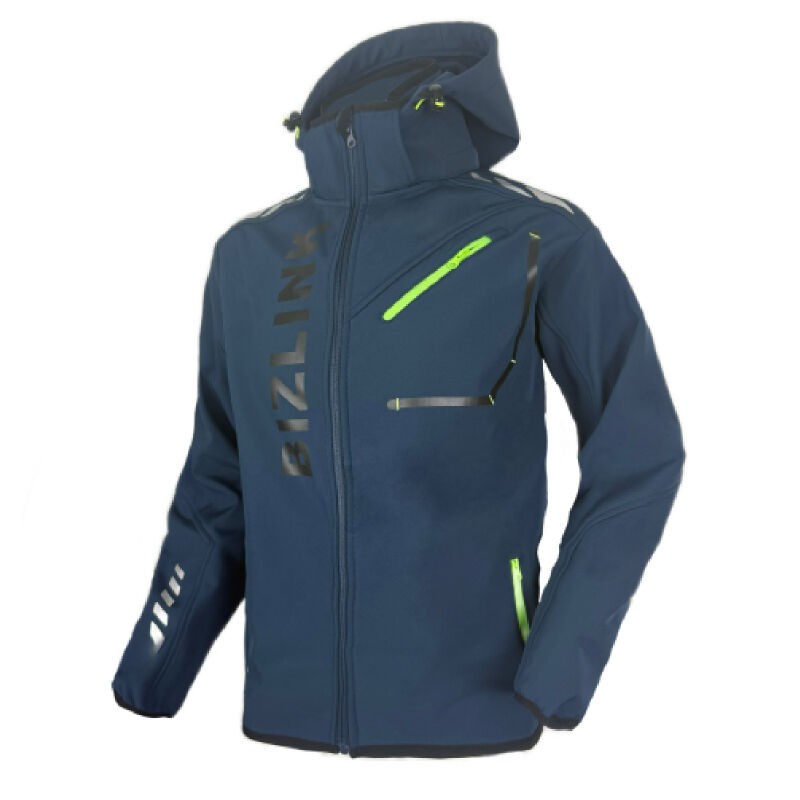
The decision to partner with softshell jacket factories for the long term requires understanding not just their manufacturing capabilities, but the specific structural, operational, and strategic advantages they bring to business relationships. Unlike partnerships based solely on transactional price comparisons, long-term collaborations with specialized softshell jacket factories deliver compounding benefits in areas such as product development efficiency, quality consistency, supply chain integration, and market responsiveness. This article examines the distinct advantages that position these manufacturers as ideal partners for brands seeking stable, growth-oriented relationships in the competitive outdoor and performance apparel markets.
Technical Specialization and Product Development Capabilities
Advanced Material Knowledge and Application Expertise
Softshell jacket factories develop deep technical expertise in working with complex multi-layer fabrics, membrane technologies, and performance textile systems that general garment manufacturers may lack. This specialization translates directly into partnership advantages, as these facilities understand the nuanced behaviors of stretch-woven fabrics, laminated constructions, and moisture management systems that define modern softshell performance. When brands work with factories possessing this specialized knowledge, product development cycles shorten significantly because technical discussions occur at a more sophisticated level, eliminating the educational overhead required when working with less specialized partners.
The material expertise resident within dedicated softshell jacket factories extends beyond basic fabric handling to encompass supplier relationships with technical textile mills, understanding of emerging fiber technologies, and knowledge of performance testing protocols specific to outdoor apparel. Long-term partners benefit from this network effect, gaining indirect access to material innovations and supply chain relationships that would take years to develop independently. This technical depth also enables more effective problem-solving when performance issues arise, as specialized factories can quickly diagnose whether problems originate from fabric selection, construction methods, or finishing processes.
Design Engineering and Construction Innovation
The construction of high-performance softshell jackets involves engineering challenges distinct from standard apparel manufacturing, including seam sealing decisions, articulation patterning for mobility, and integration of ventilation systems without compromising weather protection. Softshell jacket factories that focus on these products develop proprietary construction methods and maintain teams with specialized pattern engineering skills that continuously improve garment functionality. For brands, partnering long-term with such facilities means benefiting from ongoing construction innovation without bearing the full research and development costs, as improvements developed for one client often inform better practices that benefit the entire partner portfolio.
These factories typically maintain dedicated sample development teams familiar with the specific technical requirements of softshell construction, enabling rapid prototyping and iteration that accelerates time-to-market for new designs. The institutional knowledge within these teams regarding what construction approaches work effectively with different softshell materials represents a significant partnership asset, reducing the trial-and-error phase that often extends product development timelines. Long-term relationships allow brands to tap into this expertise more fluidly, with factory teams becoming extensions of the brand's own product development function.
Quality Control Systems Tailored to Performance Standards
Quality assurance in softshell manufacturing requires inspection protocols that address both aesthetic standards and functional performance characteristics such as water resistance, breathability, and durability under stress. Dedicated softshell jacket factories implement testing regimens specifically designed for these technical requirements, incorporating membrane integrity checks, seam strength testing, and abrasion resistance verification as standard procedures. Brands establishing long-term partnerships benefit from quality systems that already align with industry performance expectations, reducing the need for constant oversight and enabling more confidence in production consistency.
The quality infrastructure within specialized softshell jacket factories typically includes both in-process inspection points and final audit procedures calibrated to detect the subtle defects that might compromise garment performance in field conditions. This layered approach to quality management, developed through years of focusing on technical outerwear, provides partnership stability by minimizing the defect rates and performance failures that can damage brand reputation. Long-term partners also benefit from the continuous improvement culture these quality systems foster, as factories refine their processes based on aggregated learning from multiple production cycles.
Supply Chain Integration and Production Efficiency
Established Material Sourcing Networks
Softshell jacket factories with sustained focus on technical outerwear develop extensive relationships with specialized material suppliers, including membrane manufacturers, performance fabric mills, and technical trim suppliers that may be difficult for individual brands to access directly. These established supply networks provide long-term partners with several advantages: preferential pricing through consolidated volume, priority allocation during material shortages, and early access to new material technologies as suppliers introduce innovations. The supply chain relationships that softshell jacket factories maintain represent years of relationship building and performance history that would be costly and time-consuming for brands to replicate independently.
Beyond simple material procurement, experienced softshell jacket factories often collaborate with their suppliers on material customization, working with mills to develop fabrics with specific stretch characteristics, hand feel, or performance attributes tailored to market requirements. Long-term brand partners can leverage these collaborative relationships to access semi-custom materials without meeting the minimum order quantities typically required for bespoke fabric development. This capability enables product differentiation and performance optimization that would be economically unfeasible through transactional manufacturing relationships.
Production Planning and Capacity Management
Manufacturing capacity allocation becomes increasingly strategic as softshell jacket factories balance production commitments across multiple clients with varying seasonal demands and order patterns. Long-term partnerships provide significant advantages in this dynamic, as factories typically prioritize capacity allocation for established clients with predictable order histories and demonstrated commitment. This preferential treatment translates into more reliable production scheduling, better accommodation of rush orders when market opportunities arise, and greater flexibility in managing seasonal demand fluctuations that characterize the outdoor apparel market.
Softshell jacket factories working with long-term partners also develop more sophisticated forecasting and planning practices, using historical order data to anticipate material requirements and optimize production sequencing. This collaborative planning approach reduces lead times, minimizes material waste through better consumption forecasting, and enables more efficient use of specialized equipment required for softshell construction. The operational efficiency gains from integrated planning benefit both parties, as factories achieve better equipment utilization while brands gain more responsive and cost-effective production capabilities.
Scalability and Growth Accommodation
As brands grow and their softshell product lines expand, the ability of manufacturing partners to scale production capacity becomes critically important to maintaining supply chain continuity. Established softshell jacket factories typically have demonstrated capacity expansion capabilities, either through existing multi-facility operations or proven track records of successful capacity additions to meet growing client demands. Long-term partnerships enable factories to invest confidently in capacity expansions knowing they have committed customer demand, while brands gain assurance that their growth trajectory won't be constrained by manufacturing bottlenecks.
The scalability advantage extends beyond simple volume increases to encompass style proliferation and product line complexity. Experienced softshell jacket factories develop operational systems that can efficiently manage growing SKU counts, handle multiple concurrent production programs, and maintain quality consistency even as production complexity increases. This operational maturity, built through years of managing diverse production requirements, represents a significant partnership asset for growing brands that need manufacturing partners capable of evolving alongside their business expansion.
Strategic Business Alignment and Partnership Stability
Shared Investment in Product Excellence
Long-term relationships between brands and softshell jacket factories create conditions for shared investment in capabilities that benefit both parties but might be too risky for either to undertake independently. These investments might include specialized equipment for advanced construction techniques, training programs to develop workforce skills in emerging technologies, or quality testing equipment that enables more sophisticated performance verification. When factories and brands commit to extended partnerships, the economic justification for these investments strengthens, as both parties can anticipate sufficient production volume over time to justify the capital outlay.
The willingness of softshell jacket factories to invest in brand-specific tooling, develop customized construction methods, or maintain dedicated production lines reflects the confidence that long-term partnerships provide. These investments create mutual dependencies that stabilize relationships, as switching costs increase for both parties once significant specific investments have been made. For brands, this dynamic provides assurance that their manufacturing partners have genuine stake in the relationship's success and will prioritize their production needs appropriately.
Transparency and Communication Infrastructure
Effective long-term partnerships between brands and softshell jacket factories depend on robust communication systems and operational transparency that develop gradually through repeated interactions and trust building. Established relationships typically feature direct communication channels between brand product teams and factory production management, eliminating intermediary layers that can distort information and slow decision-making. This communication efficiency accelerates problem resolution, enables more nuanced technical discussions, and facilitates the collaborative approach to product development that characterizes successful partnerships.
Transparency regarding production capabilities, capacity constraints, and cost structures becomes more feasible in long-term relationships where both parties have demonstrated reliability and mutual commitment. Softshell jacket factories working with established partners often provide visibility into production scheduling, material inventory levels, and quality metrics that would be considered proprietary information in purely transactional relationships. This operational transparency enables better planning, reduces uncertainty, and allows brands to make more informed decisions about product launches, inventory management, and market commitments.
Financial Stability and Payment Terms
The financial dimensions of partnerships between brands and softshell jacket factories evolve significantly as relationships mature and trust deepens. Long-term partners often negotiate more favorable payment terms that improve working capital efficiency for brands while providing factories with greater payment security through demonstrated history. These financial arrangements might include extended payment windows, deposit reductions, or structured payment schedules that align better with brand cash flow patterns, creating economic advantages that purely transactional relationships cannot offer.
Financial stability works bidirectionally in successful long-term partnerships, as softshell jacket factories with consistent order flow from committed partners can plan investments more confidently and manage their own working capital more effectively. This stability allows factories to offer more competitive pricing by reducing the risk premiums they might otherwise need to incorporate for uncertain demand. The financial predictability that characterizes mature partnerships creates economic efficiency for both parties, with cost savings that can be shared or reinvested in quality improvements and capability development.
Market Responsiveness and Competitive Advantage
Reduced Time-to-Market for New Products
In the rapidly evolving outdoor and performance apparel markets, the speed at which brands can introduce new softshell products directly impacts competitive positioning and market share capture. Long-term relationships with specialized softshell jacket factories dramatically compress product development and production cycles through several mechanisms: established communication protocols eliminate orientation time, factories understand brand aesthetic and performance standards without extensive briefing, and sample development proceeds more efficiently with teams familiar with brand expectations. These time advantages accumulate across multiple product launches, enabling brands to respond more quickly to market trends and competitive moves.
The institutional knowledge that softshell jacket factories develop about their long-term partners extends to understanding seasonal timing requirements, retail partner expectations, and the brand's position within specific market segments. This contextual understanding enables factories to prioritize appropriately when multiple deadlines compete and to proactively identify potential scheduling conflicts before they become critical problems. The result is more predictable delivery performance and fewer market-entry delays that could compromise product launches or seasonal selling opportunities.
Collaborative Innovation and Market Differentiation
Competitive advantage in the softshell jacket market increasingly depends on product innovation that delivers genuine performance advantages or addresses unmet consumer needs in novel ways. Long-term partnerships between brands and specialized factories create environments conducive to collaborative innovation, as factories become willing to experiment with new construction methods, test emerging materials, and invest time in developing solutions to technical challenges when they trust the relationship will continue. This collaborative innovation dynamic rarely emerges in transactional relationships where factories focus on executing specified designs rather than contributing to product development strategy.
Softshell jacket factories with sustained client relationships often develop insights into market trends and consumer feedback patterns by aggregating learning across their partner portfolio. While maintaining appropriate confidentiality, these factories can sometimes facilitate technology transfer or suggest construction approaches that worked effectively for addressing similar challenges in other contexts. Long-term partners benefit from this accumulated market intelligence, gaining perspectives that inform better product decisions and enable differentiation strategies that might not emerge from internal development efforts alone.
Risk Mitigation and Business Continuity
Supply chain disruptions, quality failures, and production delays represent significant business risks for brands dependent on timely delivery of softshell products to meet seasonal selling windows. Long-term partnerships with reliable softshell jacket factories provide substantial risk mitigation through several mechanisms: established quality systems reduce defect rates, capacity commitments ensure production priority during high-demand periods, and relationship history enables more effective problem-solving when unexpected challenges arise. The predictability that characterizes mature manufacturing partnerships translates directly into reduced business risk and more reliable supply chain performance.
Business continuity planning becomes more feasible when brands maintain long-term relationships with softshell jacket factories, as both parties can develop contingency protocols for potential disruptions, maintain backup material sources, and establish clear communication procedures for crisis situations. The trust and communication infrastructure developed through extended collaboration enables faster, more coordinated responses to supply chain shocks, whether from natural disasters, geopolitical events, or public health crises. This resilience advantage, particularly evident during recent global supply chain disruptions, represents a significant strategic benefit of long-term manufacturing partnerships.
FAQ
What minimum order quantities should brands expect when establishing partnerships with softshell jacket factories?
Minimum order quantities with softshell jacket factories typically range from 300 to 1000 units per style depending on the factory's scale, construction complexity, and whether the order involves custom materials or standard fabrics. Long-term partnerships often enable negotiation of lower minimums as factories become more confident in ongoing order flow and can amortize setup costs across multiple production runs. Some specialized softshell jacket factories offer graduated minimum structures where initial orders require higher quantities but subsequent reorders of proven styles can proceed at reduced minimums, facilitating inventory management for growing brands.
How do softshell jacket factories typically structure pricing for long-term partners compared to new clients?
Pricing structures for long-term partners generally reflect reduced risk premiums, efficiency gains from familiarity with brand requirements, and volume commitments that enable better material sourcing. Many softshell jacket factories implement tiered pricing frameworks where per-unit costs decrease as cumulative annual volume increases, rewarding loyalty and providing incentive for order consolidation. Long-term partners may also benefit from more stable pricing across seasons, with factories absorbing minor material cost fluctuations rather than passing through every change, and from preferential pricing on rush orders or small quantity reorders that would carry premium charges for transactional clients.
What quality assurance documentation should brands require from softshell jacket factories in long-term partnerships?
Comprehensive quality documentation for softshell production should include pre-production samples with detailed construction specifications, in-process inspection reports covering critical control points such as seam sealing and membrane lamination, material test certificates verifying performance specifications for water resistance and breathability, and final inspection reports with AQL sampling results. Long-term partnerships enable development of customized quality protocols that address brand-specific concerns while maintaining efficiency, with factories maintaining historical quality data that allows trend analysis and continuous improvement initiatives. Many established partnerships also include periodic third-party audit arrangements that provide independent verification of quality system effectiveness.
How can brands evaluate whether a softshell jacket factory has genuine capacity for long-term partnership rather than just seeking immediate orders?
Evaluating partnership potential requires examining several indicators beyond production capabilities, including the factory's client retention history and average relationship duration, willingness to invest in relationship-specific tooling or training before guaranteed long-term commitments, transparency regarding existing capacity allocations and growth plans, and demonstrated quality management systems that indicate process maturity rather than inspection-dependent quality control. Factories genuinely oriented toward long-term partnerships typically discuss capacity planning collaboratively, show interest in understanding brand growth trajectories, and propose graduated engagement structures that build mutual commitment over time rather than demanding immediate large-volume commitments. Site visits revealing investment in modern equipment, workforce development programs, and systematic process documentation further indicate organizational maturity conducive to sustained partnerships.
Table of Contents
- Technical Specialization and Product Development Capabilities
- Supply Chain Integration and Production Efficiency
- Strategic Business Alignment and Partnership Stability
- Market Responsiveness and Competitive Advantage
-
FAQ
- What minimum order quantities should brands expect when establishing partnerships with softshell jacket factories?
- How do softshell jacket factories typically structure pricing for long-term partners compared to new clients?
- What quality assurance documentation should brands require from softshell jacket factories in long-term partnerships?
- How can brands evaluate whether a softshell jacket factory has genuine capacity for long-term partnership rather than just seeking immediate orders?