 EN
EN

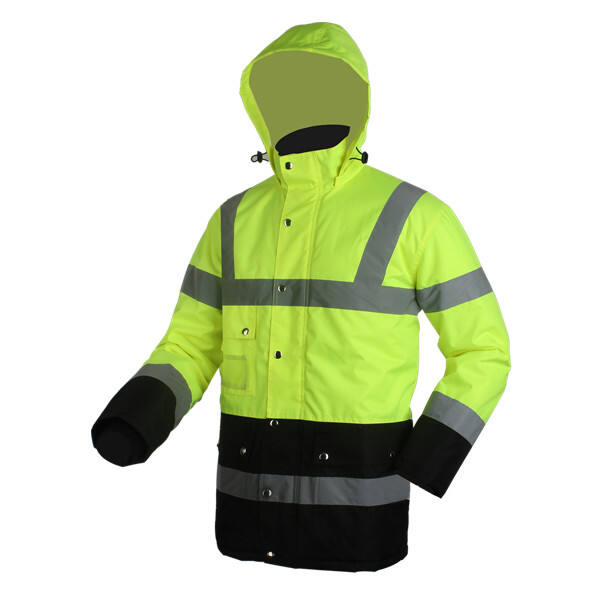
Bei Ausflügen in die Wildnis stellen Athleten und Outdoor-Enthusiasten schnell fest, dass nicht alle Outdoor-Kleidungsstücke gleichwertig sind. Die Leistungsfähigkeit Ihrer Ausrüstung in anspruchsvollen Umgebungen hängt grundlegend von zwei miteinander verbundenen Faktoren ab: der eingesetzten Stofftechnologie und den in das Kleidungsstück integrierten Designprinzipien. Das Verständnis dafür, wie diese Elemente zusammenwirken, ermöglicht fundierte Kaufentscheidungen, die sich unmittelbar auf Komfort, Sicherheit und Leistung bei Outdoor-Aktivitäten auswirken – sei es bei alpinen Expeditionen oder bei entspannten Wanderungen auf Waldwegen.
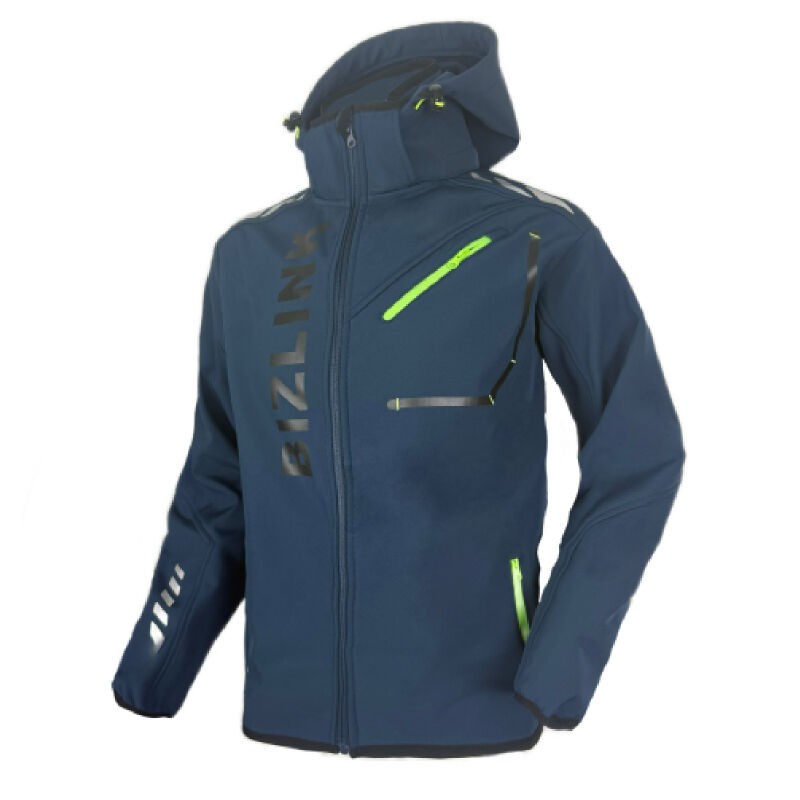
Die Beziehung zwischen der Zusammensetzung des Gewebes und der Kleidungsarchitektur bestimmt, wie effektiv Outdoor-Kleidung Feuchtigkeit reguliert, die Körpertemperatur steuert, Umwelteinflüssen widersteht und unter Belastung ihre Haltbarkeit bewahrt. Moderne Outdoor-Bekleidung stellt eine ausgeklügelte Verbindung aus Materialwissenschaft und ergonomischer Konstruktion dar, wobei die Gewebeauswahl die grundlegenden Leistungsfähigkeiten vorgibt und die Gestaltungsentscheidungen diese Eigenschaften für spezifische Aktivitäten und Bedingungen optimieren. Diese umfassende Untersuchung analysiert die Mechanismen, durch die diese beiden Dimensionen die Leistungsergebnisse im praktischen Einsatz beeinflussen.
Die grundlegende Rolle der Gewebetechnologie für die Outdoor-Leistung
Materialzusammensetzung und funktionale Eigenschaften
Die chemische und physikalische Struktur der Stoffe, die bei Outdoor-Kleidung verwendet werden, bestimmt die grundlegenden Leistungsgrenzen jedes Kleidungsstücks. Synthetische Materialien wie Polyester und Nylon dominieren die technische Outdoor-Bekleidung, da ihre molekulare Struktur im Vergleich zu Naturfasern unter anspruchsvollen Bedingungen spezifische Vorteile bietet. Die hydrophobe Beschaffenheit von Polyester ermöglicht ein schnelles Abtransportieren von Feuchtigkeit, während die außergewöhnliche Zugfestigkeit von Nylon eine überlegene Abriebfestigkeit an Felswänden und in dichtem Bewuchs gewährleistet. Diese Grundmaterialien können bereits auf Faserebene so optimiert werden, dass bestimmte Eigenschaften verbessert werden – beispielsweise durch Hohlfasern zur Steigerung des Verhältnisses von Wärmeisolierung zu Gewicht.
Natürliche Fasern wie Merinowolle besetzen weiterhin spezialisierte Nischen in Outdoor-Bekleidung aufgrund einzigartiger Eigenschaften, die synthetische Alternativen nur unvollständig reproduzieren können. Die gewellte Faserstruktur von Wolle erzeugt wärmend isolierende Lufttaschen, während ihre hydrophile Natur Wasserdampf absorbiert, bevor dieser an der Haut kondensiert und so über einen breiteren Temperaturbereich hinweg thermischen Komfort bewahrt. Die antimikrobiellen Eigenschaften, die den Wollfasern inhärent sind, verringern die Geruchsbildung bei längerem Tragen und machen Wolle daher besonders wertvoll für mehrtägige Expeditionen, bei denen der Zugang zu Wäschemöglichkeiten eingeschränkt ist. Das Verständnis dieser materialspezifischen Eigenschaften ermöglicht es Herstellern, geeignete Stoffe für den jeweiligen Anwendungsfall auszuwählen.
Stoffherstellungsverfahren und ihre Auswirkungen auf die Leistung
Neben der Faserzusammensetzung beeinflusst die Art und Weise, wie Garne zu Stoff verarbeitet werden, die Leistungsfähigkeit von Outdoor-Kleidung unter Einsatzbedingungen erheblich. Gewebte Stoffe, die durch das Kreuzen senkrecht zueinander verlaufender Garnsysteme entstehen, bieten im Allgemeinen eine bessere Windbeständigkeit und einen höheren Abriebwiderstand als Gestricke. Die enge Verflechtung der Garne bei Ripstop-Geweben verhindert die Ausbreitung von Rissen und macht diese Stoffe daher ideal für Außenschichten, die scharfen Gegenständen und anspruchsvollem Gelände ausgesetzt sind. Gewebte Stoffe weisen jedoch typischerweise weniger mechanische Dehnbarkeit auf, was bei schlecht konzipierter Kleidung die Bewegungsfreiheit einschränken kann.
Strickstoffkonstruktionen in Outdoor-Kleidung bieten eine inhärente Elastizität und Anpassungsfähigkeit, die den Tragekomfort bei dynamischer Bewegung verbessern. Die geschlungene Garnstruktur ermöglicht eine Dehnbarkeit in mehreren Richtungen, ohne dass Elasthan-Zusätze erforderlich sind; viele Leistungsstrickstoffe enthalten jedoch geringe Anteile Spandex, um die Rückstellfähigkeit zu verbessern. Doppelstrick-Konstruktionen erzeugen Stoffe mit erhöhter Haltbarkeit und Struktur, behalten aber gleichzeitig ihre Dehneigenschaften bei – weshalb sie sich besonders für Softshell-Jacken und aktive Isolationsschichten eignen. Die Konstruktionsmethode muss mit der vorgesehenen Funktion des Kleidungsstücks innerhalb eines Schichtensystems übereinstimmen.
Fortgeschrittene Stoffbehandlungen und -beschichtungen
Oberflächenbehandlungen und Laminattechnologien verwandeln Grundgewebe in spezialisierte Materialien, die die Leistungsfähigkeit von Outdoor-Kleidung erheblich erweitern. Strapazierfähige wasserabweisende Behandlungen (DWR) erzeugen eine mikroskopische Oberflächenstruktur, durch die Wassertröpfchen sich zu Perlen bilden und von der Gewebefläche abrollen, anstatt diese zu durchtränken. Diese Funktion bewahrt die Atmungsaktivität und verhindert den Verdunstungskühleffekt, der auftritt, wenn nasse Stoffe mit der Haut in Kontakt kommen. DWR-Behandlungen verlieren jedoch mit der Nutzung an Wirksamkeit und müssen regelmäßig erneuert werden, um ihre Effizienz aufrechtzuerhalten – ein Aspekt, den Outdoor-Enthusiasten als fortlaufende Wartungsaufgabe berücksichtigen müssen.
Wasserdichte und atmungsaktive Membranen, die mit Gewebeträgerschichten verbunden sind, ermöglichen es Outdoor-Bekleidung, gleichzeitig das Eindringen flüssigen Wassers zu verhindern und gleichzeitig den Transport von Wasserdampf zuzulassen. Diese Membranen funktionieren entweder über mikroporöse Strukturen mit Poren, die kleiner als Wassertröpfchen, aber größer als Wasserdampfmoleküle sind, oder über hydrophile Polymerketten, die Wasserdampf durch molekulare Diffusion aufnehmen und weiterleiten. Der Membrantyp beeinflusst Leistungsmerkmale wie maximale Atmungsaktivität, Haltbarkeit und Beständigkeit gegenüber Umwelteinflüssen. Bei dreilagigen Laminatkonstruktionen wird die Membran zwischen äußeres Oberstoffgewebe und innere Futterlage eingebettet, wodurch robuste Bekleidungsstücke entstehen, die für raue alpine Bedingungen geeignet sind; bei zweieinhalblagigen Konstruktionen wird hingegen ein Teil der Haltbarkeit zugunsten geringeren Gewichts und reduzierten Packvolumens geopfert.
Konstruktionsarchitektur und ihre Auswirkung auf die Funktionalität von Outdoor-Bekleidung
Schnittentwicklung und Bewegungsoptimierung
Die Schnittformen und Nahtpositionen, die die Konstruktion von Bekleidung bestimmen, beeinflussen in hohem Maße, wie Outdoor-Kleidung die menschliche Bewegung während sportlicher Aktivitäten unterstützt. Eine artikulierte Schnittführung, bei der Stoffteile bereits vorab so geformt werden, dass sie den natürlichen Körperkurven und Gelenkwinkeln entsprechen, verringert die Stoffspannung während der Bewegung und verhindert ein Einschnüren, das die Mobilität einschränken würde. Eingesetzte Achselstücke (Gussets) an Jacken ermöglichen eine volle Überkopfbewegung, ohne dass der Saum angehoben wird, während artikulierte Kniepartien an Hosen verhindern, dass sich der Stoff beim Hochheben des Beins oder in hockender Position über der Kniescheibe spannt. Diese Gestaltungselemente gewinnen bei technischen Aktivitäten besondere Bedeutung, da uneingeschränkte Bewegungsfreiheit sowohl Leistung als auch Sicherheit beeinflusst.
Strategische Zusammensetzung aus einzelnen Panels bei Outdoor-Kleidung ermöglicht es Designern, die Stoffausrichtung relativ zu Spannungsvektoren und Bewegungsachsen zu optimieren. Durch das Einsetzen dehnbarer Panels entlang der Bewegungsebenen und den Einsatz strapazierfähigerer Materialien in stark beanspruchten Bereichen entstehen Kleidungsstücke, die Mobilität und Langlebigkeit optimal miteinander vereinen. Seitliche Panels, die sich vom Achselbereich bis zur Hüfte erstrecken, ermöglichen eine rotationsfreie Drehung des Oberkörpers, während rautenförmige Schrittverstärkungen die einschränkende Mittelnaht beseitigen, die bei breitem Stand oder hohen Schritten Unbehagen verursacht. Die Anzahl und Anordnung der Schnittteile beeinflussen unmittelbar sowohl die funktionale Leistungsfähigkeit als auch die Fertigungskomplexität.
Passform-Philosophie und aktivitätsspezifische Anpassung
Das Größenverhältnis zwischen Outdoor-Kleidung und der Körperform des Trägers bestimmt den Tragekomfort, die thermische Effizienz sowie die funktionale Wirksamkeit unter unterschiedlichsten Bedingungen. Sportliche Schnitte, die dem Körperverlauf eng folgen, minimieren das Stoffvolumen, das im Wind flattern oder an Vegetation hängen bleiben kann, und verbessern gleichzeitig das Feuchtigkeitsmanagement, indem sie den direkten Stoff-zu-Haut-Kontakt für eine effiziente Feuchtigkeitsableitung aufrechterhalten. Enge Schnitte beschränken jedoch den Platz für wärmende Zwischenschichten darunter und eignen sich daher eher für Aktivitäten mit hoher Leistungsabgabe oder milde Witterungsbedingungen. Normale Schnitte mit moderatem Spielraum ermöglichen die Kombination mit mittelschweren Isolationsschichten und sorgen während Aktivitäten mit geringerer Intensität für Komfort.
Die Kompatibilität der Schichtung stellt eine entscheidende Konstruktionsüberlegung für Outdoor-Kleidung dar, die als Teil eines umfassenden Systems gedacht ist. Außenhüllen müssen ausreichend Volumen bieten, um Isolationsschichten aufzunehmen, ohne diese zu komprimieren – andernfalls würde die Füllhöhe und die thermische Effizienz sinken. Die Ärmellänge muss die Armstreckung beim Erreichen berücksichtigen, da eine unzureichende Länge die Handgelenke freilegt und kalte Luft eindringen lässt. Die Saum-Länge beeinflusst den Schutzumfang: längere Oberkörperbereiche sorgen für eine bessere Umgebungsabdichtung, können jedoch das Tragen eines Gurtsystems behindern oder die Beweglichkeit einschränken. Die Konstrukteure müssen diese widersprüchlichen Anforderungen je nach vorgesehenem Einsatzfall ausbalancieren.
Integration von Funktionselementen und funktionelle Hardware
Die in Outdoor-Kleidung integrierten Hardware-Komponenten und Verstellmechanismen beeinflussen maßgeblich deren praktische Einsatzfähigkeit unter Feldbedingungen. Kapuzenkonstruktionen, die bei gleichzeitiger Abschirmung des Gesichts ein peripheres Sichtfeld ermöglichen, erfordern eine sorgfältige Volumensteuerung sowie Verstellsysteme, die ihre Position auch bei Kopfbewegungen beibehalten. Verstellbare Kapuzen mit verstärkten Krempelementen und Volumenreduzierern ermöglichen es Nutzern, den Schutz an die jeweiligen Bedingungen anzupassen, ohne Sichtfeld oder Geräuschentwicklung durch flatterndes Gewebe einzuschränken. Helmkompatible Kapuzenvolumina dienen speziellen Anwendungen im Bergsteigen, können jedoch im alltäglichen Gebrauch zu groß wirken.
Lüftungsfunktionen in Outdoor-Kleidung ermöglichen es Nutzern, die Mikroklimatempertur während Aktivitäten mit variabler Leistungsabgabe zu regulieren. Achselreißverschlüsse schaffen konvektive Luftströmungspfade, die bei geöffnetem Zustand überschüssige Wärme rasch ableiten, während belüftete Einsätze aus Mesh an strategisch günstigen Stellen eine passive Kühlung ohne Eingriff des Nutzers gewährleisten. Schlitze an den Achseln entlang der Achselnaht minimieren das Risiko von Wassereintritt, während sie gleichzeitig die Wirksamkeit der Lüftung maximieren – sie stellen jedoch potenzielle Schwachstellen dar, falls die Reißverschlussqualität unzureichend ist. Zweirichtungs-Reißverschlüsse an der Vorderseite ermöglichen eine Belüftung von unten nach oben und bewahren gleichzeitig den Schutz des Oberkörpers; dies ist besonders nützlich beim Tragen von Hüftgurten, die den Zugriff auf den unteren Bereich erschweren.
Die synergetische Beziehung zwischen Gewebe und Konstruktion
Abstimmung der Materialeigenschaften auf die gestalterische Absicht
Eine optimale Leistung bei Outdoor-Bekleidung entsteht, wenn die Stoffauswahl und die Konstruktionsarchitektur synergetisch zusammenwirken, anstatt sich gegenseitig zu behindern. Dehnbare Stoffe entfalten ihr volles Potenzial erst dann, wenn das Schnittmuster restriktive Nahtpositionen vermeidet und ausreichend Spielraum bietet, damit sich der Stoff ohne übermäßige Spannung dehnen kann. Umgekehrt erfordern nicht-dehnbare Stoffe eine ausgefeiltere Gelenkgestaltung und eine gezielte Zusammensetzung aus Einzelpanels, um eine vergleichbare Beweglichkeit zu erreichen. Designer müssen das Verhalten der Materialien verstehen, um Schnitte zu erstellen, die die Stärken des Stoffs nutzen und gleichzeitig dessen Schwächen ausgleichen.
Wasserdichte und atmungsaktive Stoffe erreichen ihre optimale Leistung, wenn konstruktive Merkmale den Dampftransport unterstützen, indem sie eine Ansammlung von Feuchtigkeit an den Stoffgrenzflächen verhindern. Mesh-Futtermaterialien in outdoorbekleidung erzeugen einen Luftspalt, der die Bewegung von Dampf von der Haut weg erleichtert und gleichzeitig die Membran vor Kontamination durch Körperöle und Schmutz schützt. Vollständige Futterstoffe erhöhen jedoch das Gewicht und verringern die Packbarkeit, weshalb einige Designer auf Teilfutter oder bedruckte Muster zurückgreifen, die den Stoffkontakt minimieren und gleichzeitig den Materialverbrauch senken. Diese Gestaltungsentscheidungen beeinflussen direkt die funktionale Atmungsaktivität, die Nutzer während aerobischer Aktivitäten wahrnehmen.
Haltbarkeitsoptimierung durch integrierte Ansätze
Die Lebensdauer von Outdoor-Kleidung hängt sowohl von der intrinsischen Strapazierfähigkeit des Gewebes als auch von Konstruktionsstrategien ab, die besonders beanspruchte Bereiche vor beschleunigtem Verschleiß schützen. Verstärkungsplatten aus Geweben mit höherer Denier-Zahl in stark abrasionsbelasteten Zonen verlängern die Lebensdauer des Kleidungsstücks, ohne unnötiges Gewicht über die gesamte Struktur hinweg hinzuzufügen. Schulterbereiche, die mit Rucksacktragegurten in Kontakt kommen, Sitzflächen, die auf Felsen und rauen Oberflächen aufliegen, sowie Saumkanten an den Ärmeln, die häufig durch Reibung gegen Handschuhe und Stiefel beansprucht werden, profitieren von solchen Verstärkungen. Die visuelle und haptische Integration dieser Verstärkungen beeinflusst sowohl die ästhetische Wirkung als auch die wahrgenommene Qualität durch den Nutzer.
Die Nahtkonstruktionsmethode bei Outdoor-Kleidung beeinflusst sowohl die Wasserdichtigkeit als auch die mechanische Haltbarkeit. Bei der nahtversiegelten Konstruktion mit kaschierten Nähten wird das Eindringen von Wasser entlang der Steppnähte verhindert, wo Nadelstiche die Integrität des Gewebes beeinträchtigen. Die Haftung der Nahtkaschierung kann jedoch im Laufe der Zeit versagen, insbesondere bei Hitzebelastung oder wiederholtem Biegen. Bei der schweißnahtartigen Konstruktion entfällt das Nähen vollständig: Mithilfe von Wärme oder Ultraschallenergie werden die Gewebeschichten miteinander verschmolzen, wodurch wasserdichte Verbindungen ohne Kaschierung entstehen; diese Methode erfordert jedoch spezielle Ausrüstung und geeignete Gewebetypen. Bei der Festlegung der Konstruktionsmethode muss die Konstruktion die verfügbaren Fertigungsmöglichkeiten berücksichtigen.
Gewichtsreduktion ohne Leistungseinbuße
Moderne Outdoor-Kleidung legt zunehmend Wert auf ein möglichst geringes Gewicht, um den Energieaufwand bei kraftbetriebenen Aktivitäten zu reduzieren; die Gewichtsreduktion darf jedoch nicht auf Kosten der wesentlichen Funktionalität gehen. Durch eine gezielte Materialauswahl kommen leichtere Stoffe in Bereichen mit geringer Beanspruchung zum Einsatz, während in stark beanspruchten Zonen ausreichende Strapazierfähigkeit gewährleistet bleibt. Eine vereinfachte Konstruktion eliminiert redundante Funktionen und übermäßige Verstellmöglichkeiten, die Gewicht hinzufügen, ohne einen entsprechenden funktionalen Nutzen zu bieten. Allerdings kann übermäßiger Minimalismus die Vielseitigkeit und die Möglichkeit zur Anpassung vor Ort – die Nutzer unter wechselnden Bedingungen benötigen – einschränken.
Fortgeschrittene Konstruktionstechniken ermöglichen eine Gewichtsreduzierung bei Outdoor-Kleidung durch effizienteres strukturelles Design. Gelenknahe Schnittführung reduziert den Stoffverbrauch, indem überflüssiges Material eliminiert wird, das bei weniger ausgefeilten Designs zur Bewegungsfreiheit erforderlich ist. Hybride Konstruktionen kombinieren verschiedene Stoffarten innerhalb ein und desselben Kleidungsstücks und verwenden Dehnpaneele, die den Einsatz von Bewegungsfalten oder Falten-Taschen überflüssig machen. Einstellbare Zugsysteme mit nur einem Zugpunkt verringern die Anzahl der verwendeten Beschläge, ohne an Funktionalität einzubüßen. Diese Ansätze erfordern fortgeschrittenere Konstruktions- und Fertigungskapazitäten, führen jedoch zu spürbaren Gewichtseinsparungen bei den fertigen Kleidungsstücken.
Leistungsvalidierung und realweltbezogene Aspekte
Spezifität gegenüber Umgebungsbedingungen
Die Wirksamkeit von Stoff- und Designentscheidungen bei Outdoor-Kleidung variiert erheblich je nach Umgebungsbedingungen und Art der körperlichen Betätigung. Bekleidung, die für kalte, trockene alpine Umgebungen optimiert ist, legt besonderen Wert auf Windbeständigkeit und Feuchtigkeitsdampf-Management und verwendet daher dicht gewebte Stoffe sowie möglichst wenige Lüftungselemente. Im Gegensatz dazu erfordern warme, feuchte Dschungelumgebungen maximale Luftdurchlässigkeit und eine schnelle Abfuhr flüssiger Feuchtigkeit; hier kommen daher offen gewebte Stoffe und umfangreiche Lüftungsmöglichkeiten zum Einsatz – trotz einer geringeren Windbeständigkeit. Keine einzige Kombination aus Stoff und Design optimiert die Leistung unter allen möglichen Bedingungen, weshalb Nutzer Ausrüstung auswählen müssen, die der jeweiligen Aktivität angemessen ist.
Die Art des Niederschlags beeinflusst die optimalen Stoffeigenschaften für Outdoor-Kleidung erheblich. Feiner, windgepeitschter Regen oder Schnee erfordern hochgradig wasserabweisende Oberstoffe mit dichtem Gewebe, das verhindert, dass der Niederschlag durch die Zwischenräume des Gewebes gedrückt wird. Große, langsame Regentropfen lassen sich leichter mit DWR-behandelten Stoffen bewältigen, die jedoch möglicherweise keinen ausreichenden Schutz vor starkem Regen bieten. Nasser Schnee stellt andere Anforderungen als Regen, da er sich an warmen Stoffoberflächen auftauen und anschließend durch Kapillarwirkung in das Gewebe eindringen kann. Konstruktionsmerkmale wie Sturmkappen über Reißverschlüssen und verstellbare Bündchen verhindern den Wassereintritt durch Verschlüsse und Öffnungen – unabhängig von der Wasserbeständigkeit des Stoffs.
Aktivitätsintensität und Stoffwechselwärme-Management
Die mit verschiedenen Outdoor-Aktivitäten verbundene Stoffwechselwärmeentwicklung beeinflusst dramatisch die optimale Atmungsaktivität des Gewebes und die Anforderungen an die Konstruktionsbelüftung von Outdoor-Kleidung. Hochintensive Aktivitäten wie Skitouren oder Trailrunning erzeugen erhebliche Wärme- und Feuchtigkeitsmengen, die aktiv geregelt werden müssen, um Überhitzung und Feuchtigkeitsansammlung zu verhindern. Für diese Anwendungen eignen sich hochatmungsaktive Stoffe mit ausgeprägten Belüftungsfunktionen sowie feuchtigkeitsableitenden Eigenschaften. Niedrigintensive Aktivitäten wie das Sichern oder Lageraktivitäten erzeugen nur geringe Mengen an Stoffwechselwärme und stellen daher Isolierung und Windschutz vor Atmungsaktivität in den Vordergrund.
Aktivitäten mit variabler Intensität stellen besondere Herausforderungen für das Design von Outdoor-Kleidung dar, da die Kleidungsstücke sowohl Phasen hoher Leistung als auch Ruhephasen berücksichtigen müssen. Achselventilation („Pit zips“) und Frontlüftung ermöglichen es Nutzern, während der Belastungsphasen überschüssige Wärme abzuführen, ohne den Schutz des Körperkerns zu beeinträchtigen. Abnehmbare Isolationsschichten mittels Reißverschluss-Kompatibilität oder Schichtsystemen bieten Anpassungsfähigkeit, erfordern jedoch das Mitführen zusätzlicher Artikel. Einige moderne Outdoor-Kleidungsstücke integrieren Phasenwechselmaterialien, die während der körperlichen Belastung Wärme absorbieren und sie in Ruhephasen wieder abgeben, wodurch Temperaturschwankungen passiv ausgeglichen werden; diese Technologien erhöhen allerdings Kosten und Gewicht.
Wartungsanforderungen und Langzeitverhalten
Die praktische Gebrauchstauglichkeit von Outdoor-Kleidung über einen längeren Zeitraum hängt von den Wartungsanforderungen und den Mustern der Leistungsabnahme ab. DWR-Behandlungen müssen regelmäßig durch Waschzusätze oder Sprühbehandlungen erneuert werden, um die Wasserabweisung aufrechtzuerhalten. Wasserdichte und atmungsaktive Membranen können durch Körperöle, Schmutz und Waschmittelrückstände kontaminiert werden, die den Dampftransport behindern; daher ist eine regelmäßige Reinigung mit geeigneten Produkten erforderlich. Einige Stofftechnologien erfordern mehr Pflegeaufwand als andere, was eine langfristige Besitzüberlegung darstellt, die über den ursprünglichen Kaufpreis hinausgeht.
Konstruktionsmerkmale, die die Reparatur vor Ort erleichtern, verlängern die praktische Lebensdauer von Outdoor-Kleidung in abgelegenen Umgebungen. Verstärkte Belastungspunkte verringern das Risiko eines katastrophalen Versagens, während eine einfache Konstruktion effektive provisorische Reparaturen mit Nadel und Faden oder Klebepatches ermöglicht. Modulare Designs mit austauschbaren Komponenten wie Reißverschlussgleitern oder Schnurverriegelungen ermöglichen es den Nutzern, die Funktionalität wiederherzustellen, ohne ganze Kleidungsstücke ersetzen zu müssen. Diese Aspekte der Haltbarkeit und Reparierbarkeit gewinnen zunehmend an Bedeutung für Nutzer, die sich auf langfristige Expeditionen begeben oder nachhaltige Konsumpraktiken verfolgen.
Häufig gestellte Fragen
Wie wirkt sich das Gewicht des Stoffes auf die Leistungsfähigkeit von Outdoor-Kleidung aus?
Das Gewicht des Stoffes bei Outdoor-Kleidung stellt einen Kompromiss zwischen Haltbarkeit, Wärmeisolierung und Packbarkeit dar. Schwere Stoffe bieten im Allgemeinen eine höhere Abriebfestigkeit und längere Lebensdauer und eignen sich daher besonders für raue Umgebungen mit scharfkantigem Gestein und dichtem Bewuchs. Ein höheres Gewicht erhöht jedoch die Gesamtlast im Rucksack und kann zu einer schnelleren Ermüdung bei langen Anstiegen oder mehrtägigen Touren führen. Leichtere Stoffe senken den Energieaufwand, können aber unter extremen Bedingungen an Haltbarkeit einbüßen. Das optimale Stoffgewicht hängt von den spezifischen Anforderungen der jeweiligen Aktivität ab: Technische Hochgebirgsunternehmungen rechtfertigen oft schwerere Konstruktionen, während ultraleichtes Trekking auf ein möglichst geringes Gewicht setzt. Moderne Stoffentwicklung liefert zunehmend verbesserte Festigkeits-zu-Gewicht-Verhältnisse, sodass leichtere Materialien für viele Anwendungen ausreichende Haltbarkeit erreichen.
Können konstruktive Merkmale die Verwendung minderwertiger Stoffe bei Outdoor-Kleidung kompensieren?
Während ein anspruchsvolles Design die Funktionalität von Outdoor-Kleidung verbessern kann, lässt es sich nicht vollständig für grundlegende Leistungseinschränkungen des Gewebes kompensieren. Hervorragende Schnittführung und eine sinnvolle Integration von Funktionselementen können Komfort und Bewegungsfreiheit erhöhen; doch wenn das Basisgewebe unzureichenden Wasserwiderstand, mangelnde Atmungsaktivität oder geringe Strapazierfähigkeit aufweist, wird das Kleidungsstück unter anspruchsvollen Bedingungen schlecht abschneiden. Gestaltungselemente wie Lüftungsreißverschlüsse können bei weniger atmungsaktiven Stoffen zur Feuchtigkeitsregulierung beitragen, und Verstärkungseinsätze können schwächere Materialien in stark beanspruchten Bereichen schützen – doch handelt es sich hierbei lediglich um Teilmaßnahmen statt um vollständige Lösungen. Die effektivste Outdoor-Kleidung kombiniert Hochleistungsgewebe mit durchdachtem Design, das diese Materialeigenschaften optimal für den vorgesehenen Einsatz nutzt. Preisbewusste Verbraucher sollten die Qualität des Gewebes stärker priorisieren als überflüssige Funktionen, denn ein gut verarbeitetes, einfaches Kleidungsstück übertrifft häufig ein funktionsreiches Produkt aus minderwertigen Materialien.
Warum verwenden einige Outdoor-Kleidungsstücke in verschiedenen Bereichen desselben Kleidungsstücks unterschiedliche Stoffe?
Die hybride Stoffkonstruktion bei Outdoor-Kleidung ermöglicht es Designern, die Leistungsmerkmale für bestimmte Körperzonen und funktionale Anforderungen zu optimieren. Bereiche mit hoher Beweglichkeit wie Achseln und Seitenteile profitieren von dehnbaren Stoffen, die die Bewegungsfreiheit verbessern, während Frontteile, die Witterungseinflüssen ausgesetzt sind, maximale Wind- und Wasserbeständigkeit erfordern. Atmungsaktive Stoffe in wärmeempfindlichen Zonen wie dem Rücken verbessern das Feuchtigkeitsmanagement, während strapazierfähige Materialien an den Schultern Abrieb durch Rucksacktrageriemen aushalten. Diese gezielte Stoffplatzierung führt zu Bekleidungsstücken, die eine bessere Leistung als Ein-Stoff-Konstruktionen bieten, und kann zudem das Gesamtgewicht reduzieren, indem leichtere Materialien dort eingesetzt werden, wo maximaler Schutz nicht erforderlich ist. Dieser Ansatz erfordert eine komplexere Fertigung mit mehreren Stoffarten und einer sorgfältigen Integration der Schnittmuster und kommt typischerweise bei hochwertiger Outdoor-Bekleidung zum Einsatz, bei der die Leistungsoptimierung die zusätzliche Produktionskomplexität und die höheren Kosten rechtfertigt.
Wie wichtig ist die Passform im Vergleich zur Stofftechnologie bei der Leistungsfähigkeit von Outdoor-Kleidung?
Die Passform von Outdoor-Kleidung beeinflusst die praktische Leistungsfähigkeit entscheidend – unabhängig von der technischen Ausgereiftheit des Gewebes; denn schlecht sitzende Kleidungsstücke beeinträchtigen sowohl den Tragekomfort als auch die technische Funktionalität. Zu weite Schnitte erzeugen überschüssiges Gewebe, das im Wind flattert, an Hindernissen hängen bleibt und die Feuchtigkeitsableitung durch eingeschränkten Stoff-zu-Haut-Kontakt verringert. Zu enge Schnitte behindern die Bewegungsfreiheit, komprimieren Isolationsschichten und können bei längerem Tragen Druckstellen verursachen. Eine optimale Passform gewährleistet, dass technische Stoffe den Körper angemessen berühren, um Feuchtigkeit effektiv abzuleiten, die Isolationswirkung durch Erhalt der Füllhöhe (Loft) sicherstellt und uneingeschränkte Bewegungsfreiheit bei dynamischen Aktivitäten ermöglicht. Bei der Bewertung von Outdoor-Kleidung sollten Nutzer daher stets die optimale Passform innerhalb ihrer bevorzugten Stofftechnologie priorisieren, statt eine mangelhafte Passform zugunsten hochwertigerer Materialien zu akzeptieren. Ein gut sitzendes Kleidungsstück aus mittelwertigen Stoffen bietet in der Praxis in der Regel eine bessere Leistung als ein schlecht sitzendes Produkt aus Premium-Materialien.
Inhaltsverzeichnis
- Die grundlegende Rolle der Gewebetechnologie für die Outdoor-Leistung
- Konstruktionsarchitektur und ihre Auswirkung auf die Funktionalität von Outdoor-Bekleidung
- Die synergetische Beziehung zwischen Gewebe und Konstruktion
- Leistungsvalidierung und realweltbezogene Aspekte
-
Häufig gestellte Fragen
- Wie wirkt sich das Gewicht des Stoffes auf die Leistungsfähigkeit von Outdoor-Kleidung aus?
- Können konstruktive Merkmale die Verwendung minderwertiger Stoffe bei Outdoor-Kleidung kompensieren?
- Warum verwenden einige Outdoor-Kleidungsstücke in verschiedenen Bereichen desselben Kleidungsstücks unterschiedliche Stoffe?
- Wie wichtig ist die Passform im Vergleich zur Stofftechnologie bei der Leistungsfähigkeit von Outdoor-Kleidung?