 EN
EN


Optimizar la producción de chaquetas softshell requiere un enfoque estratégico que equilibre la selección de materiales, las técnicas de fabricación y los protocolos de control de calidad para ofrecer prendas que cumplan con los estándares modernos de rendimiento al aire libre. En el competitivo mercado actual, los fabricantes enfrentan el doble desafío de crear chaquetas softshell capaces de resistir condiciones ambientales extremas, al tiempo que mantienen la transpirabilidad y flexibilidad que exigen los consumidores. La clave para una producción exitosa de chaquetas softshell radica en comprender la compleja relación entre la tecnología textil, los métodos de confección y los requisitos del usuario final en diversas actividades al aire libre.
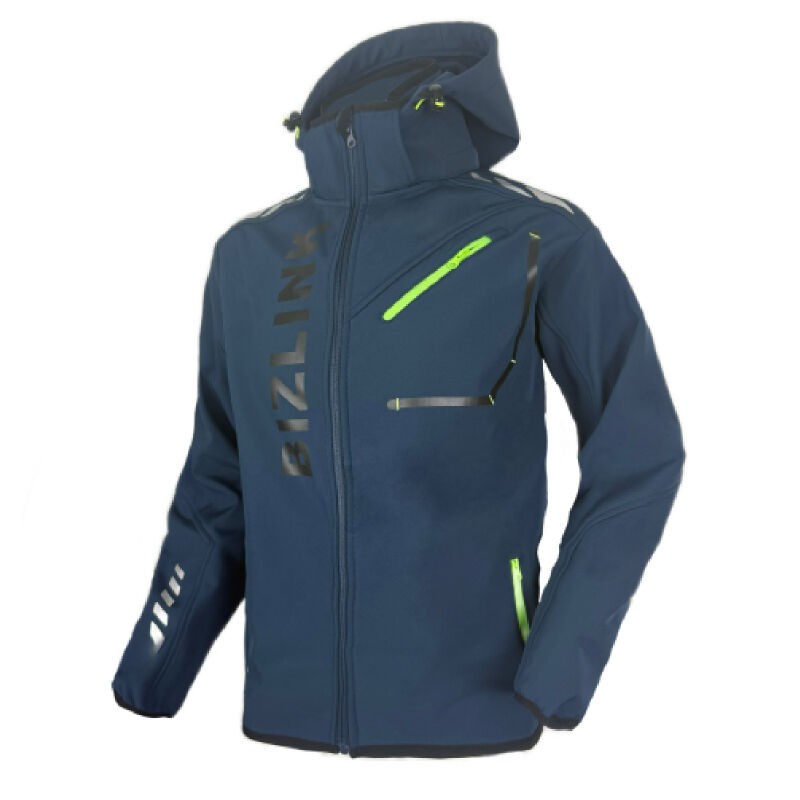
El proceso de optimización de la producción exige una atención exhaustiva a cada etapa, desde la obtención inicial de las telas hasta el ensamblaje final y las pruebas. Los fabricantes que destacan en la producción de chaquetas softshell reconocen que la durabilidad y la comodidad no son objetivos mutuamente excluyentes, sino metas complementarias que se logran mediante una ingeniería precisa de los materiales y técnicas de confección bien pensadas. Este enfoque para optimizar los procesos de producción impacta directamente en la longevidad del producto, la satisfacción del cliente y, en última instancia, la reputación de la marca en el mercado de ropa exterior.
Selección de materiales e ingeniería de tejidos
Comprensión de la arquitectura de los tejidos softshell
La base de una producción eficaz de chaquetas softshell comienza con la selección de tejidos que incorporen el equilibrio adecuado entre propiedades protectoras y orientadas al confort. Los tejidos softshell suelen constar de dos o tres capas que actúan de forma sinérgica para ofrecer resistencia a las inclemencias del tiempo, transpirabilidad y durabilidad mecánica. El tejido exterior debe resistir la abrasión y repeler el agua, mientras que la capa interior debe gestionar eficazmente el vapor de humedad y resultar cómoda al contacto con la piel o sobre las capas base. Los fabricantes que optimizan sus procesos productivos dedican considerable tiempo a evaluar las especificaciones de los tejidos, incluidas las clasificaciones en denier, los patrones de tejido y las tecnologías de membrana que determinan el rendimiento final de la prenda.
La producción avanzada de chaquetas softshell implica trabajar con proveedores de tejidos que puedan garantizar una calidad constante en todas las series de producción, cumpliendo al mismo tiempo con parámetros específicos de rendimiento. Las propiedades elásticas mecánicas de los tejidos softshell contribuyen significativamente a la comodidad durante actividades dinámicas, lo que exige a los fabricantes seleccionar materiales con capacidad de estiramiento en cuatro direcciones que conserven su elasticidad tras múltiples usos y ciclos de lavado. El peso del tejido constituye otra consideración crítica, ya que las construcciones más pesadas suelen ofrecer una mayor durabilidad, pero pueden comprometer la transpirabilidad y la facilidad de plegado, características valoradas por los consumidores para un uso exterior versátil.
Optimización de los procesos de tratamiento de tejidos
Los tratamientos duraderos de repelencia al agua aplicados durante la producción de chaquetas softshell afectan significativamente tanto la durabilidad como las características de rendimiento de las prendas terminadas. Los fabricantes deben seleccionar cuidadosamente las químicas DWR que proporcionen una eficaz formación de gotas de agua sin comprometer la transpirabilidad del tejido ni generar preocupaciones ambientales. El método de aplicación, la temperatura de curado y la concentración de los tratamientos DWR influyen todos en la capacidad de resistencia del acabado frente a la abrasión, la exposición a los rayos UV y los lavados repetidos. La optimización de la producción requiere establecer protocolos que garanticen una aplicación consistente del tratamiento DWR en todos los paneles de tejido antes de iniciar las operaciones de corte y ensamblaje.
Más allá de la repelencia al agua, los fabricantes que participan en la producción profesional de chaquetas softshell suelen incorporar tratamientos adicionales del tejido que mejoran la durabilidad sin sacrificar la comodidad. Los acabados antimicrobianos ayudan a prevenir la aparición de olores durante el uso prolongado, lo cual resulta especialmente importante en actividades al aire libre de varios días, donde las oportunidades de lavado son limitadas. Los tratamientos resistentes a los rayos UV protegen tanto la estructura del tejido como al usuario, prolongando la vida útil de la prenda y añadiendo valor funcional. La clave de la optimización radica en seleccionar combinaciones de tratamientos que actúen de forma sinérgica, en lugar de generar características de rendimiento contradictorias o añadir peso y rigidez innecesarios al tejido.
Técnicas de confección para una mayor durabilidad
Ingeniería de costuras y métodos de ensamblaje
El enfoque constructivo de las costuras empleado en la producción de chaquetas softshell determina directamente qué tan bien resisten las prendas el estrés mecánico y mantienen su integridad estructural con el paso del tiempo. Los fabricantes que optimizan la durabilidad suelen utilizar costuras planas reforzadas (flat-felled seams) en zonas de alto estrés, como los hombros, las uniones de las mangas y las costuras laterales, ya que este tipo de costuras distribuyen la tensión sobre una superficie más amplia del tejido y resisten la separación bajo carga. La densidad de puntada, el tipo de hilo y la selección de la aguja contribuyen todos a la resistencia de la costura, lo que exige una especificación cuidadosa para adaptarse a las características elásticas del tejido y evitar que los orificios dejados por la aguja se conviertan en puntos débiles donde pueda producirse la penetración de agua o el desgarro.
Avanzado producción de chaquetas softshell las instalaciones emplean equipos especializados que mantienen una calidad constante de las puntadas, incluso al trabajar con tejidos elásticos y de múltiples capas. Las líneas de producción optimizadas incorporan mecanismos de ajuste de tensión que se adaptan al estiramiento del tejido sin crear costuras arrugadas ni puntadas sometidas a tensión excesiva, lo que podría provocar su fallo prematuro. Los fabricantes centrados en la durabilidad suelen especificar refuerzos de costuras soldadas o con cinta en zonas críticas, añadiendo una capa secundaria de protección que evita el fallo de las costuras y mejora la resistencia al agua, sin generar relieves voluminosos ni incómodos que comprometan la comodidad al usar la prenda.
Estrategias de refuerzo para zonas de alto desgaste
La colocación estratégica de refuerzos representa una estrategia crucial de optimización en la producción de chaquetas softshell, centrada en las zonas más vulnerables al desgaste y a los daños mecánicos. Normalmente, los codos, los hombros y los paneles de la parte baja de la espalda reciben capas adicionales de tejido o sobrecapas resistentes al desgaste que prolongan la vida útil de la prenda sin añadir volumen excesivo en toda la chaqueta. Los fabricantes deben seleccionar cuidadosamente los materiales de refuerzo de modo que coincidan con las características elásticas del tejido principal, garantizando así que las mejoras protectoras no generen zonas rígidas que restrinjan el movimiento o causen incomodidad durante el uso activo.
El método de fijación de los paneles de refuerzo afecta significativamente tanto la durabilidad como la comodidad en la producción optimizada de chaquetas softshell. Los refuerzos adheridos ofrecen una integración perfecta y eliminan las costuras que podrían generar puntos de presión o vías de entrada de humedad, mientras que los refuerzos tradicionalmente cosidos pueden proporcionar una fijación más robusta en escenarios de uso extremo. La optimización de la producción implica ensayar distintas configuraciones de refuerzo para identificar la mínima adición de material que logre los objetivos de durabilidad sin comprometer las características flexibles y cómodas que definen las prendas softshell de calidad. Las técnicas de acabado de bordes en los paneles de refuerzo evitan el deshilachado y la deslaminación, garantizando que las funciones protectoras sigan operativas durante toda la vida útil prevista de la prenda.
Optimización de la comodidad mediante ingeniería de diseño y ajuste
Patronaje articulado para libertad de movimiento
La optimización de la comodidad en la producción de chaquetas softshell va más allá de la selección de materiales y abarca una ingeniería avanzada de patrones que se adapta al movimiento natural del cuerpo. La construcción articulada de las mangas, con costuras curvas colocadas estratégicamente, permite que los brazos se muevan libremente sin tirar del cuerpo de la chaqueta ni restringir la rotación de los hombros durante actividades como escalada, senderismo u otras actividades dinámicas. La integración de refuerzos (gussets) bajo los brazos y a lo largo del panel trasero aporta tejido adicional donde la amplitud de movimiento exige más de lo que puede ofrecer un patrón plano convencional, eliminando la sensación de restricción que compromete la comodidad durante el uso activo.
Las instalaciones de fabricación que optimizan la producción de chaquetas softshell invierten en sistemas digitales de desarrollo de patrones que permiten ajustes precisos basados en datos de mapeo corporal y análisis del movimiento. Estos enfoques avanzados de patronaje tienen en cuenta cómo se comporta el estiramiento del tejido en interacción con los contornos corporales durante diversas actividades, lo que permite a los diseñadores reducir el exceso de material que añade peso y volumen, al tiempo que garantizan una cobertura y movilidad adecuadas. Las zonas de transición entre distintas piezas del patrón requieren una atención especial, ya que uniones mal ejecutadas pueden generar puntos de presión o restringir el movimiento, pese a un rendimiento del tejido y una calidad de construcción por lo demás excelentes.
Regulación térmica y gestión de la humedad
Una producción eficaz de chaquetas softshell para el confort requiere integrar características que ayuden a regular la temperatura corporal en distintos niveles de actividad y condiciones ambientales. La colocación estratégica de paneles de ventilación, especialmente a lo largo de los costados del torso y en la parte superior de la espalda, permite que el calor y el vapor de humedad se disipen durante actividades de alta intensidad sin comprometer la protección contra las inclemencias del tiempo. Los fabricantes que optimizan sus procesos de producción posicionan con cuidado estas zonas de ventilación para alinearlas con los patrones naturales de circulación del aire, manteniendo al mismo tiempo la integridad estructural y evitando su ubicación en zonas que permitirían la penetración de la lluvia durante las posiciones normales de uso.
El tratamiento de la superficie interior y los detalles de construcción afectan significativamente el rendimiento en la gestión de la humedad durante la producción de chaquetas softshell. Los paneles de forro de malla en las zonas de mayor sudoración favorecen la circulación del aire y evitan la sensación pegajosa que se produce cuando la prenda húmeda por la transpiración se adhiere a la piel o a las capas base. Las especificaciones de producción optimizadas incluyen el acabado interior de las costuras, lo que evita que los bordes crudos irriteren la piel, al tiempo que se mantiene la transpirabilidad y se evita la sensación pesada y rígida asociada a la construcción de costuras totalmente selladas. Los fabricantes que equilibran durabilidad y comodidad reconocen que una gestión eficaz de la humedad amplía la utilidad de la prenda en un rango más amplio de temperaturas e intensidades de actividad, aumentando así su valor general para los usuarios finales.
Control de Calidad y Protocolos de Prueba
Aplicación de normas integrales de ensayo
La producción optimizada de chaquetas softshell requiere protocolos rigurosos de control de calidad que verifiquen tanto las características de durabilidad como de confort antes de que las prendas lleguen a los consumidores. Las pruebas de resistencia a la abrasión, realizadas mediante métodos normalizados como las pruebas Martindale o Taber, proporcionan datos cuantitativos sobre la durabilidad del tejido y de la confección, lo que permite a los fabricantes comparar el rendimiento entre distintas especificaciones de materiales y técnicas de confección. Las pruebas de repelencia al agua garantizan que los tratamientos DWR cumplen con los estándares de rendimiento, mientras que las mediciones de transpirabilidad, efectuadas mediante métodos como la prueba Ret o cálculos de TTRH (tasa de transmisión de vapor de agua), verifican que la protección contra el clima no comprometa la transmisión de vapor de humedad, esencial para el confort durante el uso activo.
Los protocolos de ensayo mecánico en la producción profesional de chaquetas softshell van más allá de la evaluación del tejido en bruto e incluyen ensayos realizados sobre la prenda terminada, lo que revela cómo las técnicas de confección afectan al rendimiento general. El ensayo de resistencia de las costuras identifica posibles puntos débiles en la confección antes de que provoquen fallos en condiciones reales de uso, mientras que los ensayos de estiramiento y recuperación garantizan que las prendas conserven su forma y sus características de ajuste tras múltiples ciclos de uso y lavado. Los fabricantes comprometidos con la optimización establecen frecuencias de ensayo que equilibran la eficiencia productiva con las necesidades de aseguramiento de la calidad, aplicando tanto protocolos de ensayo por lotes como evaluaciones integrales periódicas que permiten seguir la coherencia del rendimiento a lo largo del tiempo.
Ensayos en campo e integración de comentarios de los usuarios
La optimización más eficaz de la producción de chaquetas softshell incorpora pruebas en campo reales que revelan características de rendimiento que las pruebas de laboratorio no pueden captar por completo. Los fabricantes que colaboran con profesionales y entusiastas del aire libre obtienen información valiosa sobre cómo funcionan, en condiciones reales de uso, las características de durabilidad y confort, identificando oportunidades de mejora que potencian tanto la longevidad como la satisfacción del usuario. Los programas de pruebas en campo deben someter las prendas a diversas condiciones ambientales y tipos de actividad, desde la escalada alpina hasta el trail running, garantizando así que los esfuerzos de optimización aborden toda la gama de escenarios de uso previstos.
La recopilación y el análisis sistemáticos de los comentarios de los usuarios proporcionan a los fabricantes una inteligencia continua que orienta la mejora constante de los procesos de producción de chaquetas softshell. Los comentarios relacionados con la comodidad suelen revelar problemas sutiles, como puntos de presión derivados de la ubicación de los componentes metálicos, ajuste restrictivo en determinados patrones de movimiento o deficiencias en la regulación térmica que surgen durante intensidades específicas de actividad. Los comentarios sobre durabilidad identifican modos reales de fallo que pueden diferir de las predicciones de laboratorio, lo que permite a los fabricantes ajustar sus estrategias de refuerzo, los métodos de construcción de costuras o las especificaciones de materiales para abordar patrones de desgaste reales, y no teóricos. La optimización de la producción se convierte así en un proceso iterativo informado tanto por ensayos controlados como por datos de rendimiento en condiciones reales.
Eficiencia productiva y gestión de la consistencia
Optimización del flujo de trabajo para el mantenimiento de la calidad
La producción eficiente de chaquetas softshell requiere secuencias de flujo de trabajo cuidadosamente diseñadas que mantengan los estándares de calidad, al tiempo que maximizan la capacidad de producción y minimizan los residuos. La disposición de las mesas de corte, las estaciones de costura y las áreas de acabado debe reducir al mínimo la manipulación y el transporte de tejidos, lo que podría introducir contaminación o daños en los materiales. El equipo especializado para tejidos softshell, incluidas las máquinas de corte con compresión mínima y las máquinas de coser con funciones de compensación del estiramiento, reduce los defectos y los requerimientos de retrabajo, factores que socavan tanto la eficiencia como la calidad final del producto.
Los fabricantes que optimizan la producción de chaquetas softshell implementan procedimientos de trabajo estandarizados que garantizan la ejecución consistente de los pasos críticos que determinan la calidad, independientemente de la experiencia del operario o de las presiones derivadas del volumen de producción. Las especificaciones detalladas sobre el número de puntadas, los márgenes de costura y la alineación de los componentes reducen la variabilidad entre prendas individuales, mientras que las ayudas visuales y las instrucciones de trabajo en cada estación de producción apoyan la aplicación correcta de las técnicas. La integración de controles de calidad en proceso en puntos estratégicos a lo largo de la secuencia productiva permite identificar problemas antes de que se acumulen y den lugar a retrabajos costosos o a defectos en el producto terminado, manteniendo así tanto la eficiencia como los resultados de calidad.
Coordinación de la cadena de suministro para garantizar la consistencia de los materiales
La calidad constante de los materiales representa un requisito fundamental para la producción optimizada de chaquetas softshell, lo que exige una coordinación estrecha con los proveedores de tejidos y los fabricantes de componentes. Establecer especificaciones detalladas de los materiales —que incluyan no solo las características de rendimiento, sino también los estándares de estabilidad dimensional, coherencia cromática y apariencia superficial— garantiza que los materiales recibidos cumplan con los requisitos de producción. Los fabricantes comprometidos con la optimización implementan protocolos de inspección de materiales entrantes que verifican el cumplimiento antes de que dichos materiales ingresen a la producción, evitando así problemas de calidad que podrían afectar tanto la durabilidad como la comodidad de las prendas terminadas.
Las asociaciones a largo plazo con proveedores fiables permiten a los fabricantes lograr la consistencia de materiales esencial para una producción optimizada de chaquetas softshell. Las relaciones colaborativas facilitan la comunicación sobre los calendarios de producción, las expectativas de calidad y los comentarios sobre el desempeño, lo que ayuda a los proveedores a mantener los estándares en múltiples series de producción. Cuando resulta necesario modificar las especificaciones de los materiales para abordar mejoras de desempeño u oportunidades de optimización de costos, unas sólidas relaciones con los proveedores apoyan pruebas y validaciones exhaustivas antes de su implementación, minimizando así la interrupción de la eficiencia productiva sin comprometer —e incluso mejorando— la calidad del producto.
Preguntas frecuentes
¿Cuáles son los factores más críticos que afectan la durabilidad en la producción de chaquetas softshell?
Los factores más críticos que afectan la durabilidad en la producción de chaquetas softshell incluyen la resistencia a la abrasión del tejido, la calidad de la confección de las costuras y la colocación estratégica de refuerzos en las zonas de mayor desgaste. La selección del tejido debe priorizar materiales con clasificaciones adecuadas de denier y estructuras de tejido apretado que resistan los daños mecánicos, mientras que la confección de las costuras debe utilizar tipos de puntada, especificaciones de hilo y densidades apropiadas para evitar su separación bajo tensión. Las estrategias de refuerzo dirigidas a codos, hombros y otras zonas vulnerables amplían significativamente la vida útil de la prenda sin comprometer la comodidad general. Además, la calidad y durabilidad de los tratamientos DWR (repelencia al agua durable) afectan el rendimiento a largo plazo, ya que una repelencia al agua degradada puede acelerar la deterioración del tejido mediante una mayor absorción de humedad.
¿Cómo pueden los fabricantes equilibrar la transpirabilidad y la protección contra el clima en la producción de chaquetas softshell?
Los fabricantes equilibran la transpirabilidad y la protección contra el clima en la producción de chaquetas softshell mediante una cuidadosa selección de tejidos que incorporan tecnologías adecuadas de membranas o construcciones de tejido apretado con transpirabilidad inherente. Los tejidos softshell de tres capas con membranas microporosas ofrecen una excelente resistencia a las inclemencias del tiempo, manteniendo al mismo tiempo la transmisión de vapor de humedad, aunque suelen tener un costo mayor que las alternativas de dos capas. La colocación estratégica de sistemas de ventilación —como refuerzos axilares y ventilación en el panel trasero— mejora la transpirabilidad sin comprometer la protección en las zonas críticas de exposición. La clave radica en adaptar las especificaciones del tejido y las características de diseño a los escenarios de uso previstos, ya que las actividades de alta intensidad aeróbica exigen una transpirabilidad máxima, mientras que aplicaciones más casuales pueden priorizar la protección contra el clima, con características de transpirabilidad adecuadas pero no extremas.
¿Qué métodos de ensayo evalúan mejor el rendimiento en confort durante la producción de chaquetas softshell?
La evaluación del rendimiento en confort en la producción de chaquetas softshell requiere combinar ensayos de laboratorio objetivos con evaluaciones subjetivas en campo. Los métodos de laboratorio incluyen ensayos de resistencia térmica y de transmisión de vapor de humedad, que cuantifican las capacidades de regulación térmica, así como la evaluación táctil del tejido («fabric hand») y ensayos de elasticidad que miden el confort táctil y la libertad de movimiento. Sin embargo, los ensayos reales en campo siguen siendo esenciales para validar el confort en distintos niveles de actividad, condiciones ambientales y duraciones de uso, aspectos que las simulaciones de laboratorio no pueden replicar completamente. Una evaluación integral del confort incorpora comentarios sobre el ajuste, las restricciones al movimiento, la regulación térmica durante distintos niveles de esfuerzo y el confort al usar la prenda durante largos periodos, con el fin de garantizar que la optimización de la producción aborde todas las dimensiones relevantes del confort.
¿Con qué frecuencia deben revisarse y actualizarse los procesos de producción para lograr una fabricación óptima de chaquetas softshell?
Las revisiones del proceso de producción en la fabricación de chaquetas softshell deben realizarse en múltiples escalas temporales para mantener la optimización. La supervisión continua de los indicadores de calidad, las tasas de defectos y los indicadores de eficiencia permite identificar y corregir de inmediato los problemas emergentes antes de que afecten significativamente los resultados de la producción. Las revisiones trimestrales permiten a los fabricantes evaluar tendencias más amplias, valorar la eficacia de los cambios recientes en los procesos e identificar oportunidades de mejoras incrementales basadas en los datos acumulados. Las evaluaciones integrales anuales deben incorporar comentarios sobre el desempeño en campo, análisis competitivos y evaluación de tecnologías emergentes para orientar actualizaciones estratégicas que mantengan la competitividad y satisfagan las expectativas cambiantes del mercado. Además, cualquier cambio significativo en los materiales, equipos o especificaciones del producto debe desencadenar revisiones focalizadas del proceso, a fin de garantizar que los esfuerzos de optimización se adapten adecuadamente a los nuevos parámetros de producción.
Tabla de contenidos
- Selección de materiales e ingeniería de tejidos
- Técnicas de confección para una mayor durabilidad
- Optimización de la comodidad mediante ingeniería de diseño y ajuste
- Control de Calidad y Protocolos de Prueba
- Eficiencia productiva y gestión de la consistencia
-
Preguntas frecuentes
- ¿Cuáles son los factores más críticos que afectan la durabilidad en la producción de chaquetas softshell?
- ¿Cómo pueden los fabricantes equilibrar la transpirabilidad y la protección contra el clima en la producción de chaquetas softshell?
- ¿Qué métodos de ensayo evalúan mejor el rendimiento en confort durante la producción de chaquetas softshell?
- ¿Con qué frecuencia deben revisarse y actualizarse los procesos de producción para lograr una fabricación óptima de chaquetas softshell?