 EN
EN

Kun valitaan ulkoiluvaatteita alpeilla tapahtuvaan vaellukseen kaupunkiliikenteeseen, tietäväiset käyttäjät ymmärtävät, että pehmeäshell-takit edustavat ratkaisevaa leikkauspistettä sääturvallisuuden, hengittävyyden ja liikkuvuuden välillä. Toisin kuin jäykät hardshell-takit tai eristetyt parkat, pehmeäshell-takit tarjoavat venyvyysparannetun liikkumisvapauden säilyttäen samalla tuulensuojan ja kohtalaisen vedenpitävyyden. Ero keskimääräisen vaatteen ja erinomaisen toiminnallisuuksien takia usein ei ole markkinointiväitteissä vaan tietyn suunnittelun ominaisuuksissa, jotka ratkaisevat todellisia käyttötilanteita. Ymmärtäminen siitä, mitkä suunnitteluelementit parantavat todella käytettävyyttä ja toiminnallisuutta, mahdollistaa ostajien tehdä perusteltuja päätöksiä, jotka vastaavat heidän tarkoitettuja käyttötarkoituksiaan – olipa kyseessä tekninen vuoristourheilu, matkailu tai jokapäiväinen käyttö vaihtelevissa sääolosuhteissa.
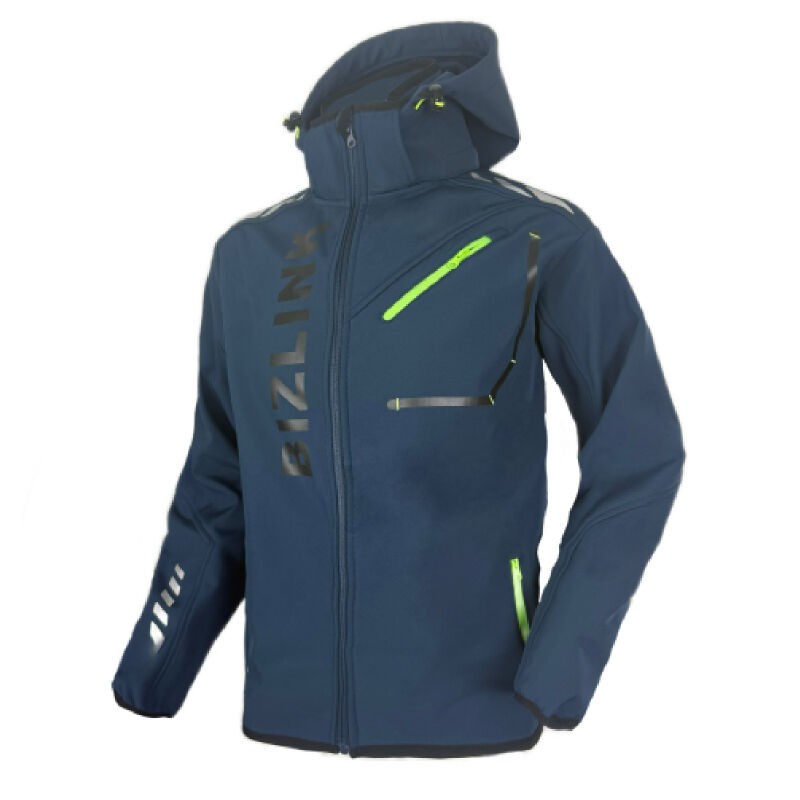
Modernien softshell-takkien toiminnallinen ylivoimaisuus johtuu tarkoituksellisista suunnitteluratkaisuista, jotka ratkaisevat ulkoilutoimintojen aikana ilmeneviä erityisiä ongelmakohtia. Ominaisuudet, kuten liukuvat hihattu, säädettävä hemmojärjestelmä ja strategisesti sijoitetut taskut muuttavat perustakkin monikäyttöiseksi työkaluksi, joka sopeutuu muuttuviin olosuhteisiin ja käyttäjän tarpeisiin. Tässä artikkelissa tarkastellaan niitä suunnitteluelementtejä, jotka havaittavasti parantavat softshell-takkien käytettävyyttä ja toiminnallisuutta, keskittyen siihen, miten rakennusyksityiskohdat, kiinnitysjärjestelmät, ilmanvaihtomahdollisuudet, taskujen asettelu ja suojatoiminnot vaikuttavat kokonaissuoritukseen. Kun näitä komponentteja analysoidaan käytännön soveltamisen näkökulmasta eikä esteettisen mieltymyksen perusteella, käyttäjät saavat selkeyttä siitä, mitkä ominaisuudet oikeuttavat investoinnin ja mitkä edustavat pinnallisempia lisäyksiä, jotka lisäävät kustannuksia ilman vastaavaa hyötyä.
Kapulasuunnittelu ja säätömekanismi
Irrotettava versus kiinteä kapulasuunnittelu
Päätös irrotettavien ja kiinteiden kauluksien välillä vaikuttaa merkittävästi pehmeän ulkokäsineen jääkkojen monikäyttöisyyteen eri toimintaprofiileissa ja vuodenajansiirroissa. Irrotettavat kaulukset tarjoavat sopeutuvuutta, koska käyttäjä voi poistaa kauluksen kokonaan lämpimämmässä sävässä tai sellaisissa toiminnoissa, joissa sivunäkökenttää ei saa rajoittaa, kuten teknisessä kiipeilyssä tai pyöräilyssä. Tämä modulaarinen lähestymistapa vähentää tilavuutta, kun kaulus ei ole enää tarpeen, ja helpottaa pakkaamista. Korkealaatuiset irrotettavat järjestelmät käyttävät vankkoja vetoketjuja tai nappeja, jotka varmistavat turvallisen kiinnityksen voimakkaiden liikkeiden aikana ja mahdollistavat työkaluttoman irrottamisen tarvittaessa. Kiinnityskohdat on vahvistettava, jotta estetään ennenaikainen kuluminen rasitusalueilla, joissa kaulus liittyy kaulukseen.
Kiinteät kauluspäät puolestaan poistavat irrotettavan osan menettämisen riskin ja yhdistyvät yleensä sujuvammin kaulusmuotoiluun, mikä luo siistimmän ulkoasun. Käyttäjille, jotka tarvitsevat päänsuojaa jatkuvasti vaihtelevissa olosuhteissa, kiinteät kauluspäät ovat kätevämpi vaihtoehto, koska erillisen osan kantaminen tai säilyttäminen ei ole tarpeen. Valinta näiden konfiguraatioiden välillä riippuu siitä, toimiko takki erityisfunktiona vai täytyykö sen sopeutua monipuolisiin tilanteisiin. Softshell-takit, jotka on tarkoitettu alppiympäristöön, hyötyvät usein irrotettavista kauluspäistä, jotka voidaan poistaa korkean rasituksen aikaisia nousuja varten ja kiinnittää takaisin, kun sää huononee, kun taas kaupunkikäyttöön keskittyvät mallit saattavat antaa etusijalle kiinteiden kauluspäiden sujuvan ulkoasun.
Tilavuuden säätö ja kypäräyhteensopivuus
Tehokas kauluksen toiminnallisuus softshell-takissa edellyttää tarkkoja tilavuuden säätöjärjestelmiä, jotka sopivat sekä päänkäyttöön ilman päähinettä että kypärän tai lisäeristävien kerrosten kanssa käytettäväksi. Monipisteiset säätömekanismit mahdollistavat käyttäjän mukauttaa kauluksen istuvuutta kasvojen ympärillä, takana sijaitsevassa tilavuuskammiossa ja reunan reunoilla. Takana sijaitsevat joustavat vedinköydöt ja niiden solmukytkimet mahdollistavat nopean yksikätisen kiristämisen, mikä estää kauluksen siirtymistä liikkeen aikana tai irtoamista päästä tuulessa. Tämä säätömahdollisuus on erityisen tärkeä siirtyessä eri toimintoihin tai kun sääolosuhteet muuttuvat nopeasti, sillä se mahdollistaa kauluksen pysymisen suojavana asennossa ilman, että pään kiertoliike tai sivunäkökenttä rajoittuisi.
Kypärän kanssa yhteensopivat kaulukset sisältävät suuremman tilavuuden ja vahvistetut reunarakenteet, jotka säilyttävät muotonsa, kun niitä käytetään kiipeilykypärän, hiihtokypärän tai pyöräilykypärän päällä. Reuna pitää ulottua riittävän pitkälle kasvojen suojaamiseksi sade- ja lumisateelta, mutta sen tulee myös sisältää hiljaisia jäykistysosia, jotka estävät reunan romahtamisen käyttäjän silmille. Jotkut edistyneet softshell-takat sisältävät reunassa piilotettuja metallilankojäykistyksiä, joita käyttäjä voi muokata haluamaansa kaarevuuteen parantaakseen sekä säänkestävyyttä että näkyvyyttä. Vuorikiipeilyn sovelluksissa kypärän kanssa yhteensopivuus on ehdoton vaatimus, kun taas viihdekäyttäjät saattavat antaa etusijan mukavuudelle ilman kypärää käytettäessä. Toiminnallisimmat suunnitteluratkaisut saavuttavat tasapainon, joka palvelee molempia käyttötarkoituksia kompromissien tekemättä kummassakaan tilanteessa.
Ilmanvaihtojärjestelmät ja lämpötilansäätö
Käsialleen sijaitsevat vetoketjut ja strategisesti sijoitetut ilmanvaihtoaukot
Lämpötilansäätö edustaa kriittistä toiminnallista vaatimusta softshell-takkojen osalta, koska näitä vaatteita käytetään usein toiminnallisuuksissa, jotka tuottavat merkittävää metabolista lämpöä. Kainaloihin sijoitetut ilmanvaihtoketjut, joita yleisesti kutsutaan kainaloketjuiksi, tarjoavat tehokkaimman mekaanisen ilmanvaihtovaihtoehdon luomalla ilmavirtauskanavia korkean lämmön alueille kainalojen alla. Nämä ketjut ulottuvat tyypillisesti alapartalosta keskitakseen, mikä mahdollistaa niiden avaamisen osittain tai kokonaan riippuen rasitustasosta ja ympäröivästä lämpötilasta. Sijoitus kainaloseudulle hyödyntää luonnollisia ilmanvaihtokuviota, jotka syntyvät käsien liikkuessa, ja luo savupiippuvaikutelman, joka vetää lämmintä, kosteutta sisältävää ilmaa pois torakasta.
Korkealaatuiset kainalozipit pehmeässä shell-pussissa toimivat kahdella tavalla, mikä mahdollistaa käyttäjän avata ne joko ylhäältä tai alhaalta säätääkseen ilmanvaihtoa tarkasti. Zipin kahvat tulisi olla riittävän suuria käytettäviksi myös hansikkaissa, ja niissä tulisi olla ulokeosat, jotka pysyvät helposti saatavilla myös silloin, kun käyttäjä kuljettaa selkärintaa, jonka olkahihnat ovat kuormitettuja. Sisäpuolella zippien takana olevat myrskykiinnikkeet estävät tuulen tunkeutumisen, kun ilmanvaihtoaukot ovat suljettuina, mikä säilyttää takin suojaavan vaipan lepoaikoina. Joissakin malleissa zippien taustalla on verkkomateriaalia, joka mahdollistaa ilmanvaihdon mutta estää suoran tuulenviimen iholle, vaikka tämä lisääkin hieman tilavuutta ja painoa. Toimivat kainaloventtiilit erottavat suorituskykyyn keskittyvät pehmeät shell-takit muodollisuuteen keskittyvistä suunnittelumalleista, jotka uhraavat käytettävyyden esteettisen yksinkertaisuuden hyväksi.
Kankaan hengittävyys ja kosteuden hallinta
Mechaanisten ilmanvaihtojärjestelmien lisäksi ulkokangas itsessään määrittää, kuinka tehokkaasti softshell-takit säätävät sisäistä lämpötilaa jatkuvan liikunnan aikana. Tekniset softshell-kangasaineet yhdistävät yleensä tiukkaseen ulkopinnan ja karvapohjaisen sisäpinnan, mikä muodostaa laminoidun rakenteen, joka torjuu tuulen mutta sallii kosteuden haihtumisen. Hengittävyysarvo, joka mitataan grammoina kosteusparvia, joka haihtuu neliömetrillä 24 tunnissa, kertoo, kuinka tehokkaasti hikoilu poistuu kankaan läpi. Korkean suorituskyvyn softshell-takit saavuttavat hengittävyysarvot välillä 10 000–30 000 grammaa, mikä riittää kohtalaisesta korkeaan aerobiseen liikuntaan kylmässä tai viileässä säässä.
Kosteudenhallintakyky ulottuu yksinkertaisen höyrynsiirtokyvyn yli ja käsittää kudoksen kyvyn levittää hikoilua laajalle pinnalle, mikä nopeuttaa haihtumista ja estää paikallista kastumista. Liukkaiden liikkeiden mahdollistava rakennus, jossa saumat sijoitetaan pois korkean hikoilun alueilta, vähentää kosteuden kertymistä sauman viivoille, mikä voi aiheuttaa kylmiä kohtia ja epämukavuutta. Sisäpuolen kudoksen pintarakenteella on myös vaikutusta kosteudenhallintaan: harsoitetut karvapinnat tarjoavat erinomaista kosketusmukavuutta iholle samalla kun ne siirtävät kosteutta kehosta pois. Käyttäjät, jotka osallistuvat katkoviivaisiin toimintoihin, kuten hiihtoretkille tai vuoristourheiluun, hyötyvät eniten pehmeistä shell-takkeista, jotka tasapainottavat mekaanisia ilmanvaihtovaihtoehtoja ja luonnollisesti hengittäviä kudospohjaisia järjestelmiä; tämä yhdistelmä mahdollistaa tarkan lämpötilanhallinnan vaihtelevilla rasitusasteikoilla.
Taskujen asettelu ja varastointiratkaisut
Rintataskun ja käsitasojen sijainti
Taskujen lukumäärä, koko ja sijoittelu vaikuttavat perustavanlaatuisesti pehmeän shell-puseron käytettävyyteen ja toiminnallisuuteen kenttäkäytössä. Rintataskut, jotka sijaitsevat vyötärön yläpuolella, ovat helposti käytettävissä myös selkärepun lantionvyötä tai kiipeilyvyötä käytettäessä, mikä tekee niistä ihanteellisia usein käytettyjä esineitä, kuten navigointilaitteita, energiapatukoita tai viestintälaitteita varten. Pystysuuntaisesti avautuvat rintataskut kääntyvällä kierrepihdillä estävät esineiden putoamisen ulos, kun käyttäjä taipuu eteenpäin tai kääntyy ylösalaisin teknisissä toiminnoissa. Taskun suuaukko tulisi olla riittävän leveä suojakäsineiden kanssa käytettäväksi, mutta ei niin leveä, että pienet esineet siirtyvät kulmiin, jolloin niiden noutaminen vaikeutuu.
Käsintaskut softshell-takissa toimivat sekä säilytystiloina että käsien lämmittäminä lepoaikoina. Eteenpäin kallistetut taskuaukot, joiden sisäpuoli on verkkomaisella villalla päällystetty, tarjoavat paremman mukavuuden kuin suorat vaakasuuntaiset aukot, koska kulma sijoittuu luonnollisesti käsien asentoon ja villapäällyste tarjoaa eristystä. Taskujen sijaintia suhteessa selkärankarungon lantionvyöllä tulee harkita huolellisesti, sillä liian alhaalla sijaitsevat taskut tulevat käyttökelvottomiksi, kun käytetään raskasta selkärunkoa, kun taas liian korkealla sijaitsevat taskut aiheuttavat epämukavan käsien asennon. Jotkut edistyneet softshell-takit sisältävät piilotettuja vetoketjuaukkoja päätaskulukkujen takana, mikä mahdollistaa turvallisen säilytyksen arvokkailelle tavaroille, kuten passille tai luottokorteille, samalla kun päätaskun tilavuus pysyy helposti saatavilla hanskoja tai hattuja varten.
Sisäinen säilytys ja turvallisuusominaisuudet
Sisäiset taskut softshell-takkoihin vastaavat tarpeeseen turvallisesta säilytyksestä esineille, jotka vaativat suojaa sääolosuhteilta tai varkauden riskiltä. Suuri sisäinen verkkotasku, joka sijaitsee yleensä vasemmassa rintakehän alueella, mahdollistaa esimerkiksi karttojen, asiakirjojen tai lisävaatetustasojen säilyttämisen samalla kun hengittävyys estää kosteen kertymisen. Verkkorakenteen ansiosta käyttäjä voi tunnistaa taskun sisällön avaamatta takkia kokonaan, mikä vähentää lämmönhäviötä esineiden otossa kylmissä olosuhteissa. Sisätaskujen tulee sisältää luotettava suljusjärjestelmä, jossa vetoketjut ovat luotettavampia kuin napakkausnauhat, jotka voivat kerätä likaa ja menettää pitävyytensä ajan myötä.
Erityisesti media-ainekkeita varten suunnitellut taskut, joissa on kaapelien ohjausjärjestelmä, ovat yhä arvokkaampia ominaisuuksia pehmeisiin shell-takkeihin, joita käytetään toiminnassa, jossa on tärkeää säilyttää yhteys sähköisiin laitteisiin. Nämä erityisesti suunnitellut taskut sisältävät vahvistettuja aukkoja kuulokkeiden tai viestintäkaapelien kulkuun kauluksen läheisyydessä, mikä estää kaapelien tarttumisen kasvillisuuteen tai varusteisiin. Joissakin malleissa on kosketusnäytöllä toimivat ikkunat, jotka mahdollistavat älypuhelimen käytön ilman laitteen poistamista taskusta, vaikka tämä ominaisuus lisääkin painoa ja mahdollisia heikkokohtia. Toimivimmat sisäiset säilytysratkaisut pehmeissä shell-takeissa tasapainottavat helppoutta, turvallisuutta ja säänsuojaa lisäämättä liiallista tilavuutta tai vaarantamatta vaatteen perussuojatoimintoja.
Sulkujärjestelmät ja säädettävät istuvuuselementit
Etupuolen vetoketjun suunnittelu ja leuan suoja
Pehmeän shell -takissa sijaitseva etupäässä oleva suljusjärjestelmä on ratkaiseva kosketuspiste, joka vaikuttaa sekä pukemisen ja riisumisen helppouteen että säänvarjoon, kun takki on täysin kiinni. Kahdenvuotuiset vetoketjut vahvoilla, suurilla vetopinsarilla mahdollistavat käytön hanskojen kanssa ja antavat käyttäjille mahdollisuuden avata takin alaosasta istumisasentoa tai kiipeilyvyötä varten ilman, että rintakehän alue täytyy kokonaan avata. Vetoketjun nauhan leveys ja hampaiden koko tulisi tasapainottaa turvallisuutta erottumista vastaan rasituksen alla ja sileää toimintaa, joka estää tarttumisen alapuolella olevaan kankaaseen tai takakalvoon. Päävetoketjun takana sijaitsevat myrskykannakkeet, jotka on kiinnitetty napitulppien tai toissijaisten vetoketjujen avulla, muodostavat lisäesteen tuulen ja sademäen tunkeutumiselle.
Leukasuojausjärjestelmät suojaavat kaulan ja alaosan kasvojen herkkää ihoa vetoketjun metalliosista, kun takki on täysin kiinni. Tehokkaat leukasuojausjärjestelmät pehmeät takit sisällytä pehmeät karvapinnan tai harattu kankaan paneelit, jotka ulottuvat vetoketjun päätepisteestä luodakseen mukavan turvavyöhykkeen. Suojus pitäisi estää vetoketjun kahvaa lepäämästä suoraan leuan päällä, samalla kun sen profiili pysyy alhaisena eikä se häiritse pään liikkeitä tai sivunäkökenttää. Joissakin suunnitteluratkaisuissa on magneettiset sulkeumat tai napit kauluksen yläosassa, jotka varmistavat vetoketjun täysin suljetun asennon ja estävät sen avautumisen vahingossa voimakkaiden liikkeiden aikana. Leuan suojaimen ja kauluksen rakenteen yhdistäminen tulisi luoda saumaton siirtymä, joka poistaa aukot, joista tuuli voi päästä sisään.
Hemman ja käsienpäiden säätömekanismit
Säädettävät hemmojärjestelmät softshell-takissa mahdollistavat käyttäjän mukauttaa alaosan aukeamaa tuulen pääsyn estämiseksi ja takin sijainnin säilyttämiseksi liikkeen aikana. Joustavat vedinköydetyt säädinmekanismit, jotka sijaitsevat hipsialueella tai käsitasoissa olevissa taskuissa, mahdollistavat nopean säädön ilman hanskojen tai selkärepun poistamista. Kahden erillisen, vasemman ja oikean puolen vedinköyden muodostama säädösjärjestelmä tarjoaa paremman mahdollisuuden mukauttaa istuvuutta verrattuna yhden köyden järjestelmiin, mikä mahdollistaa epäsymmetristen selkärepun kuormien tai kehon asentojen kompensoinnin. Hemmon säädön tulee olla riittävän tiukka sulkeakseen tuulen pois, mutta ei niin tiukka, että se aiheuttaisi liiallista ripsumista, joka lisäisi tilavuutta kiipeilyvyössä tai hipsivyössä.
Käsivarren sulkujärjestelmät vaikuttavat merkittävästi pehmeän shell-puseron kykyyn tiukentua sääolosuhteita vastaan käsivarren aukeamassa samalla kun säilytetään yhteensopivuus hanskojen ja muiden käsien suojavarusteiden kanssa. Koukku- ja silmukkasulkuja käytettäessä säädettävyys on rajaton ja yksikätinen käyttö on helppoa, vaikka ne voivat kerätä likaa, mikä heikentää pitävyyttä ajan myötä. Joustavat käsivarren sulut lisävarustettuna koukku- ja silmukkalevyillä tarjoavat turvallisen perusistuvuuden sekä tarkennettavan säädön mahdollisuuden. Joissakin suorituskykyyn keskittyvissä pehmeän shell-puseroissa käytetään sisäisiä joustavia käsivarren sulkuja peukalosilmukoilla, mikä luo tiukentuvan liitoksen, joka estää hiippaamisen yläpuolelle ulottuvien liikkeiden aikana ja estää lunta tai vettä pääsemästä käsivarren aukeamaan. Käsivarren suunnittelun tulisi ottaa huomioon hanskojen käsivarren osan päälle tai puseron hihnan alle asettaminen, sillä eri toiminnot ja olosuhteet vaativat erilaisia hanskojen integrointitapoja.
Suojatoiminnallisuus ja kestävyyden parantaminen
Vahvistusalueet ja kulutuskestävyys
Pehmeän shell-puseron kestävyys ja jatkuva toimivuus riippuvat merkittävästi strategisesta vahvistuksesta kulumisalttiissa alueissa, jotka ovat jatkuvaa kosketusta varusteiden, kiven tai kasvillisuuden kanssa. Olkapääalueet, joita taakkarihlat kuormittavat, hyötyvät korkeampaa denier-lukua käyttävistä päällyksistä tai lisälaminaattikerroksista, jotka kestävät kulumaan ja puristumiseen. Nämä vahvistukset tulisi ulottaa deltoidialueen yli ja yläkäsivarren alapuolelle, missä taakkarihlat keskittävät kuorman pitkäkestoisessa kantamisessa. Vahvistusmateriaalin on säilytettävä joustavuus, jotta ei muodostuisi jäykkiä kohtia, jotka rajoittaisivat olkapään kiertoliikettä, samalla kun se tarjoaa mitattavasti suurempaa kulumaan kestävyyttä kuin pääshell-kangas.
Kyynärpäiden vahvistukset pehmeässä shell-puserossa suojaa liikkuvia alueita, joita rasittaa venymästä aiheutuva jännitys ja joihin kallio koskettaa usein kiipeily- tai kavennusliikkeissä. Ylimäisten paneelien valmistamiseen käytetään venyvää kudottua kangasta, jonka kulumisluokitus on korkeampi kuin pääkangasaineen, mikä lisää vaatteen käyttöikää teknisissä ympäristöissä. Joissakin suunnitteluratkaisuissa kyynärpäiden liikkuvuutta parannetaan muotoiltulla kyynärpäitä tukevalla rakenteella ja taitettujen osien avulla, jolloin hihna on etukäteen kaareutettu, mikä vähentää kankaan jännitystä käsivarren taivutettaessa ja parantaa sekä mukavuutta että kestävyyttä. Alapuolisen etupaneelin vahvistukset suojaavat vatsa-aluetta turvavyön kulumalta ja karkeiden pintojen kosketuksilta turvautumis- tai kavennusliikkeissä. Tehokkaimmat vahvistusstrategiat pehmeässä shell-puserossa integroivat suojan suunnitteluun saumattomasti eikä niitä näy ulkopuolisena lisäyksenä, joka lisää tilavuutta ilman vastaavaa hyötyä.
Vedenpitävyys ja säänsuojaus
Vaikka softshell-takit eivät ole suunniteltu vedenpitäviksi sadevaatteiksi, tehokas vedenpitävyys on olennaisen tärkeää mukavuuden säilyttämiseksi lyhyen sademman aikana tai kosteissa ympäristöissä. Kehittyneet vedenpitävyystoimenpiteet (DWR), jotka on käsitelty ulkopinnalle, saavat vettä muodostuvat pisarat kertymään ja vierimään pois kankaasta sen sijaan, että kudos kastuisi kokonaan, mikä säilyttää hengittävyyden ja vähentää kosteen haihtumisesta aiheutuvaa jäähdytystä. DWR-käsittelyjen kestävyys vaihtelee huomattavasti, ja tehtaalla sovelletut päällykset vaativat ajoittaisen uusimisen pesemällä teknisillä puhdistusaineilla ja jälkikäsittelyn uudelleen soveltamalla. Vaativaan vuoristokäyttöön tarkoitetun softshell-takin tulisi olla riittävän vedenkestävä, jotta se torjuu kevyesti sateen tai lumensulamisen 30–60 minuutin ajan ennen kuin kastuminen alkaa vaikuttaa sisäiseen mukavuuteen.
Saumarakenteen valinta vaikuttaa siihen, kuinka tehokkaasti softshell-takit estävät kosteuden tunkeutumista sauman kohdalla, jossa neulan aiheuttamat reiät muodostavat mahdollisia vuotoreittejä. Tasaiset ja päällekkäiset saumat vähentävät näkyvissä olevien saumareikien määrää, kun taas joissakin huippuluokan malleissa kriittisiin saumiin – kuten hartia- ja kyynärvarren yhdistelmiin – on lisätty sauman tiivistys teipillä tai nestemäisellä tiivistelmällä. Kuitenkin täydellinen sauman tiivistys ristiriidassa softshell-takkien määrittelevän hengittävyyden etujen kanssa, joten valmistajien on tasapainotettava sääturvaa ja höyryn läpäisytä. Käyttäjille, jotka vaativat täydellistä vesitiukkuutta, erillinen hardshell-kerros on edelleen välttämätön, kun taas softshell-takit loistavat olosuhteissa, joissa hengittävyys on tärkeämpi kuin täydellinen säätiukkuus. Tämän toiminnallisen rajoituksen ymmärtäminen estää liiallisia suorituskyvyn odotuksia ja ohjaa asianmukaisia kerrostamispäätöksiä.
UKK
Mitä tekee softshell-takin kapulasta todella toimivan, eikä ainoastaan muotoiluelementin?
Toimiva kauluspäällyste pehmeässä shell-pussissa on varustettava useilla säätöpisteillä, jotta sitä voidaan mukauttaa sekä pään päältä ilman hattua että kypärän kanssa käytettäväksi, se on varustettava vahvistetulla reunalla, joka säilyttää muotonsa tuulessa ilman näkökentän rajoittamista, ja sen tilavuuden on liikuttava luontevasti pään liikkeen mukana eikä pysyä paikoillaan hartioilla. Irrotettavat järjestelmät lisäävät monikäyttöisyyttä, mutta niissä on käytettävä kestäviä kiinnitysjärjestelmiä, jotka kestävät toistuvia kiinnitys- ja irrotuskiertoja ilman vikoja. Kauluspäällysteen on suljettava tehokkaasti kasvojen aukeamaan vetoketjun avulla, kun taas takaosaan on mahdollista sijoittaa lisäeristekerroksia tarpeen mukaan.
Kuinka tärkeitä ovat kyynärvarren alapuolella sijaitsevat ilmastointihitsat pehmeässä shell-pussissa eri aktiviteeteissa?
Käsi-alueen ilmastointipäät ovat sitä tärkeämpiä, mitä voimakkaammin liikuntaa tehdään ja mitä enemmän ympäristön lämpötila vaihtelee. Korkean energiankulutuksen aktiviteeteissa, kuten hiihtoretkillä, polkurunoussa tai alppikiipeilyssä, joissa käyttäjät siirtyvät eri rasitusasteikkojen välillä, käsi-alueen ilmastointipäät tarjoavat välitöntä lämpötilansäädintä, jota ei voida saavuttaa pelkällä kankaan hengittävyydellä. Arkipäivän käyttäjät kohtalaisen lämpimissä ilmastovyöhykkeissä saattavat tuntea riittävän mukavuuden materiaalin hengittävyyden avulla, mutta kaikki, jotka harjoittavat aerobisia ulkoiluaktiviteetteja vaihtelevissa olosuhteissa, saavat merkittävää käytännön hyötyä mekaanisista ilmastointivaihtoehdoista, joita voidaan avata ja sulkea nopeasti muuttuvien olosuhteiden mukaan.
Pitäisikö minun priorisoida enemmän taskuja vai suurempia taskuja valittaessa softshell-takkeja?
Optimaalinen taskukonfiguraatio riippuu erityisesti käyttötarkoituksestasi eikä yleisistä säännöistä. Käyttäjät, jotka kuljettavat vähän tavaroita ja joille saatavuus on tärkeää, hyötyvät vähemmistä, strategisesti sijoitetuista taskuista, kuten rintataskusta ja käsitasoilla sijaitsevista taskuista, jotka pysyvät helposti saatavilla myös selkärankojen ollessa paikallaan. Niille, jotka tarvitsevat järjestellä useita pieniä esineitä eri saatavuustasojen mukaan, kannattaa etsiä suunnitteluita, joissa on erillisiä sisätaskuja, turvallisia vetoketjuja ja erikokoisia taskuja. Suuret taskut voivat muodostua epäjärjestellyiksi 'kaikenlaisen' tavaran keräyspaikoiksi, jolloin esineiden löytäminen vaikeutuu, kun taas liian suuri taskumäärä lisää vaatteen painoa ja mahdollisia vetoketjujen vikaantumiskohtia ilman, että todellista hyötyä saadaan lisättyä. Keskeinen kriteeri on sovittaa taskukonfiguraatio sinun tyypillisiin kuljetustarpeisiisi ja saatavuusmalleihisi toiminnan aikana.
Tarjoavatko kaikki pehmeän shell-puseron säätöominaisuudet todella käytännöllistä arvoa?
Kaikki säätöominaisuudet eivät tarjoa yhtä suurta toiminnallista arvoa, ja jotkut ovat markkinointilisäyksiä pikemminkin kuin todellisia suorituskyvyn parannuksia. Välttämättömiä säätömahdollisuuksia ovat esimerkiksi vyötärön vetoköydetyt säätönapit, jotka estävät tuulen pääsyn sisään, käsineiden käytön mahdollistavat käsivarren päätysulkeumat sekä kypärän tilavuuden säätömahdollisuus, jolla voidaan mukauttaa istuvuutta. Toissijaiset ominaisuudet, kuten kauluksen korkeuden säätimet tai useat vyötärön säätöpisteet, tarjoavat vähäisiä tarkennuksia, jotka ovat tärkeimmät käyttäjille vaativissa olosuhteissa tai niillä, joilla on erityisiä istuvuusvaatimuksia. Arvioi säätöominaisuuksia sen perusteella, ratkaisevatko ne todellisia ongelmia, joita kohtaat tyypillisissä toiminnoissasi, eikä olettaen, että enemmän säätömahdollisuuksia tarkoittaa parempaa suorituskykyä. Yksinkertaisuus suunnittelussa osoittautuu usein kestävämmäksi ja luotettavammaksi kuin liiallinen monimutkaisuus, joka lisää painoa ja huoltovaatimuksia.
Sisällysluettelo
- Kapulasuunnittelu ja säätömekanismi
- Ilmanvaihtojärjestelmät ja lämpötilansäätö
- Taskujen asettelu ja varastointiratkaisut
- Sulkujärjestelmät ja säädettävät istuvuuselementit
- Suojatoiminnallisuus ja kestävyyden parantaminen
-
UKK
- Mitä tekee softshell-takin kapulasta todella toimivan, eikä ainoastaan muotoiluelementin?
- Kuinka tärkeitä ovat kyynärvarren alapuolella sijaitsevat ilmastointihitsat pehmeässä shell-pussissa eri aktiviteeteissa?
- Pitäisikö minun priorisoida enemmän taskuja vai suurempia taskuja valittaessa softshell-takkeja?
- Tarjoavatko kaikki pehmeän shell-puseron säätöominaisuudet todella käytännöllistä arvoa?