 EN
EN

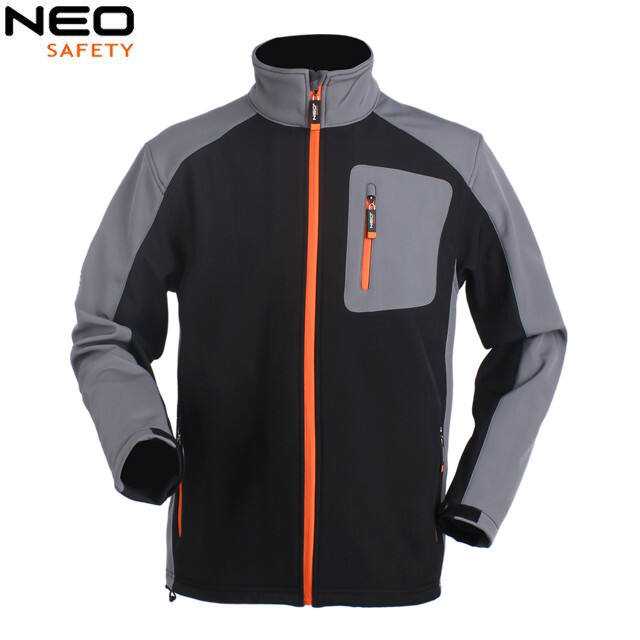
Tiimien ulkoiluvaatteiden valinta edellyttää strategista lähestymistapaa, joka tasapainottaa suorituskykyä, kestävyyttä, budjettirajoituksia ja tiimikohtaisia vaatimuksia. Riippumatta siitä, varustatko yrityksen ulkoiluryhmän, ammattimaisen tutkimusryhmän tai työntekijöitä, jotka toimivat ulkoympäristössä, tehdystä vaatevalinnasta riippuu suoraan turvallisuus, mukavuus, tuottavuus ja tiimin moraali. Yksilöllisten ulkoiluvaatteiden ostojen tapauksessa henkilökohtaiset mieltymykset ovat päätöksenteon keskipisteessä, kun taas tiimien ulkoiluvaatteiden valinnassa on otettava huomioon hankintaprosessin monimutkaisuus, standardointitarve ja pitkäaikaiset organisaationäkökulmat, mikä edellyttää huolellista arviointia useiden tekijöiden suhteen ennen ostopäätöksen tekemistä.
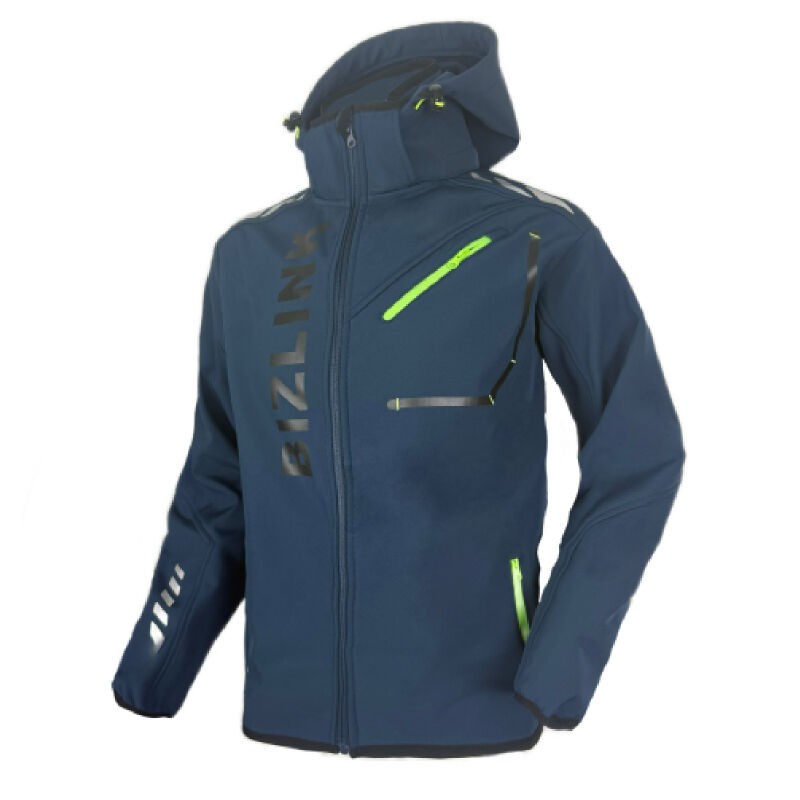
Valintaprosessi saa erityisen merkityksen, kun huomataan, että tiimin ulkoiluvaatteet täyttävät useita tehtäviä yhtaikaa: ne suojavat ympäristövaaroilta, välittävät ammattimaista identiteettiä, varmistavat sääntelyvaatimusten noudattamisen tietyissä aloissa ja edistävät tiimityötä tiimijäsenien välillä. Huonot vaatevalinnat voivat johtaa epämukavuuteen toiminnan aikana, lisääntyneeseen loukkaantumisriskiin, usein tarvittaviin korvausostoksiin ja tiimijäsenten tyytymättömyyteen. Toisaalta hyvin valitut tiimin ulkoiluvaatteet parantavat suorituskykyä, vähentävät toiminnallisia häiriöitä, parantavat turvallisuustuloksia ja osoittavat organisaation sitoutumista työntekijöiden hyvinvointisuuteen. Tämä kattava opas käsittelee olennaisia tekijöitä, jotka tulisi ottaa huomioon tiimin ulkoiluvaatteiden valintaprosessissa, ja tarjoaa päätöksentekijöille käytännöllisiä puitteita vaihtoehtojen arviointiin sekä informoituihin hankintapäätöksiin, jotka tuovat arvoa useilla eri alueilla.
Ympäristöolosuhteet ja toimintaan erityisesti liittyvät vaatimukset
Ilmastoa ja säämallien analyysi
Ymmärtää ympäristöolosuhteet, joihin tiiminne joutuu, on perustava tekijä tiimille tarkoitettujen ulkoiluvaatteiden valinnassa. Ilmastoanalyysi ulottuu yksinkertaisen lämpötila-alueen yli ja kattaa myös sademäärän, tuulen altistumisen, kosteusasteikot ja kausivaihtelut, jotka vaikuttavat vaatteiden suorituskykyvaatimuksiin. Vuoristoalueilla toimivat tiimit kohtaavat erilaisia haasteita kuin rannikkoalueilla toimivat tiimit, kun taas aavikko-operaatiot asettavat erityisiä vaatimuksia verrattuna leudon metsäalueen olosuhteisiin. Tee kattava arviointi tyypillisistä sääolosuhteista tiiminne toiminta-aikana, mukaan lukien pahimmillaan mahdolliset skenaariot, jotka voivat esiintyä pitkäkestoisissa ulkoiluaktiviteeteissä. Tässä analyysissä on otettava huomioon ei ainoastaan keskimääräiset olosuhteet, vaan myös äärimmäiset sääilmiöt, jotka voivat aiheuttaa turvallisuusriskin, jos tiimin jäsenillä ei ole riittävää suojaavaa vaatetusta.
Lämpötilan säätely saa erityisen merkityksen, kun valitaan ulkovaatteita tiimeille, jotka toimivat eri korkeusalueilla tai eri vuodenaikoina. Kerrosvaatetusjärjestelmät tarjoavat monipuolisuutta ja mahdollistavat sen, että tiimin jäsenet voivat sovittaa vaatetusasettelunsa muuttuvien olosuhteiden mukaan päivän aikana tai eri toimintavaiheissa. Alusvaatteiden tulee hoitaa kosteutta tehokkaasti, keskikerrosten tulee tarjota riittävä lämmöneristys kohtaamien lämpötilojen mukaan ja ulkokerrosten tulee suojata tuulta ja sadetta vastaan. Harkitse, vaativatko tiiminne vaatteita, jotka toimivat pakkasessa, kohtalaisissa ilmastollisissa olosuhteissa tai kuumissa ympäristöissä, joissa lämmön hajottaminen on ensisijainen huolenaihe. Valitsemanne vaatetusjärjestelmän tulee sopeutua kaikkiin niin tiimin kohtaamiin olosuhteisiin kuin myös niiden koko vaihteluväliin, eikä se saa optimoida vain yleisintä skenaariota.
Toimintatehon ja liikkeen vaatimukset
Tiimityön ulkoiset toimintamuodot vaikuttavat merkittävästi sopivan vaatetusvalinnan tekoon. Korkean intensiteetin toiminnot tuottavat runsaasti kehollista lämpöä ja hikoilua, joten tiimityön ulkovaatteiden tulee olla erinomaisen hengittäviä ja kykeneviä hallitsemaan kosteutta. Pienemmän intensiteetin toiminnot tai paikallaan pysyminen edellyttävät puolestaan suurempaa eristystä, jotta kehon lämpötila säilyy, kun aineenvaihdunnan tuottama lämpö vähenee. Arvioi, liikkuuko tiimi pääasiassa jatkuvasti, kuten vaelluksella tai pyöräilyllä, vai vaihtelevatko toiminnot voimankäytön ja lepoon siirtymisen välillä, vai tekeekö tiimi pääasiassa paikallaan tapahtuvaa työtä ulkoympäristössä. Tämä toimintaprofiili määrittää tiimityön vaatetusjärjestelmään tarvittavan tasapainon eristyksen, hengittävyyden ja ilmanvaihdon ominaisuuksien välillä.
Liikealueen huomioon ottaminen vaikuttaa myös merkittävästi aktiivisten tiimien vaatetusten valintaan. Liikettä rajoittava vaatetus heikentää suorituskykyä, lisää väsymystä ja voi aiheuttaa turvallisuusriskejä teknisissä toiminnoissa. Arvioi vaatetuksen suunnittelua artikuloitujen nivelten, venyvien paneelien, liitospohjaisen rakenteen ja ergonomisen leikkuukuvion perusteella siten, että ne tukevat tiimin jäsenten tiettyjä liikkeitä. Kiipeilytiimeillä on erilaiset liikkuvuusvaatimukset kuin kajakkitiimeillä, kun taas mittaus- ja kartoitustiimit, jotka usein ulottavat käsiään yläpuolelle tai nousevat polvilleen, tarvitsevat vaatetusta, joka liikkuu näiden asentojen mukana ilman, että se kiristää tai rajoittaa liikettä. Vaatetusvaihtoehtojen testaaminen todellisissa toiminnoissa antaa arvokasta tietoa siitä, tukevatko suunnittelut vai haittaavatko ne niitä liikkeitä, joita tiimi tekee säännöllisesti ulkotoiminnoissaan.
Materiaalin suorituskyky ja tekniset tiedot
Kangasteollisuuden tekniikka ja rakenteen laatu
Materiaalin valinta on yksi merkittävimmistä päätöksistä, kun valitaan tiimeille ulkoiluvaatteita, sillä kankaan ominaisuudet määrittävät suoraan vaatteen suorituskyvyn useilla eri alueilla. Nykyaikaiset ulkoilukankaat sisältävät monitasoisia teknologioita, jotka hallinnoivat kosteutta, säädelleen lämpötilaa, kestävät kulumaan ja tarjoavat säänsuojaa eri mekanismein. Synteettiset materiaalit, kuten polyesteeri ja nyloni, tarjoavat erinomaiset kosteuden poistamisominaisuudet, nopeat kuivumisajat ja kestävyyden, mikä tekee niistä sopivia korkean suorituskyvyn aktiviteetteihin ja kosteisiin olosuhteisiin. Luonnonkuidut, kuten merinovilla, tarjoavat erinomaisen hajuneston, mukavuuden laajalla lämpötila-alueella sekä eristävyyden myös kosteana, vaikka niitä yleensä vaaditaan huolellisempaa hoitoa ja niiden korvauskustannukset ovat korkeammat.
Ulkoiluvaatteiden tiimityksille tarkoitetun rakennelaadun tarkastelu vaatii huolellista analyysiä, joka menee pidemmälle kuin pelkän kankaan valinta. Saumarakentamistavat, ommelten tiukkuus, vahvistusten sijoittelu ja viimeistelytekniikat vaikuttavat kaikki vaatteen kestävyyteen ja suorituskykyyn vaativissa olosuhteissa. Tasasaumat vähentävät ihon kitkaa pitkäaikaisessa käytössä, kun taas nauhoitetut tai tiivistetyt saumat varmistavat vedenpitävyyden sadevaatteissa ja ulkokerroksissa. Tarkastele rasituspisteitä, kuten hartioita, kyynärpäitä ja polvia, joihin on lisätty vahvistuksia, jotta vaatteen elinikä pidentyy korkean kulutuksen alueilla. Laadukkaat vetoketjut tunnetuilta valmistajilta kestävät epäonnistumisia ja toimivat edelleen sujuvasti myös laajan käytön ja lika- tai kosteusalttiuden jälkeen. Alkuperäinen hintaero perus- ja huippuluokan rakenteiden välillä osoittautuu usein taloudellisesti kannattavaksi vaatteen koko elinkaaren aikana, kun otetaan huomioon vaihtofrekvenssi ja suorituskyvyn luotettavuus.
Sääsuojelu ja kerrostusyhteensopivuus
Säänsuojelukyvyn arviointi edellyttää ymmärrystä siitä, millaisiin erityishaasteisiin tiiminne kohtaa ja niiden sovittamista asianmukaisiin teknisiin määrittelyihin. Vesitiukkuusluokitus, joka ilmoitetaan millimetreinä, kertoo, kuinka suurta vedenpaineita kankas kestää ennen vuotamista; korkeammat luvut tarjoavat parempaa suojaa pitkäkestoisessa sateessa tai kosteissa olosuhteissa. Hengittävyysluokitus, joka ilmoitetaan grammoina neliömetrillä 24 tunnissa, kertoo, kuinka tehokkaasti kankas kuljettaa kosteuden muodossa olevaa vettä vaatteen sisältä ulkoiseen ympäristöön. Ulkona toimiville tiimeille, jotka toimivat kosteissa ilmastovyöhykkeissä, molemmat mittarit ovat tärkeitä: riittämätön vesitiukkuus johtaa ulkoisen kosteuden tunkeutumiseen, kun taas heikko hengittävyys aiheuttaa sisäistä kondensaatiota, mikä tekee suojelusta turhia. Tasapainota nämä tekniset määrittelyt todellisten altistumisolojen kanssa eikä valitse automaattisesti korkeimpia luokituksia, jotka voivat lisätä tarpeetonta kustannusta ja painoa.
Tuulen vastus on toinen ratkaiseva sääsuojatekijä, joka vaikuttaa kokeeseen lämpötilaan ja yleiseen mukavuuteen ulkoisissa aktiviteeteissa. Tuulenpitävät kankaat tai kalvot estävät ilman tunkeutumisen, joka poistaa ihon läheisyydessä olevan lämmön säilyttävän ilmakerroksen ja siten ylläpitävät lämpötehokkuutta myös altistettuina olosuhteina. Harkitse, tarvitseeko tiiminne täydellistä tuulenpitävää suojaa ulkokerroksissa vai riittääkö vähemmän ankariin olosuhteisiin tuulenkestävät materiaalit. Ulkoisten vaatteiden kerrostusyhteensopivuus tiimejä varten varmistaa, että vaatteet toimivat tehokkaasti yhdessä eikä niistä synny järjestelmäkonflikteja. Varmista, että sisäkerrokset istuvat mukavasti keskikerrosten alla ilman liiallista tilavaisuutta ja että ulkokoot ottavat huomioon koko kerrostusjärjestelmän ilman rajoituksia. Epäyhteensopivat kerrosten mitat aiheuttavat mukavuusongelmia ja heikentävät järjestelmän kokonaistehokkuutta erilaisissa olosuhteissa.
Kokojen yhtenäisyys ja istuvuuden varmistaminen
Kokovaihteluväli ja kehonmuotojen monimuotoisuus
Tiimissäsi olevien erilaisten kehomuotojen huomioiminen aiheuttaa logistisia haasteita, joihin on kiinnitettävä erityistä huomiota valintaprosessin aikana. Yksilöllisissä ostoksissa yksi henkilö valitsee itselleen parhaiten sopivan koon, mutta tiimin hankinnoissa on tyydytettävä useiden eri kehomuotojen, pituuksien ja suhteiden vaatimukset käytännöllisellä määrällä kokovaihtoehtoja. Arvioi, tarjoavatko mahdolliset tiimille tarkoitetut ulkoiluvaatteet riittävän laajan kokovaihteluvälin, jotta voit varustaa koko tiimisi ilman, että yksilöitä joudutaan pakottamaan epämiellyttäviin ja huonosti istuvien vaatteiden käyttöön, mikä heikentää sekä mukavuutta että suorituskykyä. Laajennetut kokovaihteluvälit, jotka sisältävät sekä tavallisia että pitkiä kokoja sekä vaihtoehtoja eri kehomuotoihin, vähentävät niiden tiimijäsenien määrää, jotka joutuisivat hyväksymään kompromissina huonosti istuvan vaatteen.
Sukupuolittaiset suunnittelunäkökohdat vaikuttavat myös sopivan istuvuuden tarjoamiseen sekakokoisille tiimeille. Vaikka joissakin ulkoiluvaatteissa käytetään yleisesti käytettyä unisex-kokotaulukkoa, sukupuolittaiset leikkaukset tarjoavat yleensä paremman istuvuuden suunnittelutoimin, jotka ottavat huomioon eri ruumiinmuodot, mikä parantaa mukavuutta ja poistaa istuvuuteen liittyviä ongelmia, jotka voivat häiritä suoritustasoa. Kun valitaan ulkoiluvaatteita tiimeille, joiden jäsenyys on monimuotoista, varmista, että toimittajallasi on saatavilla rinnakkaisia tuotelinjoja tai riittävästi päällekkäisiä kokoja, jotta kaikki tiimin jäsenet saavat sopivan vaatteen. Inklusiivinen kokovalikoima osoittaa organisaation kunnioitusta kaikkia tiimin jäseniä kohtaan ja varmistaa, että vaatteiden suorituskyvyn edut kohdistuvat tasaisesti koko tiimiin eikä ainoastaan osaan työvoimasta.
Säädettävyysominaisuudet ja istuvuuden tarkentaminen
Vaatteiden suunnittelussa hyödynnetty säädettävyys laajentaa käytännöllistä kokoaluetta ja mahdollistaa yksilöllisen istuvuuden optimoinnin tiimin jäsenille heidän omien mittasuhteidensa ja mieltymystensä mukaan. Säädettävät hemmat, käsivarren päät, vyötäröalueet ja kapulat mahdollistavat räätälöinnin, joka parantaa säätiukkuutta, estää lämmön menetystä ja lisää mukavuutta ilman että tarvitaan useita eri kokoja. Arvioi, sisältävätkö mahdolliset tiimille tarkoitetut ulkoiluvaatteet säätömekanismeja kriittisissä paikoissa, joissa istuvuuden tarkkuus vaikuttaa suorituskykyyn. Vetoköydellä varustetut takkien hemmat sulkevat ulkoa ilmavirtaukset ja estävät vaatteen nousemisen liikkeen aikana, kun taas säädettävät käsivarren päät sulkevat rannealueen tiukasti tai mahdollistavat tarvittaessa useamman kerroksen pukemisen alle. Kapulan säätövarusteet varmistavat, että tämä tärkeä sääsuojelutoiminto toimii luotettavasti eikä häiritse näkökenttää tai siirry paikaltaan liikkeen aikana.
Niveltyyppinen leikkuu on toinen istuvuuteen liittyvä ominaisuus, joka parantaa mukavuutta ja liikkuvuutta suoraleikattuja suunnitelmia enemmän. Etukäteen muotoillut kyynär- ja polvialueet sijoittavat kudoksen oikein taivutettujen nivelten asentoihin, joita esiintyy yleisesti ulkoilutoiminnassa, mikä vähentää saumojen rasitusta ja parantaa liikkumisvapautta. Arvioitaessa joukkueille tarkoitettuja ulkovaatteita on otettava huomioon, heijastavatko vaatteen leikkaukset todellisia kehon asentoja tyypillisissä toiminnoissa vai ainoastaan seisova-asentoa. Ergonominen suunnittelu vähentää väsymystä, poistaa rajoituksia kriittisissä liikkeissä ja parantaa joukkuevaatteisiin kohdistuvaa yleistä tyytyväisyyttä. Näytteiden testaus todellisten joukkuejäsenten kanssa edustavissa toiminnoissa paljastaa istuvuusongelmia, joita ei havaita staattisesta tarkastelusta tai teknisistä eritelmistiedoista, mikä antaa arvokasta tietoa ennen suurten määrien ostamista.
Kestävyys, huolto ja elinkaaren kustannukset
Kulumisvastus ja rakenteellinen kestävyys
Kestävyys vaikuttaa suoraan joukkueille tarkoitettujen ulkovaatteiden kokonaishintaan, mikä tekee siitä olennaisen arviointitekijän eikä toissijaista harkinnan kohtaa. Vaatteet, jotka pettävät liian varhain, vaativat uusia ostoksia, jolloin alun perin edullisempien vaihtoehtojen tuomat kustannussäästöt moninkertaistuvat, kun taas kestävät vaatteet säilyttävät suorituskykynsä ja ulkoasunsa pidemmän käyttöiän ajan. Arvioi kulutuskestävyyttä erityisesti korkean kulutuksen alueilla, kuten hartioissa (reppujen nauhojen kohdalla), kyynärpäissä, istuinalueella ja polvissa, joissa kitka esiintyy toistuvasti normaalissa käytössä. Jotkut valmistajat vahvistavat näitä alueita painavammin kudotulla kankaalla tai suojaavilla päällyksillä, mikä merkittävästi pidentää vaatteen elinikää tasapaksuisen rakenteen verrattuna.
Komponenttien laatu vaikuttaa myös pitkäikäisyyteen paitsi kankaan kestävyyden lisäksi. Vetoketjut ovat yleisiä pettämiskohtia ulkoiluvaatteissa, ja rikki menneet tai huonosti toimivat sulkeumat tekevät usein muuten toimivista vaatteista käyttökelvottomia. Korkealaatuiset vetoketjut tunnettujen valmistajien tuotannosta kestävät tuhansia käyttökertoja ja toimivat luotettavasti myös likaisessa, hiekassa tai kosteudessa olevissa olosuhteissa. Samoin napit, painonapit, tarttuvat sulkeumat (hook-and-loop) ja muut kiinnitysjärjestelmät tulisi olla rakennettuja vankasti niin, että ne kestävät vaativaa ulkoilukäyttöä. Kun arvioitte ulkoiluvaatteita tiimeille, tarkastelkaa kiinnityskomponentteja huolellisesti ja tutkikaa niiden mainetta luotettavuuden suhteen sellaisissa kenttäolosuhteissa, joita tiimienne kohtaa. Korkealaatuisempien komponenttien lisäkustannus on yleensä vain pieni osa vaatteen kokonaishinnasta, mutta se vaikuttaa merkittävästi vaatteen käyttöiän ja käyttäjien tyytyväisyyteen.
Hoito-ohjeet ja kunnossapitoprotokollat
Käytännölliset huoltovaatimukset vaikuttavat merkittävästi joukkueille tarkettujen ulkoiluvaatteiden todelliseen suorituskykyyn ja kestävyyteen. Monimutkaiset hoito-ohjeet, joiden noudattaminen joukkueen jäsenillä on vaikeaa, johtavat usein varhaiseen suorituskyvyn heikkenemiseen tai vaatteiden vahingoittumiseen, kun taas yksinkertaiset huoltoprotokollat edistävät oikeanlaista hoitoa ja siten vaatteiden käyttöiän pidentämistä. Arvioi, vaativatko mahdolliset joukkuevaatteet erityisiä pesuproseduureja, tiettyjä pesuaineita, lämpötilarajoituksia tai erityisiä kuivatusmenetelmiä, jotka vaikeuttavat arkipäiväistä hoitoa. Vaatteet, joiden hoito vaatii ammattimaista pesua tai monimutkaisia huoltotoimenpiteitä, saavat usein käytännössä riittämätöntä hoitoa riippumatta siitä, mitä alun perin annettiin joukkueen jäsenille ohjeita.
Ota huomioon organisaation kyky hallita joukkuevaatteiden huoltoa valitessa ulkoiluvaatteita joukkueille jotkut organisaatiot tarjoavat keskitettyjä pesupalveluita, jotka voivat huomioida erityisesti suunniteltuja hoitovaatimuksia, kun taas toiset odottavat, että yksittäiset tiimijäsenet pitävät myönnettyä vaatetustaan henkilökohtaisilla tiloillaan. Tämä toiminnallinen konteksti vaikuttaa siihen, soveltuvatko paremmin alhaisen huollon vaativat vai korkean suorituskyvyn – mutta herkät – vaihtoehdot teidän tarpeisiinne. Arvioikaa lisäksi tukipinnoituksen uudelleen käyttöönottohoitojen, kalvojen uudelleenaktivointimenettelyjen tai muiden huoltotoimenpiteiden saatavuutta ja kustannuksia, joilla palautetaan säänsuojauksen tai muiden suorituskykyominaisuuksien tasoa, jotka heikentyvät ajan myötä. Vaatetusjärjestelmät, jotka säilyttävät suorituskykynsä yksinkertaisilla ja helposti saatavilla olevilla hoitomenettelyillä, tuovat parempaa pitkän aikavälin arvoa kuin teknisesti ylivertaiset vaihtoehdot, joiden huoltotoimenpiteet eivät ole saatavilla tai joiden kustannukset ovat liian korkeat.
Tiimityyppi, turvallisuus ja noudattamisvaatimukset
Visuaalinen tunnistettavuus ja ammatillinen edustus
Ulkoiluvaatteet tiimeille täyttävät usein organisaation brändäystä ja ammattimaista identiteettiä koskevia tehtäviä, jotka menevät pidemmälle kuin pelkät suorituskykyvaatimukset. Yhtenäinen tiimin ulkonäkö luo visuaalista yhtenäisyyttä, helpottaa ryhmän hallintaa toiminnan aikana ja välittää ammattimaisuutta asiakkaille, kumppaneille tai yleisölle, joka havaitsee tiimenne ulkoilutoiminnan aikana. Harkitkaa, tukeeko organisaationne kulttuuri ja toimintaympäristö erottuvia tiimivaatteita, jotka tunnistavat jäsenet selkeästi, vai paremminko yksilöllinen vaihtelu suorituskykyparametrien puitteissa vastaa tarpeitanne. Värivalinnassa on tasapainotettava näkyvyysvaatimukset, esteettiset mieltymykset, organisaation värikaaviot sekä käytännölliset näkökohdat, kuten likaantuminen tai värin himmeneminen ajan myötä.
Mukautusvaihtoehdot, kuten logot, joukkueiden nimet tai yksilöllinen tunnistaminen, mahdollistavat henkilöitymisen samalla kun yleinen yhtenäisyys säilyy. Arvioi, tarjoavatko mahdolliset toimittajat koristelupalveluita, jotka täyttävät laatuodotuksetne ja kestävät vaatteen koko käyttöiän sekä toistuvan pesun. Käsityökoristelu on yleensä kestävin koristelumenetelmä, mutta se lisää kustannuksia ja saattaa vaikuttaa kankaan hengittävyyteen koristeltuilla alueilla. Ruututulostus, lämmöntässä tapahtuva tulostus ja sublimaatiotulostus ovat vaihtoehtoisia koristelumenetelmiä, joilla on erilaiset kustannusrakenteet, kestävyysominaisuudet ja esteettiset tulokset. Kun valitset ulkoiluvaatteita joukkueille, jotka kantavat organisaation brändiä, ottaa mukaan hankintasuunnittelussa koristelukustannukset ja toimitusaikataulut, sillä mukautus usein pidentää toimitusaikoja merkittävästi verrattuna varastosta toimitettaviin vaatteisiin.
Turvallisuusnormit ja sääntelyyn noudattaminen
Tiettyjä teollisuusaloja ja toimintoja koskevat erityiset turvallisuusstandardit tai sääntelyvaatimukset, jotka rajoittavat ulkovaatteiden valintamahdollisuuksia. Korkean näkyvyyden vaatteet, jotka täyttävät ANSI-, ISO- tai muut standardit, ovat pakollisia tiimeille, jotka työskentelevät ajoneuvojen liikenteen läheisyydessä, rakennustyömailla tai muissa ympäristöissä, joissa työntekijöiden nopea havaitseminen koneenkäyttäjien tai kuljettajien toimesta estää onnettomuuksia. Tulenvastaiset tai kaariluokituksen saaneet vaatteet suojaavat tiimejä, jotka työskentelevät mahdollisten syttymissyyn tai sähkövaarojen läheisyydessä. Kun valitaan ulkovaatteita tiimeille säänneltyillä teollisuusaloilla, varmista, että ehdotetut vaatteet ovat saaneet asianmukaiset sertifikaatit ja täyttävät kaikki sovellettavat standardit teidän toimintaympäristönne vaatimuksien mukaisesti.
Vaikka sääntelyvaatimuksia ei olisi ilmeisesti asetettu, turvallisuusnäkökohdat tulisi ottaa huomioon ulkovaatteiden valinnassa tiimeille, jotka toimivat objektiivisia vaaroja sisältävissä ympäristöissä. Kirkkaat värit parantavat näkyvyyttä etsintäoperaatioissa tai olosuhteissa, joissa tiimin jäsenet saattavat erota toisistaan. Heijastavat elementit parantavat havaittavuutta heikossa valaistuksessa tai yöllisissä toiminnoissa. Harkitse, sisältääkö tiimin toiminta altistumista teräville esineille, karkeille pinnoille tai muille mekaanisille vaaroille, mikä puoltaa pistosuojattuja tai vahvistettuja kankaita. Valitsemienne tiimien ulkovaatteiden tulee tarjota asianmukaista suojaa operatiivisessa ympäristössä kohtaan kohtalaisen ennakoitavissa olevia vaaroja eikä vaatteita tulisi pitää pelkästään mukavuuden kannalta tärkeinä. Turvallisuusominaisuuksien tasapainottaminen muiden valintakriteerien kanssa varmistaa, ettei suoja tule kustannuksena perustoiminnallisuuksille, mutta myöskään ettei estetä vastakkaisella virheellä esteitä estämällä esteitä estämällä esteitä estämällä esteitä estämällä esteitä estämällä esteitä estämällä esteitä estämällä esteitä estämällä esteitä estämällä esteitä estämällä esteitä estämällä esteitä estämällä esteitä estämällä esteitä estämällä esteitä estämällä esteitä estämällä esteitä estämällä esteitä estämällä esteitä estämällä esteitä estämällä esteitä estämällä esteitä estämällä esteitä estämällä esteitä estämällä esteitä estämällä esteitä estämällä esteitä estämällä esteitä estämällä esteitä estämällä esteitä estämällä esteitä estämällä esteitä estämällä esteitä estämällä esteitä estämällä esteitä estämällä esteitä estämällä esteitä estämällä esteitä estämällä esteitä estämällä esteitä estämällä esteitä estämällä esteitä estämällä esteitä estämällä esteitä estämällä esteitä estämällä esteitä estämällä esteitä estämällä esteitä estämällä esteitä estämällä esteitä estämällä esteitä estämällä esteitä estämällä esteitä estämällä esteitä estämällä esteitä estämällä esteitä estämällä esteitä estämällä esteitä estämällä esteitä estämällä esteitä estämällä esteitä estämällä esteitä estämällä esteitä estämällä esteitä estämällä esteitä estämällä esteitä estämällä esteitä estämällä esteitä estämällä esteitä estämällä esteitä estämällä esteitä estämällä esteitä estämällä esteitä estämällä esteitä estämällä esteitä estämällä esteitä estämällä esteitä estämällä esteitä estämällä esteitä estämällä esteitä estämällä esteitä estämällä esteitä estämällä esteitä estämällä esteitä estämällä esteitä est......
Ostoharkinnat ja toimittajasuhteet
Määräalennukset ja budjetin optimointi
Budjettirajoitukset vaikuttavat lähes jokaiseen joukkueen vaatetusten hankintapäätökseen, mikä edellyttää tasapainoa laadun, suorituskyvyn ja taloudellisten rajoitusten välillä. Valmistajien ja jakelijoiden tarjoamat määräalennusrakenteet voivat merkittävästi alentaa yksikköhintoja suuremmilla tilauksilla, mutta tätä etua on punnittava varastointikustannusten, vanhenemisriskin (esimerkiksi joukkueen koon muuttuessa) ja suurten erien ostamiseen vaadittavan pääoman vaikutuksen kanssa. Kun arvioidaan joukkueille tarkoitettuja ulkoiluvaatteita, pyydä yksityiskohtaista hinnoittelua eri tilausmääristä, jotta voidaan tunnistaa määrärajat, joissa yksikköhinta laskee huomattavasti. Nämä kynnysarvot auttavat määrittämään optimaalisen tilauskoon, joka tasapainottaa hintaetujen ja käytännöllisten varastonhallintaharkintojen välillä.
Kokonaishyötyomaksu ulottuu alkuhinnan yli ja sisältää odotetun käyttöiän, huoltokustannukset, vaihtofrekvenssin sekä vaatteen suorituskyvyn tai epäonnistumisen aiheuttamat epäsuorat kustannukset. Korkealaatuiset ulkoiluvaatteet tiimeille, joilla on korkeammat alkuhinnat mutta pidempi kestävyys, osoittautuvat usein taloudellisemmin kannattaviksi monivuotisella suunnitteluhorisontilla verrattuna halvempiin vaihtoehtoihin, jotka vaativat useita vaihtoja. Laadi taloudellisia malleja, jotka ottavat huomioon realistiset vaatteiden käyttöiät teidän käyttöintensiteettinne ja hoitotapojenne perusteella, jotta voidaan suoraan vertailla eri hinta-kesto-profiileja omaavia vaihtoehtoja. Ota huomioon myös erityisesti joukkovaihtokustannukset, jos koko tiimin vaatteet saavuttavat käyttöiän päättymisen samanaikaisesti, verrattuna vaiheittaiseen vaihtoon, jossa yksittäiset vaatteet loppuvat eri aikaan käyttötaajuuden tai tiimien jäsenten välisen hoitotavan vaihtelun perusteella.
Toimittajan luotettavuus ja uudelleentilausten saatavuus
Luotettavien toimittajien kanssa solmittavat suhteet, jotka voivat tukea tiimin jatkuvia tarpeita, tuovat merkittävää arvoa alun perin tehdyn ostotransaktion yläpuolelle. Tiimejä, joihin liittyy uusia jäseniä ajan myötä, tarvitsevat lisävaatteita samoilla teknisillä eritelmillä yhdenmukaisuuden säilyttämiseksi. Arvioi, säilyttävätkö mahdolliset toimittajat vakaita tuotelinjojaan, joiden tuotteita on saatavilla tulevien tilausten varalta, vai hylätäänkö tuotteita usein ja esitelläänkö niiden tilalle uusia malleja, jotka poikkeavat edellisistä versioista. Tuotejatkuvuus mahdollistaa alkuperäisten tilausten täydentämisen tarvittavilla lisäkappaleilla, kun taas usein vaihtuvat mallit pakottavat koko tiimin uudelleenvarustamisen yhdenmukaisuuden säilyttämiseksi.
Toimitusaikojen ja toimitusten luotettavuuden arviointi vaikuttaa myös toimittajien arviointiin, erityisesti niille organisaatioille, joilla on tiettyjä aikataulutusvaatimuksia tai kausittaisia toimintakalentoja. Arvioi, ylläpitävätkö toimittajat riittävää varastoa standardituotteista nopeaa toimitusta varten vai vaativatko kaikki tilaukset valmistusajoista johtuvaa toimitusaikaa, joka pidentää merkittävästi toimitusaikoja. Mukautettujen ulkoiluvaatteiden osalta, joissa on organisaation brändäys, tutki koko tuotanto- ja koristeluprosessin aikataulu, mukaan lukien mahdolliset viivästykset huipputilauskausien aikana. Toimittajien viestintäkäytännöt, tilausten seurantamahdollisuudet ja ongelmien ratkaisun nopeus vaikuttavat suhteiden laatuun, mikä vaikuttaa tyytyväisyyteen paitsi tuotteen ominaisuuksien lisäksi myös muilla tasoilla. Toimittajien valinta, jotka osoittavat luotettavuutta, läpinäkyvyyttä ja sitoutumista asiakaspalveluun, vähentää hankintaprosessin stressiä ja rakentaa kumppanuuksia, jotka tuovat arvoa useiden tilausten aikana, kun tiimivaatteiden tarpeet kehittyvät ajan myötä.
UKK
Kuinka monta ulkovaatetta kunkin tiimin jäsenellä on yleensä tarve?
Sopiva määrä ulkovaatteita tiimeille riippuu toimintataajuudesta, pesumahdollisuuksista ja siitä, toimivatko vaatteet työpukeina vai käytetäänkö niitä vain tilaisuusmukaisesti vapaa-ajalla. Tiimit, jotka osallistuvat usean päivän mittaisiin retkiin ilman mahdollisuutta pestä vaatteita, tarvitsevat riittävästi vaatteita päivittäiseen vaihtoon sekä varavarusteita, mikä yleensä tarkoittaa kolmea–viittä kappaletta kutakin vaatetyyppiä. Organisaatioissa, joiden työntekijät käyttävät ulkovaatteita normaalissa työssään, työntekijälle annetaan yleensä kaksi–kolme vaatesarjaa, jotta vaatteita voidaan vaihtaa pesun aikana ja ammatillinen ulkoasu säilyy. Tiimeille, jotka käyttävät ulkovaatteita vain tilaisuusmukaisesti tiettyihin tapahtumiin tai kausittaisten toimintojen yhteydessä, yksi täydellinen vaatesarja henkilöä kohden voi riittää, jos vaatteiden huolto ja säilytys ovat riittävän hyvät säilyttääkseen vaatteiden kunnon käyttökertojen välillä. Ottaen huomioon myös se, että alusvaatteet, keskikerrokset ja ulkokotelot voivat edellyttää eri vaihtovälejä kulutuksen perusteella: korkean kosketustason tuotteet, kuten alusvaatteet, saattavat vaatia useammin vaihtoa kuin ulkokotelot, joita ei käytetä suoraan kosketuksessa ympäristön kanssa.
Tulisiiko tiimin ulkoiluvaatteiden korostaa yhtenäistä ulkoasua vai sallia yksilöllinen vaihtelu?
Tämä päätös heijastaa organisaation kulttuuria, toiminnallisia vaatimuksia ja erityistä kontekstia, jossa teidän tiiminne käyttää ulkoiluvaatteita. Yhtenäinen ulkonäkö tiimin jäsenten kesken on hyödyllinen tilanteissa, joissa visuaalinen tunnistettavuus on tärkeää turvallisuuden, turvallisuuden tai ammattimaisen edustamisen kannalta – ulkoilukasvatusohjelmat, retkikuntapalvelut tai yritystiimit, jotka osallistuvat julkisiin tapahtumiin, saavat hyötyä johdonmukaisesta brändäyksestä ja helposta jäsenten tunnistamisesta. Toisaalta vaihtelun salliminen suorituskyvyn määrittelyjen puitteissa kunnioittaa yksilöllisiä mieltymyksiä ja voi parantaa tyytyväisyyttä silloin, kun tiimin jäsenillä on vahvoja henkilökohtaisia mieltymyksiä leikkaukseen, tyyliin tai tiettyihin ominaisuuksiin. Monet organisaatiot käyttävät tasapainottavia lähestymistapoja, joissa perusasiat, kuten ulkokäsien vaatteet, noudattavat johdonmukaisia määrittelyjä ja sisältävät organisaation brändäystä, kun taas alus- ja keskikerrokset sallivat yksilöllisen valinnan hyväksyttyjen suorituskyvyn parametrien puitteissa. Tämä tasapainoinen lähestymistapa saavuttaa visuaalisen identiteetin tavoitteet siellä, missä ne ovat tärkeimmät, samalla kun otetaan huomioon henkilökohtaiset mieltymykset vaatteisiin, jotka ovat lähimpänä ihoa ja joiden suhteen yksilölliset mukavuusmieltymykset vaihtelevat eniten.
Milloin tiimin ulkovaatteet tulisi vaihtaa, vaikka ne toimisivatkin edelleen?
Ulkoasua vaativien vaatteiden vaihtaminen tiimeille ennen kuin ne ovat täysin käyttökelvottomia palvelee useita strategisia tarkoituksia, vaikka toiminta näyttäisikin tuhlaavan toimintakykyisiä vaatteita. Sääsuojan heikkeneminen on yleisin syy ennakoivaan vaihtoon – vedenpitävät päällykset ja hengittävät kalvot menettävät tehonsa ajan myötä, vaikka niitä huollettaisiinkin asianmukaisesti, ja kun suojatoiminto on kerran heikentynyt, vaatteet eivät enää tarjoa pääsuojatoimintoaan. Jos tiimi tekee työtä todellisen vaativissa olosuhteissa, joissa vaatteiden epäonnistuminen aiheuttaa turvallisuusriskejä, kannattaa määrittää vaihtosuunnitelma käyttötuntien tai kalenteriajan perusteella sen sijaan, että odottaisi ilmeistä epäonnistumista. Myös ammattimaisen ulkoasun vaatimukset voivat perustella vaihtoa ennen toiminnallisesti loppuaikaa, kun vaatteissa näkyy näkyvää kulumausta, värimuutoksia tai vaurioita, jotka heikentävät haluttua ammattimaista kuvaa, vaikka perustoiminnallisuus säilyisikin. Lisäksi teknologian kehitys voi joskus tarjota merkittäviä suorituskykyetuja, mikä perustelee toimivien mutta vanhentuneiden vaatteiden päivittämisen, erityisesti silloin, kun uudet vaihtoehdot parantavat huomattavasti miellyttävyyttä, vähentävät painoa tai lisäävät turvallisuutta verrattuna vanhoihin tiimivaatteisiin, jotka teknisesti ottaen toimivat edelleen, mutta edustavat vanhentuneita standardeja.
Voivatko tiimin ulkovaatteet soveltua usealle vuodenajalle vai tarvitsemme erilliset kesä- ja talvivaatteet?
Kerrostusjärjestelmät tarjoavat monikäyttöisimmän ja kustannustehokkaimman ratkaisun tiimeille, jotka toimivat koko vuoden eri vuodenaikoina. Sen sijaan, että hankitaan täysin erilliset lämpimän ja kylmän säätä varten tarkoitetut ulkoiluvaatteet tiimeille, kannattaa investoida kattavaan kerrostusjärjestelmään, jossa samat ulkokäsipinnat (ulkopuoliset vaatteet) toimivat koko vuoden ajan, kun taas alakerrokset ja keskikerrokset vaihtuvat olosuhteiden mukaan. Tämä lähestymistapa edellyttää suurempaa alkuinvestointia laadukkaisiin ulkokäsipintoihin, joilla on hyvä hengittävyys ja ilmastointiominaisuudet, jotka toimivat laajalla lämpötila-alueella, mutta se vähentää kokonaista vaatevarastoa verrattuna vuodenaikaan erityisesti suunniteltuihin täydellisiin asuihin. Tiimin jäsenet sitten säätävät kerrostusjärjestelmäänsä nykyisten olosuhteiden mukaan – kevyet alakerrokset ja ei keskikerrosta kesätoiminnassa, raskaammat alakerrokset sekä eristävät keskikerrokset talvitoiminnassa, kun samat ulkokäsipinnat suojaavat tuulta ja sadetta riippumatta vuodenaikasta. Tämä strategia toimii hyvin kohtalaisissa ilmastovyöhykkeissä ja useimmissa harrastus- tai kevyissä ammattimaisissa ulkoilutoimintoissa, vaikka äärimmäisissä ympäristöissä, kuten arktisissa retkikunnissa tai aavikko-operaatioissa, saattaa vaadita erityisiä yksivuodenaikaisia lähestymistapoja, joissa vuoden ympäri käytettävien suunnittelujen sisältämät kompromissit osoittautuvat epäkäytännöllisiksi.
Sisällysluettelo
- Ympäristöolosuhteet ja toimintaan erityisesti liittyvät vaatimukset
- Materiaalin suorituskyky ja tekniset tiedot
- Kokojen yhtenäisyys ja istuvuuden varmistaminen
- Kestävyys, huolto ja elinkaaren kustannukset
- Tiimityyppi, turvallisuus ja noudattamisvaatimukset
- Ostoharkinnat ja toimittajasuhteet
-
UKK
- Kuinka monta ulkovaatetta kunkin tiimin jäsenellä on yleensä tarve?
- Tulisiiko tiimin ulkoiluvaatteiden korostaa yhtenäistä ulkoasua vai sallia yksilöllinen vaihtelu?
- Milloin tiimin ulkovaatteet tulisi vaihtaa, vaikka ne toimisivatkin edelleen?
- Voivatko tiimin ulkovaatteet soveltua usealle vuodenajalle vai tarvitsemme erilliset kesä- ja talvivaatteet?