 EN
EN

Когато излизате в дивата природа — независимо дали за поход, кемпинг или алпинизъм — ефективността на вашата туристическа дреха може да означава разликата между удобство и неудобство, безопасност и риск. Въпросът как тъканта и дизайна влияят върху ефективността на туристическите дрехи не е само академичен — той директно засяга способността ви да регулирате телесната си температура, да останете сухи, да запазите подвижност и да се предпазвате от екологични опасности. Разбирането на сложната връзка между свойствата на материала и конструкцията на дрехата позволява на любителите и професионалистите в областта на туризма и активния отдих да вземат обосновани решения, които подобряват техния опит в изискващи условия.
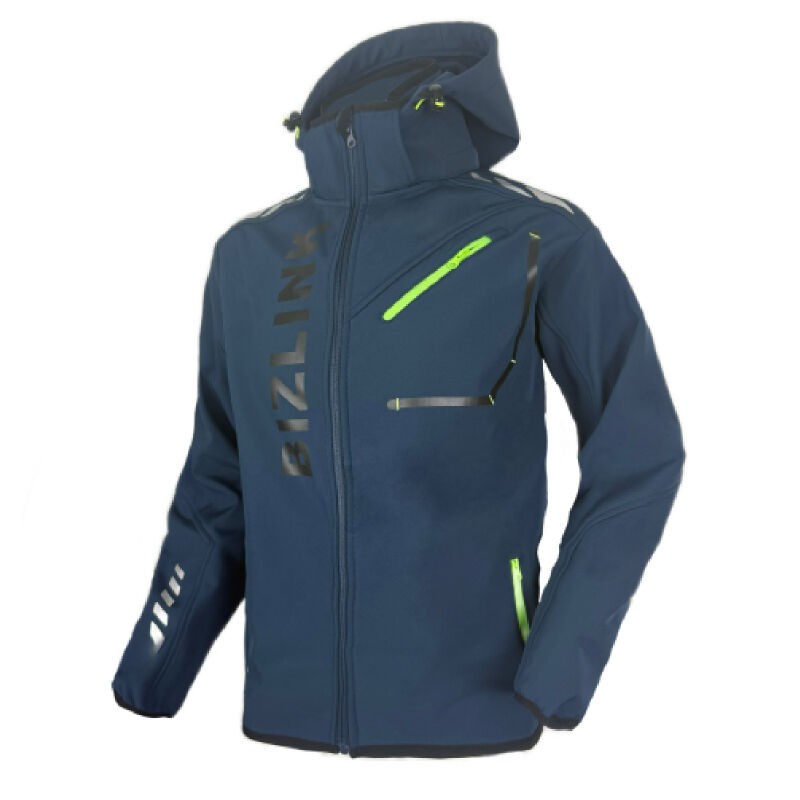
Експлоатационните характеристики на дрехите за външно използване се определят от сложното взаимодействие между състава на платното, структурата на плетката, системите от слоеве и конструктивните особености, като например кройката, разположението на шевовете и стратегиите за вентилация. Съвременните дрехи за външно използване са резултат от десетилетия инженерни разработки в областта на текстилните материали и ергономични изследвания, при които всеки конец, шев и панел има точно определена функционална роля. От молекулярната структура на синтетичните влакна до целенасоченото разположение на еластичните панели — всеки елемент допринася за ефективността, с която дрехите управляват влагата, устойчивостта им срещу вятър и вода, топлоизолационните им свойства и свободата на движение в различни терени и при различни метеорологични условия.
Основната роля на състава на платното за експлоатационните характеристики на дрехите за външно използване
Естествени срещу синтетични влакнени системи
Изборът между естествени и синтетични влакна определя фундаментално как дрехите за дейности на открито се представят при различни условия на околната среда. Естествените влакна като мериносовата вълна предлагат изключителна регулация на температурата и устойчивост на миризми, което ги прави идеални за основни слоеве в системите за облекло за дейности на открито. Вълнените влакна естествено отвеждат влагата от кожата, като същевременно запазват изолационните свойства дори когато са влажни, което е критично предимство по време на дейности с прекъсвания и движение, където управлението на изпотяването е от първостепенно значение. Накъдрената структура на вълнените влакна създава въздушни джобове, които задържат топлината, като същевременно позволяват пропускане на пари, осигурявайки дишаемост, с която синтетичните алтернативи често се затрудняват да се сравнят.
Синтетичните влакна, като полиестер, нейлон и полипропилен, доминират на пазара на дрехи за активен отдих поради тяхната издръжливост, бързо сушене и икономичност. Дрехите за активен отдих от полиестер се отличават с превъзходна транспортиране на влага чрез капилярно действие, като отвеждат потта от кожата към повърхността на платното, където тя изпарява бързо. Нейлонът предлага по-висока устойчивост на абразия и по-голяма якост на разкъсване, което го прави предпочитан избор за външните слоеве на дрехи за активен отдих, които са изложени на контакт с неравен терен, каишките на раници и растителност. Хидрофобната природа на тези синтетични материали гарантира, че те абсорбират минимално количество вода, запазвайки топлоизолационните си свойства и намалявайки тегловното наказание от мокри дрехи по време на продължителни активности на открито.
Напреднали технологии и обработки на платната
Съвременните дрехи за външно носене включват сложни обработки на тъканите, които подобряват свойствата на основния материал, без да компрометират пропускливостта му за въздух или удобството. Трайните водоотблъскващи обработки създават микроскопична бариера върху повърхността на тъканите, поради която водата се събира в капки и се стича, вместо да пропива материала. Тази технология се оказва от решаващо значение за запазване на въздушната пропускливост на дрехите за външно носене, тъй като мократа тъкан губи топлоизолационната си стойност и става тежка и неудобна. Ефективността на тези обработки намалява с времето поради триене, излагане на ултравиолетови лъчи и многократно перене, което изисква периодично повторно прилагане, за да се осигури оптималната производителност на дрехите за външно носене.
Антимикробните обработки се справят с предизвикателството на развитието на миризми в дрехите за дейности на открито по време на многодневни екскурзии, където възможностите за пране са ограничени. Технологиите със сребърни йони и обработките на полимерна основа инхибират растежа на бактериите върху повърхностите на тъканите, което позволява на дрехите за дейности на открито да останат свежи по-дълго и намалява броя на дрехите, необходими за дълги пътувания. Материалите с промяна на фазите представляват друга иновация в технологията за дрехи за дейности на открито, включваща микрокапсули, които абсорбират, съхраняват и освобождават топлина при промяна на условията, осигурявайки динамично регулиране на температурата, което се адаптира към нивата на активност и колебанията в околната среда през целия ден.
Съображения относно тегло и плътност на платното
Теглото и плътността на платовете, използвани в дрехи за употреба на открито, директно влияят върху компактността при сгъване, дишаемостта и издръжливостта, което изисква внимателна оптимизация според предвидената употреба. Леките платове, обикновено в диапазона от 20 до 100 грама на квадратен метър, са проектирани така, че да осигуряват минимално тегло и максимална компактност при сгъване за улталеки пешеходни походи и бързи активности, при които всяка грамова тежест има значение. Тези платове се отличават в топли условия и при високоинтензивни дейности, но могат да компрометират издръжливостта и защитата срещу неблагоприятни атмосферни условия в сравнение с по-тежките алтернативи, използвани в дрехи за употреба на открито, предназначени за експедиционни цели.
Тъкани със средна тежест, вариращи от 100 до 200 грама на квадратен метър, представляват оптималния избор за универсални дрехи за активности на открито, които осигуряват баланс между защита, издръжливост и въздушност при различни климатични условия. Този клас тежест доминира на пазара за дрехи за общо предназначение за походи, кемпинг и алпинизъм, като предлага достатъчна здравина за умерено триене, без да жертва приемлива въздушност по време на аеробни дейности. Тежките тъкани над 200 грама на квадратен метър се използват в специализирани дрехи за активности на открито в екстремни среди, експедиции и ситуации, при които максималната издръжливост и защита от непогода имат приоритет пред теглото и въздушността.
Как архитектурата на дизайна определя функционалността на дрехите за активности на открито
Стратегично разположение на шевовете и методи на конструиране
Архитектурата на шевовете във външната дреха силно влияе върху удобството, издръжливостта и устойчивостта към атмосферни условия, като разположението и методът на изпълнение се различават в зависимост от функцията на дрехата. Плоските шевове (flatlock seams) създават минимална дебелина и намаляват триенето в основните слоеве на външни дрехи, където дрехата лежи непосредствено върху кожата по време на интензивна физическа активност. Тези шевове се изпълняват чрез застъпване на ръбовете на платното и пришиване в равна плоскост, което елиминира издадения гребен, характерен за обикновените шевове, макар това да води до известно намаляване на устойчивостта към атмосферни условия и затова те са подходящи предимно за вътрешните слоеве на системите от външни дрехи.
Пълно запечатаните или заварените шевове са от решаващо значение за водонепроницаемата външна дреха, тъй като всеки отвор компрометира бариерата срещу влага. При традиционното запечатване на шевовете термопластична лента се прилага върху ушитите шевове от вътрешната страна, за да се запечатат иглените дупки, които иначе биха позволили проникване на вода. Заварените или свързаните шевове представляват най-съвременната технология в производството на външни дрехи и използват топлина или ултразвукова енергия, за да се споят пластовете плат, без да се използва ушиване – по този начин напълно се елиминират дупките, а същевременно се намалява теглото и се подобрява гъвкавостта. Разполагането на шевовете далеч от зоните с интензивно износване и точките на натиск – например под каишките на раница или в областта на раменната извивка – удължава срока на служба на външните дрехи и осигурява комфорт по време на продължително носене.
Артикулация и ергономично кроене
Кройката и моделирането на дрехите за външни дейности определят обхвата на движение, удобството по време на динамични дейности и общото прилягане при различни телесни позиции. Артикулираните модели в техническите дрехи за външни дейности включват допълнителен плат в зоните с висока подвижност, като лакти, колене и рамене, като предварително оформят тези области, за да съответстват на извитото положение, което тези стави заемат по време на катерене, преодоляване на препятствия и други външни дейности. Този стратегически елемент на дизайна предотвратява стягането и ограничаването на движението от страна на платното и елиминира необходимостта от прекалено големи дрехи, които създават излишна маса и намаляват термичната ефективност в системите от дрехи за външни дейности.
Конструкция с вметнати триъгълни парчета в областите под мишниците и в слабините на дрехи за открито решава геометричната задача на осигуряване на неограничено движение на ръцете и краката, като в същото време запазва стройна и ефективна посадка в областта на торса. Диамантовидни тъкани вставки в тези високомобилни възли елиминират стягането и позволяват пълен обхват на движение, без да се изисква допълнителна окръжност по цялата дреха. Този насочен подход към подобряване на мобилността отличава специализираните външни дрехи от повседневните, като осигурява свободата на движение, необходима за навигация по технически терени, и в същото време запазва топлинната ефективност и защитата от атмосферни влияния.
Системи за вентилация и функции за управление на температурата
Ефективният дизайн на вентилацията в дрехите за открито пространство осигурява бързо отвеждане на топлина и влага по време на активности с висока интензивност, предотвратявайки опасния цикъл на прегряване, последван от бързо охлаждане при спиране на активността. Пит-циповете, простиращи се от подмишницата до долния торс, представляват най-често срещаната вентилационна функция в якетата за открито пространство и позволяват на потребителите да отвеждат излишната топлина, без да свалят напълно дрехата. Стратегическото разположение на тези вентилационни отвори използва естествените конвекционни модели и ефекта на меховете, създаден от движението на ръцете, като по този начин максимизира ефективността на въздушния поток, запазвайки при това основната защита срещу атмосферните условия.
Интегрирането на мрежести панели в стратегически разположени области, като горната част на гърба, подмишниците и страничните части на външните дрехи, осигурява пасивна вентилация, която автоматично се увеличава при повишаване на нивото на физическа активност и телесната температура. Тези дишани зони балансират необходимостта от защита срещу атмосферни условия и управлението на влагата, като позволяват изпаряването на водната пара, без да се компрометира вятроустойчивостта и защитата от валежи в критичните зони. Напредналите проекти на външни дрехи включват регулируеми вентилационни системи с отвори, контролирани чрез ципове, които потребителите могат да настройват според интензивността на активността, атмосферните условия и индивидуалните нужди от терморегулация, осигурявайки динамичен климатичен контрол, който се адаптира към променящите се условия през целия ден.
Интеграция на плат и дизайн в системите за слоеве
Оптимизация на основния слой за управление на влагата
Долният слой на външната дреха служи като основа на ефективните системи за носене на слоеве, като изборът на плат и дизайн е насочен към транспортиране на влага и комфорт за кожата. Идеалният долен слой комбинира хидрофобни влакна, които се съпротивляват на абсорбирането на вода, с конструкция на плат, която подпомага капилярното отвличане на потта – тя се отвежда от повърхността на кожата и се разпределя по голяма площ за бързо изпаряване. Теглото на платовете при долния слой на външната дреха варира от улталеки модели с тегло под 150 грама на квадратен метър за дейности с висока интензивност до експедиционни модели с тегло над 260 грама на квадратен метър за статични дейности при студено време.
Елементите на дизайна в дрехите за базовия слой за употреба навън подчертават безшевно изпълнение или стратегически разположени плоски шевове, за да се минимизира триенето по време на повтарящи се движения в продължение на дълги периоди. Конструкцията с картографиране по тялото интегрира различни тежести и структури на платовете в зони, съответстващи на патерните на топлинна и влагова продукция, като използва по-леки и по-отворени платове с плетене в зоните с високо потоотделяне – например подмишниците и гърба, докато по-плътни и по-топли платове се използват за областите на гърдите и ръцете. Удължената дължина на торса и артикулираните ръкави предотвратяват изместването или дръпването на базовия слой по време на динамични движения, осигурявайки непрекъснато покритие на кожата и ефективно управление на влагата при целия спектър от активности на открито.
Инженерна оптимизация на изолационния слой за термична ефективност
Топлоизолационният слой на външната дреха има за цел да задържа топлината, като същевременно осигурява дишаемост и компресиране за ефективно прибиране, когато не се използва. Синтетичните топлоизолационни материали, като полиестерните нишки, създават мъртви въздушни пространства, които улавят топлината на тялото, като стойността на топлоизолацията на единица тегло се определя от вълнообразността и надутия обем (лофт) на нишките. Съвременната синтетична топлоизолация във външната дреха имитира клъстерната структура на естественото пухче, като създава непрекъснати листове с неравномерно разположени нишки, които запазват надутия си обем дори при компресиране или влажни условия, като по този начин преодолява основния недостатък на пухчето като топлоизолация при влажни условия.
Стратегиите за проектиране на изолационния слой в дрехи за носене навън включват квилтова или буферна конструкция, която предотвратява миграцията на изолацията и едновременно с това минимизира студени зони по шевовете. Шевовете, преминаващи през цялата дебелина на материала, създават най-леките и най-добре сгъваеми изолационни слоеве, но жертват термичната ефективност по линиите на шева, където външните и вътрешните платнени слоеве се допират директно, без изолационен материал между тях. Конструкцията с кутийки (box-wall) и вертикални буфери в премиум дрехи за носене осигурява непрекъсната изолационна покривка чрез създаване на тъканни стени между външната и вътрешната обвивка, напълно елиминирайки топлинните мостове, но добавяйки тегло и усложнение към производството на дрехата. Стратегическото разпределение на изолацията предвижда по-дебела изолация над основната част на тялото и по-тънка или липса на изолация в зоните с висока подвижност и в участъците, склонни към прекомерно затопляне, което оптимизира съотношението топлина/тегло, като същевременно запазва свобода на движение в системите от дрехи за носене навън.
Проектиране на външната обвивка за защита от околната среда
Външните дрехи за на открито осигуряват критичния интерфейс между носителя и екологичните опасности, като изборът на плат и дизайн определя нивото на защита срещу вятър, атмосферни валежи и абразия. Водонепроницаеми и дишани мембрани, като разширения политетрафлуороетилен или полиуретанови покрития, блокират проникването на течна вода, но позволяват излизането на водната пара, което дава възможност на външните дрехи за на открито да отвличат дъжд и сняг, както и да предотвратяват натрупването на вътрешна кондензация от потене. Коефициентът на дишане на тези мембрани, измерен в грамове водна пара, преминаващи през квадратен метър за 24 часа, показва колко ефективно платът управлява влагата по време на аеробни дейности.
Дизайнерските особености на външните слоеве на облеклото за открито пространство включват буре-капаци над циповете, регулируеми маншети и подгъви, както и капюшиони, съвместими с шлемове, които осигуряват защита по време на динамични дейности и при променящи се условия. Изборът на платно варира според предвиденото използване: леките външни слоеве използват тънки мембрани и минимален лицев платен слой за максимална компактност в облекло за открито пространство, предназначено за бързи и леки активности, докато експедиционните външни слоеве използват издръжливи лицеви платна и усилени зони с висока износостойкост за по-дълготрайност в сурови среди. Хибридната конструкция комбинира водонепроницаеми панели в зоните, изложени на външни влияния, с изключително дишаеми платна от тип „софтшел“ в зоните с ниска изложеност, като по този начин оптимизира баланса между защита и вентилация в универсално облекло за открито пространство, подходящо за променливи условия.
Фактори за материал и конструктивна издръжливост в облеклото за открито пространство
Устойчивост към абразия и стратегии за усилване
Дълголетието на външните дрехи зависи значително от устойчивостта на платното към абразия и стратегическото подсилване в зоните с високо натоварване. Рейтингът по ден (denier), който измерва дебелината на фибрата, е директно свързан с устойчивостта към абразия – платната с по-висок ден имат по-голяма издръжливост, но са по-тежки и по-малко компактни при сгъване за външни дрехи. Платната от нейлон обикновено варират от 20 ден за улталеки приложения до 210 ден или повече за експедиционни външни дрехи; всяко удвояване на ден приблизително удвоява устойчивостта към абразия, като едновременно пропорционално увеличава теглото.
Стратегическото усилване на външната дреха предвижда използването на по-издръжливи материали в контактните точки, включително раменете, лактите, седалището и коленете, където се концентрира износването поради носене на раници, контакт с терена и повтарящи се движения. Наложени панели от по-плътна тъкан, усилване с Cordura или дори Kevlar при екстремно използване на външни дрехи защитават уязвими зони, без да добавят излишна тежест по цялата дреха. Този хибриден подход оптимизира съотношението издръжливост/тегло, удължавайки полезния живот на външните дрехи, като същевременно запазва предимствата на леката конструкция в по-малко критичните области.
Якост на шевовете и разпределение на напрежението
Методите за изпълнение на шевовете и изборът на конец в облеклото за употреба на открито определят здравината на дрехата и точките ѝ на разрушаване под натоварване и повтарящи се механични напрежения. Усилването с бартачен шев в точки с концентрация на напрежение — като ъглите на джобовете, местата за закрепване на ремъците и краищата на циповете — разпределя натоварването върху по-голяма площ и предотвратява разрушаването на шевовете в облекло за употреба на открито, което е подложено на тежки товари от раници или динамични сили. Двойните или тройните шевове в критичните натоварени участъци осигуряват резервност, като гарантират, че дори при разрушаване на един от шевовете дрехата запазва своята цялост.
Изборът на конец балансира здравина, гъвкавост и устойчивост към атмосферни влияния; конците от обвит нейлон и полиестер осигуряват отлична пределна здравина на опън и устойчивост към ултравиолетовото излъчване за външни дрехи, изложени на продължително слънчево въздействие. Ориентацията на шевовете спрямо основните посоки на напрежение влияе върху разпределението на товара; шевовете по диагонал („bias-cut“), които пресичат линиите на напрежение под ъгъл, осигуряват по-голяма еластичност и здравина в сравнение с перпендикулярните шевове при външни дрехи, проектирани за приложения с висока мобилност. Интегрирането на еластични тъкани и артикулирани панели намалява концентрацията на напрежение по линиите на шевовете, като позволява на тъканта да се приспособява към движението, вместо шевовете да поемат целия товар от динамичното движение.
Деградация под въздействието на ултравиолетовите лъчи и устойчивост към стареене под въздействието на околната среда
Дълготрайното излагане на ултравиолетова радиация деградира както естествените, така и синтетичните тъкани в облеклото за употреба на открито, разрушавайки молекулните връзки и намалявайки временно здравината при опън. Тъканите от нейлон са особено податливи на UV-щети и показват измеримо намаляване на здравината след продължително излагане на слънце, което прави UV-стабилизаторите задължителни добавки в облеклото за употреба на открито, предназначено за използване на високи надморски височини или в пустинни райони, където интензивността на слънчевата радиация достига максимум.
Изборът на цвят влияе върху скоростта на деградация под ултравиолетовите лъчи при външни дрехи, като по-тъмните цветове обикновено проявяват по-добра устойчивост към УВ лъчите в сравнение с по-светлите отсенки поради по-високата концентрация на поглъщащи УВ лъчите багрила. Въпреки това по-тъмните външни дрехи абсорбират повече слънчева топлина, което води до компромис в термичното управление в горещи и слънчеви среди. Устойчивостта към стареене под въздействието на околната среда излиза извън УВ експозицията и включва устойчивост към плесен, химическо разрушаване от слънцезащитни средства и репеленти срещу насекоми, както и деградация от сол в морски условия, което изисква комплексни стратегии за подбор и обработка на материали при външни дрехи, предназначени за разнообразни климатични условия и продължителни експедиции.
Напреднали дизайн функции, които подобряват универсалността на външните дрехи
Модулни и адаптивни конструкционни системи
Съвременните дрехи за външни дейности все по-често включват модулни дизайн елементи, които позволяват на потребителите да адаптират отделни дрехи към променящите се условия и дейности. Ръкавите, които се отварят с цип, превръщат якетата в жилетки, намалявайки теглото и обема, без да се компрометира основната защита, когато покритието на ръцете става ненужно в системите от дрехи за външни дейности. Отделяемите топлоизолационни слоеве, които се прикрепват с цип или копчета към външните дрехи, осигуряват адаптивност към температурните промени, без да се налага използването на множество отделни дрехи, което опростява подреждането и намалява общото тегло на системата за продължителни външни дейности.
Дизайнът на преобразуема външна дреха отговаря на променливото време чрез регулируеми функции, включващи снимаеми капюшони, ръкави, които се навиват нагоре с фиксиращи етикети, и регулируема дължина на подгъва. Тези адаптивни елементи разширяват полезната температурна и климатична област на отделните дрехи, намалявайки броя на специализираните предмети, необходими за носене, без да се компрометира оптималната им производителност в различни ситуации. Съвместимостта при интеграция между слоевете — включително портове за преминаване на хидратационни системи и координирани разположения на ципове, които позволяват вентилация, без да се жертва защитата от атмосферни условия — отличава добре проектираните системи от външни дрехи от просто колекции от независими предмети.
Решения за съхранение и пренасяне в дизайна на дрехи
Дизайнът и разположението на джобовете във външната дреха осигуряват баланс между достъпност, вместимост и аеродинамика, като се минимизира намесата с ремъците на раницата и харнесите. Гърдните джобове, разположени високо по торса, остават достъпни дори при носене на ханшови колани и предлагат удобно съхранение за често използвани предмети като навигационни инструменти и закуски във външни дрехи. Ръчните джобове, наклонени напред, позволяват достъп до тях дори при носене на раница и осигуряват удобни места за затопляне на ръцете, макар тяхното разположение да трябва да избягва намеса с краката на харнеса в техническите външни дрехи, предназначени за катерене.
Вътрешните джобове за сигурност защитават ценни предмети от атмосферни влияния и загуба, докато външните товарни джобове осигуряват висока вместимост за съхранение в облекло за на открито, проектирано за пътувания или продължителни експедиции в дивата природа. Мрежестите джобове за изсипване предлагат проветриво съхранение за влажни предмети като ръкавици или шапки, като им позволяват да изсъхнат, но остават лесно достъпни в системите от облекло за на открито. Интеграцията на торбички за сгъване, при която дрехите се прибират в собствените си джобове, осигурява удобно съхранение и защита, когато изделието не се използва, опростявайки организацията в раницата и предпазвайки деликатните тъкани от триене по време на транспортиране.
Оптимизация на интерфейса между облеклото за на открито и оборудването
Дизайнът на дрехите за външни дейности трябва да отчита взаимодействието с техническото оборудване, включително раници, каишкови предпазни системи за катерене и шлемове. Кроенето на дрехите за външни дейности, съвместимо с каишките за раменете и ханша, елиминира излишната обемност и намалява точките на налягане, където ремъците на раницата допират тялото, предотвратявайки раздразнения и горещи точки по време на продължително носене. Дизайните на дрехите за външни дейности, съвместими с предпазни системи, осигуряват цялостни предните ципове за лесно обличане при носене на катераческо оборудване и елиминират или минимизират задните джобове, които биха станали недостъпни или неудобни при носене на предпазни системи.
Дизайн на капюшон, съвместим с шлем, в дрехи за открито пространство, включва системи за регулиране на обема, усилени ръбове и артикулация, която позволява капюшонът да се завърта заедно с движението на главата, като запазва видимостта и защитата от неблагоприятни атмосферни условия. Ципове с удобни за използване с ръкавици дръжки, системи за регулиране и затварящи механизми позволяват работа със студени, онемели или ръкавици, което е съществена функционалност в дрехи за открито пространство, проектирани за алпийски и зимни условия. Съвместимостта включва и интеграцията на крампони и алпийски ботуши в долната част на дрехите за открито пространство, като усилени маншети, стратегически разположени гетри и предпазители за ръбовете защитават тъканта от остри екипировки, без да ограничават свободата на движение.
Често задавани въпроси
Какви свойства на тъканта трябва да имам предвид при избор на дрехи за открито пространство за влажни условия?
При влажни условия отдайте предимство на водонепроницаеми и дишани мембрани с високи стойности на хидростатичното налягане над 10 000 мм и показатели на дишане, превишаващи 10 000 грама на квадратен метър за 24 часа, във вашата външна дреха. Търсете напълно запоени шевове, издръжливи водоотблъскващи обработки върху лицевите тъкани и бързоизсъхващи синтетични материали, а не памук. Съчетанието от външни слоеве, отблъскващи водата, и основни слоеве, отвеждащи влагата, създава система, която ви поддържа сухи както от външни атмосферни валежи, така и от вътрешно потене – което е от решаващо значение за поддържане на комфорт и предотвратяване на хипотермия при използване на външни дрехи по време на дейности на открито при влажно време.
Как влияе кройката и прилегането на външните дрехи върху производителността по време на технически дейности?
Режът и прилягането силно влияят върху производителността, като определят обхвата на движение, съвместимостта с многослойните системи и намесата при използване на техническо оборудване в дрехите за активности на открито. Артикулирани кройки с предварително извити лакти и колене, подмишнични вставки и интегрирани еластични панели осигуряват неограничено движение по време на катерене, преодоляване на препятствия и високо стъпване, без да се налага използването на прекалено големи дрехи, които създават излишен обем. Правилното прилягане на дрехите за активности на открито гарантира, че изолационните слоеве задържат топлия въздух ефективно, докато външните обвивки осигуряват защита от неблагоприятни атмосферни условия, без да ограничават слоевете под тях, и че всички дрехи остават съвместими с каишките, раниците и другото оборудване по време на динамични дейности.
Защо някои дрехи за външно носене използват различни платове в различните области на една и съща дреха?
Конструкцията с картографиране по тялото или хибридната конструкция в екипировката за на открито разполага определени материали там, където техните свойства осигуряват максимална полза, като по този начин оптимизира общата производителност на дрехата. Зоните с висока вентилация по гърба и подмишниците използват изключително дишаеми материали, за да отвеждат топлината по време на физическо напрежение, докато областите, изложени на атмосферни влияния – като раменете и предмишниците, – използват по-защитни материали в екипировката за на открито. Този стратегически подход позволява на една и съща дреха да осигурява насочена защита, вентилация, еластичност и издръжливост там, където всяка от тези характеристики има най-голямо значение, създавайки универсална екипировка за на открито, която работи добре при различни условия, без компромисите, присъщи на конструкцията от един-единствен материал.
Колко често трябва да заменям екипировката за на открито и какви са признаците за намаляване на нейната производителност?
Заменете външната дреха, когато забележите продължително абсорбиране на вода вместо образуване на капки върху обработените повърхности, видимо изтъняване на платното или деламинация на мембранните слоеве, разделяне на шевовете или компрометирана изолационна надуваемост, която не се възстановява след компресия. Много от проблемите с производителността при външни дрехи могат да бъдат решени чрез повторно нанасяне на водоотблъскващи средства, запечатване на шевовете и правилно поддържане, преди да стане необходимо заместването им. Типичният срок на експлоатация варира от 50 до 200 употреби, в зависимост от интензивността на дейността, степента на излагане на външни фактори и практиките за поддържане; правилното съхранение далеч от ултравиолетовата светлина, редовното почистване и периодичното подновяване на защитната обработка значително удължават функционалния живот на качествените външни дрехи.
Съдържание
- Основната роля на състава на платното за експлоатационните характеристики на дрехите за външно използване
- Как архитектурата на дизайна определя функционалността на дрехите за активности на открито
- Интеграция на плат и дизайн в системите за слоеве
- Фактори за материал и конструктивна издръжливост в облеклото за открито пространство
- Напреднали дизайн функции, които подобряват универсалността на външните дрехи
-
Често задавани въпроси
- Какви свойства на тъканта трябва да имам предвид при избор на дрехи за открито пространство за влажни условия?
- Как влияе кройката и прилегането на външните дрехи върху производителността по време на технически дейности?
- Защо някои дрехи за външно носене използват различни платове в различните области на една и съща дреха?
- Колко често трябва да заменям екипировката за на открито и какви са признаците за намаляване на нейната производителност?