 EN
EN
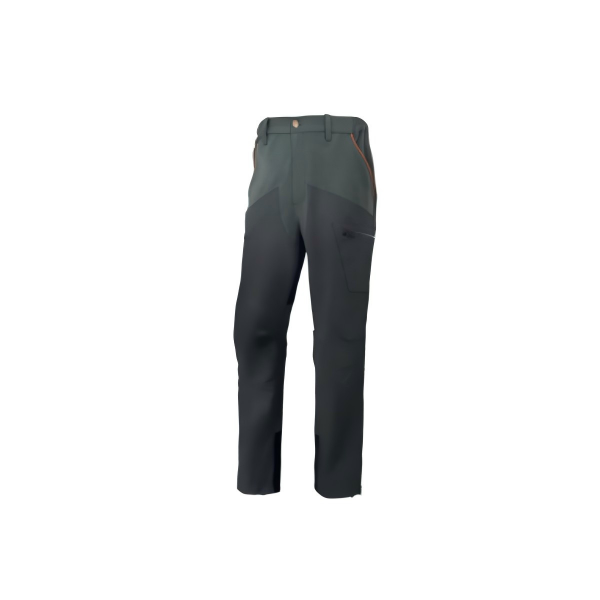
Selecting the right camouflage workwear suppliers is a critical decision for companies operating in defense, security, forestry, hunting services, and outdoor industrial sectors. The quality, reliability, and compliance of camouflage workwear directly impact operational effectiveness, worker safety, and brand reputation. When evaluating camouflage workwear suppliers, procurement managers must assess multiple dimensions beyond basic pricing, including fabric technology, manufacturing capabilities, certification compliance, and long-term partnership potential. This comprehensive evaluation ensures that the selected supplier can consistently deliver products that meet demanding field conditions while aligning with corporate procurement standards and operational requirements.
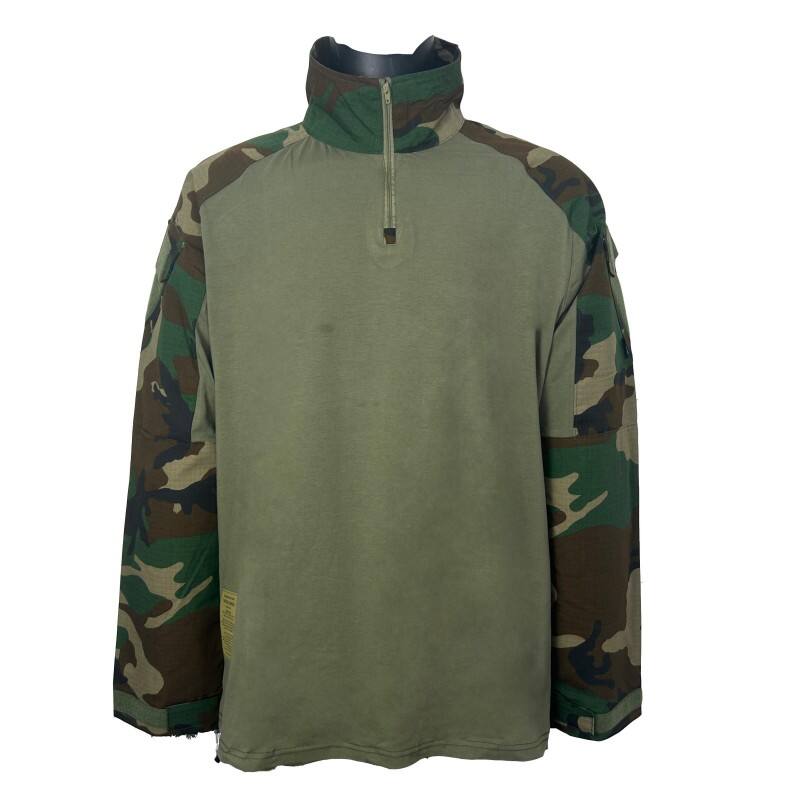
The sourcing process for camouflage workwear requires a structured approach that balances technical specifications, quality assurance, supply chain reliability, and cost management. Companies that establish clear evaluation criteria and conduct thorough due diligence during supplier selection experience fewer quality issues, reduced procurement cycle disruptions, and improved total cost of ownership over the contract lifecycle. Understanding what specific points to examine when vetting camouflage workwear suppliers enables organizations to make informed decisions that support operational readiness and workforce protection while minimizing risks associated with substandard products or unreliable supply partnerships.
Manufacturing Capabilities and Production Infrastructure
Production Capacity and Scalability Assessment
When evaluating camouflage workwear suppliers, understanding their production capacity is fundamental to ensuring they can meet both current order volumes and future scaling requirements. Companies should request detailed information about factory size, number of production lines, daily output capacity, and workforce size. A reliable supplier maintains sufficient production infrastructure to handle regular orders without excessive lead times while also possessing the flexibility to accommodate urgent or seasonal demand spikes. Suppliers with multiple production facilities or strategic manufacturing partnerships typically demonstrate better capacity resilience and reduced supply chain vulnerability compared to single-facility operations.
Production scalability becomes particularly important for companies with growing operations or those planning multi-year contracts with camouflage workwear suppliers. Assessing whether a supplier has invested in automated cutting systems, computerized pattern grading, and efficient material handling systems provides insight into their ability to scale production efficiently. Suppliers utilizing lean manufacturing principles and modern production management systems typically achieve better consistency across large order quantities while maintaining quality standards. Companies should also inquire about the supplier's capacity utilization rate, as facilities operating near maximum capacity may struggle to accommodate rush orders or volume increases without compromising delivery schedules or quality control.
Technical Equipment and Manufacturing Technology
The sophistication of manufacturing equipment directly influences the quality and consistency of camouflage workwear products. Companies should evaluate whether potential camouflage workwear suppliers utilize industrial-grade sewing machines, specialized equipment for reinforced stitching, heat-sealing technology for waterproof seams, and automated quality inspection systems. Advanced suppliers invest in computer-aided design systems for pattern development, digital printing equipment for camouflage patterns, and fabric testing instruments to verify material specifications. These technological investments indicate a commitment to quality and production efficiency that translates into superior end products.
Beyond basic sewing equipment, specialized capabilities such as ultrasonic welding for seam sealing, laser cutting for precision component fabrication, and automated embroidery systems for insignia application demonstrate manufacturing sophistication. When assessing camouflage workwear suppliers, companies should request facility tours or detailed equipment inventories to verify technical capabilities. Suppliers maintaining regular equipment maintenance schedules and periodic technology upgrades show commitment to operational excellence and continuous improvement. The presence of in-house testing laboratories with instruments for abrasion resistance, colorfastness, tensile strength, and water resistance testing further distinguishes suppliers capable of comprehensive quality assurance from those relying solely on external testing services.
Quality Control Systems and Compliance Standards
Quality Management Framework and Certification
Robust quality management systems represent a non-negotiable requirement when selecting camouflage workwear suppliers for industrial and professional applications. Companies should verify that potential suppliers maintain ISO 9001 certification or equivalent quality management standards, demonstrating systematic approaches to process control, documentation, and continuous improvement. A comprehensive quality management framework includes incoming material inspection, in-process quality checkpoints, final product inspection, and documented corrective action procedures. Suppliers with mature quality systems typically maintain detailed quality manuals, standardized inspection criteria, and statistical process control methods that minimize defect rates and ensure batch-to-batch consistency.
When evaluating camouflage workwear suppliers, companies should request quality control documentation including inspection reports, defect rate statistics, and corrective action records from previous production runs. Suppliers transparent about their quality performance metrics and willing to share historical data demonstrate confidence in their systems and commitment to accountability. The presence of dedicated quality assurance personnel separate from production teams indicates proper organizational structure for objective quality oversight. Companies should also assess whether suppliers conduct regular internal audits, maintain calibrated testing equipment, and participate in third-party quality assessments to validate their quality management effectiveness.
Compliance with Industry and Safety Standards
Compliance certification provides essential validation that camouflage workwear suppliers meet industry-specific safety, performance, and environmental standards. For workwear applications, companies should verify supplier compliance with relevant standards such as ISO 13688 for protective clothing general requirements, EN 343 for protection against rain, or ANSI standards for high-visibility elements if applicable. Suppliers serving defense or law enforcement sectors may require additional certifications related to flame resistance, near-infrared reflectance characteristics, or specific military specifications. Requesting copies of current test reports and certification documents allows companies to verify that suppliers maintain active compliance rather than relying on expired or outdated certifications.
Environmental and social compliance increasingly influences supplier selection decisions for responsible companies evaluating camouflage workwear suppliers. Verification of compliance with REACH regulations for chemical substances, OEKO-TEX certification for textile safety, and adherence to labor standards such as WRAP or SA8000 demonstrates supplier commitment to sustainable and ethical manufacturing practices. Companies should inquire about suppliers' chemical management systems, wastewater treatment facilities, and workplace safety programs. Suppliers maintaining transparent compliance documentation and welcoming third-party audits signal integrity and reduced reputational risk for their business partners. Regular compliance updates and proactive communication about regulatory changes further distinguish suppliers committed to maintaining standards rather than achieving minimum compliance thresholds.
Material Quality and Fabric Technology
Fabric Composition and Performance Characteristics
The fabric foundation of camouflage workwear determines its durability, comfort, and functional performance across diverse operational environments. When assessing camouflage workwear suppliers, companies must evaluate fabric specifications including fiber composition, weight, weave structure, and finish treatments. High-performance camouflage workwear typically utilizes ripstop fabric construction with reinforcement threads woven at regular intervals to prevent tear propagation. Fabric weight measured in grams per square meter indicates durability expectations, with heavier fabrics generally offering greater abrasion resistance while lighter fabrics provide enhanced breathability and reduced wearer fatigue in warm conditions.
Suppliers offering camouflage workwear should provide detailed fabric specifications and be able to explain how material choices align with intended use conditions. For instance, polycotton blends balance durability with comfort and moisture management, while pure synthetic fabrics may offer superior quick-drying properties and colorfastness. Companies should request fabric samples for tactile evaluation and inquire about suppliers' fabric sourcing practices, including whether they maintain direct relationships with reputable textile mills or rely on intermediary fabric traders. Consistent access to quality fabric supplies directly impacts product consistency, making supplier relationships with established textile manufacturers an important evaluation criterion when selecting camouflage workwear suppliers.
Camouflage Pattern Quality and Colorfastness
The effectiveness of camouflage workwear depends substantially on pattern fidelity, color accuracy, and long-term colorfastness under field conditions. Companies evaluating camouflage workwear suppliers should examine how patterns are applied to fabric, whether through yarn-dyeing, piece-dyeing, or digital printing technologies. Yarn-dyed camouflage patterns typically demonstrate superior colorfastness and pattern durability compared to surface-applied patterns, though they may involve higher production costs. Digital printing technology enables high-resolution pattern reproduction and customization flexibility but requires verification of ink quality and fixation processes to ensure wash durability and UV resistance.
Testing protocols for color durability should be standard practice among professional camouflage workwear suppliers. Companies should request test data for colorfastness to washing, perspiration, light exposure, and rubbing based on ISO 105 testing standards. Significant color fading or pattern degradation after limited wash cycles indicates inadequate dye fixation or inferior colorants that will compromise camouflage effectiveness and garment appearance retention. Suppliers maintaining color management systems with spectrophotometer verification and batch-to-batch color consistency protocols demonstrate technical sophistication essential for professional-grade camouflage workwear. Pattern registration accuracy across garment panels and matching between different production batches also requires evaluation, as misaligned patterns create visual disruption that reduces camouflage effectiveness.
Supply Chain Reliability and Business Stability
Lead Time Management and Delivery Performance
Reliable delivery performance represents a critical operational factor when selecting camouflage workwear suppliers for organizations with seasonal demand patterns or time-sensitive procurement requirements. Companies should investigate suppliers' standard lead times for various order quantities, their track record for on-time delivery, and their capacity to accommodate expedited production when necessary. Experienced suppliers maintain buffer inventory of commonly used fabrics and components, enabling faster turnaround for repeat orders while custom specifications naturally require longer production timelines. Requesting references from existing clients provides valuable insight into suppliers' actual delivery performance versus quoted lead times.
Supply chain transparency distinguishes professional camouflage workwear suppliers from less sophisticated operations. Suppliers utilizing production planning software, maintaining real-time order tracking systems, and providing regular production status updates demonstrate operational maturity that supports reliable delivery performance. Companies should assess whether potential suppliers have contingency plans for supply disruptions, including backup fabric sources, alternative component suppliers, and production capacity reserves. The ability to provide realistic delivery commitments based on current production schedules rather than optimistic estimates indicates supplier integrity. For organizations requiring just-in-time delivery or consignment inventory arrangements, suppliers with logistics capabilities including warehousing, inventory management systems, and flexible shipping options become particularly valuable.
Financial Stability and Business Continuity
The financial health and business stability of camouflage workwear suppliers directly impact supply continuity and partnership longevity. Companies making significant procurement commitments should conduct basic financial due diligence including reviewing business registration documentation, years in operation, facility ownership status, and major client references. Suppliers with established track records, diverse client portfolios, and evidence of continuous business growth typically present lower supply disruption risks compared to newly established operations or those heavily dependent on single clients. Requesting financial references or conducting credit checks for large-volume contracts provides additional assurance regarding supplier financial stability.
Business continuity planning becomes particularly relevant for companies establishing long-term relationships with camouflage workwear suppliers. Evaluation should include understanding suppliers' risk management practices such as business interruption insurance, disaster recovery plans, and backup production capabilities. Suppliers maintaining multiple facilities or strategic production partnerships demonstrate better resilience against localized disruptions from natural disasters, equipment failures, or regulatory issues. Companies should also assess management depth and succession planning, as operations overly dependent on individual owners or key personnel face elevated continuity risks. Suppliers investing in management development, documented operational procedures, and organizational redundancy signal commitment to sustainable business operations that support reliable long-term partnerships.
Communication Capabilities and Service Orientation
Technical Communication and Customization Support
Effective technical communication fundamentally supports successful partnerships with camouflage workwear suppliers, particularly for organizations with specific performance requirements or custom design needs. Companies should evaluate suppliers' technical knowledge depth by engaging in detailed discussions about fabric properties, construction methods, sizing systems, and functional features. Suppliers employing technical staff with garment engineering backgrounds or textile technology expertise can provide valuable input during product specification development and offer informed recommendations for optimizing designs based on manufacturing feasibility and cost efficiency. Language capabilities matter significantly for international sourcing, with suppliers offering fluent communication in buyers' preferred languages reducing misunderstandings and streamlining collaboration.
Customization capabilities vary substantially among camouflage workwear suppliers, ranging from basic logo placement to comprehensive custom design services including pattern development, prototype creation, and fit optimization. Companies requiring specialized features such as reinforced stress points, custom pocket configurations, integrated equipment attachment systems, or specific closure mechanisms should verify that suppliers possess relevant technical capabilities and experience with similar customization projects. Requesting samples of previous custom work and discussing the development process provides insight into suppliers' customization competency. Suppliers offering design consultation, technical drawing services, and iterative prototype refinement demonstrate service orientation that extends beyond basic manufacturing execution to genuine partnership in product development.
Responsiveness and Problem Resolution Approach
Supplier responsiveness during both initial evaluation and ongoing business relationships strongly influences partnership satisfaction and operational efficiency. Companies assessing camouflage workwear suppliers should observe response times to inquiries, thoroughness of provided information, and willingness to address detailed questions during the selection process. Suppliers demonstrating prompt, comprehensive communication during sales discussions typically maintain similar standards throughout production and delivery phases. Establishing clear communication protocols including designated contact persons, preferred communication channels, and expected response timeframes helps set appropriate expectations for ongoing collaboration.
Problem resolution approaches reveal suppliers' commitment to customer satisfaction and partnership quality. Companies should inquire about suppliers' policies regarding defective products, specification deviations, delivery delays, and other potential issues. Professional camouflage workwear suppliers maintain documented procedures for complaint handling, corrective action implementation, and customer notification regarding production issues. Requesting examples of how suppliers have addressed problems for other clients provides valuable perspective on their problem-solving approach and accountability standards. Suppliers accepting responsibility for errors, offering practical remediation options, and implementing systemic improvements to prevent recurrence demonstrate maturity and customer focus that supports sustainable business relationships. Transparency about manufacturing challenges and proactive communication regarding potential issues further distinguishes suppliers committed to partnership success rather than merely transaction completion.
FAQ
How can companies verify the actual production capacity of camouflage workwear suppliers before placing large orders?
Companies can verify production capacity through facility audits conducted either in-person or via video tour, requesting detailed information about production line counts, shift operations, and workforce size. Requesting recent production records showing completed order volumes and timelines provides evidence of actual capacity utilization. Additionally, speaking with current clients about their order experiences and the supplier's ability to meet volume commitments offers practical validation. Many companies also place initial trial orders to assess whether suppliers can meet specified quantities and delivery schedules before committing to larger contracts with camouflage workwear suppliers.
What certifications are most important when evaluating camouflage workwear suppliers for industrial applications?
For industrial applications, ISO 9001 quality management certification provides foundational assurance of systematic quality control. Depending on specific use requirements, relevant safety standards such as ISO 13688 for protective clothing general requirements become important. Environmental certifications including OEKO-TEX Standard 100 for textile safety and REACH compliance for chemical substances demonstrate commitment to product safety and environmental responsibility. For companies prioritizing ethical sourcing, social compliance certifications such as WRAP or SA8000 verify adherence to labor standards. The specific certification priority depends on the intended application, regulatory requirements in the destination market, and corporate responsibility policies of the purchasing organization.
Should companies prioritize price or quality when selecting camouflage workwear suppliers?
Companies should approach supplier selection using total cost of ownership analysis rather than focusing exclusively on unit price. While competitive pricing matters, exceptionally low prices often correlate with compromised material quality, inadequate quality control, or unreliable delivery performance that creates hidden costs through product failures, returns, replacement orders, and operational disruptions. Quality camouflage workwear delivers better durability, extending replacement cycles and reducing long-term procurement costs. The optimal approach balances reasonable pricing with verified quality standards, reliable delivery performance, and responsive customer service. Establishing clear minimum quality specifications and then comparing pricing among suppliers meeting those standards enables cost-effective selection without sacrificing essential performance requirements.
How long should companies expect the supplier evaluation process to take when sourcing camouflage workwear suppliers?
A thorough supplier evaluation process for camouflage workwear suppliers typically requires four to eight weeks depending on evaluation depth and responsiveness of potential suppliers. This timeline includes initial research and inquiry, detailed information gathering, sample evaluation, reference checking, and potentially facility audits or visits. Companies requiring custom specifications should allocate additional time for prototype development and testing. Organizations establishing multi-year supply agreements or significant volume commitments should invest more comprehensive evaluation time compared to those making smaller or trial purchases. Rushing supplier selection to meet immediate procurement deadlines often results in suboptimal supplier choices that create quality issues or supply disruptions requiring subsequent supplier changes, ultimately consuming more time and resources than thorough initial evaluation would have required.
Table of Contents
- Manufacturing Capabilities and Production Infrastructure
- Quality Control Systems and Compliance Standards
- Material Quality and Fabric Technology
- Supply Chain Reliability and Business Stability
- Communication Capabilities and Service Orientation
-
FAQ
- How can companies verify the actual production capacity of camouflage workwear suppliers before placing large orders?
- What certifications are most important when evaluating camouflage workwear suppliers for industrial applications?
- Should companies prioritize price or quality when selecting camouflage workwear suppliers?
- How long should companies expect the supplier evaluation process to take when sourcing camouflage workwear suppliers?