 EN
EN

Creating a professional image for your team starts with selecting the right workwear uniforms that balance functionality, durability, and visual appeal. Modern businesses recognize that employee uniforms serve multiple purposes beyond basic protection, acting as powerful branding tools while ensuring worker safety and comfort. The strategic selection of workwear uniforms can significantly impact team morale, customer perception, and overall operational efficiency across various industries.
Quality workwear uniforms demonstrate professionalism and create instant recognition for your brand while protecting employees from workplace hazards. Investment in proper uniform programs reflects organizational values and commitment to employee welfare. Companies that prioritize well-designed workwear typically experience improved team cohesion and enhanced customer trust.
Understanding the Strategic Value of Professional Workwear
Brand Recognition and Professional Image
Professional workwear uniforms create immediate brand recognition and establish credibility with customers and clients. Consistent uniform appearance across all team members reinforces brand identity and communicates attention to detail. Companies utilizing coordinated uniform programs often report increased customer confidence and improved business relationships.
Visual consistency in workwear helps distinguish your team from competitors while projecting professionalism in client-facing situations. Well-designed uniforms serve as mobile advertisements, extending brand visibility beyond traditional marketing channels. Strategic color choices and logo placement maximize brand exposure during daily operations.
Employee Safety and Compliance Requirements
Safety-focused workwear uniforms protect employees from various occupational hazards including chemical exposure, heat, abrasion, and visibility issues. Compliance with industry safety standards requires specific fabric treatments, reflective elements, and protective features integrated into uniform design. Proper safety workwear reduces workplace injuries and associated costs while meeting regulatory requirements.
Different industries demand specialized protective features in their uniform programs, from flame-resistant materials in manufacturing to high-visibility elements in construction. Understanding specific safety requirements ensures uniform selection meets both regulatory compliance and practical protection needs. Regular safety assessments help identify necessary upgrades to existing uniform programs.
Design Elements That Maximize Uniform Effectiveness
Fabric Selection and Performance Features
Advanced fabric technologies in modern workwear uniforms provide enhanced comfort, durability, and performance characteristics. Moisture-wicking materials keep employees comfortable during demanding work conditions while maintaining professional appearance throughout long shifts. Stain-resistant treatments and reinforced stress points extend uniform lifespan and reduce replacement costs.
Breathable fabrics with stretch properties allow unrestricted movement while maintaining shape retention after repeated washing cycles. Temperature-regulating materials adapt to environmental conditions, ensuring employee comfort across varying work situations. Strategic fabric selection directly impacts employee satisfaction and uniform program success.
Functional Design and Practical Features
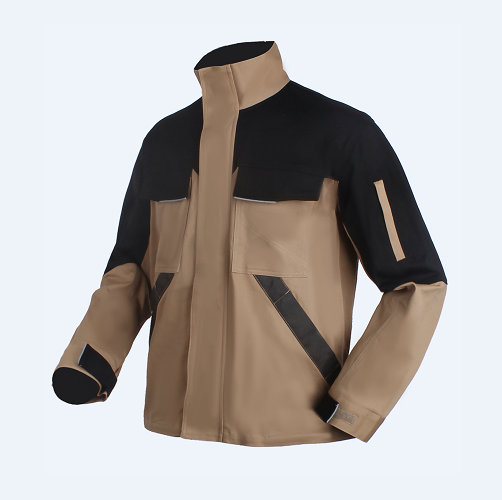
Thoughtful design incorporating multiple pockets, tool loops, and strategic reinforcements enhances uniform functionality for specific job requirements. Ergonomic considerations in uniform construction reduce fatigue and improve worker efficiency during extended wear periods. Practical features like easy-access pockets and adjustable elements accommodate diverse body types and work preferences.
Modular design approaches allow employees to customize their workwear uniforms based on seasonal requirements and specific task demands. Convertible features like removable sleeves or detachable components provide versatility while maintaining consistent professional appearance. Innovative closure systems and adjustment mechanisms improve fit and functionality.
Implementation Strategies for Successful Uniform Programs
Size Management and Fit Optimization
Comprehensive size surveys and individual fitting sessions ensure optimal comfort and professional appearance across diverse team members. Accurate measurements prevent common issues like restricted movement, poor appearance, and employee dissatisfaction with uniform programs. Professional fitting services help identify appropriate size ranges and special accommodation requirements.
Regular fit assessments and size adjustments accommodate changes in workforce composition and individual employee needs. Alternative sizing options including custom alterations address unique fit requirements while maintaining uniform consistency. Proper fit directly correlates with employee acceptance and program success rates.
Maintenance and Care Protocols
Establishing clear care instructions and maintenance protocols preserves uniform appearance and extends service life significantly. Professional laundering services specialized in workwear uniforms often provide superior results compared to individual employee care. Centralized uniform management systems streamline distribution, cleaning, and replacement processes.
Regular inspection schedules identify wear patterns and replacement needs before uniforms become unprofessional in appearance. Proper storage and handling procedures prevent unnecessary damage and maintain uniform quality between use cycles. Investment in quality care protocols reduces long-term uniform costs and maintains consistent professional image.
Cost-Effective Uniform Program Management
Budget Planning and ROI Analysis
Comprehensive cost analysis includes initial uniform investment, ongoing maintenance expenses, and replacement schedules to establish realistic budget parameters. Quality workwear uniforms often provide superior value through extended service life and reduced replacement frequency. Strategic purchasing decisions balance upfront costs with long-term operational benefits.
Return on investment calculations should include improved brand recognition, reduced safety incidents, and enhanced employee satisfaction metrics. Bulk purchasing arrangements and long-term supplier relationships often provide significant cost advantages for uniform programs. Regular program evaluation identifies opportunities for cost optimization without compromising quality or effectiveness.
Supplier Selection and Quality Assurance
Reliable suppliers with proven track records in workwear uniforms ensure consistent quality and timely delivery for ongoing program needs. Supplier evaluation criteria should include manufacturing capabilities, quality control processes, and customer service responsiveness. Establishing backup supplier relationships prevents program disruptions during peak demand periods.
Quality assurance protocols including sample testing and batch inspections maintain uniform standards throughout the supply chain. Clear specifications and acceptance criteria prevent quality issues and ensure consistent product delivery. Regular supplier performance reviews identify areas for improvement and strengthen partnership relationships.
Industry-Specific Considerations
Manufacturing and Industrial Applications
Manufacturing environments require workwear uniforms with enhanced durability, flame resistance, and chemical protection capabilities. Heavy-duty construction and reinforced seaming withstand demanding industrial conditions while maintaining professional appearance. Specialized features like anti-static properties and heat-resistant materials address specific manufacturing hazards.
Color selection in industrial settings balances visibility requirements with soil hiding characteristics to maintain professional appearance between laundering cycles. Strategic design elements accommodate personal protective equipment integration while ensuring unrestricted movement during complex tasks. Industry compliance requirements often dictate specific uniform features and performance standards.
Service and Hospitality Sectors
Service industry workwear uniforms prioritize professional appearance, comfort during extended customer interaction, and easy care requirements. Wrinkle-resistant fabrics and stain-hiding properties maintain crisp appearance throughout busy service periods. Color coordination and style consistency create cohesive team presentation while allowing individual expression within established guidelines.
Customer-facing roles require uniform designs that project competence and approachability while maintaining durability for active work environments. Seasonal adaptation capabilities allow uniform programs to remain appropriate across varying weather conditions and business cycles. Comfort features reduce employee fatigue during long shifts and improve customer service quality.
FAQ
How often should workwear uniforms be replaced
Workwear uniform replacement schedules typically range from 12 to 24 months depending on usage intensity, care practices, and quality levels. High-wear positions may require more frequent replacement while office-based roles often extend uniform life significantly. Regular inspection programs help identify optimal replacement timing based on actual wear patterns rather than arbitrary schedules.
What factors determine the best fabric choice for specific work environments
Fabric selection depends on environmental hazards, comfort requirements, durability needs, and maintenance capabilities within your organization. Chemical exposure requires specific fabric treatments while high-temperature environments need heat-resistant materials. Moisture management becomes critical in physically demanding roles while stain resistance benefits customer-facing positions.
How can companies ensure consistent uniform appearance across all employees
Consistent appearance requires standardized sizing procedures, clear care instructions, regular inspection protocols, and centralized uniform management systems. Professional fitting services and detailed specification guidelines prevent variations in appearance while accommodation policies address individual needs within program parameters. Regular training on proper wear and care maintains standards across all team members.
What are the most important safety considerations when selecting work uniforms
Safety considerations include hazard identification, regulatory compliance requirements, visibility needs, and protective feature integration specific to your work environment. Flame resistance, chemical protection, high-visibility elements, and ergonomic design directly impact employee safety and regulatory compliance. Regular safety assessments help identify evolving protection needs and uniform program updates required for optimal worker protection.