 EN
EN
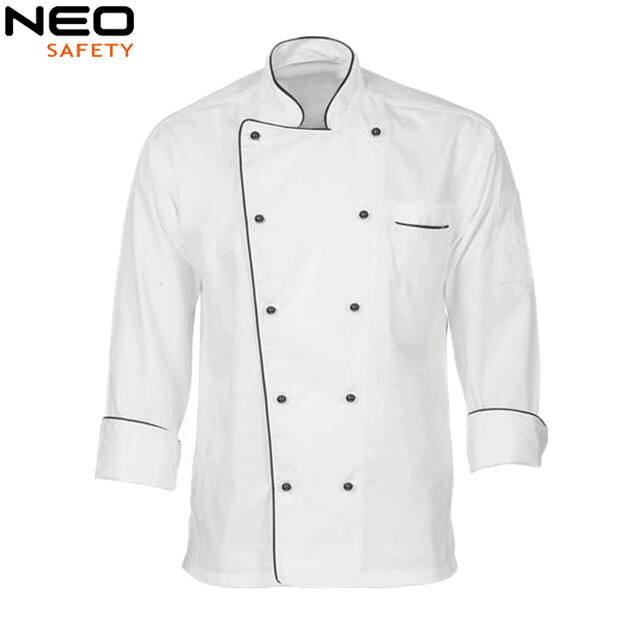
Professional kitchens demand excellence in every aspect, and the choice of a chef uniform plays a crucial role in maintaining both safety and operational efficiency. A well-designed chef uniform serves as more than just clothing—it represents professionalism, ensures compliance with health regulations, and provides essential protection in demanding culinary environments. The evolution of modern chef uniforms has transformed these garments from simple workwear into sophisticated pieces that balance functionality with contemporary style.
Fabric Technology and Performance Features
Advanced Material Composition
Modern chef uniform construction relies heavily on advanced textile technologies that address the unique challenges of commercial kitchen environments. High-performance fabrics incorporate moisture-wicking properties that actively draw perspiration away from the skin, maintaining comfort during extended shifts in high-temperature environments. These materials often feature antimicrobial treatments that inhibit bacterial growth, ensuring hygiene standards while extending the garment's lifespan between washes.
Contemporary fabric blends typically combine cotton's natural breathability with synthetic fibers that enhance durability and wrinkle resistance. Polyester-cotton blends offer superior color retention and dimensional stability, while specialized treatments provide stain resistance against oils, sauces, and other common kitchen substances. The integration of stretch fibers improves mobility without compromising the structured appearance essential for professional presentation.
Heat and Flame Protection
Safety considerations drive many fabric innovations in professional chef uniforms, with flame-resistant treatments becoming increasingly standard in high-end garments. These treatments create a protective barrier that slows flame spread and reduces heat transfer, providing crucial seconds for safety response in emergency situations. Advanced fabric constructions also incorporate heat-reflective properties that help regulate body temperature near hot cooking surfaces and equipment.
The weight and weave of uniform fabrics directly impact protection levels, with denser constructions offering superior barrier properties against splashes and heat exposure. Strategic fabric placement allows for enhanced protection in high-risk areas while maintaining breathability in zones requiring greater ventilation. This targeted approach ensures comprehensive protection without sacrificing comfort or mobility during demanding kitchen operations.
Design Elements and Functional Features
Ergonomic Construction Methods
Professional chef uniform design prioritizes ergonomic considerations that support natural movement patterns and reduce physical strain during extended wear periods. Strategic seam placement eliminates pressure points while reinforced stress areas prevent premature wear in high-motion zones. The integration of action pleats and gussets enhances range of motion without creating excess fabric that could pose safety hazards near equipment.
Contemporary uniform construction employs flat-fell seaming techniques that create smooth internal surfaces, reducing chafing and improving comfort during active periods. These construction methods also enhance garment durability by distributing stress loads more evenly across seam lines. Advanced pattern engineering ensures proper drape and fit across diverse body types while maintaining the structured appearance expected in professional environments.
Storage and Accessibility Solutions
Functional pocket systems represent a critical design element in professional chef uniforms, providing secure storage for essential tools while maintaining clean lines and professional appearance. Strategic pocket placement ensures easy access to frequently used items without interfering with movement or creating safety hazards. Reinforced pocket construction withstands repeated use and washing while maintaining shape integrity over time.
Modern uniform designs incorporate specialized features such as thermometer loops, pen slots, and towel attachments that organize essential tools efficiently. These integrated storage solutions eliminate the need for additional accessories while ensuring compliance with food safety regulations regarding cross-contamination prevention. The thoughtful placement of functional elements enhances workflow efficiency while supporting professional presentation standards.
Fit Specifications and Sizing Considerations
Professional Silhouette Standards
The proper fit of a chef uniform directly impacts both professional appearance and functional performance in demanding kitchen environments. Contemporary sizing systems account for the layering requirements common in professional kitchens while ensuring adequate room for movement without excess fabric that could create safety hazards. The balance between fitted appearance and functional ease requires careful consideration of body measurements and intended use patterns.
Professional uniform sizing extends beyond basic measurements to consider factors such as sleeve length for proper hand coverage, jacket length for adequate torso protection, and collar design for comfort during extended wear. These specifications ensure that the garment maintains its intended protective and aesthetic functions throughout demanding work shifts. Proper fit also contributes to temperature regulation by allowing appropriate air circulation while preventing gaps that could expose skin to hazards.
Adaptive Sizing Technologies
Advanced uniform manufacturers now incorporate adaptive sizing features that accommodate body changes throughout shifts and seasonal variations. These technologies include adjustable waistbands, flexible side panels, and strategic stretch zones that maintain proper fit across different conditions. The integration of these features eliminates the need for multiple uniform sizes while ensuring consistent professional appearance.
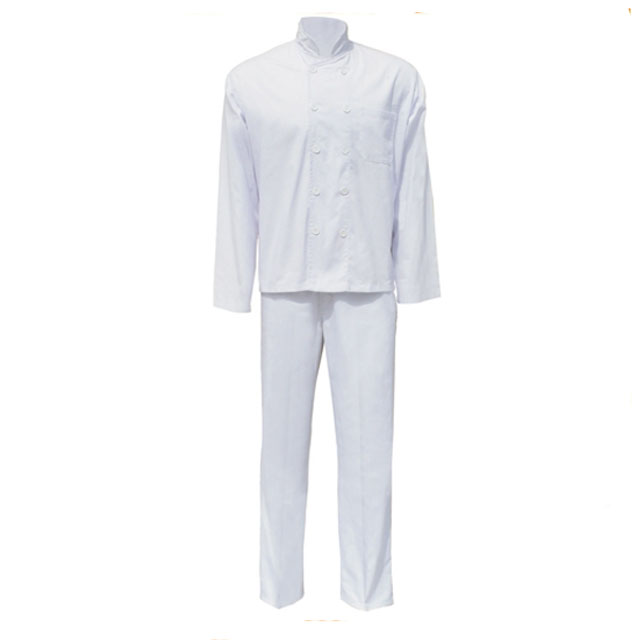
Contemporary sizing approaches also consider the diverse range of body types in modern culinary workforces, with extended size ranges and specialized cuts that provide proper fit across all demographics. This inclusive approach ensures that every team member can access uniforms that provide appropriate protection and professional presentation. The availability of tailored options allows for customization that addresses specific fit requirements while maintaining standardized appearance across teams.
Maintenance and Longevity Factors
Care and Washing Protocols
Professional chef uniform maintenance requires specialized care protocols that preserve fabric integrity while ensuring proper sanitation standards. Commercial-grade laundering systems subject garments to intensive washing cycles, high temperatures, and industrial-strength detergents that can degrade standard fabrics over time. Quality uniform construction must withstand these harsh conditions while maintaining color fastness, dimensional stability, and protective properties.
Advanced fabric treatments enhance wash durability by preventing color bleeding, shrinkage, and premature wear during repeated laundering cycles. These treatments also facilitate soil release, reducing the need for harsh cleaning chemicals that could compromise fabric integrity. The ability to maintain appearance and function through hundreds of wash cycles represents a crucial performance metric for professional-grade uniforms.
Investment Value and Cost Considerations
The long-term value of quality chef uniforms extends beyond initial purchase costs to encompass factors such as durability, replacement frequency, and maintenance requirements. High-performance uniforms typically demonstrate superior cost-per-wear ratios through extended service life and reduced replacement needs. This economic advantage becomes particularly significant in high-volume operations where uniform costs represent substantial ongoing expenses.
Professional-grade uniforms also contribute to operational efficiency through features that reduce maintenance time, improve comfort, and enhance safety compliance. These benefits translate into measurable returns through reduced injury risks, improved staff satisfaction, and enhanced professional image. The investment in quality uniforms supports both immediate operational needs and long-term business success through improved performance and reduced total ownership costs.
Industry Standards and Compliance Requirements
Health and Safety Regulations
Professional chef uniform compliance encompasses numerous health department regulations and industry standards that govern fabric selection, construction methods, and maintenance protocols. These requirements ensure that uniforms support food safety objectives while protecting workers from occupational hazards. Compliance specifications often dictate specific fabric weights, seam construction methods, and cleaning frequencies that directly impact uniform selection decisions.
Contemporary regulations increasingly address concerns such as allergen cross-contamination, chemical exposure, and thermal protection that require specialized fabric treatments and construction techniques. Understanding these requirements enables informed uniform selection that supports regulatory compliance while optimizing performance and comfort. The integration of compliance features during design phases prevents costly retrofitting and ensures seamless regulatory adherence.
Professional Presentation Standards
Industry presentation standards establish expectations for uniform appearance, cleanliness, and professional image that directly impact customer perceptions and business success. These standards often specify details such as color schemes, logo placement, and overall garment condition that require careful coordination during uniform selection and maintenance programs. Adherence to presentation standards demonstrates professionalism and attention to detail that supports brand reputation and customer confidence.
Modern presentation requirements also consider cultural sensitivity, inclusivity, and contemporary fashion trends that influence customer expectations and employee satisfaction. The ability to balance traditional professional standards with evolving aesthetic preferences requires thoughtful uniform selection that maintains timeless appeal while incorporating contemporary elements. This balance ensures that uniforms support both current operational needs and future brand development objectives.
FAQ
How often should professional chef uniforms be replaced
Professional chef uniforms typically require replacement every 6-12 months depending on usage intensity, care protocols, and quality standards. High-volume operations may necessitate more frequent replacement due to accelerated wear from intensive laundering and demanding work conditions. Quality indicators such as fabric integrity, color retention, and functional feature performance should guide replacement decisions rather than arbitrary timeframes.
What fabric weight is optimal for chef uniforms
Optimal fabric weight for chef uniforms ranges from 7-10 ounces per square yard, providing adequate protection while maintaining breathability and comfort. Lighter weights may compromise durability and protection, while heavier fabrics can reduce mobility and increase heat retention. The specific weight selection should consider factors such as kitchen temperature, work intensity, and personal comfort preferences.
Are flame-resistant treatments necessary for all chef uniforms
Flame-resistant treatments provide valuable safety benefits in all commercial kitchen environments, though requirements may vary based on local regulations and specific operational hazards. These treatments offer crucial protection against flash fires and heat exposure that can occur near open flames and high-temperature equipment. The investment in flame-resistant uniforms demonstrates commitment to worker safety and risk management.
How do sizing systems differ between uniform manufacturers
Sizing systems vary significantly between manufacturers, with some using traditional clothing sizes while others employ specialized measurement systems designed for workwear applications. Professional uniform sizing often accounts for layering requirements and extended wear comfort that differs from standard clothing fit. Consulting manufacturer sizing charts and considering trial programs helps ensure proper fit selection for specific operational requirements.