 EN
EN
Professional workwear uniforms serve as the foundation of workplace safety, productivity, and brand representation across countless industries. From construction sites to manufacturing facilities, healthcare environments to automotive workshops, the right workwear uniforms can significantly impact both employee performance and company image. Modern workwear uniforms have evolved far beyond basic protective clothing to become sophisticated garments that balance functionality, comfort, durability, and professional appearance. Understanding the critical factors that define exceptional workwear uniforms helps organizations make informed decisions that benefit both their workforce and bottom line.
Essential Features That Define Quality Workwear Uniforms
Durability and Material Composition
The foundation of superior workwear uniforms lies in their material composition and construction quality. Heavy-duty fabrics such as canvas, denim, and reinforced cotton blends provide the necessary strength to withstand daily wear and industrial environments. Quality workwear uniforms incorporate reinforced stress points at knees, elbows, and pocket corners where wear typically occurs first. Triple-stitched seams and bartacked construction ensure longevity even under demanding conditions.
Modern workwear uniforms often feature advanced fabric technologies including moisture-wicking properties, stain resistance, and flame-retardant treatments. These enhanced materials maintain their protective qualities through multiple wash cycles while preserving the professional appearance that reflects positively on company image. The investment in high-quality materials pays dividends through extended garment lifespan and reduced replacement costs.
Functional Design Elements
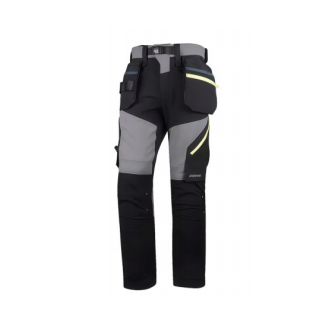
Strategic pocket placement and cargo storage solutions distinguish professional-grade workwear uniforms from standard clothing. Multiple cargo pockets, tool loops, and specialized compartments allow workers to organize essential equipment efficiently. Knee pad pockets provide additional protection for workers who frequently kneel, while reinforced hammer loops and tape measure clips accommodate trade-specific tools.
Adjustable features such as elastic waistbands, adjustable cuffs, and articulated knee construction enhance comfort and mobility. Quality workwear uniforms incorporate ergonomic design principles that accommodate natural body movement while maintaining professional appearance throughout the workday. These thoughtful design elements contribute significantly to worker satisfaction and productivity.
Safety Standards and Compliance in Workwear Uniforms
Industry-Specific Safety Requirements
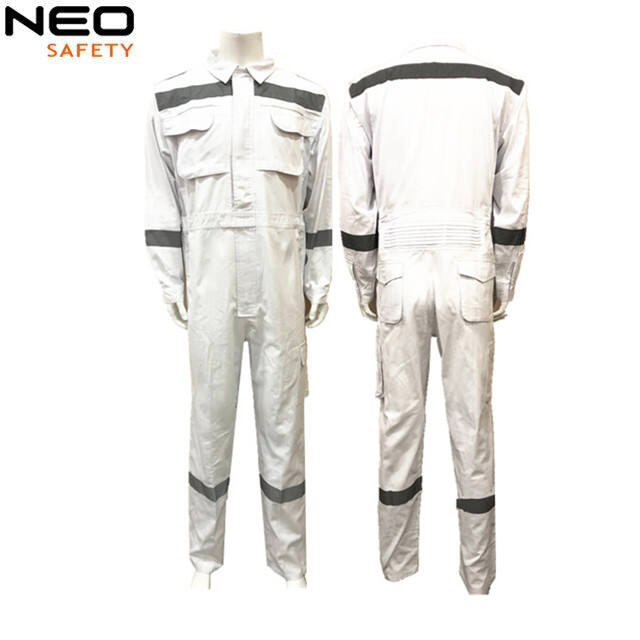
Different industries require specific safety features in their workwear uniforms to protect workers from unique hazards. High-visibility clothing with reflective strips becomes essential for road work and airport operations, while flame-resistant materials protect workers in petrochemical and electrical industries. Understanding these requirements ensures compliance with occupational safety regulations and protects organizations from liability concerns.
Certification marks such as ANSI, NFPA, and CE indicate that workwear uniforms meet established safety standards. These certifications provide assurance that garments have undergone rigorous testing for specific protective properties. Regular updates to safety standards require ongoing evaluation of workwear uniform specifications to maintain compliance and worker protection.
Protection Against Environmental Hazards
Environmental protection features in workwear uniforms extend beyond basic coverage to address specific workplace hazards. Chemical-resistant coatings protect against splashes and spills, while UV-resistant fabrics prevent sun damage during outdoor work. Waterproof and breathable membranes keep workers dry while allowing moisture vapor to escape, maintaining comfort in challenging weather conditions.
Cut-resistant panels and impact-absorbing padding provide targeted protection for high-risk activities. These specialized features integrate seamlessly into the overall garment design without compromising mobility or comfort. The strategic placement of protective elements ensures maximum effectiveness while maintaining the professional appearance expected in workwear uniforms.
Comfort and Fit Considerations
Ergonomic Design Principles
Ergonomic considerations in workwear uniforms focus on reducing physical strain and fatigue during extended wear periods. Articulated construction at joints allows natural movement without binding or restriction. Gusseted crotches and underarm panels provide additional mobility while maintaining durability at high-stress areas. These design elements contribute to worker comfort and reduce the risk of repetitive strain injuries.
Proper fit plays a crucial role in both comfort and safety performance of workwear uniforms. Garments that are too loose may catch on machinery or equipment, while overly tight clothing restricts movement and circulation. Comprehensive sizing charts and fit guides help organizations select appropriate sizes for diverse body types and preferences.
Climate Adaptability Features
Modern workwear uniforms incorporate climate control features that maintain comfort across varying environmental conditions. Ventilation panels and mesh inserts provide airflow in hot conditions, while insulated linings offer warmth in cold environments. Removable liners and convertible designs allow workers to adapt their clothing throughout changing seasons or work environments.
Moisture management systems in advanced workwear uniforms actively transport perspiration away from the skin to outer fabric layers where it can evaporate efficiently. This technology maintains dry comfort during physical exertion while preventing the growth of odor-causing bacteria. Temperature regulation features contribute significantly to worker satisfaction and productivity levels.
Brand Identity and Professional Appearance
Corporate Image Enhancement
Well-designed workwear uniforms serve as powerful brand ambassadors that project professional competence and attention to detail. Consistent uniform appearance across team members creates visual cohesion that customers and clients recognize and trust. Color coordination, logo placement, and styling details all contribute to brand recognition and market positioning.
Quality workwear uniforms maintain their professional appearance through multiple wear and wash cycles, ensuring consistent brand representation over time. Fade-resistant colors and durable logo applications preserve the intended visual impact throughout the garment's service life. This consistency reinforces brand reliability and professionalism in customer interactions.
Customization and Personalization Options
Modern workwear uniform programs offer extensive customization options that allow organizations to create distinctive branded garments. Embroidered logos, printed graphics, and custom color combinations enable unique brand expression while maintaining functional performance. Name tags, department identifiers, and safety certifications can be integrated seamlessly into the overall design.
Personalization options in workwear uniforms extend to functional features such as pocket configurations, tool attachments, and sizing modifications. These custom elements ensure that uniforms meet specific job requirements while maintaining brand consistency across the organization. Flexible customization programs accommodate diverse workforce needs without compromising visual unity.
Cost-Effectiveness and Return on Investment
Total Cost of Ownership Analysis
Evaluating workwear uniforms requires consideration of total cost of ownership rather than initial purchase price alone. Higher-quality garments with superior durability often provide better long-term value through extended service life and reduced replacement frequency. Maintenance costs, including laundering and repair services, factor significantly into the overall economic equation.
Productivity benefits from comfortable, functional workwear uniforms can offset higher initial investments through improved worker satisfaction and performance. Reduced injury rates and compliance costs from properly specified safety features provide additional economic benefits. Comprehensive cost analysis reveals the true value proposition of quality workwear uniform programs.
Procurement and Management Strategies
Effective workwear uniform procurement involves establishing relationships with reliable suppliers who understand industry requirements and can provide consistent quality over time. Volume purchasing agreements and long-term contracts often yield significant cost savings while ensuring uniform availability when needed. Inventory management systems help optimize stock levels and reduce carrying costs.
Rental and leasing programs for workwear uniforms offer alternative procurement models that may provide cost advantages for certain organizations. These programs typically include laundering, maintenance, and replacement services that reduce administrative burden while ensuring consistent uniform quality. Careful evaluation of program terms and service levels helps determine the most cost-effective approach.
FAQ
How often should workwear uniforms be replaced
Replacement frequency for workwear uniforms depends on usage intensity, work environment conditions, and garment quality. High-quality uniforms in moderate-use environments typically last 12-18 months, while heavy-duty applications may require replacement every 6-12 months. Regular inspection for wear, damage, and safety feature integrity helps determine optimal replacement timing. Establishing replacement schedules based on actual wear patterns ensures worker safety while optimizing costs.
What safety certifications should I look for in workwear uniforms
Essential safety certifications vary by industry but commonly include ANSI/ISEA standards for high-visibility clothing, NFPA ratings for flame resistance, and ASTM specifications for cut resistance. Look for certifications that match your specific workplace hazards and regulatory requirements. Verify that certifications remain current and that garments maintain their protective properties through proper care and maintenance procedures.
Can workwear uniforms be customized for specific job requirements
Most professional workwear uniform suppliers offer extensive customization options including specialized pocket configurations, tool attachments, reinforcement placement, and sizing modifications. Custom embroidery, printing, and color matching services enable brand identity integration while maintaining functional performance. Work with suppliers who understand your industry requirements and can recommend appropriate modifications for specific job functions.
How do I determine the right size and fit for workwear uniforms
Proper sizing for workwear uniforms requires measuring chest, waist, inseam, and sleeve dimensions using manufacturer-specific sizing charts. Consider layering requirements for seasonal clothing and allow for comfortable movement without excess looseness that could create safety hazards. Many suppliers offer fit consultations and sample programs to ensure proper sizing before placing large orders. Regular fit evaluations help maintain optimal comfort and safety performance.