 EN
EN
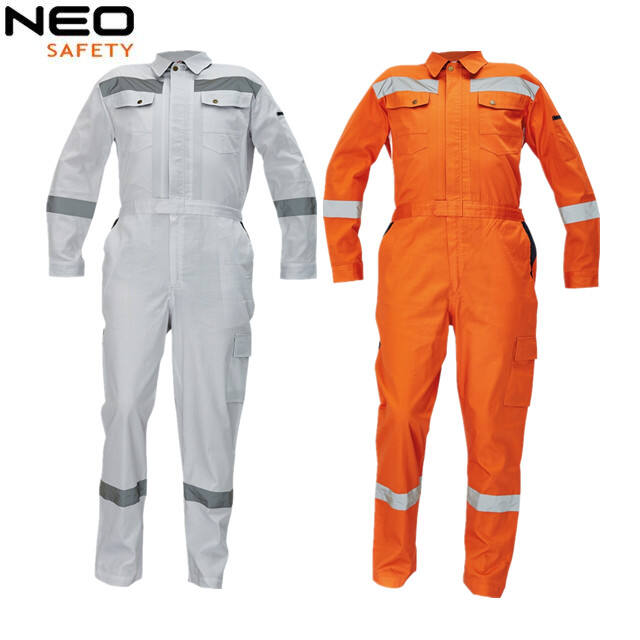
Modern workwear uniforms have evolved far beyond basic protective clothing to become sophisticated garments that balance durability, comfort, and professional appearance. In today's competitive industrial landscape, companies recognize that high-quality workwear uniforms directly impact employee performance, safety compliance, and brand representation. The distinction between standard work clothing and premium workwear uniforms lies in three critical areas: advanced fabric technology, thoughtful design elements, and precision fit engineering.
The industrial workwear market has witnessed significant transformation over the past decade, driven by advancing textile technologies and evolving workplace safety standards. Premium workwear uniforms now incorporate features that were once considered luxury additions, making them essential components of modern workplace safety programs. Understanding what separates exceptional workwear from ordinary work clothing helps businesses make informed decisions that benefit both their workforce and bottom line.
Advanced Fabric Technologies in Modern Workwear
High-Performance Synthetic Blends
Contemporary workwear uniforms utilize advanced synthetic fiber blends that deliver superior performance compared to traditional cotton-based fabrics. Polyester-cotton combinations provide excellent durability while maintaining breathability and moisture-wicking properties. These engineered fabrics resist shrinkage, fading, and wear patterns that typically plague conventional work clothing. The integration of performance fibers like nylon and spandex adds stretch and recovery properties, allowing workwear uniforms to maintain their shape throughout demanding work shifts.
Modern synthetic blends also incorporate antimicrobial treatments that prevent odor-causing bacteria growth, extending the time between washes and reducing maintenance costs. This technology proves particularly valuable in industries where workers face high-temperature environments or physically demanding tasks. The result is workwear uniforms that stay fresher longer while maintaining professional appearance standards.
Specialized Protective Coatings
Premium workwear uniforms feature specialized fabric treatments that enhance protection against workplace hazards. Water-resistant and stain-repellent finishes keep garments looking professional even in challenging environments. These treatments don't compromise fabric breathability, ensuring workers remain comfortable during extended wear periods. Oil-resistant coatings protect against petroleum-based substances commonly found in automotive and manufacturing environments.
Flame-resistant treatments integrated at the molecular level provide superior protection compared to topical applications. These advanced treatments maintain their protective properties through multiple wash cycles, ensuring consistent safety performance throughout the garment's lifespan. Such innovations make workwear uniforms suitable for high-risk industrial applications where employee safety cannot be compromised.
Innovative Design Elements That Matter
Functional Pocket Systems
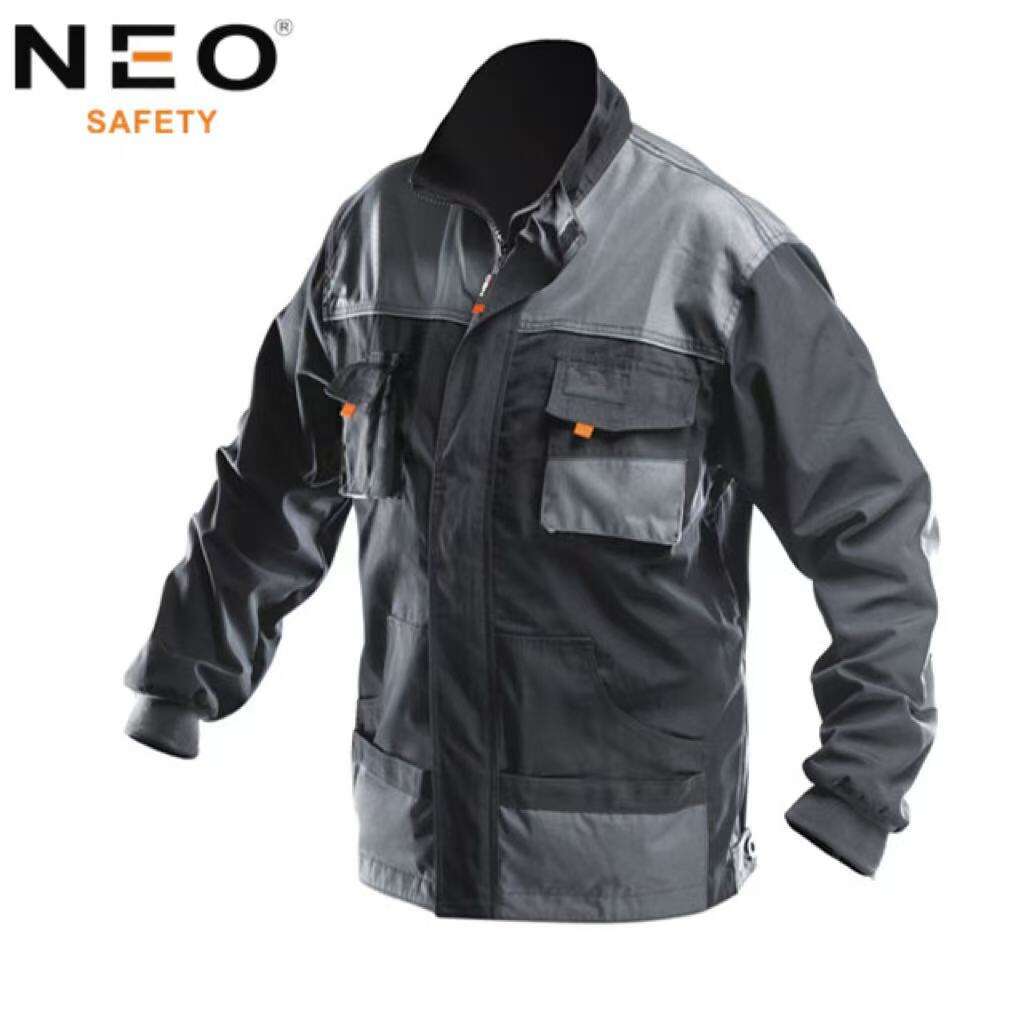
Strategic pocket placement and design represent crucial differentiators in premium workwear uniforms. Multi-dimensional pocket systems accommodate various tools and equipment while maintaining garment balance and professional appearance. Reinforced pocket corners and bartacked stress points prevent tearing under heavy tool loads. Hidden security pockets protect valuable items like smartphones and identification cards from loss or damage.
Cargo pockets with secure closure systems provide additional storage without creating bulk or interfering with movement. Some advanced workwear uniforms incorporate modular pocket systems that can be customized based on specific job requirements. This flexibility allows companies to optimize functionality while maintaining uniform appearance standards across different departments.
Ergonomic Construction Features
Superior workwear uniforms incorporate ergonomic design principles that support natural body movement and reduce fatigue. Articulated knees and elbows provide additional fabric where movement creates stress, preventing binding and extending garment life. Gusseted crotches eliminate pulling and tearing in high-stress areas while improving comfort during bending and squatting motions.
Strategic seam placement avoids areas where tools or equipment might cause premature wear. Flat-fell seams provide superior strength while reducing bulk and potential chafing points. These construction details might seem minor individually, but collectively they create workwear uniforms that perform significantly better than standard alternatives. The investment in superior construction pays dividends through reduced replacement costs and improved worker satisfaction.
Precision Fit Engineering for Optimal Performance
Size Range Optimization
Professional workwear uniforms offer extended size ranges that accommodate diverse body types without compromising fit quality. Advanced grading systems ensure proportional adjustments across all size ranges, maintaining proper fit relationships between torso length, sleeve dimensions, and overall garment proportions. This attention to sizing detail eliminates the common problem of workwear that fits in some areas while being too loose or tight in others.
Tall and short variations within each size category address length requirements that standard sizing often overlooks. This comprehensive approach to sizing ensures that workwear uniforms provide appropriate coverage and professional appearance regardless of individual body proportions. Companies benefit from improved employee satisfaction and reduced alteration costs when workwear fits properly from the start.
Adjustability and Customization Options
Premium workwear uniforms incorporate adjustable features that allow fine-tuning for individual preferences and requirements. Adjustable waistbands, cuffs, and hem lengths accommodate slight variations in body dimensions without requiring custom tailoring. These features prove particularly valuable for companies that issue workwear uniforms to employees with varying body types and size preferences.
Modular design elements allow customization based on specific job functions while maintaining overall uniform consistency. Removable knee pads, detachable hoods, and convertible sleeve lengths provide functionality options without requiring separate garment inventories. This flexibility reduces procurement complexity while ensuring that workwear uniforms meet diverse operational requirements across different departments and job classifications.
Durability and Longevity Factors
Reinforcement in Critical Areas
High-quality workwear uniforms feature strategic reinforcement in areas subject to heavy wear and stress. Double-layer fabric construction at knees, seat, and shoulder areas extends garment life significantly compared to single-layer alternatives. Bar-tack stitching at stress points prevents seam failure under heavy loads. These reinforcement details represent the difference between workwear that lasts months versus years in demanding industrial environments.
Reinforcement materials match or exceed the durability of base fabrics, ensuring uniform wear patterns throughout the garment's lifespan. Poorly executed reinforcement can create weak points that actually accelerate failure, making material selection and placement crucial factors in overall durability. Premium workwear uniforms balance reinforcement with comfort, avoiding excessive bulk while providing necessary protection.
Construction Quality Standards
Superior construction techniques distinguish premium workwear uniforms from budget alternatives. High-quality thread appropriate for fabric weight and intended use prevents premature seam failure. Proper stitch density balances durability with flexibility, ensuring seams remain intact during normal wear while allowing necessary stretch and movement.
Quality control measures ensure consistent construction standards across production runs. This consistency becomes crucial for companies that purchase workwear uniforms in large quantities over extended periods. Maintaining uniform quality standards ensures that replacement garments match existing inventory in both appearance and performance characteristics.
Industry-Specific Requirements and Standards
Safety Compliance Features
Many industries require workwear uniforms that meet specific safety standards and regulations. High-visibility requirements demand specific reflective tape placement and color combinations that maintain effectiveness through multiple wash cycles. Flame-resistant properties must meet established standards for specific industrial applications, with certification maintained throughout the garment's service life.
Arc flash protection requires specialized fabrics and construction techniques that prevent ignition and minimize burn injury severity. These safety features cannot be afterthoughts or superficial additions; they must be integrated into the fundamental design and construction of workwear uniforms. Compliance with industry standards often determines whether workwear is acceptable for specific work environments.
Brand Representation and Professional Appearance
Workwear uniforms serve as mobile advertisements for companies, making professional appearance crucial for brand representation. Color retention through repeated washing maintains uniform appearance standards that reflect positively on company image. Consistent sizing and fit across all garments ensures that workwear uniforms present a cohesive, professional appearance regardless of individual employee differences.
Customization options for logos, company names, and employee identification must integrate seamlessly with garment design without compromising durability or comfort. Premium workwear uniforms accommodate these branding requirements while maintaining the performance characteristics that make them suitable for demanding work environments.
Cost-Benefit Analysis of Premium Workwear
Initial Investment Considerations
While premium workwear uniforms require higher initial investment compared to budget alternatives, the total cost of ownership often favors quality options. Extended service life reduces replacement frequency, lowering long-term procurement costs. Reduced maintenance requirements and better appearance retention minimize ongoing care costs while extending useful life.
Employee satisfaction with comfortable, well-fitting workwear uniforms can reduce turnover and associated replacement costs. Workers who feel professional and comfortable in their uniforms often demonstrate improved productivity and workplace morale. These indirect benefits contribute to the overall value proposition of investing in superior workwear.
Return on Investment Factors
Calculating return on investment for premium workwear uniforms requires considering both direct and indirect benefits. Direct savings include reduced replacement costs, lower maintenance expenses, and decreased alteration requirements. Indirect benefits encompass improved safety compliance, enhanced company image, and potential productivity gains from more comfortable, functional workwear.
Companies that invest in quality workwear uniforms often discover that employee satisfaction and retention improve measurably. The cost of recruiting and training replacement workers typically far exceeds the additional investment in premium workwear, making quality uniforms a sound business decision beyond their obvious functional benefits.
FAQ
How often should workwear uniforms be replaced in industrial settings
Replacement frequency depends on work environment severity, garment quality, and maintenance practices. Premium workwear uniforms in moderate industrial settings typically last 12-18 months with proper care, while budget alternatives may require replacement every 6-9 months. High-wear environments like welding or heavy construction may necessitate more frequent replacement regardless of garment quality. Regular inspection for wear patterns, safety feature integrity, and professional appearance helps determine optimal replacement timing.
What fabric treatments are most important for demanding work environments
Essential fabric treatments include stain resistance, water repellency, and antimicrobial properties for most industrial applications. Oil and chemical resistance become crucial in automotive and manufacturing environments. Flame resistance is mandatory for welding, electrical work, and many chemical processing applications. UV protection benefits outdoor workers, while anti-static properties are essential in electronics manufacturing. The specific combination depends on workplace hazards and safety requirements.
How do sizing variations affect workwear uniform performance and safety
Proper fit directly impacts both performance and safety in workwear uniforms. Oversized garments can catch on machinery or equipment, creating safety hazards. Undersized uniforms restrict movement and may tear under stress, compromising protection. Proper fit ensures that safety features like reflective tape and flame-resistant properties function as designed. Well-fitted workwear also improves comfort and reduces fatigue, contributing to overall workplace safety and productivity.
What maintenance practices extend workwear uniform lifespan most effectively
Proper washing techniques preserve fabric treatments and construction integrity. Following manufacturer care instructions prevents premature deterioration of specialized coatings and treatments. Prompt treatment of stains prevents permanent damage and maintains professional appearance. Regular inspection and minor repairs address small issues before they become major problems. Proper storage prevents unnecessary creasing and fabric stress. Rotating multiple sets of workwear uniforms reduces wear on individual garments while ensuring clean uniforms are always available.