 EN
EN
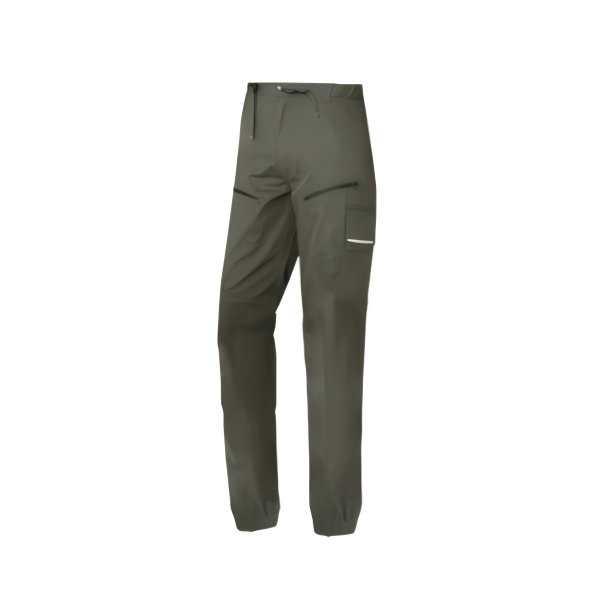
The performance of stretch pants in various workplace environments depends heavily on two critical factors: fabric composition and design engineering. Workers across industries from construction and manufacturing to outdoor services rely on stretch pants to provide mobility, durability, and comfort during demanding physical tasks. Understanding how fabric technology and design elements interact to create high-performance workwear helps professionals make informed decisions about their clothing investments and ensures optimal job performance.

Modern stretch pants incorporate advanced textile technologies and ergonomic design principles that directly influence their suitability for specific job requirements. The combination of elastane fibers with base materials like cotton, polyester, or ripstop nylon creates different performance characteristics that affect everything from tear resistance to moisture management. Similarly, design features such as articulated knees, gusseted crotches, and strategic pocket placement determine how well stretch pants support the unique movement patterns and tool requirements of different professions.
Fabric Technology's Role in Workplace Performance
Elastane Integration and Stretch Recovery
The percentage and placement of elastane fibers within stretch pants directly impacts their performance across different job environments. Most high-quality stretch pants contain between 2-5% elastane, strategically woven throughout the fabric matrix to provide four-way stretch capabilities. This elastane content allows workers to perform deep squats, overhead reaching, and lateral movements without fabric restriction or binding. The stretch recovery properties ensure that stretch pants maintain their original shape even after repeated stress cycles throughout long work shifts.
Different elastane concentrations serve specific workplace needs. Construction workers benefit from 3-4% elastane content that provides adequate flexibility while maintaining fabric stability under heavy tool belt loads. Landscaping professionals often prefer slightly higher elastane percentages for enhanced mobility when climbing, crawling, and working in varied terrain positions. The key lies in balancing stretch performance with fabric integrity to prevent premature wear in high-stress areas.
Base Fabric Selection Impact
The choice of base fabric fundamentally determines how stretch pants perform in different environmental conditions and job hazards. Cotton-blend stretch pants offer superior breathability and comfort for indoor manufacturing roles but may lack the abrasion resistance needed for concrete work or welding applications. Polyester-dominant blends provide excellent moisture-wicking properties essential for outdoor laborers working in hot climates, while maintaining dimensional stability that prevents sagging or stretching out during extended wear.
Ripstop nylon integration creates stretch pants particularly suited for jobs involving sharp objects, rough surfaces, or potential snag hazards. The reinforced weave pattern prevents small tears from propagating into larger damage, making these fabrics ideal for electrical work, HVAC installation, and forestry applications. Canvas-weight stretch pants incorporate heavier base materials that withstand industrial washing cycles and chemical exposure common in automotive and manufacturing environments.
Performance Coatings and Treatments
Advanced fabric treatments significantly enhance stretch pants performance in specialized work environments. Water-resistant coatings protect workers in wet conditions without compromising breathability, essential for plumbers, marine technicians, and outdoor construction crews. Stain-resistant treatments help maintain professional appearance in customer-facing trades while reducing cleaning frequency and extending garment lifespan.
Anti-microbial treatments become crucial for stretch pants worn in healthcare, food service, and high-activity jobs where odor control impacts workplace hygiene standards. These treatments work at the molecular level to prevent bacterial growth without affecting fabric stretch properties or comfort. UV protection treatments shield outdoor workers from harmful radiation exposure while maintaining fabric color integrity over extended sun exposure periods.
Design Engineering for Job-Specific Requirements
Articulated Construction Principles
The strategic placement of seams, darts, and fabric panels in stretch pants directly influences their performance in job-specific movement patterns. Articulated knee construction involves pre-shaping fabric panels to match natural leg positioning during squatting and kneeling activities common in flooring installation, plumbing, and automotive repair. This three-dimensional shaping eliminates fabric bunching behind the knees and reduces pressure points that cause discomfort during extended ground-level work.
Gusseted crotch design incorporates diamond-shaped fabric inserts that provide additional room for leg separation and deep squatting motions. This feature proves essential for electricians working in cramped spaces, roofers navigating steep angles, and warehouse workers frequently lifting heavy items from floor level. The gusset construction distributes stress across a larger fabric area, preventing seam failure in high-tension zones.
Ergonomic waistband engineering affects comfort and tool carry capacity across different professions. Contoured waistbands follow natural body curves to prevent gap formation when bending forward, essential for maintaining professional appearance and preventing tool loss. Strategic stretch panel placement in the waistband accommodates natural body expansion throughout work shifts while maintaining consistent fit and support.
Pocket Configuration and Tool Integration
Pocket design and placement significantly impact stretch pants functionality for different job requirements. Utility pockets with reinforced edges and secure closures accommodate specific tool sets without compromising fabric integrity or worker mobility. Carpenter-style stretch pants feature multiple hammer loops, tape measure clips, and angled pockets that keep tools accessible while preventing interference with leg movement during climbing or crawling tasks.
Smartphone and device pockets require special consideration in modern stretch pants design. These pockets must secure valuable electronics while allowing easy access and preventing damage from impacts or environmental exposure. Some stretch pants incorporate internal security pockets with zipper closures for keys and identification cards, essential for workers in secure facilities or those frequently moving between job sites.
The integration of stretch pants with specialized pocket systems allows workers to maintain efficiency while ensuring comfort during extended wear periods. Pocket depth and angle must complement natural hand positioning to minimize reaching motions that could strain shoulder and back muscles during repetitive tool access.
Environmental Adaptation Through Material Engineering
Temperature Regulation Systems
Advanced stretch pants incorporate sophisticated temperature regulation technologies that adapt to varying workplace environments. Moisture-wicking fiber systems transport perspiration away from skin surfaces to outer fabric layers where evaporation can occur efficiently. This process maintains skin dryness and prevents the clamminess that reduces worker comfort and focus in demanding physical jobs.
Breathable fabric construction balances air permeability with wind resistance to create optimal microclimate control. Stretch pants designed for outdoor winter work incorporate wind-resistant outer layers while maintaining breathability through strategic fabric placement and weave patterns. This dual-function approach prevents both overheating during high-activity periods and cold exposure during rest intervals.
Thermal regulation becomes particularly important for stretch pants used in extreme temperature environments. Insulated stretch pants for cold storage workers incorporate synthetic fill materials that maintain loft and warmth while preserving fabric stretch properties. Conversely, cooling fabric technologies for hot climate workers utilize phase-change materials or enhanced airflow channels to reduce core body temperature during strenuous activities.
Chemical and Contamination Resistance
Specialized stretch pants for industrial environments require fabric treatments that resist chemical exposure while maintaining flexibility and comfort. Oil-resistant treatments protect workers in automotive, manufacturing, and petroleum industries from staining and fabric degradation caused by hydrocarbon exposure. These treatments penetrate fabric fibers without creating stiff or uncomfortable surfaces that would limit stretch pants performance.
Flame-resistant stretch pants incorporate inherently fire-retardant fibers or chemical treatments that prevent ignition and limit burn progression. These safety features cannot compromise the stretch and mobility characteristics essential for emergency response, welding, and electrical work applications. The challenge lies in maintaining fabric flexibility while meeting strict safety compliance standards for hazardous work environments.
Soil-release properties help maintain stretch pants appearance and hygiene in jobs involving frequent contact with dirt, grease, and other contaminants. These fabric treatments modify surface tension properties to prevent deep penetration of soiling agents while allowing easy removal during washing cycles. This extends garment lifespan and reduces replacement costs for workers in construction, landscaping, and maintenance roles.
Movement Optimization and Ergonomic Performance
Range of Motion Enhancement
The biomechanical design of stretch pants must accommodate the full range of human movement patterns encountered in various job functions. Different professions require specific movement capabilities: tree surgeons need extensive overhead reach flexibility, flooring installers require prolonged kneeling comfort, and warehouse workers demand unrestricted lifting and carrying motions. Stretch pants engineering must address these diverse requirements through strategic fabric placement and construction techniques.
Four-way stretch fabric placement concentrates maximum flexibility in areas experiencing the greatest movement stress. Hip and thigh regions receive enhanced stretch properties to accommodate deep squatting and leg lifting motions. Knee and calf areas incorporate stretch panels that prevent fabric restriction during climbing and crawling activities common in maintenance and installation work.
Seam placement optimization reduces chafing and pressure points that develop during repetitive movements. Traditional straight seams can create friction zones that cause discomfort during extended wear periods. Advanced stretch pants utilize curved seam construction that follows natural body contours and movement paths, distributing stress more evenly across fabric surfaces and reducing hot spot formation.
Durability Under Mechanical Stress
High-stress areas in stretch pants require reinforcement strategies that maintain flexibility while preventing premature failure. Knee reinforcement systems incorporate additional fabric layers or protective panels without restricting natural leg movement. These reinforcements must integrate seamlessly with stretch fabric properties to avoid creating stiff zones that alter natural gait patterns or cause pressure concentration.
Abrasion resistance becomes critical for stretch pants worn in jobs involving frequent contact with rough surfaces. Concrete finishers, roofers, and industrial maintenance workers require stretch pants that withstand sliding, kneeling, and crawling on abrasive materials. Strategic reinforcement placement protects high-wear areas while preserving overall garment flexibility and comfort characteristics.
Tear propagation prevention ensures that minor damage doesn't render stretch pants unusable. Ripstop reinforcement techniques interrupt tear progression while maintaining fabric stretch properties in surrounding areas. This approach extends garment lifespan in demanding work environments where sharp objects and snag hazards are common occupational hazards.
FAQ
How does elastane percentage affect stretch pants performance in manual labor jobs?
Elastane percentage directly correlates with stretch pants flexibility and recovery properties. Manual labor jobs typically perform best with 3-5% elastane content, providing adequate stretch for deep bending and reaching while maintaining fabric stability under tool belt weight and repeated stress cycles. Higher percentages may compromise durability, while lower percentages limit essential mobility for physical work tasks.
What fabric treatments are most important for outdoor construction worker stretch pants?
Outdoor construction workers benefit most from water-resistant treatments, UV protection coatings, and stain-resistant finishes. These treatments protect against weather exposure, prevent fabric degradation from sun damage, and maintain professional appearance despite contact with concrete, dirt, and construction materials. Anti-microbial treatments also help manage odor during long shifts in varying weather conditions.
How do pocket designs affect stretch pants functionality for different trades?
Pocket configuration must match specific tool requirements and movement patterns for each trade. Electricians need secure phone pockets and small tool loops, while carpenters require hammer holders and tape measure clips. Pocket placement affects weight distribution and mobility, so designs must balance tool accessibility with unrestricted leg movement during climbing, squatting, and walking activities.
What makes stretch pants suitable for temperature-extreme work environments?
Temperature-extreme stretch pants incorporate specialized fabric technologies like moisture-wicking systems for hot environments and wind-resistant barriers for cold conditions. Insulation integration maintains warmth without compromising stretch properties, while cooling treatments and enhanced breathability prevent overheating. The key is balancing thermal protection with maintained flexibility and comfort throughout varying activity levels and environmental conditions.
Table of Contents
- Fabric Technology's Role in Workplace Performance
- Design Engineering for Job-Specific Requirements
- Environmental Adaptation Through Material Engineering
- Movement Optimization and Ergonomic Performance
-
FAQ
- How does elastane percentage affect stretch pants performance in manual labor jobs?
- What fabric treatments are most important for outdoor construction worker stretch pants?
- How do pocket designs affect stretch pants functionality for different trades?
- What makes stretch pants suitable for temperature-extreme work environments?