 EN
EN
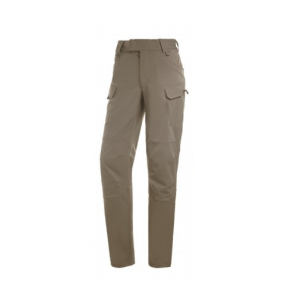
Modern workplaces demand clothing that seamlessly blends functionality with professional appearance, making quality work trousers an essential component of any professional wardrobe. Whether you're navigating construction sites, warehouse environments, or office settings, the right work trousers can significantly impact your comfort, productivity, and overall job performance. Understanding the key features that distinguish superior work trousers from ordinary pants helps professionals make informed decisions that enhance their daily work experience while maintaining a polished, competent appearance.
Essential Fabric Technologies in Professional Work Trousers
Advanced Material Composition
High-quality work trousers utilize sophisticated fabric blends that prioritize durability without compromising comfort. Cotton-polyester combinations remain popular choices, offering the breathability of natural fibers while incorporating synthetic materials that resist wrinkles and maintain shape throughout demanding workdays. Canvas materials provide exceptional strength for heavy-duty applications, while oxford reinforcements in high-wear areas extend the lifespan of work trousers significantly. These fabric innovations ensure that professionals can rely on their clothing to perform consistently across various work environments.
Modern work trousers often incorporate ripstop technologies that prevent small tears from expanding into larger damage. This feature proves particularly valuable in industrial settings where contact with sharp edges or rough surfaces is common. Additionally, many contemporary work trousers feature moisture-wicking properties that draw perspiration away from the skin, maintaining comfort during physically demanding tasks while preventing the accumulation of odors that can develop throughout long work shifts.
Weather Resistance and Protection
Professional-grade work trousers frequently include weather-resistant treatments that protect against light rain and wind without creating a completely waterproof barrier that would trap heat and moisture. These treatments allow work trousers to maintain their protective qualities while preserving breathability essential for all-day comfort. UV protection becomes increasingly important for outdoor workers, with specialized fabric treatments offering shield against harmful solar radiation that can cause premature fabric degradation and skin damage.
Chemical resistance represents another crucial feature in specialized work trousers designed for industrial environments. These garments undergo treatments that provide protection against common workplace chemicals, oils, and solvents, ensuring that accidental spills don't result in permanent staining or fabric damage. Such protective features make work trousers suitable for diverse professional environments while maintaining their aesthetic appeal over extended periods of use.
Functional Design Elements for Maximum Utility
Strategic Pocket Placement and Configuration
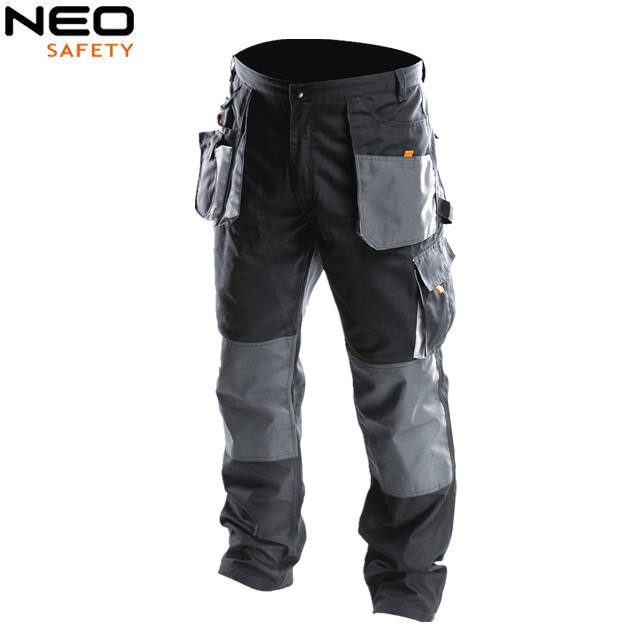
The pocket system in quality work trousers reflects careful consideration of workflow patterns and tool requirements across different professions. Traditional front pockets accommodate everyday items like keys and phones, while cargo pockets provide secure storage for larger tools and equipment without creating excessive bulk that interferes with movement. Specialized pockets for measuring tapes, pens, and small tools ensure that essential items remain easily accessible without compromising the overall silhouette of the work trousers.
Modern work trousers often feature reinforced pocket edges and heavy-duty zippers that withstand repeated use and weight from tools and equipment. Velcro closures on cargo pockets provide quick access while maintaining security, preventing valuable items from falling out during active work periods. Some designs incorporate phone-specific pockets with protective features that shield electronic devices from scratches and impact damage while keeping them readily accessible for communication needs.
Mobility and Ergonomic Considerations
Ergonomic design in work trousers addresses the natural movement patterns required in various professional settings. Gusseted crotches expand range of motion for tasks requiring crouching, climbing, or stretching, while articulated knees provide additional flexibility for extended periods of kneeling or squatting. These design elements prevent fabric stress and tearing that commonly occurs in standard pants when subjected to demanding physical activities typical in many work environments.
Adjustable waistbands and belt loops accommodate different body types and preferences while ensuring secure fit that doesn't shift during movement. Reinforced seams throughout the garment prevent separation under stress, while flat-fell seams reduce chafing and irritation during long wear periods. These ergonomic features make work trousers suitable for extended use without causing discomfort or restricting natural movement patterns essential for job performance.
Style Integration and Professional Appearance
Color Coordination and Versatility
Contemporary work trousers balance practical considerations with aesthetic appeal, offering color options that maintain professional appearance while hiding common workplace stains and wear patterns. Navy, black, and khaki remain popular choices that coordinate well with various work shirt colors while providing versatility for both casual and formal workplace environments. These neutral tones ensure that work trousers integrate seamlessly into existing professional wardrobes without requiring extensive clothing updates.
Color-fast treatments prevent fading and discoloration that can make work trousers appear worn and unprofessional over time. High-quality work trousers maintain their original appearance through numerous wash cycles, ensuring that professionals consistently present a polished image. Some manufacturers offer specialized dyes that actually improve in appearance with washing, creating work trousers that look better as they age rather than deteriorating in quality and appearance.
Fit and Tailoring Standards
Proper fit in work trousers requires careful attention to both comfort and professional appearance standards. Modern cuts accommodate the need for freedom of movement while maintaining a tailored appearance that meets workplace dress codes. Tapered legs provide a contemporary silhouette without excessive tightness that restricts circulation or movement, while appropriate rise heights ensure comfortable sitting and standing throughout work shifts.
Size consistency across different work trousers models enables professionals to confidently order replacements without fit concerns. Quality manufacturers maintain strict sizing standards that ensure work trousers fit predictably, reducing the uncertainty often associated with workwear purchases. This consistency becomes particularly valuable for corporate purchasing departments ordering work trousers for multiple employees with varying size requirements and preferences.
Maintenance and Longevity Features
Care Instructions and Durability
Quality work trousers incorporate design elements that simplify maintenance while maximizing longevity. Machine-washable fabrics eliminate the need for expensive dry cleaning, reducing the total cost of ownership over the garment's lifetime. Soil-resistant treatments help work trousers shed dirt and stains during regular washing cycles, maintaining their professional appearance with minimal effort from the wearer.
Shrink-resistant treatments ensure that work trousers maintain their original fit and appearance through multiple wash and dry cycles. Pre-shrunk fabrics prevent the disappointment and expense of garments that become too small after the first washing. These treatments allow professionals to confidently invest in quality work trousers knowing that proper care will maintain their fit and function over extended periods of use.
Repair and Replacement Considerations
Reinforcement in high-wear areas extends the useful life of work trousers while reducing replacement frequency and associated costs. Double-layer fabric at knees, seat, and pocket areas prevents premature wear-through that commonly affects lower-quality garments. These reinforcements are carefully integrated into the overall design to provide protection without creating uncomfortable bulk or affecting the professional appearance of the work trousers.
Replacement part availability becomes important for high-quality work trousers, with some manufacturers offering replacement hardware like zippers, buttons, and belt loops. This approach extends garment life and reduces waste while providing continued value to professionals who invest in quality work trousers. Warranty coverage on workmanship and materials provides additional assurance that work trousers will perform as expected in demanding professional environments.
Industry-Specific Requirements and Standards
Safety Compliance and Certifications
Certain industries require work trousers that meet specific safety standards and regulatory requirements. Flame-resistant materials become essential in environments with fire hazards, while high-visibility colors and reflective strips ensure worker safety in low-light conditions. These specialized work trousers undergo rigorous testing to ensure compliance with industry safety standards while maintaining comfort and functionality required for effective job performance.
Electrical workers require work trousers with specific insulation properties that prevent electrical hazards, while chemical plant workers need garments that resist specific types of chemical exposure. Understanding these requirements helps professionals select work trousers that not only provide comfort and style but also meet the safety standards essential for their specific work environments and regulatory compliance needs.
Environmental and Sustainability Considerations
Modern professionals increasingly consider the environmental impact of their clothing choices, leading to demand for work trousers manufactured using sustainable practices and materials. Organic cotton blends, recycled polyester content, and environmentally responsible dye processes appeal to environmentally conscious workers and companies with sustainability goals. These eco-friendly work trousers provide the same performance characteristics as traditional options while supporting broader environmental responsibility initiatives.
Durability contributes significantly to sustainability by reducing replacement frequency and associated environmental impacts. Long-lasting work trousers that maintain their appearance and functionality over extended periods reduce the total environmental footprint associated with professional clothing. This approach aligns with corporate sustainability goals while providing economic benefits through reduced clothing replacement costs and extended garment lifecycle management.
FAQ
What makes work trousers different from regular pants
Work trousers differ from regular pants through enhanced durability features, specialized pocket configurations, and reinforced construction designed for demanding professional environments. They typically use heavier-weight fabrics, reinforced seams, and additional features like tool pockets and knee reinforcements that regular pants lack. Work trousers also prioritize functionality over fashion trends, focusing on long-term performance and professional appearance maintenance.
How often should work trousers be replaced
Quality work trousers typically last 12-18 months with regular use, though this varies based on work environment demands and care practices. Signs that work trousers need replacement include fabric thinning in high-wear areas, pocket damage, persistent staining that affects professional appearance, or fit changes due to fabric degradation. Regular inspection helps identify when work trousers no longer meet professional standards or safety requirements.
Can work trousers be tailored for better fit
Most work trousers can accommodate basic tailoring adjustments like hemming and minor waist alterations, though extensive modifications may compromise their durability and functional features. Professional tailoring services familiar with workwear can make adjustments while preserving important features like reinforced seams and pocket integrity. However, selecting the correct size initially is preferable to extensive alterations that might affect performance characteristics.
What care practices extend work trousers lifespan
Proper care practices for work trousers include following manufacturer washing instructions, treating stains promptly before they set, avoiding excessive heat in drying cycles, and rotating multiple pairs to reduce wear frequency on individual garments. Regular inspection for small tears or loose threads allows for prompt repairs that prevent larger problems. Storing work trousers properly when not in use and avoiding unnecessary exposure to harsh chemicals or extreme conditions also contributes to extended garment life.