 EN
EN
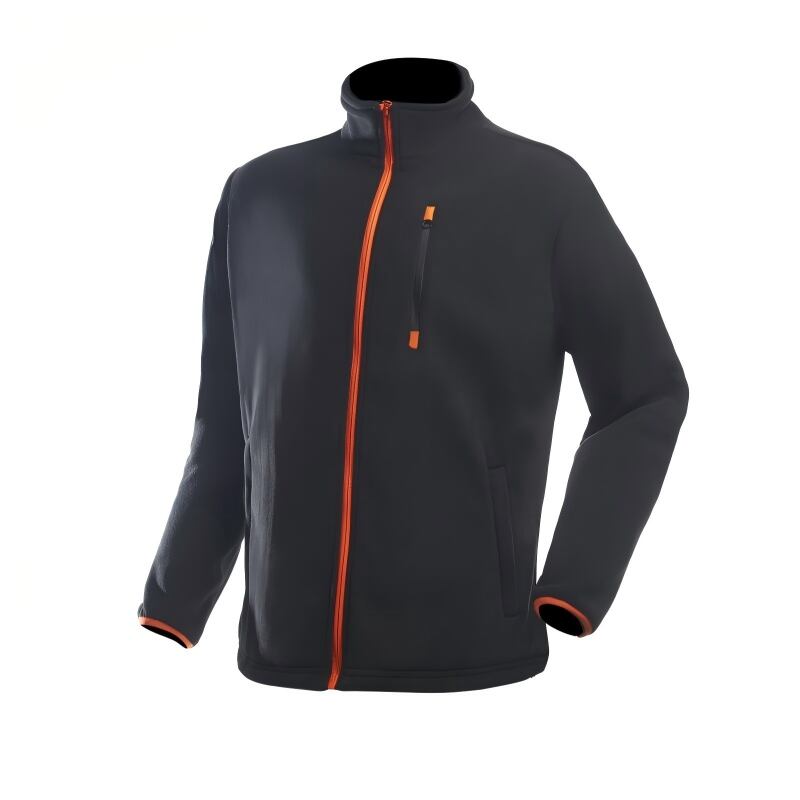
Choosing the right winter jacket can make the difference between staying comfortable in harsh weather conditions and experiencing an uncomfortable outdoor experience. A quality winter jacket serves as your primary defense against cold temperatures, wind, and moisture while maintaining breathability and freedom of movement. Understanding the essential features and materials that contribute to effective winter protection will help you make an informed decision when selecting your next cold-weather garment. The investment in a well-designed winter jacket pays dividends in comfort, durability, and performance across multiple seasons of use.
Essential Insulation Technologies for Cold Weather Protection
Down Insulation Advantages and Applications
Down insulation remains one of the most effective materials for trapping warm air and providing exceptional warmth-to-weight ratios in premium winter jackets. Natural down feathers create countless air pockets that retain body heat while maintaining remarkable compressibility for easy packing and storage. High-quality down insulation typically features fill power ratings between 600 and 900, with higher numbers indicating superior loft and insulating capacity. The natural properties of down make it ideal for dry, cold conditions where moisture exposure remains minimal.
However, down insulation requires careful consideration of weather conditions since wet down loses its insulating properties and takes considerable time to dry completely. Modern down treatments include water-resistant coatings that help maintain performance in light moisture conditions. When selecting a down-insulated winter jacket, examine the fill power rating, down-to-feather ratio, and any protective treatments applied to ensure optimal performance for your intended use cases.
Synthetic Insulation Benefits and Performance
Synthetic insulation materials offer reliable performance in wet conditions where down might fail, making them excellent choices for active outdoor pursuits and unpredictable weather environments. These man-made fibers maintain their insulating properties even when damp and dry much faster than natural down. Advanced synthetic materials like PrimaLoft and Thinsulate provide excellent warmth retention while offering superior moisture management capabilities.
The construction of synthetic insulation varies between continuous filament and short-staple fiber designs, each offering distinct advantages for different applications. Continuous filament synthetic insulation provides better durability and maintains loft longer, while short-staple designs offer superior drape and flexibility. A quality winter jacket with synthetic insulation typically costs less than comparable down options while providing consistent performance across various weather conditions.
Critical Shell Material Characteristics
Waterproof and Breathable Membrane Technologies
The outer shell material of your winter jacket determines its ability to protect against wind and precipitation while allowing internal moisture to escape. Advanced membrane technologies like Gore-Tex, eVent, and proprietary waterproof-breathable fabrics create microscopic pore structures that block liquid water while permitting water vapor passage. These membranes typically feature ratings measured in millimeters of water column pressure for waterproofing and grams per square meter per day for breathability.
Three-layer construction combines the membrane directly with face and liner fabrics for maximum durability and performance, while two-layer designs use a hanging liner for improved comfort and flexibility. Understanding these construction methods helps you select a winter jacket that balances protection, breathability, and durability according to your specific requirements. Premium shell materials also incorporate DWR treatments that cause water to bead and roll off the surface rather than soaking into the fabric.
Face Fabric Durability and Texture Considerations
The face fabric of your winter jacket encounters direct contact with environmental elements and potential abrasion sources, making material selection crucial for long-term performance. Nylon and polyester fabrics dominate the market, with ripstop weaves providing enhanced tear resistance through reinforcing threads woven at regular intervals. Denier ratings indicate fabric weight and thickness, with higher numbers typically offering greater durability at the expense of increased weight and bulk.
Fabric treatments beyond waterproofing include anti-microbial coatings that prevent odor development and UV protection for extended sun exposure. Some winter jacket designs incorporate stretch panels or articulated construction to improve mobility without compromising weather protection. The balance between durability, weight, and flexibility depends on your intended activities and environmental conditions.
Fit and Sizing Considerations for Optimal Performance
Layering System Integration
Proper winter jacket sizing must accommodate base layers and mid-layer insulation while maintaining freedom of movement and thermal efficiency. The layering system approach allows you to adjust insulation levels based on activity intensity and weather conditions by adding or removing intermediate layers. Your winter jacket should provide sufficient room for a base layer and fleece or down mid-layer without creating excessive bulk or restricting arm movement.
Sleeve length becomes particularly important when wearing gloves, as inadequate coverage can create cold spots at the wrist area. Many high-quality winter jackets include inner cuff systems or powder skirts that integrate with gloves and other layers to eliminate gaps in coverage. The torso length should provide adequate coverage when bending or reaching while avoiding excessive material that might interfere with harnesses or other equipment.
Mobility and Ergonomic Design Elements
Modern winter jacket design incorporates ergonomic principles that enhance natural body movement while maintaining thermal protection. Articulated sleeves follow natural arm positioning to reduce fabric stress and improve comfort during active use. Gusseted underarms and stretch panels in high-mobility areas prevent restriction while maintaining weather sealing integrity.
Adjustable features like hem drawcords, cuff closures, and hood systems allow you to customize the fit based on conditions and personal preferences. These adjustments help eliminate air gaps that can compromise thermal efficiency while providing the flexibility to accommodate different body proportions and gear configurations. Quality winter jacket construction includes reinforcement in high-stress areas to prevent premature wear and maintain long-term performance.
Feature Integration and Practical Considerations
Ventilation and Temperature Regulation Systems
Effective temperature regulation prevents overheating during high-output activities while maintaining warmth during rest periods. Pit zips represent the most common ventilation solution, providing large openings that can be quickly adjusted based on activity level and external conditions. Full-length side zips offer maximum ventilation capacity for extremely active pursuits or warm weather conditions.
Some winter jacket designs incorporate back ventilation panels or mesh-lined pockets that provide additional air circulation without requiring front-facing openings. The placement and size of ventilation features should align with your typical activity patterns and the likelihood of encountering varying temperature conditions. Quality ventilation zippers include storm flaps and water-resistant designs to maintain weather protection when closed.
Storage and Organization Features
Pocket configuration and accessibility significantly impact the practical utility of your winter jacket during outdoor activities. Internal pockets should accommodate electronic devices, maps, and essential items while maintaining easy access when wearing gloves. Chest pockets provide convenient storage for frequently accessed items, while hand pockets should include secure closures to prevent loss during active movement.
Specialized features like goggle wipes, media ports, and ski pass attachments cater to specific activities and enhance overall functionality. The winter jacket should integrate these features seamlessly without compromising weather protection or creating potential failure points. Consider your typical gear requirements and access patterns when evaluating pocket placement and closure systems.
Maintenance and Longevity Factors
Care Instructions and Performance Preservation
Proper maintenance significantly extends the lifespan and performance of your winter jacket while preserving its weather protection capabilities. Down-insulated garments require specialized cleaning processes that maintain loft and oil distribution, while synthetic insulation typically tolerates standard washing procedures more readily. Waterproof-breathable membranes benefit from periodic DWR treatment renewal to maintain water repellency and optimal breathability.
Storage considerations include avoiding compression for extended periods and ensuring complete dryness before long-term storage to prevent mold and mildew development. Regular inspection of zippers, seams, and high-wear areas allows early detection of potential issues before they compromise performance. Following manufacturer care instructions precisely helps maintain warranty coverage and ensures optimal long-term performance.
Investment Value and Cost Considerations
Quality winter jacket construction represents a significant investment that should provide years of reliable service across various conditions and activities. Premium materials, construction techniques, and feature integration justify higher initial costs through superior performance, durability, and comfort. Evaluating cost-per-wear over the expected lifespan provides a more accurate assessment of true value than initial purchase price alone.
Warranty coverage and manufacturer support indicate confidence in product quality and provide protection against manufacturing defects or premature failure. Some brands offer repair services that extend garment life and maintain performance standards. Consider the availability of replacement parts, repair services, and warranty terms when making your winter jacket selection to ensure long-term value and support.
FAQ
What temperature rating should I look for in a winter jacket
Temperature ratings for winter jackets vary significantly based on insulation type, construction, and intended use, with most quality jackets providing comfort in temperatures ranging from 20°F to -10°F when properly layered. However, temperature ratings should be considered as general guidelines rather than absolute specifications, as individual cold tolerance, activity level, and wind conditions significantly impact actual performance. Focus on insulation amount, shell protection, and your typical use conditions rather than relying solely on manufacturer temperature claims.
How do I determine the right size for layering
Proper sizing for layering involves trying on your winter jacket while wearing your typical base and mid-layer combinations to ensure adequate room without excess bulk. You should be able to move your arms freely in all directions and zip the jacket comfortably without restriction. The sleeves should extend to your wrist bone when your arms are at your sides, and the torso should provide coverage when bending or reaching without becoming excessively long.
Is down or synthetic insulation better for wet climates
Synthetic insulation performs better in wet climates because it maintains insulating properties when damp and dries much faster than down insulation. While modern down treatments improve water resistance, synthetic materials like PrimaLoft offer more reliable performance in consistently humid or wet conditions. However, down provides superior warmth-to-weight ratios in dry conditions, making the choice dependent on your specific climate and activity requirements.
How often should I reproof my winter jacket
DWR reproofing frequency depends on usage intensity and washing frequency, with most winter jackets benefiting from treatment renewal every 10-20 washes or when water no longer beads on the surface. Signs that reproofing is needed include water soaking into the fabric rather than rolling off and reduced breathability during active use. Use manufacturer-recommended treatments and follow application instructions carefully to restore optimal water repellency and breathable performance.