 EN
EN
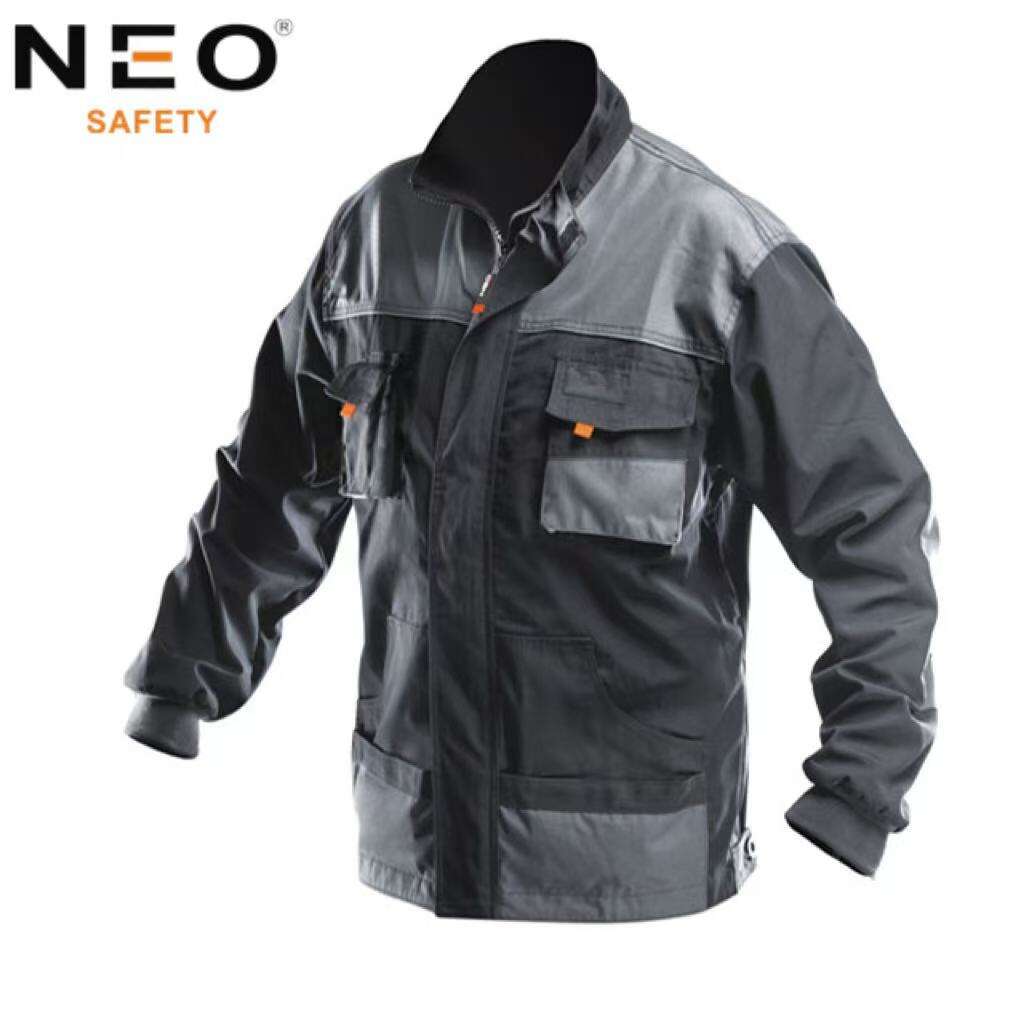
Work vests have become an essential component of professional workwear across numerous industries, providing both functional benefits and enhanced safety features. These versatile garments offer workers increased mobility while maintaining access to essential tools and equipment through strategically placed pockets and compartments. Modern work vests combine durability with comfort, ensuring that professionals can perform their duties effectively without compromising on protection or convenience.
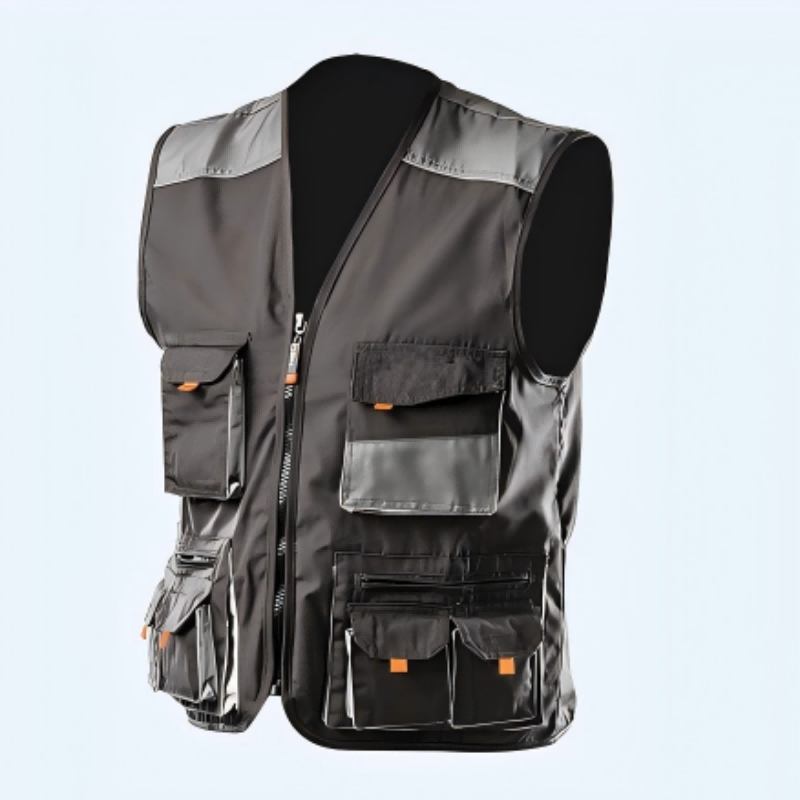
The evolution of work vests reflects changing workplace requirements and safety standards. Today's designs incorporate advanced materials and ergonomic features that address specific industry needs. From construction sites to maintenance facilities, these garments serve as practical solutions for carrying tools while maintaining freedom of movement. The strategic design elements found in contemporary work vests demonstrate a clear understanding of occupational demands and worker comfort requirements.
Essential Design Features of Modern Work Vests
Pocket Configuration and Tool Management
Effective pocket design represents the cornerstone of functional work vests, with manufacturers strategically positioning compartments to optimize tool accessibility and weight distribution. Professional-grade work vests typically feature multiple pocket sizes to accommodate various tools, from small fasteners to larger equipment. The placement of these pockets follows ergonomic principles, ensuring that frequently used items remain within easy reach without creating imbalance or restricting movement.
Advanced pocket configurations often include reinforced tool loops, pen holders, and specialized compartments for electronic devices. These features help workers maintain organization throughout their shifts while reducing the time spent searching for specific tools. Quality work vests incorporate durable zippers, snap closures, and reinforced stitching around high-stress areas to withstand the demands of industrial environments.
Material Selection and Durability Standards
The choice of materials directly impacts the longevity and performance of work vests in demanding environments. Canvas remains a popular option due to its exceptional durability and resistance to wear, making it ideal for mechanics, technicians, and maintenance workers. High-quality canvas work vests can withstand repeated washing cycles while maintaining their shape and protective properties.
Modern work vests often incorporate blended fabrics that combine natural fibers with synthetic materials to enhance performance characteristics. These combinations provide improved breathability, moisture management, and flexibility while maintaining the rugged durability required for professional applications. The treatment of these materials with stain-resistant and flame-retardant coatings further extends their utility in specialized work environments.
Functional Applications Across Industries
Construction and Building Trades
Construction professionals rely heavily on work vests to carry essential tools while maintaining mobility on job sites. These garments provide organized storage for measuring tools, fasteners, and safety equipment without the bulk associated with traditional tool belts. The elevated positioning of vest pockets reduces strain on the lower back and hips, contributing to improved worker comfort during extended periods of activity.
Safety considerations in construction environments often require work vests to incorporate high-visibility elements and reflective materials. These features enhance worker visibility in low-light conditions while maintaining the functional benefits of tool organization. The integration of safety features with practical design demonstrates the evolution of work vests beyond simple utility garments to comprehensive safety solutions.
Maintenance and Technical Services
Maintenance technicians and service professionals benefit from the organized approach that work vests provide for carrying diagnostic equipment, replacement parts, and specialized tools. The ability to access multiple tools simultaneously improves efficiency and reduces the risk of dropping or misplacing critical components during repairs. Work vests designed for technical applications often feature padded tool loops and shock-absorbing compartments to protect sensitive electronic equipment.
The professional appearance of well-designed work vests contributes to a positive company image when technicians interact with customers. Clean lines, quality construction, and appropriate branding help establish credibility while providing practical benefits. This dual function of work vests as both functional tools and professional presentation elements makes them valuable investments for service-oriented businesses.
Comfort and Ergonomic Considerations
Weight Distribution and Load Management
Proper weight distribution represents a critical factor in the design of effective work vests, as uneven loading can lead to fatigue and potential injury over extended wear periods. Well-engineered work vests distribute tool weight evenly across the shoulders and torso, reducing concentrated pressure points that could cause discomfort. The use of padded shoulder straps and adjustable closure systems helps customize the fit for individual body types and work requirements.
Load management features in premium work vests include reinforced stress points and flexible panels that accommodate natural body movement while supporting tool weight. These design elements prevent the vest from shifting during activity, maintaining consistent tool positioning and reducing the need for constant readjustment. The balance between carrying capacity and comfort requires careful consideration of both material properties and structural design.
Breathability and Temperature Regulation
Climate control features in work vests help maintain worker comfort across varying environmental conditions and activity levels. Mesh panels, ventilation openings, and moisture-wicking linings contribute to effective temperature regulation during physically demanding tasks. These features become particularly important in warm climates or enclosed work spaces where heat buildup could impact performance and safety.
The integration of breathable materials with durable construction requires sophisticated fabric engineering and design techniques. Work vests that successfully balance ventilation with protection offer significant advantages in terms of worker satisfaction and productivity. The ability to maintain comfort throughout extended work periods directly impacts the practical value of these garments in professional applications.
Selection Criteria for Professional Applications
Industry-Specific Requirements
Different industries impose unique requirements on work vests, from chemical resistance in laboratory settings to flame retardancy in welding applications. Understanding these specific needs helps ensure that selected work vests provide appropriate protection while delivering functional benefits. Compliance with industry safety standards and regulations often influences material choices and design features in professional-grade work vests.
The customization options available for work vests allow organizations to tailor these garments to their specific operational requirements. Features such as removable tool loops, modular pocket systems, and adjustable configurations enable adaptation to changing work demands. This flexibility extends the useful life of work vests while providing better value for organizational investments in worker equipment.
Quality Assessment and Durability Testing
Evaluating the quality of work vests requires attention to construction details, material specifications, and performance testing results. Reinforced seams, quality hardware, and appropriate material weights indicate superior construction that will withstand professional use. Testing protocols for work vests typically evaluate tear strength, colorfastness, and dimensional stability under various stress conditions.
Long-term durability assessments consider factors such as washing performance, UV resistance, and abrasion tolerance that affect the practical lifespan of work vests. Professional-grade garments should maintain their functional properties and appearance throughout numerous wear and cleaning cycles. The investment in quality work vests typically provides better long-term value through extended service life and consistent performance.
Maintenance and Care Protocols
Cleaning and Preservation Techniques
Proper maintenance of work vests ensures optimal performance and extends their useful life in professional applications. Regular cleaning removes accumulated dirt, oils, and contaminants that could compromise fabric integrity or create safety hazards. The cleaning protocols for work vests vary based on material composition and specific workplace exposures, requiring careful attention to manufacturer recommendations.
Stain treatment and spot cleaning techniques help address specific contamination issues without subjecting the entire garment to harsh cleaning processes. Pre-treatment of heavily soiled areas before washing helps preserve fabric appearance and prevents permanent staining. The use of appropriate detergents and cleaning temperatures ensures effective soil removal while protecting material properties and dimensional stability.
Storage and Inspection Practices
Systematic inspection of work vests helps identify potential issues before they compromise safety or functionality. Regular examination of seams, pockets, and closure systems reveals wear patterns and potential failure points that require attention. Early detection of problems allows for timely repairs or replacement, preventing equipment failures during critical work situations.
Proper storage techniques protect work vests from environmental damage and maintain their shape between uses. Hanging storage prevents creasing and allows air circulation, while clean, dry storage areas prevent mold and mildew development. The organization of storage systems helps track inventory and ensures that work vests receive appropriate rotation to equalize wear patterns across multiple garments.
FAQ
What materials provide the best durability for work vests in industrial environments
Canvas and heavy cotton blends offer excellent durability for most industrial applications, providing resistance to tears, abrasion, and general wear. Polyester-cotton blends combine durability with improved wrinkle resistance and faster drying times. For specialized environments, flame-resistant materials and chemical-resistant coatings may be necessary to meet safety requirements while maintaining durability standards.
How should work vests fit to ensure optimal comfort and functionality
Work vests should fit snugly without restricting arm movement or breathing, with adjustable side closures allowing customization for different body types and layering requirements. The shoulder seams should align with natural shoulder points, and the vest length should provide adequate coverage without interfering with belt-mounted equipment. Proper fit ensures even weight distribution and prevents the vest from shifting during activity.
What pocket configurations work best for different types of tools and equipment
Effective pocket configurations include multiple sizes to accommodate various tool types, with smaller pockets for fasteners and measuring tools positioned for easy access. Larger pockets should feature secure closures for valuable or dangerous items, while tool loops and clips provide secure retention for frequently used implements. The arrangement should balance accessibility with weight distribution across the garment.
How often should work vests be replaced in professional settings
Work vests typically require replacement when structural integrity becomes compromised, usually after 12-18 months of regular professional use depending on work environment severity. Signs indicating replacement needs include worn seams, damaged pockets, or compromised closure systems that could lead to tool loss or safety concerns. Regular inspection schedules help determine optimal replacement timing before functionality becomes compromised.