 EN
EN
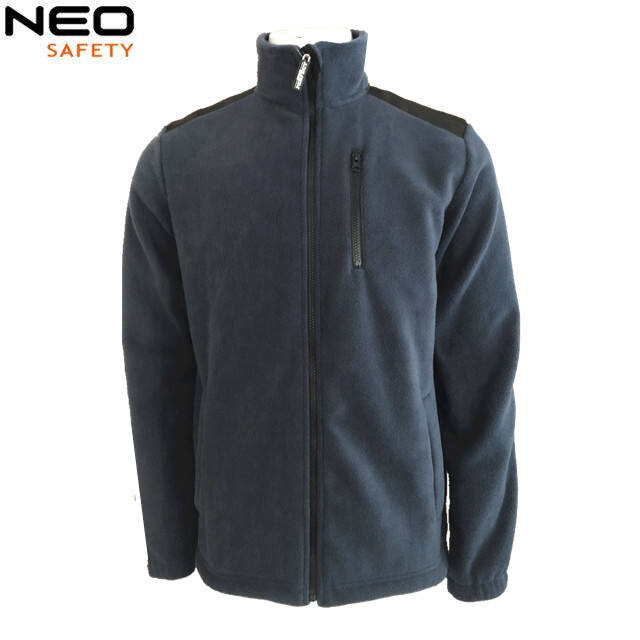
Professional work vests have become indispensable components of modern workplace attire, providing both functionality and protection across diverse industrial sectors. These versatile garments combine practical storage solutions with enhanced safety features, making them essential for technicians, mechanics, construction workers, and maintenance professionals. The evolution of work vests has transformed them from simple protective wear into sophisticated multi-functional tools that enhance productivity while ensuring worker safety and comfort throughout demanding workdays.
Essential Design Features of Professional Work Vests
Multi-Pocket Configuration Systems
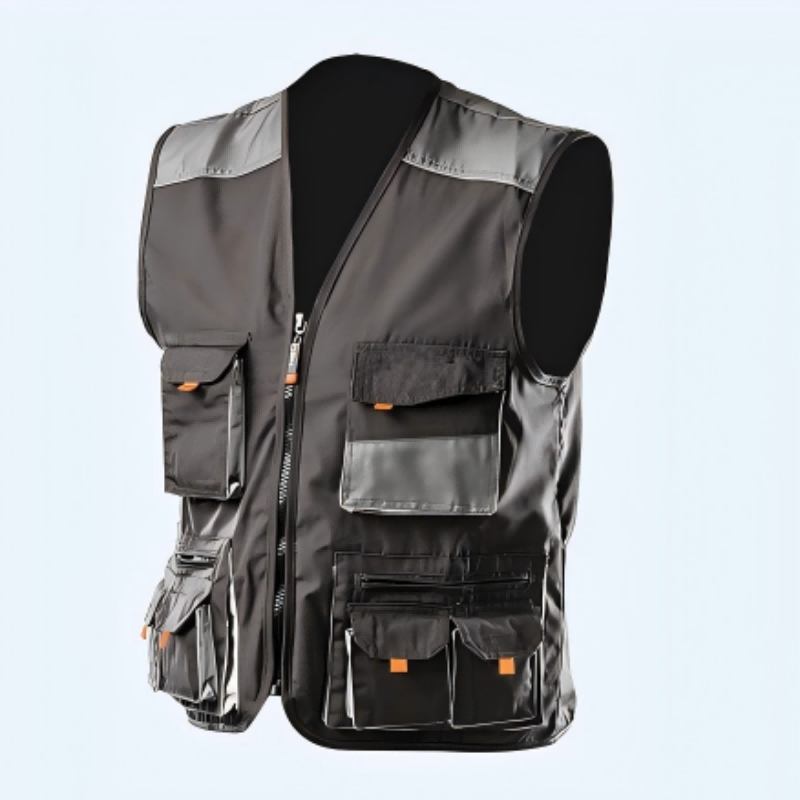
The most critical aspect of quality work vests lies in their strategic pocket placement and capacity design. Professional work vests incorporate multiple specialized compartments that accommodate various tools, devices, and personal items essential for daily operations. These configurations typically include chest pockets for small tools, side cargo pockets for larger equipment, and interior security pockets for valuable items. The thoughtful arrangement ensures quick access while maintaining balanced weight distribution across the torso.
Modern work vests feature reinforced pocket edges and heavy-duty zippers that withstand constant use and heavy loads. The sizing and depth of each compartment are carefully calculated to prevent tools from shifting during movement while allowing easy retrieval when needed. Many designs incorporate pen holders, phone slots, and dedicated spaces for measuring devices, creating organized storage solutions that enhance workplace efficiency and reduce time spent searching for equipment.
Durability and Construction Standards
Superior work vests demonstrate exceptional construction quality through reinforced stitching patterns and strategic stress point reinforcement. Double-needle stitching along critical seams ensures longevity under demanding conditions, while bartacked stress points prevent tearing at high-wear areas. The construction methodology directly impacts the vest's ability to maintain structural integrity when loaded with tools and subjected to repetitive movements throughout extended work periods.
Quality work vests incorporate premium hardware including industrial-grade zippers, heavy-duty snaps, and corrosion-resistant buckles. These components must withstand exposure to various environmental conditions including moisture, chemicals, and temperature fluctuations common in industrial settings. The hardware selection significantly influences the overall reliability and user satisfaction of professional work vests across different applications and working environments.
Fabric Selection and Material Technologies
Canvas and Cotton Blend Compositions
Canvas fabric represents the gold standard for heavy-duty work vests due to its exceptional durability and resistance to wear. High-quality canvas work vests utilize tightly woven cotton fibers that provide superior tear resistance while maintaining breathability essential for comfort during physical labor. The natural properties of canvas allow for excellent moisture absorption and release, helping regulate body temperature during demanding work conditions.
Cotton blend compositions in work vests offer enhanced flexibility while maintaining the durability characteristics of pure canvas materials. These blends often incorporate small percentages of synthetic fibers that improve stretch recovery and reduce wrinkle formation. The combination creates work vests that accommodate natural body movement while preserving their professional appearance throughout extended wear periods.
Synthetic Performance Materials
Advanced synthetic materials have revolutionized work vests by introducing features impossible with traditional fabrics alone. Polyester blends provide excellent color retention and stain resistance, crucial factors for maintaining professional appearance in demanding work environments. These materials often incorporate moisture-wicking technologies that actively transport perspiration away from the skin, enhancing comfort during physically intensive tasks.
Modern work vests utilizing synthetic materials frequently include specialized treatments for enhanced performance characteristics. Antimicrobial treatments prevent odor-causing bacteria growth, while water-resistant coatings protect against light moisture exposure. These technological enhancements extend the functional lifespan of work vests while reducing maintenance requirements and improving overall user satisfaction across various industrial applications.
Safety Integration and Visibility Enhancement
Reflective Elements and High-Visibility Features
Contemporary work vests increasingly incorporate safety-focused design elements that enhance worker visibility in low-light conditions. Strategically placed reflective strips follow industry standards for retroreflective positioning, ensuring maximum visibility from multiple angles. These safety features are particularly crucial for work vests used in transportation, construction, and emergency response applications where visibility directly impacts worker safety.
High-visibility work vests utilize fluorescent background colors combined with reflective materials to create comprehensive visibility solutions. The color selection follows established safety standards with fluorescent orange, yellow, and lime green providing optimal visibility across various lighting conditions. These specialized work vests meet or exceed regulatory requirements while maintaining the functional characteristics essential for professional applications.
Ergonomic Safety Considerations
Proper fit and ergonomic design in work vests contribute significantly to workplace safety by ensuring unrestricted movement and preventing fatigue-related accidents. Well-designed work vests distribute weight evenly across the shoulders and torso, reducing strain on specific muscle groups during extended wear periods. The cut and sizing accommodate various body types while maintaining full range of motion essential for safe task completion.
Safety-conscious work vests incorporate features that prevent snagging on equipment or machinery, including smooth exterior surfaces and carefully positioned hardware. The design eliminates loose elements that could catch on moving parts while ensuring all functional components remain easily accessible. These considerations make work vests safer for use around industrial equipment and in confined spaces where clothing contact with machinery poses risks.
Industry-Specific Applications and Requirements
Construction and Heavy Industry Applications
Construction environments demand work vests that withstand harsh conditions while providing extensive tool storage capabilities. These specialized garments must resist abrasion from rough materials, maintain structural integrity under heavy tool loads, and provide protection against minor impacts and debris. The demanding nature of construction work requires work vests with reinforced stress points and premium materials capable of extended service life.
Heavy industry applications for work vests often involve exposure to chemicals, oils, and extreme temperatures that standard garments cannot withstand. Specialized treatments and material selections ensure work vests maintain their protective and functional properties under these challenging conditions. The selection criteria for industrial work vests must consider specific hazards present in manufacturing, processing, and maintenance environments.
Automotive and Mechanical Services
Automotive technicians and mechanics require work vests designed for close-quarters work and frequent tool changes throughout service procedures. These work vests emphasize easy access pocket configurations and materials resistant to automotive fluids including oils, coolants, and cleaning solvents. The design must accommodate the specific tools and equipment commonly used in automotive service while providing protection against minor cuts and chemical exposure.
Mechanical service applications demand work vests with specialized pocket configurations for precision instruments and diagnostic equipment. The garments must provide secure storage for expensive electronic devices while ensuring easy access during troubleshooting procedures. Professional work vests for mechanical services often feature interior pockets with padding to protect sensitive equipment from impact and moisture exposure during field service calls.
Sizing and Fit Considerations
Professional Measurement Guidelines
Proper sizing represents a critical factor in work vests performance, directly affecting comfort, functionality, and professional appearance. Accurate chest measurements form the foundation of proper fit, with additional considerations for shoulder width and torso length ensuring optimal garment proportions. Professional work vests should provide adequate room for underlying clothing layers while maintaining a tailored appearance that reflects workplace professionalism.
The fit of work vests must accommodate the natural range of motion required for various job functions without creating excess material that could interfere with task performance. Proper armhole sizing prevents binding during overhead reaching, while appropriate body length ensures adequate coverage without interfering with belt-mounted equipment. These fitting considerations directly impact user satisfaction and garment longevity through reduced stress on seams and construction elements.
Layering and Seasonal Adaptability
Quality work vests accommodate seasonal clothing variations through thoughtful sizing that allows for underlying layer adjustments. Winter applications may require accommodation for thermal undergarments and insulating layers, while summer use emphasizes breathability and minimal bulk. The versatility of well-designed work vests enables year-round use with appropriate sizing considerations for changing weather conditions.
Adjustable features in work vests including side tabs, drawstrings, or elastic panels provide customization options that enhance fit across different wearing conditions. These adjustments allow users to fine-tune the garment fit based on task requirements and personal preference while maintaining the professional appearance essential in client-facing work environments. The adaptability ensures consistent comfort and functionality regardless of seasonal or situational variations.
Maintenance and Care Protocols
Cleaning and Stain Management
Proper maintenance extends the service life of work vests while preserving their professional appearance and functional characteristics. Different fabric compositions require specific care protocols to prevent damage from improper cleaning methods or harsh chemicals. Canvas work vests typically withstand machine washing with standard detergents, while synthetic materials may require specialized treatments to maintain their performance properties.
Stain treatment for work vests depends on the nature of the soiling and the fabric composition involved. Oil-based stains common in mechanical work require different treatment approaches than water-based stains encountered in construction applications. Prompt attention to stains prevents permanent discoloration and maintains the professional appearance essential for work vests used in customer-facing environments.
Storage and Preservation Methods
Proper storage practices protect work vests from damage during non-use periods while maintaining their shape and functionality. Hanging storage prevents creasing and allows air circulation that prevents moisture accumulation and odor development. The storage environment should provide protection from direct sunlight, extreme temperatures, and chemical exposure that could degrade fabric properties over time.
Seasonal storage of work vests requires additional considerations including thorough cleaning before storage and periodic inspection during extended storage periods. Proper folding techniques minimize wrinkle formation when hanging storage is unavailable, while protective covers shield garments from dust accumulation and pest damage. These practices ensure work vests maintain their appearance and functionality when returned to active service after storage periods.
FAQ
What makes canvas work vests superior to other fabric options
Canvas work vests offer exceptional durability due to their tightly woven cotton construction that resists tearing and abrasion better than lighter weight alternatives. The natural breathability of canvas provides comfort during physical labor while the material's ability to soften over time creates a personalized fit without compromising structural integrity. Canvas also accepts protective treatments and maintains color stability better than many synthetic alternatives, making it ideal for professional work environments.
How should work vests fit for optimal functionality and comfort
Properly fitted work vests should allow full range of motion without excess material that could catch on equipment or interfere with tasks. The shoulders should align naturally without pulling or bunching, while the chest measurement should accommodate underlying clothing layers with approximately two inches of ease. The vest length should provide adequate coverage without extending below the belt line where it might interfere with tool belts or equipment access.
Can work vests be customized for specific industry requirements
Many manufacturers offer customization options for work vests including specialized pocket configurations, material treatments, and safety feature integration. Custom embroidery or company logos can be added to enhance professional appearance while maintaining garment functionality. Specialized treatments such as flame resistance, chemical protection, or enhanced visibility elements can be incorporated during manufacturing to meet specific industry safety requirements and regulatory compliance needs.
What maintenance practices extend the life of professional work vests
Regular maintenance of work vests includes prompt stain treatment, appropriate washing methods based on fabric composition, and proper storage practices that prevent damage from environmental factors. Inspecting hardware components periodically ensures zippers and fasteners remain functional, while rotating between multiple vests reduces wear on individual garments. Following manufacturer care instructions and avoiding exposure to harsh chemicals or extreme temperatures significantly extends the service life of quality work vests.