 EN
EN
Selecting the perfect work vest requires careful consideration of functionality, durability, and professional appearance. A quality work vest serves as both protective gear and a practical storage solution for tools and equipment across various industries. From construction sites to automotive shops, the right work vest enhances productivity while maintaining a polished professional image that reflects expertise and attention to detail.
Essential Features for Professional Work Vests
Material Composition and Durability Standards
Canvas construction represents the gold standard for professional work vest manufacturing due to its exceptional resistance to wear and tear. Heavy-duty canvas materials withstand repeated washing cycles while maintaining structural integrity and appearance. The weave density directly impacts longevity, with tighter weaves providing superior protection against punctures and abrasions that commonly occur in demanding work environments.
Cotton-polyester blends offer enhanced breathability while retaining the durability characteristics essential for industrial applications. These hybrid materials regulate body temperature more effectively than pure synthetic alternatives, reducing fatigue during extended wear periods. Quality work vest manufacturers typically incorporate reinforced stitching at stress points to prevent premature failure under heavy use conditions.
Pocket Configuration and Storage Optimization
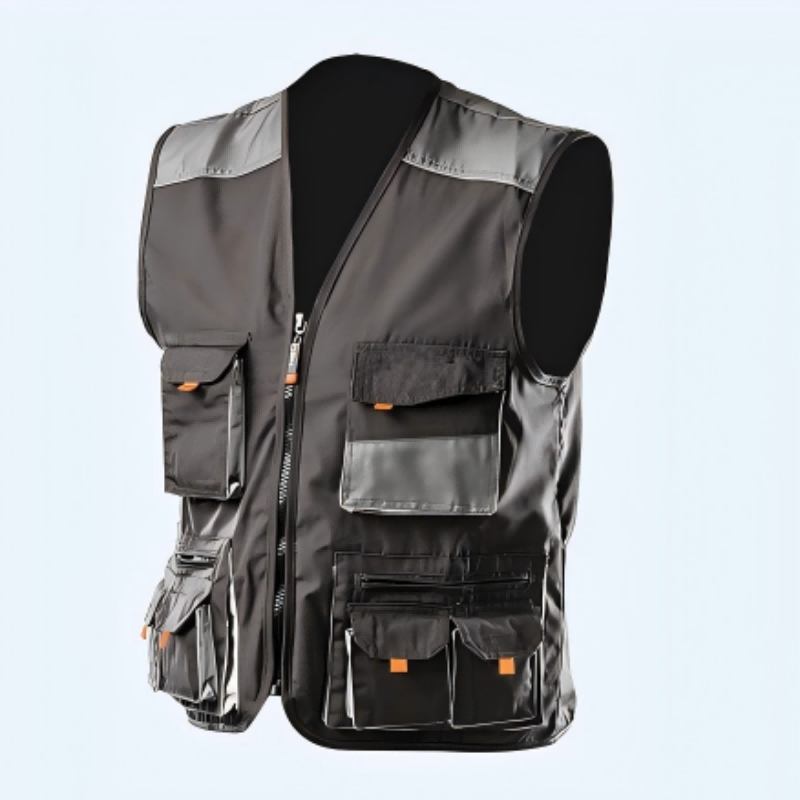
Strategic pocket placement maximizes accessibility while maintaining balanced weight distribution across the torso. Multi-pocket designs accommodate various tool sizes and shapes without creating bulk that restricts movement or comfort. Professional-grade work vest models feature specialized compartments for specific equipment types, including dedicated slots for measuring tools, writing instruments, and small hardware components.
Cargo-style pockets with secure closures prevent tool loss during dynamic work activities. Reinforced pocket edges resist stretching and tearing when loaded with heavy items, maintaining the work vest's professional appearance over time. Interior pockets provide secure storage for valuable items like identification cards, keys, and electronic devices that require protection from environmental hazards.
Industry-Specific Work Vest Applications
Construction and Building Trades
Construction professionals require work vest designs that accommodate power tools, measuring equipment, and safety accessories while providing unrestricted mobility. High-visibility options enhance safety compliance on job sites where equipment operators and vehicle traffic create potential hazards. Reflective striping and bright color schemes meet OSHA requirements for visibility standards in construction zones.
Reinforced shoulder areas support tool belt weight distribution, reducing strain on the lower back during extended work periods. Many construction-specific work vest models incorporate attachment points for safety lanyards and fall protection equipment. Weather-resistant treatments protect against moisture infiltration while maintaining breathability for comfort in various climate conditions.
Automotive and Mechanical Services
Automotive technicians benefit from work vest designs that resist oil stains and chemical exposure while providing easy access to diagnostic tools and equipment. Specialized pockets accommodate automotive-specific tools like OBD scanners, multimeters, and precision instruments that require protection from contamination. The work vest design must balance functionality with the ability to maintain a professional appearance when interacting with customers.
Grease-resistant coatings and stain-resistant treatments extend the functional lifespan of automotive work vest applications. Quick-drying materials facilitate frequent cleaning cycles necessary in automotive environments where cleanliness directly impacts professional credibility. Ergonomic design considerations ensure comfort during extended periods spent in confined spaces under vehicle hoods and chassis.
Sizing and Fit Considerations for Optimal Performance
Body Measurement Guidelines
Proper work vest sizing begins with accurate chest and waist measurements taken while wearing typical work clothing layers. Manufacturers typically provide sizing charts that account for the additional bulk of underlying garments and seasonal clothing variations. A well-fitted work vest allows full range of motion without binding or restricting arm movement during overhead activities.
Length considerations ensure adequate torso coverage while preventing interference with tool belts and lower body protective equipment. The hem should extend below the waist without creating excess material that could catch on equipment or create safety hazards. Adjustable features like side tabs or back panels accommodate weight fluctuations and layering requirements throughout different seasons.
Comfort and Mobility Features
Armhole design significantly impacts comfort and mobility during repetitive motions common in professional work environments. Properly positioned armholes prevent chafing and binding while accommodating the natural shoulder movement required for various work tasks. Breathable mesh panels enhance air circulation without compromising the work vest's protective qualities or professional appearance.
Lightweight construction reduces fatigue during extended wear periods while maintaining the structural integrity necessary for tool storage and equipment support. Strategic ventilation features promote air circulation around high-heat areas like the back and underarms. Quality work vest designs incorporate ergonomic principles that distribute weight evenly across the torso, minimizing pressure points that could cause discomfort during long work sessions.
Maintenance and Longevity Strategies
Cleaning and Care Protocols
Regular maintenance extends work vest lifespan while preserving professional appearance standards required in customer-facing environments. Pre-treating stains immediately prevents permanent discoloration that could compromise the garment's professional image. Machine washing in cold water with appropriate detergents maintains color fastness while preventing shrinkage that could affect fit and comfort.
Air drying preserves fabric integrity better than high-heat machine drying, which can weaken fibers and cause premature wear. Proper storage on hangers maintains shape and prevents creasing that could create unprofessional appearance issues. Regular inspection for loose threads, damaged pockets, and worn areas enables proactive repairs before minor issues become major problems.
Replacement and Upgrade Timing
Professional work vest replacement should occur when visible wear begins to impact appearance or when functional components like pockets or closures show signs of failure. Fading, permanent staining, or fabric thinning indicates the need for replacement to maintain professional standards. Regular rotation between multiple work vest units extends individual garment lifespan while ensuring consistent professional appearance.
Seasonal evaluation helps identify wear patterns and determine optimal replacement timing before critical failure occurs. Investing in quality work vest options with superior construction reduces long-term replacement costs while providing consistent performance and appearance. Tracking wear patterns helps inform future purchasing decisions and sizing adjustments based on actual use experience.
Style Integration with Professional Uniforms
Color Coordination and Branding
Work vest color selection should complement existing uniform components while maintaining visibility and safety requirements. Neutral colors like navy, charcoal, and khaki provide versatile options that coordinate with various shirt and pant combinations. Custom embroidery or logo placement enhances brand recognition while maintaining the professional appearance essential for customer interactions.
Consistent color schemes across all uniform components create a cohesive professional image that reflects organizational standards and attention to detail. Quality work vest manufacturers offer customization options that allow companies to incorporate specific color schemes and branding elements. Professional appearance standards often require uniform components to maintain consistent quality and appearance levels throughout the workday.
Seasonal Adaptability
Layering capabilities enable work vest use across various seasonal conditions without compromising functionality or professional appearance. Lightweight construction allows comfortable wear over t-shirts during warmer months while accommodating heavier base layers during colder periods. Versatile design features ensure the work vest remains functional and professional regardless of underlying garment variations.
Climate-appropriate fabric choices enhance comfort while maintaining durability standards required for professional applications. Moisture-wicking properties become particularly important during summer months when extended outdoor work creates additional comfort challenges. Quality work vest designs incorporate seasonal considerations while maintaining year-round functionality and professional appearance standards.
FAQ
What materials provide the best durability for professional work vests
Canvas construction offers superior durability compared to lighter weight alternatives, with heavy-duty cotton canvas providing excellent resistance to tears, punctures, and abrasions. Cotton-polyester blends combine durability with improved breathability and moisture management. Quality work vest manufacturers use reinforced stitching and stress-point reinforcement to enhance longevity under demanding use conditions.
How should a work vest fit for optimal comfort and functionality
A properly fitted work vest should allow full range of arm movement without binding or restriction while providing adequate torso coverage. The garment should accommodate typical work clothing layers without creating excess bulk that could interfere with tool use or safety equipment. Adjustable features help customize fit for individual body types and seasonal layering requirements.
What pocket configurations work best for different trades
Construction professionals benefit from larger cargo pockets that accommodate power tools and measuring equipment, while automotive technicians require specialized compartments for diagnostic tools and precision instruments. Multi-pocket designs with varied sizes provide versatility for different tool types. Interior pockets offer secure storage for valuable items that require protection from work environment hazards.
How often should professional work vests be replaced
Work vest replacement timing depends on usage intensity and care practices, but visible wear, permanent staining, or functional component failure indicates replacement need. Regular inspection helps identify minor issues before they become major problems. Quality construction and proper maintenance can extend work vest lifespan significantly, making initial investment in higher-quality options cost-effective long-term.