 EN
EN
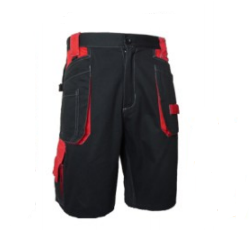
In today's competitive business landscape, organizations across various industries are increasingly recognizing the strategic importance of work trousers bulk purchasing for their workforce. This approach to procurement offers substantial advantages that extend far beyond simple cost savings, encompassing quality assurance, supply chain efficiency, and long-term operational benefits. Companies that implement bulk purchasing strategies for their workwear needs often discover significant improvements in both their bottom line and employee satisfaction levels.
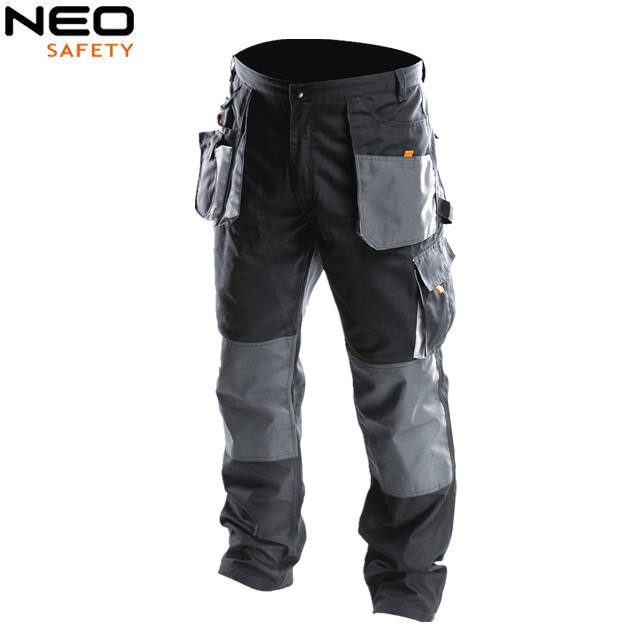
Economic Benefits of Bulk Work Trousers Procurement
Volume Discounting Structures
Suppliers typically offer tiered pricing models that reward larger order quantities with progressively lower per-unit costs. These volume discounts can range from modest reductions of 10-15% for medium-sized orders to substantial savings of 30-40% or more for enterprise-level purchases. The mathematical advantage becomes particularly pronounced when organizations calculate their annual workwear requirements and consolidate multiple smaller orders into strategic bulk purchases throughout the year.
Manufacturing economics play a crucial role in enabling these discounts, as suppliers can achieve better material utilization rates, reduce setup costs per unit, and optimize their production scheduling. When factories can dedicate entire production runs to single large orders, they eliminate the inefficiencies associated with frequent changeovers and small batch processing, savings that are typically passed along to bulk purchasers.
Reduced Administrative Overhead
Procurement departments experience significant time and resource savings when implementing bulk purchasing strategies for work trousers. Instead of processing multiple small orders throughout the year, each requiring separate vendor communications, purchase orders, approvals, and receipt processing, organizations can streamline these activities into fewer, larger transactions. This consolidation reduces administrative burden and frees up procurement staff to focus on more strategic initiatives.
The simplified invoice processing and payment procedures associated with bulk orders also contribute to improved cash flow management and reduced accounting overhead. Companies often find that their accounts payable teams can process bulk orders more efficiently, leading to better vendor relationships through timely payments and reduced administrative friction.
Supply Chain Optimization and Reliability
Inventory Management Advantages
Effective work trousers bulk purchasing enables organizations to maintain optimal inventory levels while minimizing storage costs and stockout risks. By establishing predictable ordering patterns and maintaining adequate safety stock, companies can ensure consistent availability of appropriate workwear for their employees without the premium costs associated with rush orders or emergency purchases.
Strategic inventory planning also allows organizations to take advantage of seasonal pricing variations and supplier promotions. Companies can purchase during off-peak periods when suppliers offer additional incentives to maintain production capacity, then store inventory until needed during peak demand seasons.
Enhanced Quality Control
Bulk orders provide opportunities for more rigorous quality control processes that benefit both suppliers and purchasers. Suppliers can implement comprehensive quality assurance protocols for large orders, including detailed pre-production samples, in-process inspections, and final quality audits before shipment. This systematic approach to quality control is often economically unfeasible for smaller orders but becomes cost-effective when spread across large quantities.
The ability to establish long-term relationships with reliable suppliers through consistent bulk purchasing also facilitates ongoing quality improvements. Suppliers become more invested in maintaining high standards when they have predictable, substantial revenue streams from bulk purchasers, leading to continuous refinements in manufacturing processes and materials selection.
Customization and Brand Consistency Benefits
Tailored Specifications
Large-volume orders often justify the investment in custom specifications that perfectly match organizational needs and brand requirements. Suppliers are typically more willing to accommodate specific color requirements, logo placement, fabric specifications, and design modifications when the order quantity supports the additional setup and tooling costs involved in customization.
This customization capability extends to functional requirements as well, allowing organizations to specify particular pocket configurations, reinforcement patterns, sizing distributions, and performance characteristics that align with their specific work environments and employee needs. The result is workwear that provides optimal functionality while maintaining consistent brand presentation across the organization.
Standardization Across Locations
Multi-location organizations benefit significantly from the standardization opportunities that bulk purchasing provides. By consolidating workwear requirements across all facilities into single large orders, companies can ensure consistent appearance, quality, and functionality regardless of geographic location. This standardization contributes to stronger brand identity and employee satisfaction while simplifying inventory management across the organization.
Standardized procurement also facilitates better employee mobility between locations, as workers can be confident that their workwear will be consistent regardless of which facility they are assigned to. This consistency contributes to operational efficiency and employee morale, particularly in organizations with high inter-location transfer rates.
Strategic Supplier Relationships and Partnership Development
Preferred Customer Status
Organizations that commit to substantial bulk purchases often achieve preferred customer status with their suppliers, unlocking additional benefits beyond standard volume discounts. Preferred customers typically receive priority production scheduling, ensuring faster turnaround times even during peak demand periods. They also gain access to new product launches and innovative materials before these become available to smaller customers.
This elevated relationship status often includes enhanced customer service support, with dedicated account management and technical assistance. Suppliers invest more resources in understanding and meeting the specific needs of their largest customers, leading to more responsive service and proactive problem resolution.
Long-term Contract Benefits
Bulk purchasing strategies often evolve into long-term supply contracts that provide mutual benefits for both parties. Organizations can secure price stability and guaranteed availability, while suppliers gain predictable revenue streams that enable better business planning and capacity investments. These partnerships often include performance guarantees and service level agreements that ensure consistent quality and delivery performance.
Contract arrangements may also include value-added services such as inventory management, drop-shipping to multiple locations, and customized reporting on usage patterns and cost trends. These services would typically be prohibitively expensive for smaller customers but become cost-effective when included in substantial long-term agreements.
Sustainability and Corporate Responsibility Considerations
Environmental Impact Reduction
Bulk purchasing strategies contribute to improved environmental sustainability through several mechanisms. Consolidated shipping reduces packaging waste and transportation emissions, as larger shipments are inherently more efficient than multiple smaller deliveries. The reduced frequency of deliveries also minimizes the carbon footprint associated with transportation and logistics activities.
Large-volume orders often justify investment in more sustainable manufacturing processes and materials. Suppliers can implement eco-friendly production methods and source sustainable materials when the order quantities support the additional costs and complexity involved in these improvements. This alignment with corporate sustainability goals enhances brand reputation and supports broader environmental responsibility initiatives.
Ethical Sourcing Opportunities
Bulk purchasing power provides organizations with greater leverage to ensure ethical sourcing practices throughout their supply chain. Large customers can require suppliers to demonstrate compliance with labor standards, environmental regulations, and social responsibility practices. The substantial revenue associated with bulk orders gives organizations the influence necessary to drive meaningful improvements in supplier practices.
This enhanced oversight capability extends to supply chain transparency, as bulk purchasers often have the resources and leverage necessary to conduct comprehensive audits of manufacturing facilities and sourcing practices. The result is greater confidence in the ethical standards maintained throughout the production process.
FAQ
What minimum order quantities typically qualify for bulk purchasing discounts on work trousers
Most suppliers begin offering volume discounts at order quantities between 100-500 pieces, though the most significant savings typically begin at 1000+ pieces. The exact thresholds vary by supplier and product category, with some specialized manufacturers offering bulk pricing starting at lower quantities for established customers. Organizations should request detailed pricing tiers from multiple suppliers to identify the optimal order quantities for their specific needs.
How should organizations manage inventory storage for bulk work trousers purchases
Successful bulk purchasing requires careful inventory planning that balances storage costs against volume discounts. Organizations should calculate total carrying costs including storage space, insurance, and potential obsolescence risks when determining optimal order quantities. Many companies establish centralized distribution centers or partner with third-party logistics providers to manage bulk inventory efficiently while maintaining responsive distribution to multiple locations.
What quality control measures should be implemented for large work trousers orders
Comprehensive quality control for bulk orders should include pre-production sample approval, in-process inspections during manufacturing, and final inspection before shipment. Organizations should establish clear quality specifications and acceptance criteria, including tolerances for sizing, construction quality, and material standards. Many buyers also require suppliers to maintain quality certifications and provide detailed testing reports for materials and finished products.
How can organizations evaluate supplier reliability for bulk work trousers purchasing
Supplier evaluation should encompass production capacity, quality management systems, financial stability, and track record with similar customers. Organizations should request references from other bulk purchasers and conduct facility audits when possible. Key evaluation criteria include on-time delivery performance, quality consistency, responsiveness to issues, and ability to scale production to meet varying demand levels while maintaining quality standards.
Table of Contents
- Economic Benefits of Bulk Work Trousers Procurement
- Supply Chain Optimization and Reliability
- Customization and Brand Consistency Benefits
- Strategic Supplier Relationships and Partnership Development
- Sustainability and Corporate Responsibility Considerations
-
FAQ
- What minimum order quantities typically qualify for bulk purchasing discounts on work trousers
- How should organizations manage inventory storage for bulk work trousers purchases
- What quality control measures should be implemented for large work trousers orders
- How can organizations evaluate supplier reliability for bulk work trousers purchasing