 EN
EN

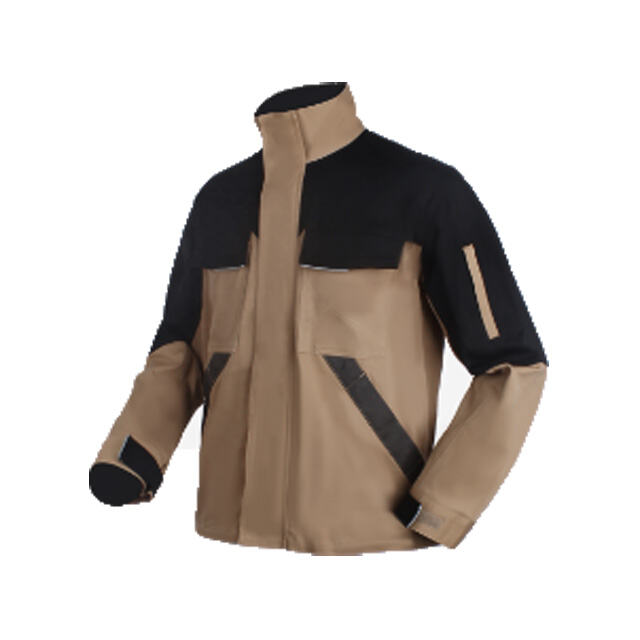
The demand for high-performance outdoor apparel continues to grow as consumers seek versatile garments that deliver warmth, comfort, and durability across diverse environments. Among the most popular choices for both recreational and professional use, the polar fleece jacket stands out as an essential layering piece that combines lightweight construction with exceptional thermal properties. Modern manufacturing techniques have elevated these garments from basic outdoor gear to sophisticated apparel solutions that meet the demanding requirements of various industries and activities.
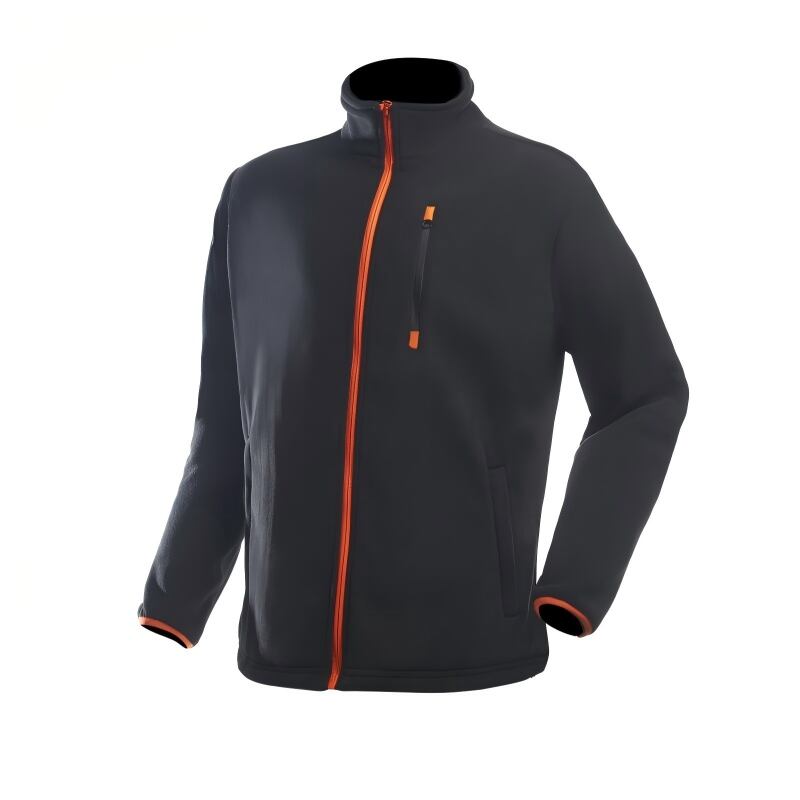
Understanding the technical specifications and design considerations that separate premium polar fleece jacket options from basic alternatives enables buyers to make informed decisions based on their specific application requirements. The evolution of synthetic fleece materials has introduced numerous performance enhancements, including improved moisture management, enhanced durability, and specialized treatments that extend garment lifespan. These advances have positioned quality fleece jackets as cost-effective solutions for organizations seeking reliable protective apparel for their workforce or product lines.
Advanced Material Technologies in Modern Fleece Construction
Synthetic Fiber Engineering and Performance Characteristics
Contemporary polar fleece jacket manufacturing utilizes advanced synthetic fiber technologies that significantly outperform traditional materials in key performance metrics. High-grade polyester fleece incorporates microfiber construction techniques that create increased surface area for superior thermal retention while maintaining breathability essential for active use scenarios. The fiber diameter and density variations achieved through modern spinning processes enable manufacturers to customize thermal properties for specific climate conditions and activity levels.
Premium fleece materials feature anti-pilling treatments that preserve surface texture and appearance through repeated washing cycles, addressing one of the primary durability concerns associated with lower-quality alternatives. These chemical treatments bond with individual fibers to prevent the formation of unsightly pill balls that can compromise both aesthetics and thermal performance over time. Additionally, moisture-wicking properties integrated into the fiber structure facilitate rapid evaporation of perspiration, maintaining comfort during high-exertion activities.
Weight Classifications and Thermal Efficiency Ratings
The polar fleece jacket category encompasses multiple weight classifications, each engineered for specific temperature ranges and layering applications. Lightweight options typically range from 100 to 200 grams per square meter, providing excellent packability for travel applications while delivering adequate warmth for mild conditions. Mid-weight alternatives in the 200 to 300 gram range offer optimal balance between thermal protection and mobility, making them ideal for general outdoor activities and workplace environments.
Heavy-weight polar fleece jacket variants exceeding 300 grams per square meter provide maximum thermal protection for extreme conditions or stationary activities where mobility requirements are secondary to warmth retention. Understanding these classifications enables buyers to select appropriate options based on intended use parameters, ensuring optimal performance without unnecessary bulk or inadequate protection. Temperature ratings and CLO values provide additional guidance for matching garment specifications to environmental conditions.
Design Elements That Enhance Functionality and User Experience
Zipper Systems and Closure Mechanisms
Professional-grade polar fleece jacket designs incorporate high-quality zipper systems that withstand frequent operation while maintaining smooth functionality in challenging conditions. YKK zippers and equivalent premium hardware provide reliable performance across temperature extremes, featuring self-lubricating mechanisms that prevent binding from moisture or debris accumulation. Full-zip configurations offer maximum ventilation control, while half-zip options provide targeted airflow adjustment without compromising thermal integrity.
Storm flaps and zipper guards protect the closure mechanism from external elements while preventing cold transfer through the zipper tape, maintaining consistent thermal performance across the entire garment surface. These design elements are particularly crucial in industrial applications where exposure to harsh conditions is routine. Internal zipper garages at the neck area prevent skin contact with cold metal hardware, enhancing comfort during extended wear periods.
Pocket Configurations and Storage Solutions
Strategic pocket placement and design optimization significantly impact the practical utility of any polar fleece jacket in real-world applications. External hand pockets with reinforced openings provide secure storage for essential items while maintaining easy access during gloved operation. Chest pockets positioned for tool accessibility enable workers to carry small instruments or communication devices without interference from safety equipment or mobility restrictions.
Internal security pockets offer protection for valuable items such as identification cards, keys, or electronic devices, featuring closure systems that prevent accidental loss during active movement. Mesh-lined pockets facilitate drainage in wet conditions while maintaining storage capacity, addressing specific needs in marine or high-moisture environments. The integration of these storage solutions requires careful consideration of weight distribution and garment balance to ensure comfortable wear throughout extended use periods.
Customization Options for Brand Identity and Organizational Requirements
Embroidery and Logo Application Techniques
Professional polar fleece jacket customization services enable organizations to incorporate brand identity elements while maintaining garment performance characteristics. Computer-controlled embroidery systems produce high-definition logo reproduction with thread selections that complement fleece fabric properties and color schemes. Proper placement consideration ensures visibility without interfering with functional elements such as zippers or pocket access, maintaining both aesthetic appeal and practical utility.
Thread density and stitch patterns require optimization for fleece substrate characteristics to prevent puckering or distortion during the application process. Premium embroidery threads feature colorfast properties that resist fading through commercial washing cycles, preserving brand presentation throughout the garment's service life. Size limitations and complexity restrictions must be evaluated during design development to ensure successful reproduction on curved surfaces and varying fabric weights.
Color Matching and Fabric Combinations
Comprehensive color matching capabilities enable buyers to align polar fleece jacket selections with existing uniform programs or corporate color standards. Pantone reference systems provide accurate color communication between design teams and manufacturing facilities, ensuring consistent results across production runs and future reorders. Fabric dye lot management becomes critical for large quantity orders where color consistency across individual units impacts professional appearance standards.
Contrast paneling and accent color integration offer additional customization possibilities for organizations seeking distinctive appearance characteristics. These design elements can highlight functional features such as reflective striping for safety applications or create visual interest through strategic color blocking. Material compatibility testing ensures that different fabric components maintain similar care requirements and performance characteristics throughout the garment's operational life.
Performance Considerations for Specific Industry Applications
Outdoor Recreation and Adventure Sports
The outdoor recreation market demands polar fleece jacket performance characteristics that address diverse environmental challenges and activity-specific requirements. Climbing and mountaineering applications require lightweight construction with compressed packability, enabling users to carry essential layering options without excessive weight penalties. Enhanced durability features such as reinforced shoulder areas and abrasion-resistant panels protect against equipment wear and rough surface contact during technical activities.
Water sports applications necessitate quick-drying properties and salt-water resistance to maintain performance in marine environments. Specialized treatments prevent fabric degradation from prolonged UV exposure, extending service life in high-altitude or open-water conditions where reflection intensifies solar radiation. Articulated sleeve construction and gusseted underarms accommodate the range of motion required for paddle sports and sailing activities without restricting circulation or creating pressure points.
Corporate and Uniform Applications
Corporate uniform programs utilizing polar fleece jacket components must balance professional appearance requirements with practical performance needs across diverse workplace environments. Office settings prioritize refined aesthetics and comfort during temperature-controlled indoor conditions, while field service applications demand durability and weather protection capabilities. Fabric selection and construction techniques must accommodate frequent laundering while maintaining color integrity and dimensional stability.
Safety compliance considerations may require integration of high-visibility elements or flame-resistant treatments depending on industry regulations and workplace hazards. These specialized features must be seamlessly incorporated into the basic fleece construction without compromising comfort or mobility. Regular testing and certification maintenance ensure ongoing compliance with evolving safety standards and regulatory requirements across different jurisdictions.
Care Instructions and Maintenance Best Practices
Washing and Drying Protocols
Proper care procedures significantly extend the service life and performance characteristics of quality polar fleece jacket investments. Machine washing in cool water with mild detergents preserves fiber integrity while removing accumulated oils and debris that can compromise thermal properties. Fabric softeners should be avoided as they coat individual fibers and reduce the loft necessary for effective insulation performance.
Tumble drying on low heat settings prevents excessive shrinkage while restoring fiber loft that may compress during washing cycles. Air drying remains the preferred method for maximum longevity, particularly for garments with specialized treatments or coatings. Proper storage techniques include hanging or flat folding to prevent permanent creasing that can affect appearance and thermal efficiency.
Repair and Restoration Techniques
Minor damage to polar fleece jacket surfaces can often be addressed through simple repair techniques that restore both appearance and functionality. Small snags or tears respond well to fabric adhesive patches applied to the reverse side, providing invisible repairs that maintain weather resistance. Zipper maintenance including lubrication and alignment adjustments prevents premature failure and maintains smooth operation throughout the garment's service life.
Professional restoration services can address more significant damage such as large tears or worn areas through patch applications and fabric replacement techniques. These services become cost-effective for high-quality garments or uniform programs where replacement costs exceed repair expenses. Regular inspection and preventive maintenance identify potential issues before they compromise garment performance or safety compliance.
FAQ
What makes a high-quality polar fleece jacket different from budget alternatives
Premium polar fleece jacket construction utilizes advanced synthetic fibers with anti-pilling treatments, superior moisture management properties, and reinforced stress points that significantly outperform basic alternatives. Higher fiber density and specialized weaving techniques create better thermal retention while maintaining breathability. Quality hardware including YKK zippers and reinforced stitching ensure reliable performance through extended use cycles, making premium options more cost-effective over time despite higher initial investment costs.
How should I determine the appropriate weight classification for my intended use
Polar fleece jacket weight selection depends primarily on intended temperature range and activity level requirements. Lightweight options work best for mild conditions or high-activity applications where moisture management is prioritized over maximum warmth. Mid-weight alternatives provide optimal versatility for general outdoor use and variable conditions. Heavy-weight options suit extreme cold environments or low-activity situations where maximum thermal protection is essential, though they sacrifice packability and breathability.
Can polar fleece jackets be effectively integrated into layering systems
Modern polar fleece jacket designs excel as mid-layer components in comprehensive layering systems, providing thermal insulation while allowing moisture transfer to outer shell layers. The synthetic fiber construction maintains insulating properties even when damp, unlike natural alternatives that lose effectiveness when wet. Proper sizing ensures comfortable fit over base layers while allowing room for unrestricted movement during active pursuits.
What customization options maintain garment performance while adding brand identity
Professional embroidery and screen printing techniques can incorporate logos and branding elements without compromising polar fleece jacket performance characteristics. Proper thread selection and placement considerations ensure decoration durability through commercial washing cycles. Heat transfer applications offer additional customization possibilities for complex designs, though material compatibility testing ensures long-term adhesion and flexibility. Contrast paneling and color blocking provide distinctive appearance options while maintaining fabric performance consistency across all garment areas.
Table of Contents
- Advanced Material Technologies in Modern Fleece Construction
- Design Elements That Enhance Functionality and User Experience
- Customization Options for Brand Identity and Organizational Requirements
- Performance Considerations for Specific Industry Applications
- Care Instructions and Maintenance Best Practices
-
FAQ
- What makes a high-quality polar fleece jacket different from budget alternatives
- How should I determine the appropriate weight classification for my intended use
- Can polar fleece jackets be effectively integrated into layering systems
- What customization options maintain garment performance while adding brand identity