 EN
EN
Modern workwear demands have evolved significantly, with professionals across various industries seeking garments that combine durability, comfort, and flexibility. The development of advanced stretch pants represents a pivotal innovation in functional clothing, addressing the need for mobility without sacrificing professional appearance or structural integrity. These garments incorporate cutting-edge fabric technologies that enhance performance while maintaining the aesthetic standards required in today's workplace environments.
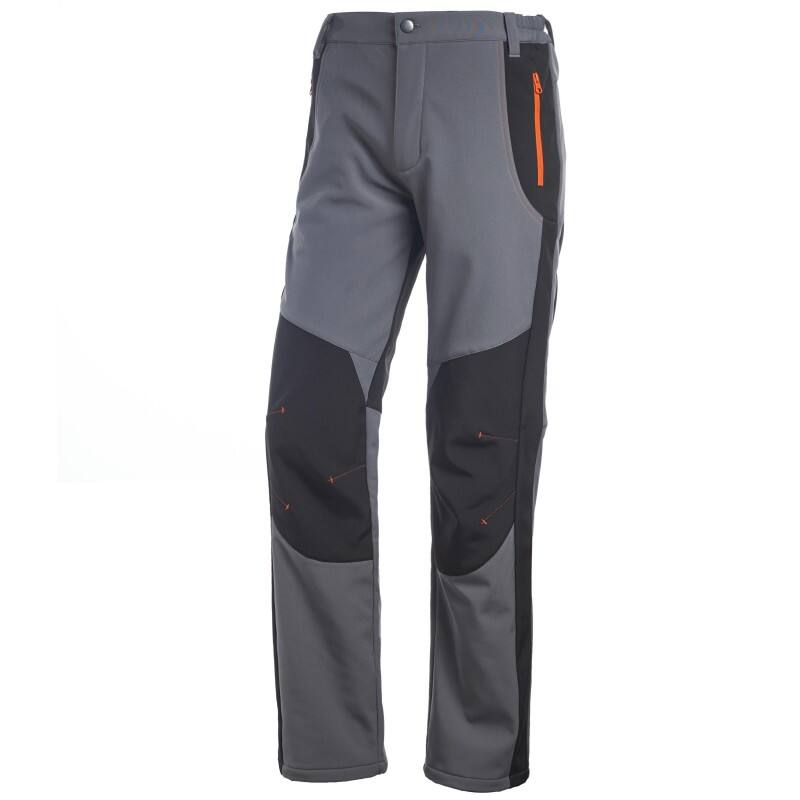
The textile industry has witnessed remarkable advancements in fabric engineering, particularly in developing materials that offer superior stretch capabilities while maintaining durability. Contemporary stretch pants utilize sophisticated fiber compositions that blend synthetic and natural materials, creating garments that adapt to body movement while providing long-lasting wear resistance. These innovations have revolutionized how professionals approach their daily work attire, enabling greater comfort and productivity throughout demanding workdays.
Advanced Fiber Technologies in Modern Stretch Pants
Four-Way Stretch Technology Integration
The incorporation of four-way stretch technology represents one of the most significant breakthroughs in stretch pants manufacturing. This innovation allows fabric to expand and contract in both horizontal and vertical directions, providing unprecedented flexibility for users engaged in physically demanding activities. The technology utilizes specialized elastane fibers interwoven with high-performance synthetic materials, creating a fabric matrix that maintains its shape while accommodating natural body movements.
Manufacturing processes for four-way stretch fabrics involve precise tension control during weaving, ensuring optimal elasticity distribution throughout the material. The result is stretch pants that offer consistent flexibility across all stress points, from knee bends to hip flexion. This comprehensive stretch capability significantly reduces fabric fatigue and extends garment lifespan, making these pants particularly valuable for professionals who require reliable workwear performance.
Quality four-way stretch pants demonstrate remarkable recovery properties, returning to their original dimensions after stretching. This characteristic prevents the baggy appearance that often develops in conventional workwear after extended use. The technology also contributes to improved fit retention, ensuring that stretch pants maintain their professional appearance throughout the workday while providing the comfort necessary for optimal job performance.
Moisture Management and Breathability Enhancement
Contemporary stretch pants incorporate advanced moisture management systems that address one of the primary concerns in active workwear applications. These systems utilize specialized fiber structures and chemical treatments that facilitate rapid moisture transfer from the skin to the fabric surface, where it can evaporate quickly. The integration of these technologies ensures that stretch pants remain comfortable during extended wear periods, even in challenging environmental conditions.
Breathability enhancement in modern stretch pants involves sophisticated fabric construction techniques that create microscopic air channels throughout the material. These channels promote air circulation while maintaining the structural integrity necessary for professional applications. The result is workwear that provides thermal regulation without compromising durability or appearance, addressing the dual demands of comfort and functionality that characterize modern workplace requirements.
Advanced moisture management technologies also contribute to odor control in stretch pants, utilizing antimicrobial treatments that prevent bacterial growth. This feature extends the practical wearing time between laundering cycles, providing economic benefits while maintaining hygiene standards. The combination of moisture management and antimicrobial properties makes these garments particularly suitable for professionals working in demanding environments where frequent clothing changes may not be practical.
Structural Design Innovations Enhancing Functionality
Ergonomic Construction Principles
Modern stretch pants employ ergonomic construction principles that optimize fit and movement patterns based on human biomechanics research. These design approaches incorporate strategic panel placement, articulated knees, and contoured waistbands that work in harmony with natural body mechanics. The result is workwear that enhances rather than restricts professional performance, enabling users to maintain optimal productivity while enjoying superior comfort levels.
The integration of ergonomic principles in stretch pants design involves careful consideration of stress distribution across the garment. High-stress areas receive reinforcement through specialized stitching techniques and strategic fabric placement, while maintaining the flexibility necessary for unrestricted movement. This approach ensures that the pants can withstand the rigors of demanding work environments while providing the comfort expected from modern professional attire.
Contemporary stretch pants also incorporate fit customization features that accommodate diverse body types and preferences. Adjustable waistbands, variable inseam options, and tailored sizing ensure optimal fit across a broad user base. These customization capabilities reflect the industry's recognition that effective workwear must address individual needs while maintaining consistent quality and performance standards.
Utility Integration and Pocket Technology
The evolution of stretch pants has included significant improvements in utility integration, particularly in pocket design and placement. Modern garments feature strategically positioned pockets that maintain accessibility while preserving the pants' streamlined appearance. These utility features utilize reinforced construction techniques that prevent stretching or distortion, ensuring that the pants maintain their professional appearance even when carrying essential tools or equipment.
Advanced pocket technologies in stretch pants include specialized closures and internal organization systems that secure contents while maintaining easy access. These features address the practical needs of professionals who rely on their clothing to carry essential tools and materials throughout the workday. The integration of these utility features demonstrates the industry's commitment to creating workwear that serves both functional and aesthetic requirements.
Contemporary stretch pants also incorporate hidden utility features that provide additional functionality without compromising appearance. These may include reinforced tool loops, discrete storage compartments, and integrated support systems that enhance user capability. The seamless integration of these features reflects the sophisticated design approaches that characterize modern workwear development, creating garments that exceed traditional functionality expectations.
Performance Enhancement Through Material Science
Durability and Abrasion Resistance
The development of high-performance stretch pants requires careful attention to durability characteristics that ensure long-term value in professional applications. Advanced material science has produced fabrics that combine exceptional stretch properties with superior abrasion resistance, addressing the common concern that flexibility comes at the expense of longevity. These materials utilize specialized fiber treatments and weaving techniques that maintain structural integrity under repeated stress cycles.
Modern stretch pants incorporate reinforcement technologies that target high-wear areas without compromising overall flexibility. Strategic placement of abrasion-resistant materials at knees, seat, and pocket edges ensures extended garment life while maintaining the comfort characteristics that make these pants valuable for professional use. This targeted approach to durability enhancement reflects sophisticated understanding of how workwear performs in real-world applications.
Quality testing protocols for stretch pants now include extensive durability assessments that simulate years of typical use patterns. These evaluations ensure that the pants maintain their stretch properties, appearance, and structural integrity throughout their intended service life. The rigorous testing standards reflect industry recognition that professional workwear must provide reliable performance over extended periods to justify investment in advanced fabric technologies.
Environmental Adaptability Features
Contemporary stretch pants incorporate environmental adaptability features that maintain comfort and performance across diverse working conditions. These capabilities include temperature regulation properties that respond to changing environmental conditions, ensuring user comfort whether working indoors or outdoors. The integration of these adaptive features represents a significant advancement in workwear functionality, addressing the varied demands of modern professional environments.
Weather resistance technologies in stretch pants provide protection against light moisture and wind while maintaining breathability and flexibility. These features utilize specialized fabric treatments and construction techniques that create barriers against environmental elements without compromising the comfort characteristics essential for professional wear. The balance between protection and comfort reflects the sophisticated engineering approaches that characterize modern workwear development.
Advanced stretch pants also incorporate UV protection features that safeguard users during outdoor work activities. These protective qualities utilize fabric treatments and fiber selections that block harmful radiation while maintaining the aesthetic and functional properties expected from professional attire. The integration of health protection features demonstrates the industry's comprehensive approach to developing workwear that addresses both immediate comfort needs and long-term user welfare.
Manufacturing Excellence and Quality Control
Precision Manufacturing Processes
The production of high-quality stretch pants requires sophisticated manufacturing processes that ensure consistent performance across all garments. Advanced production facilities utilize computerized cutting systems and automated assembly techniques that maintain precise tolerances while accommodating the unique properties of stretch fabrics. These manufacturing approaches ensure that each pair of stretch pants meets the exacting standards necessary for professional applications.
Quality control systems in stretch pants manufacturing include comprehensive testing protocols that evaluate every aspect of garment performance. From initial fabric inspection through final quality assessment, these processes ensure that stretch pants deliver the reliability and functionality expected from professional workwear. The systematic approach to quality control reflects industry commitment to providing products that meet the demanding requirements of modern workplace environments.
Contemporary manufacturing facilities also implement sustainable production practices that minimize environmental impact while maintaining product quality. These approaches include waste reduction programs, energy-efficient processes, and responsible material sourcing that align with environmental stewardship principles. The integration of sustainability considerations demonstrates the industry's recognition that responsible manufacturing practices are essential for long-term viability and customer satisfaction.
Innovation and Continuous Improvement
The stretch pants industry maintains active research and development programs that continuously advance fabric technologies and construction techniques. These initiatives explore emerging materials, manufacturing processes, and design approaches that enhance garment performance while addressing evolving user needs. The commitment to ongoing innovation ensures that stretch pants continue to meet the changing demands of modern professional environments.
Collaboration between fabric manufacturers, garment producers, and end users drives continuous improvement in stretch pants design and functionality. This collaborative approach ensures that new developments address real-world requirements while maintaining the quality standards expected from professional workwear. The integration of user feedback into product development processes reflects the industry's customer-focused approach to innovation and improvement.
Future developments in stretch pants technology focus on integrating smart textile capabilities that monitor user activity and environmental conditions. These advanced features may include temperature sensors, activity tracking, and adaptive fabric responses that enhance user comfort and safety. The exploration of these emerging technologies demonstrates the industry's commitment to maintaining leadership in functional workwear innovation.
Applications and Industry Benefits
Professional Workplace Integration
The adoption of stretch pants in professional environments has transformed workplace attire standards, enabling greater comfort without sacrificing professional appearance. These garments address the evolving needs of modern workplaces that demand both mobility and professionalism, providing solutions that enhance employee satisfaction while maintaining corporate image requirements. The versatility of stretch pants makes them suitable for diverse professional applications, from office environments to active fieldwork.
Implementation of stretch pants in corporate dress codes requires consideration of appearance standards, durability requirements, and user preferences. Successful integration involves selecting garments that align with organizational culture while providing the functional benefits that enhance employee performance. The adaptability of modern stretch pants facilitates this integration by offering professional appearances that rival traditional business attire while delivering superior comfort and functionality.
The economic benefits of stretch pants in professional environments include reduced clothing replacement costs, improved employee satisfaction, and enhanced productivity through increased comfort. These advantages justify investment in higher-quality garments that provide long-term value through extended service life and superior performance characteristics. The comprehensive benefits demonstrate why stretch pants have become increasingly popular in diverse professional settings.
Specialized Industry Applications
Stretch pants have found particular value in industries requiring physical activity combined with professional appearance standards. Construction, manufacturing, healthcare, and service industries benefit from garments that accommodate movement demands while maintaining appropriate professional aesthetics. The specialized requirements of these industries have driven innovations in stretch pants design, resulting in garments optimized for specific application environments.
Customization options for stretch pants enable adaptation to specialized industry requirements, including safety feature integration, specialized pocket configurations, and enhanced durability characteristics. These customization capabilities ensure that stretch pants can address unique industry needs while maintaining the core benefits of flexibility, comfort, and professional appearance. The availability of specialized versions demonstrates the industry's commitment to serving diverse professional markets.
Performance evaluation in specialized applications confirms that stretch pants deliver measurable benefits in terms of user comfort, productivity, and garment longevity. These evaluations provide objective evidence supporting the adoption of stretch pants in demanding professional environments, validating the investment in advanced fabric technologies and sophisticated design approaches that characterize modern workwear development.
FAQ
How do four-way stretch fabrics maintain their shape over time
Four-way stretch fabrics maintain their shape through specialized elastane fiber integration and advanced weaving techniques that create controlled tension throughout the material. The elastane fibers are engineered to return to their original length after stretching, while the supporting fiber matrix provides structural stability. Quality manufacturers use precise fiber ratios and specialized heat-setting processes during production to ensure long-term shape retention, preventing the sagging and distortion that can occur in lower-quality stretch materials.
What maintenance practices extend the life of stretch pants
Proper maintenance of stretch pants involves washing in cool water with mild detergents to preserve elastane fibers and fabric treatments. Avoiding fabric softeners and bleach helps maintain the stretch properties and moisture-wicking capabilities of advanced fabrics. Air drying or using low heat settings prevents thermal damage to stretch fibers, while proper storage on hangers maintains garment shape. Regular inspection for wear patterns allows for timely repairs that prevent minor issues from becoming major damage, significantly extending overall garment life.
Can stretch pants meet formal dress code requirements
Modern stretch pants are specifically designed to meet formal dress code requirements while providing enhanced comfort and mobility. Advanced fabric technologies create materials that closely resemble traditional business fabrics in appearance while offering superior stretch properties. Many stretch pants feature tailored cuts, professional colors, and refined details that align with corporate appearance standards. The key is selecting garments from reputable manufacturers who prioritize both functionality and professional aesthetics in their design approach.
What performance differences exist between different stretch pant technologies
Performance differences in stretch pants primarily relate to fiber composition, construction methods, and additional feature integration. Higher-quality stretch pants utilize superior elastane content and more sophisticated weaving techniques, resulting in better stretch recovery and durability. Advanced moisture management systems, antimicrobial treatments, and reinforcement technologies create significant performance variations between products. Professional users should evaluate stretch pants based on their specific requirements, considering factors such as durability needs, comfort priorities, and environmental conditions to select the most appropriate technology level.