 EN
EN

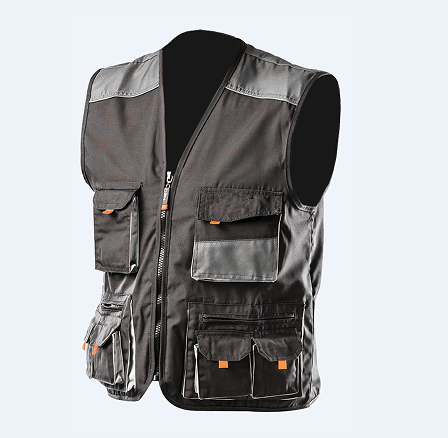
Healthcare professionals spend countless hours in their uniforms, making comfort a critical factor in workwear design. The evolution of medical apparel has shifted from purely functional garments to sophisticated designs that prioritize both performance and wearer satisfaction. Modern healthcare uniforms must accommodate the demanding nature of medical environments while ensuring professionals can move freely and confidently throughout their shifts. Understanding the key design elements that contribute to comfort helps healthcare facilities make informed decisions when selecting uniforms for their staff. The integration of advanced materials, thoughtful construction techniques, and ergonomic considerations has revolutionized how medical professionals experience their daily workwear.
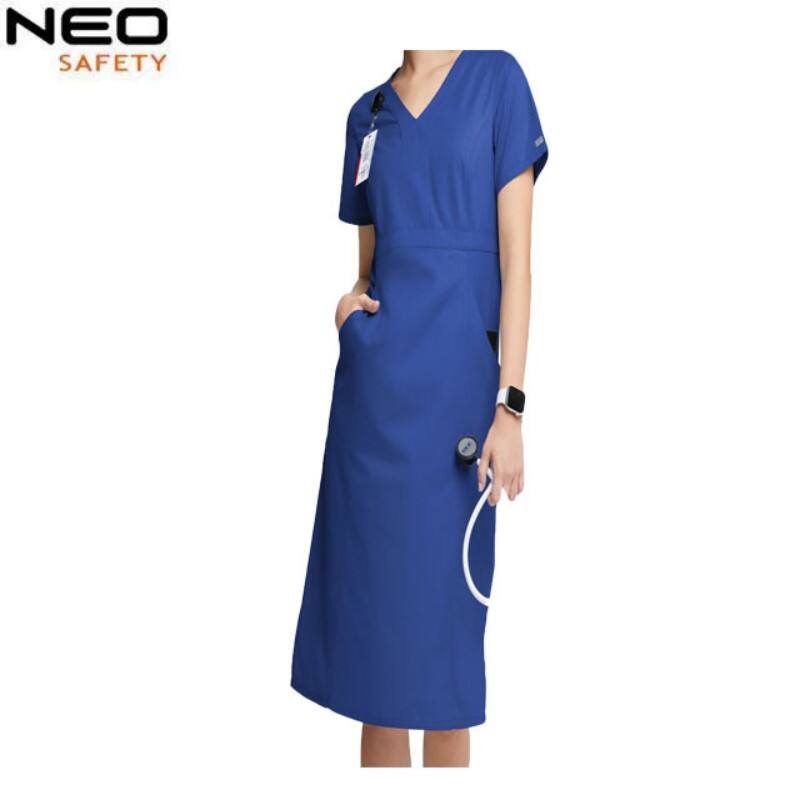
Fabric Technology and Material Selection
Advanced Textile Innovation
The foundation of comfortable medical uniforms lies in sophisticated fabric technology that addresses the unique challenges of healthcare environments. Modern textile manufacturers have developed specialized blends that combine natural fibers with synthetic materials to create fabrics that offer superior performance characteristics. These innovative materials provide excellent moisture-wicking properties, allowing perspiration to move away from the skin while maintaining breathability throughout extended wear periods. The incorporation of antimicrobial treatments within the fabric structure helps maintain hygiene standards while reducing odor retention, a crucial consideration in medical settings.
Contemporary fabric technologies also focus on stretch and recovery properties, enabling garments to move with the wearer without losing their original shape. Four-way stretch fabrics have become increasingly popular in medical uniform design, providing flexibility in multiple directions while maintaining structural integrity. These materials typically incorporate elastane or spandex fibers woven into cotton or polyester blends, creating garments that accommodate a wide range of movements without restriction. The durability of these advanced fabrics ensures that uniforms maintain their comfort properties even after repeated washing cycles, making them cost-effective solutions for healthcare facilities.
Breathability and Temperature Regulation
Effective temperature regulation represents a fundamental aspect of comfortable workwear design, particularly in healthcare environments where professionals face varying thermal conditions. Breathable fabrics feature engineered pore structures that facilitate air circulation while maintaining appropriate coverage and professional appearance. Micro-mesh panels and strategically placed ventilation zones enhance airflow without compromising the garment's protective qualities or aesthetic appeal. These design features become especially important during high-intensity periods when healthcare workers experience increased body heat production.
Modern uniform fabrics often incorporate phase-change materials or cooling technologies that actively manage body temperature throughout the workday. These innovations help maintain optimal comfort levels regardless of environmental conditions or activity intensity. The strategic placement of breathable zones, such as underarm gussets or back panel ventilation, creates targeted cooling effects where they are most needed. Additionally, lightweight fabric constructions reduce overall garment weight while maintaining durability, contributing to reduced fatigue and improved comfort during extended wear periods.
Ergonomic Design Features
Anatomical Fit Considerations
Ergonomic design principles play a crucial role in creating uniforms that support natural body mechanics and reduce physical stress during daily activities. Anatomical fit considerations involve understanding how the human body moves and designing garments that accommodate these movements without creating pressure points or restrictions. The incorporation of strategically placed seams, curved hemlines, and contoured panels ensures that uniforms follow the body's natural contours while providing appropriate room for movement. These design elements are particularly important for comfortable scrubs that must accommodate the diverse range of tasks performed by healthcare professionals.
The development of gender-specific patterns and sizing systems recognizes the anatomical differences between male and female wearers, ensuring optimal fit and comfort for all healthcare professionals. Advanced pattern-making techniques utilize three-dimensional body scanning data to create more accurate fits that eliminate common problem areas such as pulling across the chest, bunching at the waist, or restriction through the shoulders. These improvements in fit translate directly to increased comfort and reduced adjustment needs throughout the workday, allowing healthcare professionals to focus on their primary responsibilities without distraction.
Functional Design Elements
Functional design elements extend beyond basic fit to include features that enhance the practical use of medical uniforms while maintaining comfort standards. Strategic pocket placement provides convenient storage for essential tools and personal items without creating bulk or interfering with movement. Modern uniform designs often feature reinforced pocket construction with bartacks at stress points, ensuring durability while maintaining the garment's overall comfort profile. The integration of pen holders, badge loops, and utility attachments creates organized storage solutions that reduce the need for additional accessories.
Contemporary uniform designs also incorporate adjustable features that allow for personalized fit optimization throughout the day. Adjustable waistbands, drawstring closures, and flexible sizing elements accommodate natural body changes that occur during long shifts, such as slight swelling or position-related adjustments. These features ensure that uniforms maintain their comfortable fit regardless of the time of day or specific activities being performed, contributing to overall wearer satisfaction and professional appearance maintenance.
Construction Techniques for Enhanced Comfort
Seam Engineering and Placement
The strategic engineering of seams represents a critical factor in uniform comfort, as poorly placed or constructed seams can create irritation points and restrict movement. Modern construction techniques utilize flat-fell seams, French seams, and other specialized joining methods that minimize bulk and eliminate rough edges against the skin. The placement of seams away from high-friction areas, such as under the arms or along the sides, prevents chafing and increases overall comfort during extended wear periods. Advanced seam-sealing technologies also contribute to uniform durability while maintaining flexibility and comfort.
Innovative construction approaches include the use of seamless knitting technologies for certain garment sections, eliminating traditional seam lines entirely in areas where they might cause discomfort. Bonded seams and ultrasonic welding techniques create smooth joins that maintain strength while reducing bulk and potential irritation points. These construction methods are particularly beneficial in areas subject to frequent movement, such as shoulder joints and armholes, where traditional seaming might create restrictions or pressure points during normal healthcare activities.
Reinforcement and Durability Features
Reinforcement strategies in modern uniform construction focus on strengthening high-wear areas without compromising comfort or flexibility. Strategic reinforcement placement at knees, elbows, and pocket edges extends garment life while maintaining the soft hand feel that contributes to wearer comfort. The use of compatible reinforcement materials that match the primary fabric's stretch and recovery properties ensures that strengthened areas do not create rigid zones that restrict movement or cause discomfort during daily activities.
Advanced reinforcement techniques include the integration of performance materials in specific zones, such as abrasion-resistant panels in high-wear areas or moisture-wicking linings in areas prone to perspiration buildup. These targeted enhancements maintain the overall comfort profile of the garment while addressing specific performance requirements of healthcare environments. The careful balance between durability and comfort ensures that uniforms maintain their pleasant wearing characteristics throughout their service life, providing consistent comfort from first wear through final retirement.
Psychological Comfort Factors
Professional Appearance and Confidence
The psychological aspects of uniform comfort extend beyond physical considerations to include the wearer's confidence and professional self-image. Well-designed uniforms that maintain their appearance throughout the workday contribute to professional confidence, which translates to improved job satisfaction and performance. The integration of wrinkle-resistant treatments and color-retention technologies ensures that uniforms maintain a crisp, professional appearance even during demanding shifts, supporting the wearer's sense of professional competence and pride.
Contemporary uniform designs recognize the importance of personal style expression within professional constraints, offering subtle design variations that allow individual preferences while maintaining institutional consistency. These considerations include fit options, color variations within approved palettes, and small design details that enhance personal comfort with professional appearance. The psychological comfort derived from wearing attractive, well-fitting uniforms positively impacts work performance and job satisfaction, creating benefits that extend beyond immediate physical comfort to encompass overall professional well-being.
Adaptability to Individual Needs
Modern uniform programs increasingly recognize the diverse needs of healthcare professionals, offering adaptive design options that accommodate different body types, physical abilities, and personal preferences. Adaptive features might include magnetic closures for individuals with limited dexterity, adjustable lengths for varying height requirements, or modified fits for specific medical conditions or physical considerations. These inclusive design approaches ensure that all healthcare professionals can experience optimal comfort and functionality in their work attire.
The development of modular uniform systems allows for customization based on specific job requirements, seasonal considerations, or personal comfort preferences. These systems might include layering options, interchangeable components, or seasonal fabric variations that maintain consistent appearance while adapting to changing needs. The flexibility to personalize uniform configurations within professional guidelines enhances individual comfort while supporting institutional requirements, creating win-win solutions for both healthcare professionals and their employers.
FAQ
What fabric blends provide the best comfort for healthcare uniforms
The most comfortable healthcare uniform fabrics typically combine cotton or bamboo fibers with synthetic materials like polyester and spandex. Cotton-poly-spandex blends offer excellent breathability, moisture management, and stretch properties while maintaining durability and professional appearance. Bamboo blends provide natural antimicrobial properties and exceptional softness, making them ideal for sensitive skin. The optimal blend depends on specific needs, but most professionals prefer fabrics with 60-70% cotton or bamboo, 25-35% polyester for durability, and 3-5% spandex for stretch and recovery.
How do ergonomic features impact daily comfort in medical scrubs
Ergonomic features significantly reduce physical fatigue and improve comfort during long shifts by supporting natural body mechanics. Properly designed armholes prevent shoulder restriction, curved hemlines eliminate pulling during bending, and strategically placed darts ensure proper fit without creating pressure points. These features work together to reduce muscle strain, improve circulation, and minimize adjustment needs throughout the workday, allowing healthcare professionals to focus on patient care rather than uniform discomfort.
What construction methods prevent chafing and irritation in workwear uniforms
Flat-fell seams and French seam construction methods eliminate rough edges that can cause skin irritation during extended wear. Seam placement away from high-friction areas, such as underarms and side seams positioned toward the back, reduces chafing potential. Tagless labeling systems and printed care instructions eliminate additional irritation sources, while seamless construction techniques in critical areas provide ultimate comfort for sensitive wearers.
How can healthcare facilities evaluate uniform comfort for staff satisfaction
Healthcare facilities should implement comprehensive evaluation programs including staff feedback surveys, wear-testing periods, and comfort assessments across different job roles and body types. Evaluation criteria should include ease of movement, temperature regulation, fit satisfaction, and durability over time. Regular feedback collection and analysis help identify specific comfort issues and guide future uniform selections, ensuring that chosen uniforms meet the diverse needs of healthcare professionals while maintaining institutional standards and budget requirements.