 EN
What Is Softshell Workwear?
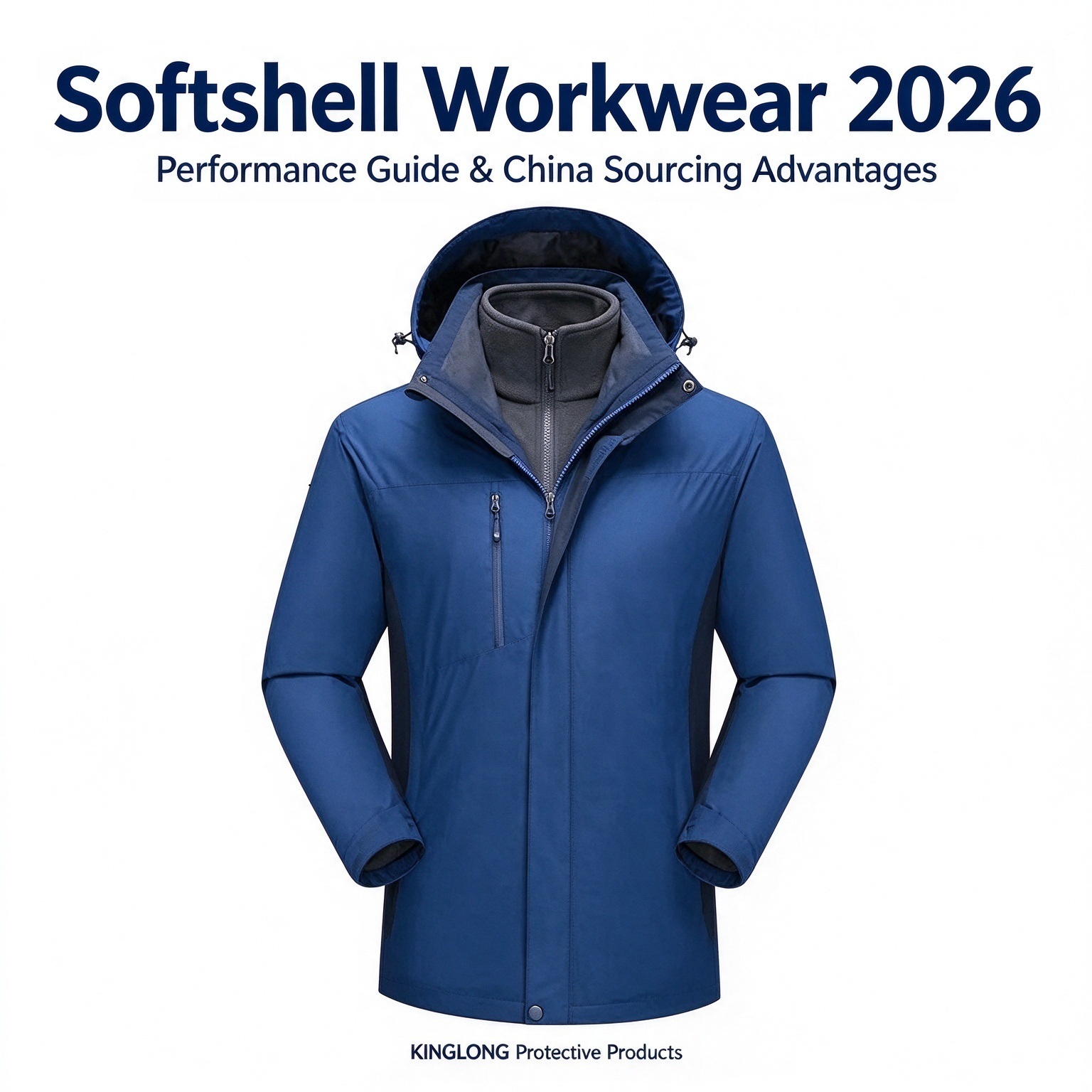
Softshell workwear is a category of work jacket built from softshell fabric—a knit-backed, laminated textile that combines stretch, wind resistance, and breathability into one material. Unlike traditional woven work jackets, softshell workwear moves with the wearer, making it a favorite among outdoor workers, technicians, delivery crews, and anyone who needs freedom of motion.
A typical softshell workwear jacket includes three layers bonded together:
- Outer face fabric — usually a woven polyester or polyester-elastane blend that sheds light rain and resists abrasion.
- Membrane or film layer — a thin waterproof-breathable barrier that blocks wind while allowing sweat vapor to escape.
- Inner fleece or microfleece backing — adds warmth and comfort against the skin.
The result is a piece of softshell workwear that weighs far less than a lined canvas jacket yet blocks wind and resists light precipitation without trapping heat.
Key Benefits of Softshell Workwear
1. All-Day Comfort and Mobility
The biggest advantage of softshell workwear is how it feels on the body. Most softshell workwear garments contain 4% to 8% elastane, giving them four-way stretch. Bending, reaching, climbing ladders, or driving—none of these motions feel restricted. Workers who wear softshell workwear jackets often report moving more naturally compared to heavy denim or rigid polyester canvas alternatives.
2. Wind and Light Rain Protection
A quality softshell workwear jacket is wind-resistant by design. The laminated membrane cuts through wind chill, which matters on exposed job sites, delivery routes, or maintenance yards. While not fully waterproof like a hard-shell rain jacket, softshell workwear typically handles light rain and drizzle without soaking through—perfect for shoulder-season work when weather changes by the hour.
3. Breathability That Prevents Overheating
One common complaint about insulated work jackets is that they trap heat and make workers sweat through their shirts. Softshell workwear solves this problem. The breathable membrane allows moisture vapor to pass through, so active workers stay dry from the inside out. This is why softshell workwear is especially popular among construction crews, logistics teams, and outdoor maintenance staff who are constantly on the move.
4. Durable and Easy to Maintain
Modern softshell workwear fabrics are built to withstand industrial washing and repeated abrasion. The outer face is treated with a durable water repellent (DWR) finish, and the bonded construction resists pilling and snagging. For businesses buying softshell workwear in bulk, this means longer garment life and lower replacement costs over time.
5. Professional Appearance
Softshell workwear has a cleaner, more tailored look than traditional heavy-duty work jackets. The smooth outer surface takes prints and embroidery well, which is why branding teams and uniform buyers choose softshell workwear for client-facing roles—hotel staff, security personnel, corporate delivery fleets, and field service technicians all benefit from the polished appearance.
Softshell Workwear vs. Other Workwear Fabrics
| Feature | Softshell Workwear | Canvas Work Jacket | Fleece Jacket | Hard Shell Rain Jacket |
|---|---|---|---|---|
| Wind resistance | Excellent | Moderate | Poor | Excellent |
| Light rain protection | Good | Poor | None | Excellent |
| Breathability | High | Moderate | High | Low |
| Stretch / mobility | High | Low | Moderate | Low |
| Warmth level | Medium | Medium-High | Medium | Low (uninsulated) |
| Best season | Spring, autumn | Winter | Winter layering | Rainy season |
If your customers work outdoors in variable conditions, softshell workwear fills the gap between heavy winter gear and lightweight summer hi-vis.
Who Buys Softshell Workwear?
Softshell workwear is sold through several channels:
- Workwear distributors and wholesalers who stock multiple brands and need reliable OEM manufacturing.
- Safety uniform companies that supply industrial clients and require EN 13688 or EN 20471 certified softshell workwear.
- Brand owners launching their own workwear label and looking for a factory with design and private-label capability.
- Corporate procurement teams ordering branded softshell workwear for field staff, delivery drivers, or facility maintenance crews.
Each buyer group has different priorities—distributors care about MOQ and lead time, brands care about design flexibility and certification, and corporate buyers care about sizing range and print/embroidery options.
What to Look for in a Softshell Workwear Manufacturer
Fabric Composition and Construction
Ask for the exact fabric weight and composition. Most quality softshell workwear uses a 3-layer or 2-layer bonded fabric weighing between 280–320 gsm. Lower weights feel flimsy; higher weights sacrifice breathability.
Certification Compliance
If you sell into European or North American markets, verify that the softshell workwear meets relevant standards:
- EN 13688 — general protective clothing requirements
- EN 20471 — high-visibility requirements (if ordering hi-vis softshell workwear)
- OEKO-TEX® Standard 100 — harmful substance testing for skin contact
OEM / ODM Capability
Can the factory customize the softshell workwear with your branding? Check whether they offer custom embroidery, screen printing, heat transfer logos, zipper pulls, pocket layouts, and color options. An in-house design team is a strong sign that they can support ODM softshell workwear development.
Production Capacity and Lead Time
Reliable softshell workwear manufacturers should handle sample orders (usually 30–100 pieces) as well as bulk production (1,000+ pieces). Ask about annual capacity and typical lead times for both sample and bulk orders.
Quality Control Process
Reputable factories run inline and final inspection, and can share SGS or ICS audit reports. For softshell workwear specifically, check seam taping, zipper durability, and colorfastness after repeated washing.
Kinglong: Your Softshell Workwear Partner
At Kinglong Protective Products, we have manufactured workwear and outdoor garments for over 20 years. Our softshell workwear line combines the fabric technology you need with the certification compliance your market requires.
Why buyers choose our softshell workwear:
- SGS and ICS audited factory with ISO 9001 quality management
- OEKO-TEX® and EN 13688 / EN 20471 certified softshell workwear options
- Full OEM/ODM service—custom colors, embroidery, logos, pocket designs
- 3 million pieces annual production capacity with reliable lead times
- Trusted by global brands including Würth, Portwest, and Adeo Group
Whether you are launching a new line of softshell workwear or looking to consolidate your supplier base, our team can support everything from tech pack development to bulk shipping.
Frequently Asked Questions
Is softshell workwear waterproof? Most softshell workwear is water-resistant, not fully waterproof. It handles light rain and drizzle well, but for heavy downpours a dedicated rain shell is recommended.
Can softshell workwear be hi-vis certified? Yes. Many softshell workwear jackets can be made with fluorescent yellow/orange fabric and reflective tape to meet EN 20471 Class 2 or Class 3 standards.
What is the minimum order quantity for custom softshell workwear? Typically 300–500 pieces per style for OEM orders, though some factories accept smaller sample runs. Contact us for your specific project requirements.
How should I wash softshell workwear? Machine wash cold with mild detergent, avoid fabric softeners, and tumble dry on low. This preserves the DWR finish and membrane breathability.