 EN
EN

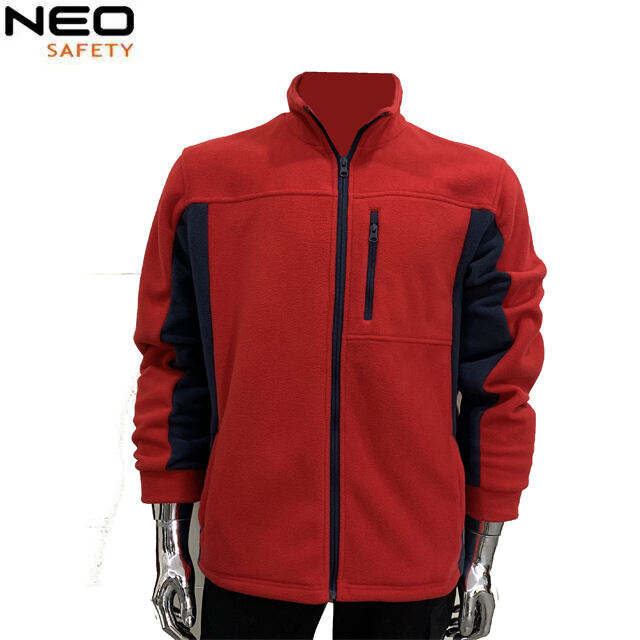
Polar fleece jackets have become essential outdoor apparel, offering unparalleled warmth and comfort for outdoor enthusiasts and everyday wear alike. These versatile garments combine lightweight construction with exceptional insulation properties, making them ideal for layering systems or standalone use. The synthetic materials used in polar fleece jackets provide moisture-wicking capabilities that natural fibers often cannot match, ensuring wearers stay dry and comfortable during various activities.
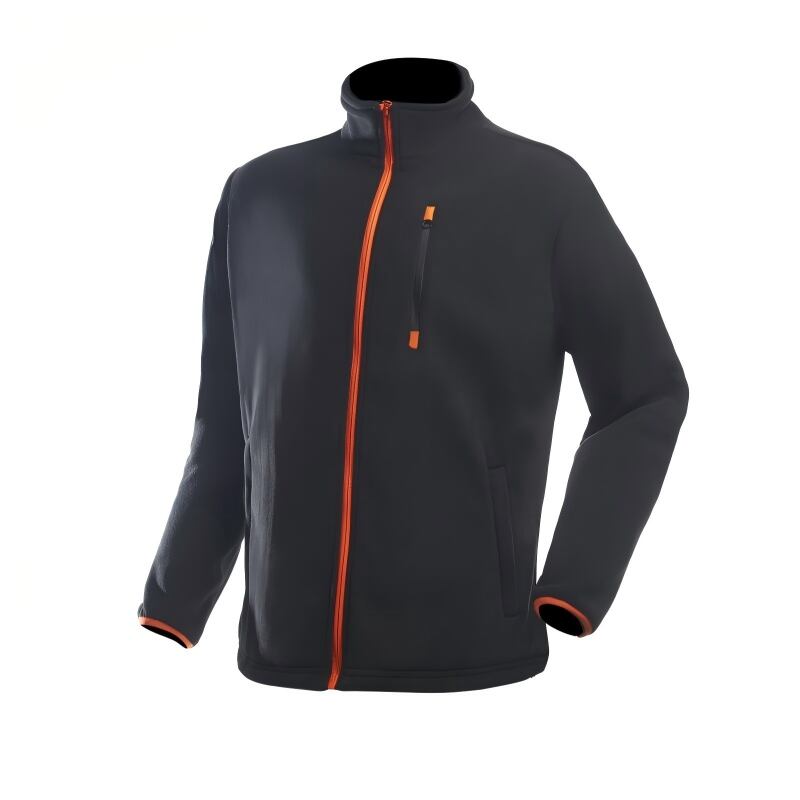
The evolution of fleece technology has revolutionized how we approach outdoor clothing design and functionality. Modern polar fleece jackets incorporate advanced synthetic materials that deliver superior performance across multiple weather conditions. These innovations have transformed fleece from basic synthetic fabric into highly engineered textile solutions that compete with traditional wool and down alternatives. Understanding the unique properties of these materials helps consumers make informed decisions when selecting outdoor apparel for specific applications and environments.
Material Composition and Construction
Synthetic Fiber Technology
The foundation of effective polar fleece jackets lies in their synthetic fiber composition, typically utilizing polyethylene terephthalate (PET) materials. These engineered fibers create a unique structure that traps air efficiently while maintaining breathability and moisture management properties. The manufacturing process involves knitting or weaving these synthetic materials into specific patterns that optimize thermal retention without adding excessive bulk or weight to the finished garment.
Advanced polar fleece jackets often incorporate recycled materials, transforming plastic bottles and other post-consumer waste into high-performance outdoor apparel. This sustainable approach not only reduces environmental impact but also produces durable synthetic materials that maintain their performance characteristics through repeated washing and extended use. The circular construction methods used in quality fleece manufacturing ensure consistent thermal properties throughout the entire garment structure.
Fabric Weight Classifications
Polar fleece jackets are categorized by fabric weight, typically ranging from 100 to 400 grams per square meter, with each classification serving specific performance requirements. Lightweight options provide excellent breathability for active pursuits, while heavyweight versions deliver maximum insulation for extreme weather conditions. Understanding these weight classifications helps users select appropriate polar fleece jackets for their intended activities and climate conditions.
Mid-weight polar fleece jackets, typically 200-300 grams per square meter, offer the optimal balance between warmth and versatility for most outdoor applications. These garments provide sufficient insulation for moderate cold conditions while maintaining breathability during physical activity. The construction density affects both thermal performance and durability, with properly balanced fleece materials delivering years of reliable service under regular use conditions.
Thermal Performance Characteristics
Insulation Efficiency
The insulation capabilities of polar fleece jackets stem from their ability to create dead air spaces within the synthetic material structure. These trapped air pockets provide thermal barriers that prevent body heat from escaping while blocking cold external temperatures from penetrating the fabric. The effectiveness of this insulation system depends on the fiber density, construction method, and overall garment design.
Unlike down insulation that loses effectiveness when wet, polar fleece jackets maintain their thermal properties even in damp conditions. This synthetic material advantage makes fleece particularly suitable for wet climate applications where moisture exposure is unavoidable. The hydrophobic nature of synthetic fleece fibers prevents water absorption, ensuring consistent performance regardless of humidity levels or precipitation exposure.
Heat Retention Technology
Modern polar fleece jackets incorporate specialized construction techniques that enhance heat retention without compromising breathability or comfort. Strategic placement of different fleece weights throughout the garment optimizes thermal distribution, with heavier materials positioned over core body areas and lighter weights used in high-movement zones. This targeted approach maximizes thermal efficiency while maintaining freedom of movement during active use.
Advanced thermal management features in quality polar fleece jackets include reflective elements integrated into the material structure that redirect body heat back toward the wearer. These metallic components work synergistically with the synthetic fleece matrix to create superior heat retention compared to standard fleece constructions. The result is improved thermal performance without additional bulk or weight that could impede mobility or comfort during extended wear periods.
Moisture Management Systems
Wicking Properties
Effective moisture management represents a critical advantage of synthetic polar fleece jackets over natural fiber alternatives in outdoor apparel applications. The synthetic material structure actively transports moisture away from the skin surface through capillary action, moving perspiration to the outer fabric surface where evaporation occurs naturally. This wicking process maintains dry skin contact even during intense physical activity or warm weather conditions.
The hydrophobic characteristics of synthetic fleece materials prevent moisture absorption that could compromise thermal performance or create uncomfortable clammy sensations. Quality polar fleece jackets maintain their wicking effectiveness through repeated washing cycles, unlike some natural materials that may lose moisture management properties over time. This durability ensures consistent performance throughout the garment's useful life span under regular use conditions.
Breathability Features
Breathability in polar fleece jackets results from the open fiber structure that allows air circulation while maintaining thermal insulation properties. This balance prevents overheating during active use while providing necessary warmth during rest periods or lower activity levels. The synthetic material construction permits vapor transmission that regulates internal microclimate conditions automatically based on activity intensity and external temperature variations.
Advanced breathability technologies in premium polar fleece jackets include variable porosity designs that adjust air permeability based on body heat generation and moisture levels. These adaptive systems provide optimal comfort across wide temperature ranges and activity levels without requiring manual adjustments or layering modifications. The result is enhanced user experience and improved thermal regulation compared to static fabric constructions.
Durability and Maintenance
Longevity Factors
The durability of polar fleece jackets depends significantly on the quality of synthetic materials used in construction and the manufacturing processes employed during assembly. High-quality polyester fibers resist pilling, fading, and structural degradation better than lower-grade alternatives, ensuring extended service life under regular use conditions. Proper construction techniques, including reinforced seaming and quality hardware components, contribute to overall garment longevity.
Resistance to abrasion represents another important durability characteristic of quality polar fleece jackets, particularly for outdoor applications where contact with rough surfaces is common. The synthetic fiber structure provides inherent toughness that withstands normal wear patterns while maintaining appearance and performance characteristics. This durability makes fleece jackets economical long-term investments for users requiring reliable outdoor apparel solutions.
Care Requirements
Maintenance requirements for polar fleece jackets are significantly simpler compared to natural fiber alternatives, requiring only standard machine washing and drying procedures. The synthetic materials resist shrinkage, color fading, and structural changes that affect many natural fiber garments during cleaning processes. Regular washing actually improves the performance of some polar fleece jackets by removing accumulated oils and debris that could impede moisture management capabilities.
Proper care techniques for polar fleece jackets include using mild detergents without fabric softeners that could impair moisture-wicking properties of synthetic materials. Low-temperature drying helps maintain fiber structure and prevents potential damage from excessive heat exposure. Following manufacturer care instructions ensures polar fleece jackets maintain their performance characteristics and appearance throughout their intended service life.
Performance Comparison Analysis
Fleece versus Wool
When comparing polar fleece jackets to traditional wool alternatives, synthetic materials offer distinct advantages in moisture management, weight reduction, and maintenance simplicity. Wool provides excellent thermal properties but loses insulation effectiveness when wet, while polar fleece jackets maintain consistent performance regardless of moisture exposure. The synthetic construction also eliminates concerns about wool allergies that affect some users of natural fiber garments.
Weight considerations favor polar fleece jackets significantly, with synthetic materials providing equivalent thermal protection at substantially lower weights compared to wool alternatives. This advantage becomes particularly important during extended outdoor activities where every ounce of carried weight impacts user comfort and endurance. The compressibility of synthetic fleece also surpasses wool, allowing more efficient packing for travel or storage applications.
Synthetic Alternatives Comparison
Among synthetic insulation options, polar fleece jackets offer unique advantages over down alternatives and other engineered materials in specific applications. While synthetic down provides superior warmth-to-weight ratios, polar fleece jackets excel in durability, moisture resistance, and cost-effectiveness for general outdoor use. The breathability characteristics of fleece also surpass many synthetic down alternatives during active use periods.
Comparing polar fleece jackets to other synthetic materials like softshell fabrics reveals complementary rather than competing characteristics. Softshells provide wind and water resistance but offer limited insulation, while fleece excels in thermal performance with moderate weather protection. Many outdoor enthusiasts combine both material types in layering systems that optimize performance across varying conditions and activity levels.
Design and Functionality Features
Construction Details
Modern polar fleece jackets incorporate sophisticated design elements that enhance functionality without compromising the inherent advantages of synthetic fleece materials. Strategic seam placement reduces bulk in high-movement areas while maintaining structural integrity throughout the garment. Quality construction includes flat-seam techniques that eliminate chafing points and improve overall comfort during extended wear periods.
Zipper systems in polar fleece jackets typically feature reliable hardware that withstands repeated use under various weather conditions. Full-zip designs provide maximum versatility for temperature regulation, while half-zip options offer simple ventilation control with reduced weight and complexity. The integration of these functional elements requires careful consideration of thermal bridging effects that could compromise insulation performance.
Fit and Mobility
The fit characteristics of polar fleece jackets significantly impact their thermal performance and user comfort during various activities. Proper sizing allows for necessary layering while maintaining unrestricted movement during active use. The inherent stretch properties of quality synthetic fleece materials accommodate body movement without creating binding or restriction that could impede circulation or comfort.
Ergonomic design elements in premium polar fleece jackets include articulated sleeves and gusseted construction that follows natural body movement patterns. These features ensure optimal fit and function without compromising the thermal properties that make fleece attractive for outdoor applications. The balance between fitted thermal efficiency and movement freedom requires careful pattern development and construction expertise.
Application-Specific Performance
Outdoor Recreation
For hiking and backpacking applications, polar fleece jackets provide optimal combinations of warmth, weight, and packability that support extended outdoor adventures. The synthetic materials maintain performance characteristics even after compressed packing, unlike some natural alternatives that may lose loft or thermal properties. The quick-drying nature of fleece also supports multi-day activities where washing opportunities are limited.
Climbing and mountaineering activities benefit from the abrasion resistance and moisture management capabilities of quality polar fleece jackets. The synthetic construction withstands contact with rock surfaces and equipment while maintaining thermal protection during rest periods. The breathability characteristics prevent overheating during intense physical exertion while providing necessary insulation during belaying or camp activities.
Everyday Wear
Urban and casual wear applications for polar fleece jackets emphasize comfort, style, and versatility across varying indoor and outdoor environments. The lightweight nature of synthetic fleece makes these garments suitable for office environments, commuting, and social activities where bulky outerwear would be impractical. The easy care characteristics also support frequent use without specialized maintenance requirements.
Professional applications for polar fleece jackets include outdoor work environments where consistent thermal protection and durability are essential. Construction, landscaping, and other outdoor professions benefit from the reliable performance and cost-effectiveness of synthetic fleece materials. The resistance to industrial washing procedures makes these garments practical for commercial use applications.
FAQ
How do polar fleece jackets perform in wet conditions compared to other materials
Polar fleece jackets excel in wet conditions due to their synthetic construction that repels moisture while maintaining insulation properties. Unlike wool or down alternatives that lose thermal effectiveness when wet, synthetic fleece materials continue providing warmth even when damp. The hydrophobic fibers shed water quickly and dry rapidly, making polar fleece jackets ideal for unpredictable weather conditions where moisture exposure is likely.
What weight classification should I choose for different outdoor activities
Lightweight polar fleece jackets weighing 100-200 grams per square meter work best for high-activity pursuits like running or cycling where breathability is crucial. Mid-weight options of 200-300 grams provide versatile performance for hiking, camping, and general outdoor use. Heavyweight polar fleece jackets above 300 grams suit extreme cold conditions or low-activity situations where maximum insulation is the primary requirement.
How should I layer polar fleece jackets with other outdoor clothing
Polar fleece jackets function effectively as mid-layer insulation when combined with moisture-wicking base layers and weather-resistant outer shells. The synthetic materials work synergistically with other technical fabrics to create comprehensive protection systems. For moderate conditions, polar fleece jackets serve well as standalone outer layers, while extreme weather requires additional wind and water protection over the fleece insulation.
What maintenance practices extend the life of polar fleece jackets
Regular machine washing in cold water with mild detergent maintains the performance and appearance of polar fleece jackets without damaging synthetic fibers. Avoid fabric softeners that can impair moisture-wicking capabilities, and use low-heat drying to prevent fiber damage. Proper storage in dry, well-ventilated areas prevents mildew and odor accumulation that could compromise the garment's longevity and performance characteristics.