 EN
EN

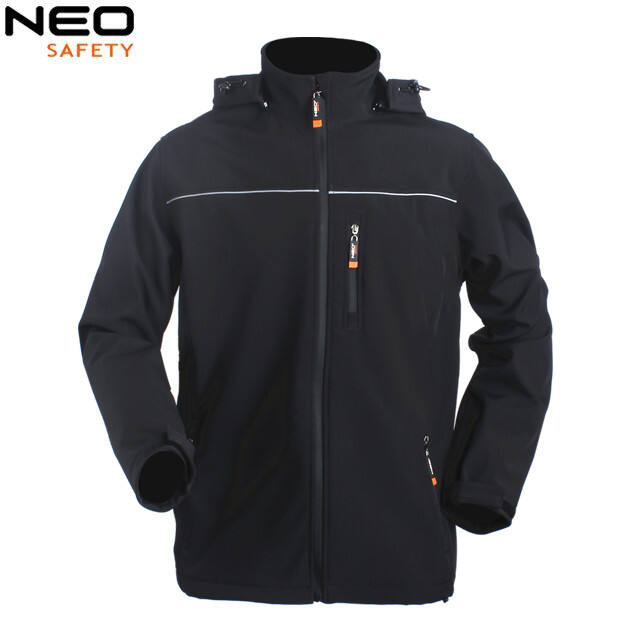
When temperatures drop and harsh weather conditions emerge, having the right winter jacket becomes crucial for maintaining comfort, warmth, and protection during outdoor activities. A high-performance winter jacket serves as your first line of defense against wind, moisture, and freezing temperatures, making it an essential investment for anyone who spends time outdoors during the colder months. Understanding the key features that distinguish a superior winter jacket from ordinary outerwear can help you make an informed decision when selecting your next cold-weather companion. The construction, materials, and design elements of a quality winter jacket work together to create a barrier against the elements while ensuring breathability and freedom of movement.
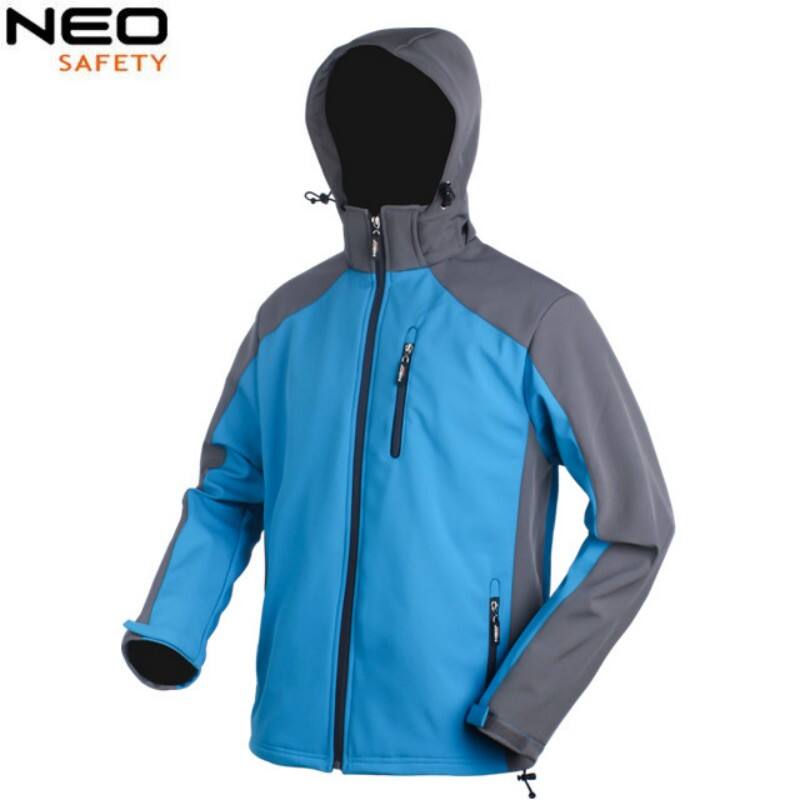
Advanced Shell Technology and Material Construction
Waterproof and Windproof Outer Shell
The outer shell of a high-performance winter jacket represents the most critical barrier against environmental elements. Modern winter jacket designs incorporate advanced waterproof membranes that prevent moisture penetration while maintaining breathability. These sophisticated materials utilize microporous technology that allows water vapor from perspiration to escape while blocking external water droplets. The windproof properties of the shell fabric prevent cold air from penetrating through the jacket, maintaining the insulative properties of internal layers and ensuring consistent warmth distribution throughout the garment.
Premium shell fabrics often feature multiple layers of protection, including a durable water repellent coating that causes water to bead and roll off the surface. This treatment extends the life of the waterproof membrane and reduces the weight of the jacket when exposed to wet conditions. The construction methods used in joining shell panels, such as fully taped seams and welded construction, eliminate potential entry points for wind and moisture, creating a comprehensive protective barrier.
Durability and Abrasion Resistance
A quality winter jacket must withstand repeated use in challenging outdoor environments, requiring exceptional durability in its construction materials. High-denier fabrics used in premium winter jacket construction resist tears, punctures, and abrasion from contact with rough surfaces, backpack straps, and outdoor equipment. Strategic reinforcement in high-wear areas, such as shoulders, elbows, and cuffs, extends the lifespan of the jacket and maintains its protective properties over extended periods of use.
The weave density and yarn composition of shell fabrics directly impact their resistance to wear and environmental degradation. Ripstop patterns integrated into the fabric construction prevent small tears from expanding, while specialized fiber treatments protect against UV damage and maintain color fastness. These durability features ensure that your winter jacket investment continues to provide reliable protection season after season, making it a cost-effective choice for serious outdoor enthusiasts.
Insulation Systems and Thermal Management
Customizable Padding Options
Modern winter jacket designs offer sophisticated insulation systems that can be customized based on activity level, climate conditions, and personal preferences. Removable insulation layers allow users to adjust warmth levels without changing jackets, providing versatility for varying weather conditions and activity intensities. These modular systems typically feature lightweight synthetic fills or down insulation that can be added or removed through internal zipper systems or snap attachments.
The distribution of insulation throughout a winter jacket affects both warmth and mobility, with strategic placement ensuring core body heat retention while maintaining freedom of movement in the arms and shoulders. Advanced quilting patterns prevent insulation migration and eliminate cold spots, while compression-resistant fills maintain their loft and thermal properties even after repeated packing and unpacking.
Breathability and Moisture Management
Effective moisture management in a winter jacket prevents the buildup of perspiration that can lead to discomfort and reduced thermal efficiency. Advanced fabric technologies create a microclimate within the jacket that regulates temperature and humidity levels, ensuring comfort during high-exertion activities. Ventilation systems, including pit zips, back vents, and internal mesh panels, provide additional airflow control when needed.
The balance between insulation and breathability requires careful engineering to prevent overheating during active periods while maintaining warmth during rest periods. Moisture-wicking liner fabrics draw perspiration away from the body and facilitate its transport to the outer shell for evaporation. This integrated approach to moisture management ensures that your winter jacket performs optimally across a wide range of activities and conditions.
Design Features for Outdoor Performance
Stand Collar and Hood Systems
The collar design of a winter jacket plays a crucial role in preventing heat loss through the neck area, which contains major blood vessels close to the skin surface. Stand collar configurations provide extended coverage that seals against wind and prevents drafts from entering the jacket interior. Adjustable collar systems allow users to customize the fit and coverage based on weather conditions and personal comfort preferences.
Integrated hood systems extend protection to the head and face, areas that can experience significant heat loss in cold conditions. Modern winter jacket hoods feature adjustment systems that ensure proper fit over various headwear options while maintaining peripheral vision and hearing. Removable hood designs provide flexibility for different activities and weather conditions, while storm flaps and face protection elements offer additional coverage during extreme weather events.
Pocket Configuration and Storage Solutions
Strategic pocket placement in a high-performance winter jacket provides convenient access to essential items while maintaining the jacket's thermal efficiency and weather protection. Internal security pockets protect valuable items from moisture and provide easy access without compromising the jacket's sealed construction. External pockets feature weather-resistant zippers and flap closures that prevent snow and rain infiltration while allowing quick access to frequently used items.
The size and positioning of pockets accommodate various outdoor gear and personal items without creating bulk or interfering with movement. Specialized pockets for electronics, such as phones and GPS devices, may include internal routing for charging cables and protective features that prevent moisture damage. Hand-warmer pockets with fleece linings provide additional comfort during cold weather exposure and serve as temporary storage for gloves and other small items.
Fit and Mobility Considerations
Articulated Construction and Movement
The cut and construction of a winter jacket significantly impact comfort and performance during outdoor activities. Articulated sleeve design follows the natural movement patterns of the arms and shoulders, preventing restriction during reaching, climbing, or equipment handling. Pre-curved sleeves and gusseted underarms accommodate the full range of motion required for outdoor activities while maintaining the jacket's protective seal.
Length proportions in a quality winter jacket provide adequate coverage for the torso while preventing interference with leg movement and equipment access. Adjustable hem systems allow customization of fit and coverage based on activity requirements and layering systems. The overall silhouette balances weather protection with mobility, ensuring that the winter jacket enhances rather than hinders outdoor performance.
Layering System Integration
A well-designed winter jacket accommodates multiple layering options without compromising fit or function. The internal volume and cut must provide space for base layers and mid-layers while maintaining the jacket's shape and weather protection capabilities. Compatibility with various layering systems allows users to adapt their clothing system to changing weather conditions and activity levels throughout the day.
Interface points between the winter jacket and other garments, such as pants and gloves, require careful attention to prevent gaps in protection. Storm cuffs, powder skirts, and jacket-to-pant integration systems ensure comprehensive weather protection when wearing complete outdoor clothing systems. These integration features are particularly important for winter sports and extended outdoor exposure where any gap in protection can compromise comfort and safety.
Quality Construction and Manufacturing Standards
Seam Sealing and Assembly Techniques
The assembly methods used in constructing a winter jacket directly impact its weather protection and longevity. Fully sealed seam construction eliminates potential water and wind entry points, while specialized taping materials ensure long-term adhesion and flexibility. Advanced manufacturing techniques, such as welded seams and ultrasonic bonding, create stronger joints that resist failure under stress and environmental exposure.
Quality control measures in winter jacket manufacturing ensure consistent performance across production runs. Critical stress points receive reinforcement through bar-tacking, additional fabric layers, or alternative construction methods that distribute loads and prevent premature failure. These manufacturing standards distinguish premium winter jacket options from lower-quality alternatives and justify the investment in high-performance outdoor gear.
Hardware and Component Selection
The selection of zippers, buckles, and other hardware components affects both the functionality and durability of a winter jacket. Premium zippers feature weather-resistant coatings and self-lubricating mechanisms that continue to operate smoothly in cold conditions. Main zippers often include dual sliders and protective flaps that prevent snow infiltration and facilitate ventilation control.
Cord locks, buckles, and adjustment mechanisms must function reliably when operated with gloved hands and in cold temperatures. Material selection for these components considers thermal conductivity, as metal hardware can become uncomfortably cold and affect grip and dexterity. High-quality hardware contributes to the overall user experience and ensures that all jacket features remain accessible and functional throughout the garment's service life.
Environmental Considerations and Sustainability
Eco-Friendly Materials and Manufacturing
Modern winter jacket manufacturing increasingly incorporates sustainable materials and production methods that reduce environmental impact. Recycled synthetic insulation materials provide thermal performance comparable to virgin materials while diverting waste from landfills. Water-based durable water repellent treatments eliminate the use of fluorinated chemicals that persist in the environment and bioaccumulate in living organisms.
Sustainable manufacturing practices extend beyond material selection to include energy-efficient production methods, waste reduction programs, and responsible sourcing of raw materials. These considerations appeal to environmentally conscious consumers while maintaining the performance standards expected from high-quality winter jacket options. The integration of sustainability measures represents an evolution in outdoor gear manufacturing that balances performance with environmental responsibility.
Longevity and Repairability
The design philosophy behind premium winter jacket construction emphasizes longevity and repairability as alternatives to frequent replacement. Modular construction allows individual components to be serviced or replaced without discarding the entire jacket, extending its useful life and reducing waste. Reinforcement in high-wear areas and the availability of replacement parts support long-term use and maintenance.
Repair-friendly design features, such as accessible seams and standard hardware components, enable professional servicing and user maintenance. Care instructions and maintenance guidelines help users preserve the winter jacket's performance characteristics and extend its service life. This approach to product longevity aligns with sustainable consumption practices while providing superior value for outdoor gear investments.
FAQ
What makes a winter jacket suitable for extreme cold conditions
A winter jacket suitable for extreme cold conditions combines multiple layers of protection including windproof and waterproof outer shells, high-loft insulation systems, and sealed construction that prevents heat loss. The insulation fill power, whether down or synthetic, must provide adequate thermal resistance for the intended temperature range. Additional features such as extended coverage areas, adjustable closures, and compatibility with other cold-weather gear contribute to the jacket's effectiveness in harsh conditions.
How should I care for and maintain my winter jacket
Proper care for your winter jacket includes regular cleaning according to manufacturer instructions, typically involving specialized detergents that preserve waterproof coatings and insulation loft. Periodic retreatment of durable water repellent coatings maintains the shell's water-shedding properties, while proper storage in dry, ventilated conditions prevents mildew and odor development. Prompt repair of small tears or damaged seams prevents more extensive damage and maintains the jacket's protective capabilities.
What features should I prioritize when choosing a winter jacket for outdoor activities
When selecting a winter jacket for outdoor activities, prioritize features that match your specific use patterns and environmental conditions. Breathability and ventilation options become crucial for high-exertion activities, while maximum insulation and weather protection take precedence for static outdoor exposure. Consider the jacket's compatibility with your existing gear, fit over layering systems, and the availability of adjustment options that accommodate changing conditions throughout your activities.
How do I determine the right size and fit for a winter jacket
Determining the correct size for a winter jacket requires consideration of your typical layering system and the range of motion needed for your activities. The jacket should accommodate base layers and mid-layers without excessive bulk while allowing full arm movement and comfortable reach. Length should provide adequate torso coverage without interfering with leg movement or equipment access, and sleeve length should extend to the wrist when arms are extended forward in your typical activity position.