 EN
EN

Modern industrial environments demand specialized apparel that balances functionality, durability, and professional appearance. Work vests have emerged as essential components of professional workwear, offering practical solutions for technicians, mechanics, and various trades workers who require accessible tool storage and unrestricted movement throughout their daily tasks. These versatile garments provide the perfect combination of utility and comfort, allowing workers to maintain productivity while ensuring their tools and equipment remain organized and within easy reach.
Essential Design Features of Professional Work Vests
Strategic Pocket Configuration and Tool Organization
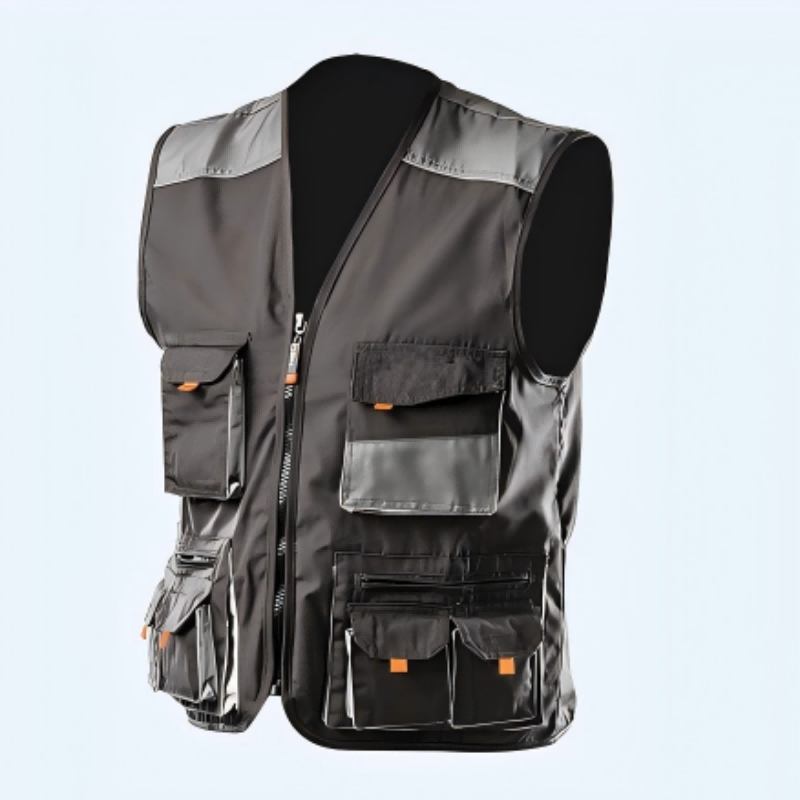
The effectiveness of work vests largely depends on their pocket design and organizational capabilities. Professional-grade work vests incorporate multiple specialized pockets designed to accommodate various tools, instruments, and personal items that workers need throughout their shifts. These pockets typically feature reinforced stitching and durable materials that can withstand the weight and frequent access patterns associated with professional tool usage. Strategic placement ensures that commonly used items remain easily accessible without interfering with natural arm movement or work postures.
Modern work vests often include dedicated compartments for specific tools such as screwdrivers, pliers, measuring devices, and electronic instruments. The pocket sizing and positioning reflect extensive research into ergonomic principles and worker feedback, ensuring that tool retrieval becomes second nature rather than a hindrance to productivity. Quality work vests also incorporate secure closure mechanisms, including zippers, velcro strips, and snap fasteners, preventing tool loss during active work periods or when transitioning between job sites.
Material Selection and Durability Standards
Professional work vests utilize high-grade materials specifically chosen for their resistance to wear, tear, and environmental factors commonly encountered in industrial settings. Canvas, ripstop nylon, and specialized synthetic blends represent the most popular material choices, each offering distinct advantages depending on the intended application. Canvas work vests provide exceptional durability and traditional aesthetic appeal, making them ideal for mechanics, technicians, and craftspeople who require robust performance in demanding environments.
The material selection process considers factors such as breathability, moisture resistance, chemical compatibility, and maintenance requirements. High-quality work vests feature reinforced stress points, including pocket corners, seam intersections, and closure areas, which experience the greatest wear during regular use. Additionally, many professional work vests incorporate stain-resistant treatments and easy-care fabric technologies that maintain appearance and functionality even after repeated washing cycles and exposure to industrial environments.
Functional Applications Across Industries
Automotive and Mechanical Applications
In automotive repair and mechanical maintenance environments, work vests serve as mobile tool stations that enable technicians to carry essential equipment while maintaining freedom of movement around vehicles and machinery. The specialized pocket configurations allow mechanics to organize their tools according to frequency of use and job requirements, reducing time spent searching for specific instruments and improving overall workflow efficiency.
Automotive work vests typically feature oil-resistant materials and easy-clean surfaces that withstand exposure to automotive fluids, grease, and cleaning solvents. The vest design accommodates the unique movements required for automotive work, including reaching into engine compartments, working under vehicles, and maneuvering around tight spaces. Professional mechanics appreciate work vests that provide tool security without adding bulk or restricting the arm and shoulder mobility necessary for precision work.
Construction and Trade Applications
Construction professionals rely on work vests to organize and transport the diverse array of tools required for building projects, electrical installations, plumbing work, and general maintenance tasks. These specialized garments provide convenient access to measuring tools, fasteners, cutting implements, and safety equipment while allowing workers to navigate construction sites safely and efficiently. The rugged construction of professional work vests ensures they can withstand the physical demands of construction environments, including exposure to weather, debris, and rough surfaces.
Trade-specific work vests often incorporate features tailored to particular professions, such as electricians' vests with insulated tool pockets or plumbers' vests with pipe-fitting tool compartments. The versatility of work vests makes them suitable for various construction roles, from general contractors who need to carry multiple tool types to specialized tradespeople who require specific organizational solutions for their equipment. Quality work vests contribute to job site safety by keeping tools secure and preventing dropped items that could create hazards for other workers.
Sizing and Fit Considerations
Body Measurements and Comfort Optimization
Proper sizing represents a critical factor in maximizing the effectiveness and comfort of work vests during extended wear periods. Professional work vests should provide adequate room for natural movement while maintaining a secure fit that prevents excessive shifting or bouncing during active work. The sizing process involves careful consideration of chest measurements, torso length, and shoulder width to ensure optimal fit across diverse body types and work requirements.
Quality work vests incorporate adjustable features such as side straps, shoulder adjustments, and back panels that allow users to customize the fit according to their specific measurements and preferences. These adjustment mechanisms also accommodate seasonal clothing variations, enabling workers to wear the same vest comfortably over light summer shirts or heavier winter layers. Proper fit ensures that tool weight distributes evenly across the torso, reducing strain on specific muscle groups and improving overall wearing comfort throughout long work shifts.
Layering Compatibility and Seasonal Adaptability
Professional work environments often require workers to adapt their clothing choices according to seasonal conditions, safety regulations, and specific job requirements. Work vests must accommodate various layering scenarios, from lightweight base layers during warm weather to insulated jackets and protective gear during cold seasons or hazardous work conditions. The vest design should provide sufficient room for underlying garments without compromising tool accessibility or movement freedom.
Modern work vests feature thoughtful design elements that support layering compatibility, including generous armholes, adjustable side panels, and strategic seam placement that prevents binding or restriction when worn over different clothing combinations. This adaptability ensures that workers can maintain their organized tool access regardless of seasonal clothing requirements or safety equipment mandates. Professional work vests that accommodate layering extend their useful lifespan and provide better value for workers who face varying environmental conditions throughout the year.
Maintenance and Care Guidelines
Cleaning Procedures and Fabric Care
Maintaining work vests in optimal condition requires understanding proper cleaning procedures and fabric care techniques that preserve both appearance and functionality over extended use periods. Different materials used in work vests require specific cleaning approaches to prevent damage, shrinkage, or loss of protective treatments. Canvas work vests typically benefit from machine washing in cold water with mild detergents, while synthetic materials may require specialized cleaning products to maintain their performance characteristics.
Regular maintenance extends the service life of work vests and ensures they continue providing reliable tool organization and protection. Workers should empty all pockets before cleaning, inspect for damage or wear, and address minor repairs promptly to prevent more extensive problems. Proper drying techniques, including air drying when possible and avoiding excessive heat, help maintain fabric integrity and prevent shrinkage that could affect fit and comfort. Quality work vests reward proper care with extended service life and consistent performance throughout their operational lifespan.
Storage and Organization Best Practices
When not in active use, work vests require proper storage to maintain their shape, prevent creasing, and protect specialized features from damage. Hanging storage represents the preferred method for most work vests, allowing the garment to maintain its natural shape while preventing permanent creases in pocket areas and adjustment mechanisms. Storage areas should provide adequate ventilation to prevent moisture buildup and odor development, particularly important for work vests exposed to industrial environments.
Professional workers often maintain multiple work vests in rotation, allowing for cleaning cycles while ensuring continuous availability of organized tool storage. This rotation system distributes wear patterns across multiple garments, extending the overall lifespan of each vest while providing backup options when primary vests require maintenance or repair. Proper storage practices contribute significantly to the long-term value and performance of work vests, making them reliable components of professional workwear systems.
FAQ
What materials provide the best durability for work vests
Canvas and ripstop nylon represent the most durable material choices for work vests, offering excellent resistance to wear, tear, and industrial environments. Canvas provides traditional durability with natural breathability, while synthetic blends offer enhanced moisture resistance and easy-care properties. The best material choice depends on specific work environments, tool requirements, and personal preferences regarding weight, breathability, and maintenance needs.
How should work vests fit for optimal comfort and functionality
Work vests should fit snugly enough to prevent excessive movement while providing adequate room for natural arm and torso motion. The garment should not bind at the shoulders or restrict breathing when fully loaded with tools. Adjustable features such as side straps and back panels allow customization for individual body types and accommodate layering requirements throughout different seasons and work conditions.
Can work vests accommodate different tool types and sizes
Quality work vests feature diverse pocket configurations designed to accommodate various tool types, from small precision instruments to larger hand tools and measuring devices. Specialized compartments, elastic loops, and adjustable pockets provide flexibility for different tool combinations. Many professional work vests include both dedicated tool-specific pockets and general-purpose storage areas that adapt to changing tool requirements across different projects and applications.
How often should work vests be cleaned and maintained
Work vests should be cleaned based on exposure levels and usage frequency, typically ranging from weekly cleaning for heavy industrial use to monthly maintenance for lighter applications. Regular inspection for wear, damage, or loose stitching helps identify maintenance needs before they become significant problems. Proper cleaning and storage practices, combined with rotation between multiple vests, significantly extend service life and maintain optimal performance throughout extended use periods.