 EN
EN
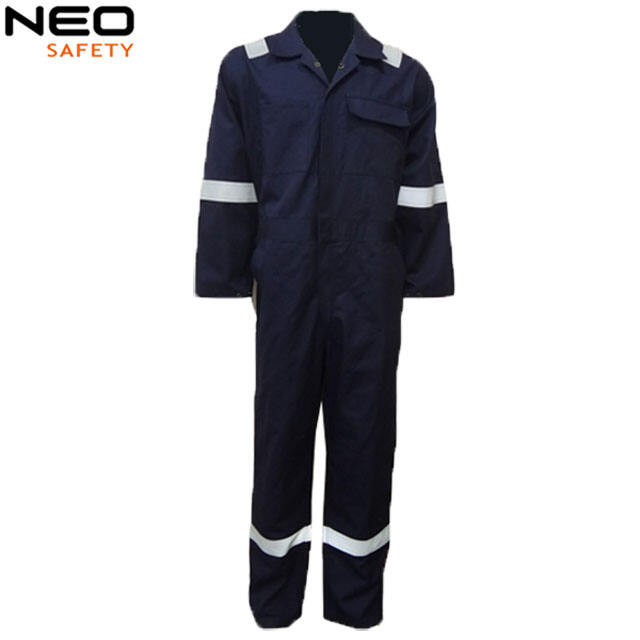
In today's industrial environments, worker safety remains the top priority across manufacturing, construction, oil and gas, and chemical processing sectors. Fire resistant clothes have become essential protective equipment, designed to safeguard workers from thermal hazards while maintaining comfort during extended wear periods. These specialized garments incorporate advanced materials and engineering principles to create a barrier against heat, flames, and electrical arc flash incidents. Understanding the key design features that make these garments effective can help safety managers and workers make informed decisions about protective clothing selection.
Material Science and Fabric Technology
Inherently Flame Resistant Fibers
The foundation of effective fire resistant clothes lies in the selection of inherently flame resistant fibers. These materials possess molecular structures that resist ignition and self-extinguish when exposed to heat sources. Aramid fibers, such as Nomex and Kevlar, represent the gold standard in this category, offering exceptional thermal protection while maintaining durability. These synthetic fibers do not melt or drip when exposed to extreme temperatures, preventing additional burn injuries that can occur with conventional materials.
Natural fiber options include specially treated cotton and wool blends that undergo chemical processes to enhance their flame resistance properties. Modacrylic fibers provide another synthetic alternative, combining flame resistance with moisture-wicking capabilities. The choice of fiber depends on specific workplace hazards, comfort requirements, and budget considerations. Modern fire resistant clothes often incorporate fiber blends to optimize both protection and wearability.
Fabric Construction Methods
The weaving and construction techniques used in fire resistant clothes significantly impact their protective capabilities. Tight weave patterns create fewer air pockets, reducing the fabric's tendency to support combustion. Multi-layer constructions can enhance thermal protection by creating insulating air spaces between fabric layers. Some garments feature specialized knit constructions that provide stretch and flexibility while maintaining flame resistance properties.
Advanced fabric treatments include plasma coating technologies that bond flame resistant materials at the molecular level. These treatments ensure that protective properties remain intact throughout the garment's lifecycle, even after repeated washing cycles. The fabric weight and thickness must balance protection levels with comfort and mobility requirements specific to different work environments.
Design Elements for Enhanced Protection
Coverage and Fit Considerations
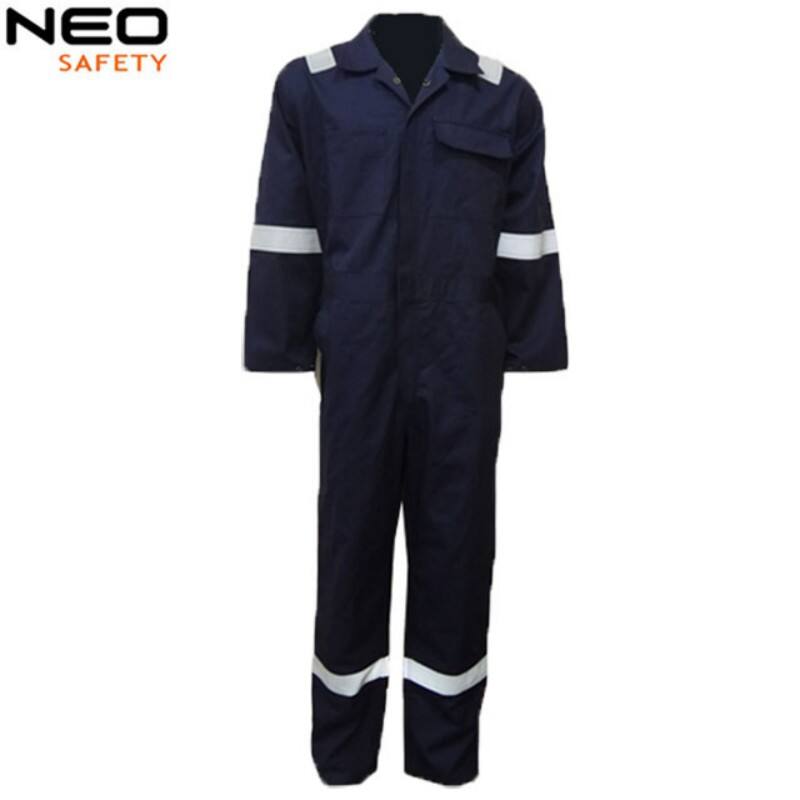
Proper coverage represents a critical design element in fire resistant clothes, as any exposed skin areas create vulnerability points during thermal incidents. Full-coverage designs include coveralls, long-sleeved shirts, and full-length pants that eliminate gaps where flames or heat could reach the wearer's skin. The garment fit must be neither too tight nor too loose, as both extremes can compromise protection effectiveness.
Loose-fitting garments can billow and catch fire more easily, while tight-fitting clothes may restrict movement and tear under stress. The ideal fit allows for comfortable movement while maintaining a protective barrier between the wearer and potential hazards. Design features such as adjustable cuffs, waistbands, and collar closures enable workers to customize the fit for optimal protection and comfort.
Closure Systems and Hardware
Traditional metal buttons, zippers, and snaps can conduct heat and cause additional injuries during thermal incidents. Fire resistant clothes incorporate specialized closure systems using flame-resistant materials such as aramid-wrapped zippers and non-metallic fasteners. These components must meet the same flame resistance standards as the primary fabric to ensure comprehensive protection.
Hidden or covered closure systems prevent direct heat exposure to fastening mechanisms. Some designs feature breakaway closures that allow for rapid garment removal in emergency situations. The placement of closures considers both protection and functionality, ensuring workers can don and doff garments efficiently while maintaining safety protocols.
Comfort Features and Ergonomic Design
Moisture Management Systems
Worker comfort directly impacts safety compliance, making moisture management a crucial design consideration in fire resistant clothes. Advanced fabric technologies incorporate moisture-wicking properties that transport perspiration away from the skin while maintaining flame resistance. Multi-layer constructions can separate moisture management from thermal protection, optimizing both functions simultaneously.
Ventilation features such as underarm gussets, back vents, and breathable fabric panels enhance air circulation without compromising protection levels. Some designs incorporate phase-change materials that regulate body temperature by absorbing and releasing heat as conditions change. These comfort features help prevent heat stress and maintain worker productivity during extended wear periods.
Mobility and Flexibility Enhancement
Modern fire resistant clothes incorporate ergonomic design principles that accommodate natural body movements and work-specific motions. Articulated knees, pre-curved sleeves, and action backs provide enhanced mobility without creating loose fabric that could pose safety risks. Strategic placement of stretch panels in high-movement areas maintains protection while improving comfort and range of motion.
Reinforcement areas in high-wear zones extend garment lifecycle without adding bulk or restricting movement. The balance between durability and flexibility requires careful consideration of fabric placement, seam construction, and reinforcement techniques. These design elements ensure that protective clothing enhances rather than hinders worker performance.
Safety Standards and Compliance Features
Certification and Testing Requirements
Fire resistant clothes must meet rigorous industry standards such as NFPA 2112, ASTM F1506, and OSHA regulations for flame-resistant workwear. These standards specify minimum performance requirements for flame resistance, thermal protection, and durability. Compliance testing includes vertical flame tests, heat resistance evaluations, and laundering assessments to ensure consistent protection throughout the garment's service life.
Arc flash protection ratings, measured in calories per square centimeter, provide quantitative measures of thermal protection levels. Different workplace hazards require specific protection ratings, making it essential to match garment specifications with hazard assessments. Proper labeling and documentation ensure that fire resistant clothes meet regulatory requirements and provide adequate protection for specific applications.
Maintenance and Durability Features
The design of fire resistant clothes must consider maintenance requirements and durability expectations in industrial environments. Soil-release treatments and stain-resistant finishes help maintain professional appearance while extending garment lifecycles. Reinforced seams and high-quality construction methods prevent premature wear that could compromise protection effectiveness.
Washing and care instructions specific to flame-resistant materials ensure that protective properties remain intact throughout multiple laundering cycles. Some fire resistant clothes feature permanent flame resistance that does not diminish with washing, while others require specific care procedures to maintain effectiveness. Clear care labeling and user education support proper maintenance practices that preserve safety performance.
Specialized Applications and Industry Variations
Electrical Utility and Arc Flash Protection
Electrical workers require fire resistant clothes with enhanced arc flash protection capabilities. These garments incorporate materials and designs specifically engineered to withstand the intense heat and energy release associated with electrical arc incidents. Multi-layer systems provide graduated protection levels, with outer shells designed to resist ignition and inner layers providing thermal insulation.
Arc-rated garments feature specialized fabric treatments and construction methods that prevent fabric shrinkage and maintain protective coverage during arc flash events. The design must also consider electrical conductivity, ensuring that materials and components do not create additional electrical hazards. Proper fit and coverage become even more critical in electrical applications where any exposed skin represents a significant safety risk.
Chemical and Petrochemical Industry Requirements
Workers in chemical and petrochemical facilities face unique challenges requiring fire resistant clothes with additional chemical resistance properties. These specialized garments must protect against both thermal hazards and chemical splashes or vapor exposure. Multi-threat protection involves sophisticated fabric technologies that address multiple hazard types without compromising any single protective function.
Design considerations include sealed seams, chemical-resistant treatments, and compatibility with respiratory protection equipment. The integration of high-visibility features becomes essential in industrial environments where worker visibility enhances overall safety. Fire resistant clothes for these applications often incorporate reflective tape systems and fluorescent colors while maintaining flame resistance properties.
FAQ
How long do fire resistant clothes maintain their protective properties
Fire resistant clothes with inherently flame-resistant fibers typically maintain their protective properties throughout their entire service life when properly cared for. Garments made from aramid fibers or other inherently resistant materials do not lose flame resistance through normal wear and laundering. However, treated fabrics may experience some reduction in protection over time, particularly if exposed to harsh chemicals or improper washing procedures. Most manufacturers provide specific guidance on expected service life and recommend regular inspection for signs of wear or damage that could compromise protection effectiveness.
Can fire resistant clothes be repaired if damaged
Repairs to fire resistant clothes should only be performed using flame-resistant materials and approved methods to maintain protective integrity. Minor repairs such as button replacement or small tears can often be addressed using compatible fire-resistant threads and patches. However, significant damage, burns, or chemical contamination typically requires complete garment replacement. Many organizations establish policies requiring immediate replacement of fire resistant clothes showing any signs of thermal damage or compromise to ensure consistent worker protection.
What factors determine the appropriate protection level for different work environments
The selection of appropriate fire resistant clothes depends on comprehensive hazard assessment considering potential heat sources, arc flash exposure levels, chemical hazards, and work duration requirements. Factors include the presence of flammable materials, electrical equipment ratings, process temperatures, and emergency response capabilities. OSHA regulations and industry standards provide guidance for matching protection levels to specific workplace hazards. Professional safety assessments should evaluate all potential thermal risks to determine appropriate garment specifications and protection ratings.
How should fire resistant clothes be properly maintained and stored
Proper maintenance of fire resistant clothes involves following manufacturer-specific care instructions, using appropriate detergents, and avoiding fabric softeners or bleach that can compromise flame resistance. Garments should be inspected regularly for signs of wear, contamination, or damage that could affect protection performance. Storage in clean, dry environments away from chemicals and heat sources helps preserve fabric integrity. Many organizations implement formal inspection and maintenance programs to ensure fire resistant clothes continue providing adequate protection throughout their service life.