 EN
EN
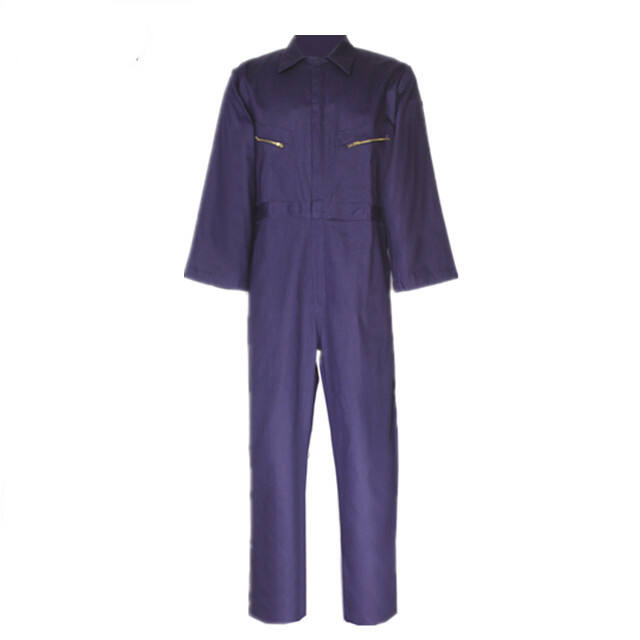
When it comes to demanding job sites, the gear you wear directly affects how well you perform. work shorts are no longer a simple wardrobe afterthought — they are a functional investment that influences comfort, mobility, durability, and even safety across long shifts. Whether you are working in construction, landscaping, warehousing, or any other physically intensive trade, the quality of your work shorts determines how your body holds up through the day.
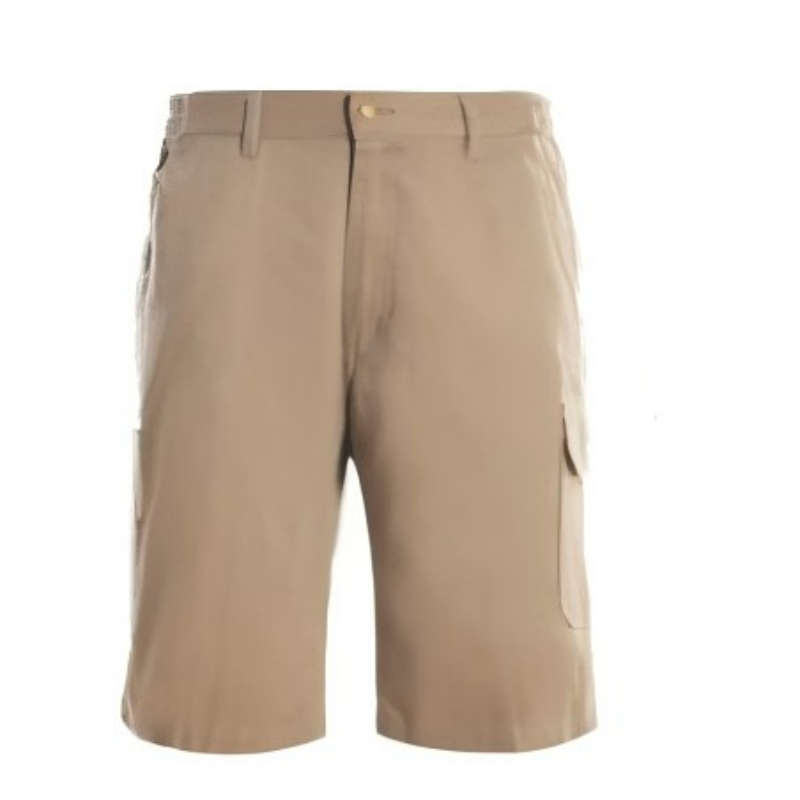
Understanding what separates high-performance work shorts from ordinary options requires looking closely at fabric composition, construction methods, and design features built for real-world use. This article breaks down the key performance factors and material choices that define quality work shorts, helping you make a smarter, more informed purchasing decision for yourself or your crew.
Why Fabric Choice Defines Work Shorts Performance
The Role of Fiber Composition in Durability
The fabric used in work shorts is the single most important factor in determining how long they last and how well they perform under stress. Natural fibers like cotton offer breathability and comfort, but pure cotton work shorts tend to wear out faster under abrasion and repeated washing. That is why most high-quality work shorts today use blended fabrics that combine cotton with synthetic fibers such as polyester or nylon.
Polyester adds tensile strength and resistance to stretching, which means the shorts hold their shape even after months of heavy use. Nylon, on the other hand, is particularly valued for its abrasion resistance — a critical property when workers are constantly brushing against rough surfaces, equipment, or vegetation. A well-engineered fabric blend in work shorts delivers the softness of cotton alongside the structural resilience of synthetics.
The weight of the fabric also matters. Heavier fabrics, typically measured in ounces per square yard, provide more durability but can reduce breathability. Lighter fabrics breathe better but may sacrifice some toughness. Premium work shorts strike a balance, using mid-weight blended fabrics that perform across both dimensions without compromising either.
Stretch and Flexibility in Modern Work Shorts Fabrics
One of the most significant advances in work shorts fabric technology is the integration of elastane or spandex into the weave. Even a small percentage — typically two to four percent — dramatically improves the range of motion available to the wearer. For tradespeople who need to crouch, climb, kneel, or stretch repeatedly throughout a shift, this flexibility is not a luxury but a practical necessity.
Stretch fabrics in work shorts also reduce fatigue. When clothing resists natural body movement, muscles work harder to compensate. Flexible work shorts allow the body to move freely, which reduces physical strain over the course of a long workday. This is especially relevant in landscaping and construction, where dynamic movement is constant.
Mechanical stretch fabrics — those that achieve flexibility through the weave structure rather than added elastane — are another option found in quality work shorts. These fabrics offer durability advantages because they do not rely on elastic fibers that can degrade over time with heat and washing. Both approaches have merit, and the best choice depends on the specific demands of the job.
Construction Quality: What Makes Work Shorts Built to Last
Stitching Standards and Seam Reinforcement
Even the best fabric will fail prematurely if the construction of the work shorts is poor. Seam quality is one of the most telling indicators of overall garment durability. Double-stitched seams, bar tacks at stress points, and reinforced crotch gussets are all signs that a pair of work shorts has been engineered for real-world punishment rather than casual wear.
Bar tacking — the dense, tight stitching applied at high-stress points like pocket corners and belt loops — prevents tearing at the locations most likely to fail under load. Work shorts that skip this detail will begin to unravel at these points after relatively light use. In contrast, properly bar-tacked work shorts can withstand years of demanding conditions without structural failure.
Triple-needle stitching along the inseam and outseam adds another layer of protection. This technique uses three parallel rows of stitching to distribute stress across a wider area, significantly reducing the chance of seam separation. When evaluating work shorts, turning them inside out to inspect the seam construction is one of the most reliable quality checks available.
Waistband Engineering and Fit Retention
The waistband of work shorts takes constant stress from bending, lifting, and tool belt weight. A poorly constructed waistband will roll, stretch out, or lose its shape quickly. Quality work shorts use reinforced waistbands with internal support structures — often a combination of stiff interfacing and elastic panels — that maintain their form and function over time.
Adjustable waistbands with internal elastic sections are particularly valuable in work shorts because they accommodate the natural fluctuation in body size that comes with physical labor and seasonal temperature changes. A waistband that fits well in winter may feel tight in summer heat when the body retains more fluid. Flexible waistband designs address this without sacrificing a clean, professional appearance.
Belt loop placement and strength also contribute to the overall performance of work shorts. Loops that are too narrow, too widely spaced, or poorly anchored will fail when workers use heavy tool belts. Reinforced, wide-set belt loops are a hallmark of work shorts designed with the actual demands of the job in mind.
Pocket Design and Utility Features in Quality Work Shorts
Pocket Placement and Capacity for Working Professionals
Pockets in work shorts are not decorative — they are functional tools. The number, placement, and construction of pockets directly affect how useful a pair of work shorts is on the job. Side cargo pockets, back utility pockets, and dedicated tool loops all serve specific purposes that casual shorts simply do not address.
Cargo pockets on the thigh are a defining feature of serious work shorts. They provide accessible storage for frequently used items like measuring tapes, phones, gloves, or small tools. The best cargo pockets in work shorts are reinforced at the base and secured with durable closures — either hook-and-loop fasteners or snap buttons — that keep contents secure during active movement.
Depth and width of pockets matter as much as their number. Shallow pockets in work shorts are a common frustration among tradespeople because items fall out during crouching or climbing. Quality work shorts feature deep, wide pockets that retain their contents reliably, even in dynamic working positions.
Functional Details That Separate Utility Shorts from Casual Wear
Beyond pockets, quality work shorts incorporate a range of functional details that distinguish them from ordinary shorts. Hammer loops, ruler pockets, and D-ring attachment points are examples of purpose-built features that reflect genuine understanding of how tradespeople work. These additions may seem minor, but they meaningfully improve efficiency and convenience on the job.
Knee articulation — a pre-shaped cut in the fabric at the knee — is another feature found in premium work shorts. This design element reduces fabric bunching and resistance when kneeling, which is a common position in flooring, landscaping, and construction work. Without knee articulation, work shorts can feel restrictive and uncomfortable during extended kneeling tasks.
Reflective detailing, while not universal, is increasingly common in work shorts designed for road work, low-light environments, or high-visibility job sites. Even subtle reflective trim adds a meaningful safety dimension without compromising the overall design or comfort of the shorts.
Breathability and Climate Performance in Work Shorts
Managing Heat and Moisture During Physical Labor
Physical labor generates significant body heat, and work shorts play a direct role in how effectively that heat is managed. Breathable fabrics allow air to circulate close to the skin, which accelerates evaporative cooling and keeps the wearer more comfortable during hot conditions. This is not just a comfort issue — heat stress is a genuine occupational health risk, and clothing that traps heat contributes to it.
Moisture-wicking technology in work shorts draws sweat away from the skin and moves it toward the outer surface of the fabric where it can evaporate. This keeps the wearer drier and reduces the discomfort and chafing that come with prolonged moisture contact. Many modern work shorts incorporate moisture management finishes or use inherently wicking synthetic fibers to achieve this effect.
Ventilation panels — mesh inserts or perforated zones placed at high-heat areas like the inner thigh — are another approach used in advanced work shorts designs. These panels allow direct airflow to the body's most heat-intensive zones without compromising the structural integrity of the garment. For workers in hot climates or during summer months, this feature can make a significant difference in daily comfort.
Durability of Performance Features Over Time
One challenge with performance-enhanced work shorts is maintaining those properties through repeated industrial washing. Moisture-wicking finishes, for example, can degrade if the shorts are washed with fabric softeners or at excessively high temperatures. Quality work shorts are designed with wash-durable performance treatments that retain their effectiveness through dozens of wash cycles under normal care conditions.
Colorfastness is another durability consideration specific to work shorts used in outdoor environments. Prolonged UV exposure fades fabric quickly in lower-quality garments. Premium work shorts use colorfast dyes and UV-resistant fabric treatments that preserve appearance and fabric integrity even after extended outdoor use.
The long-term value of investing in quality work shorts becomes clear when you calculate cost per wear. A pair of well-constructed work shorts that lasts three years of daily use represents far better value than a cheaper pair replaced every few months. Durability of both the fabric and its performance features is central to that calculation.
FAQ
What fabric is best for work shorts used in hot outdoor conditions?
For hot outdoor work, a lightweight cotton-polyester blend with moisture-wicking properties is generally the best choice for work shorts. This combination provides breathability from the cotton component while the polyester adds durability and helps move sweat away from the skin. Some workers prefer shorts with a small percentage of elastane added for improved mobility in warm conditions.
How do I know if work shorts are genuinely durable or just marketed as such?
The most reliable indicators of genuine durability in work shorts are construction details rather than marketing language. Look for double-stitched seams, bar tacking at stress points, reinforced pocket bases, and a mid-weight blended fabric. Turning the shorts inside out to inspect the stitching quality is one of the most practical ways to assess construction before purchasing.
Are stretch fabrics in work shorts durable enough for heavy-duty use?
Yes, modern stretch fabrics used in quality work shorts are engineered for durability alongside flexibility. Fabrics that use mechanical stretch through weave construction tend to be more wash-durable than those relying solely on elastane. Even elastane-blended work shorts, when properly cared for, maintain their stretch properties through extensive use. The key is choosing work shorts from manufacturers who use quality stretch fabric rather than low-grade elastic blends.
How many pockets should quality work shorts have for trade use?
There is no fixed number, but quality work shorts designed for trade use typically feature at least five to seven pockets, including two front hand pockets, two back pockets, and one or two cargo pockets on the thigh. The more important factor is pocket construction — depth, reinforcement, and secure closures matter more than raw pocket count. Work shorts with well-built, deep pockets outperform those with many shallow or poorly secured ones.