 EN
EN
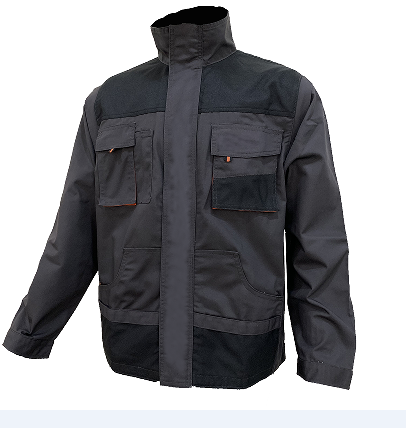
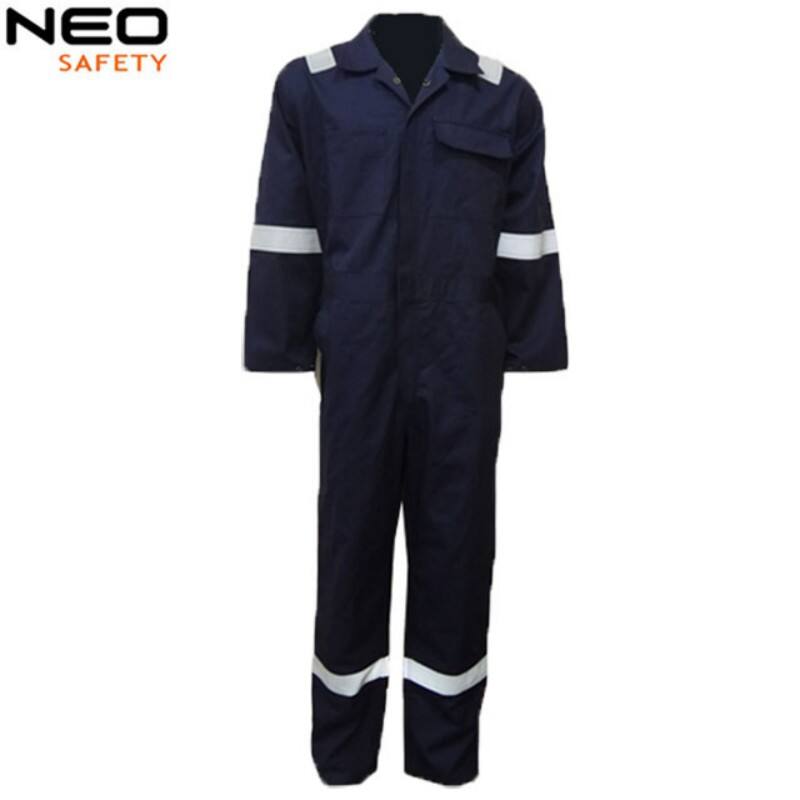
Fire resistant clothes have become essential protective equipment across numerous industrial sectors, from oil and gas operations to electrical utilities and manufacturing facilities. These specialized garments provide critical protection against thermal hazards while maintaining comfort and functionality for workers who face daily exposure to potential fire risks. Understanding the complexities of fire resistant clothes involves examining their construction, materials, performance standards, and practical applications in various work environments.
Essential Materials and Fabric Technologies
Natural Fiber Innovations
Cotton remains a cornerstone material in fire resistant clothes manufacturing, particularly when treated with advanced flame-retardant chemicals. Treated cotton offers excellent breathability and comfort while providing reliable protection against flash fires and arc flash incidents. The treatment process involves applying chemical compounds that create a protective barrier when exposed to heat, preventing the fabric from igniting and continuing to burn after the heat source is removed.
Wool represents another natural option for fire resistant clothes, offering inherent flame-resistant properties without chemical treatment. Wool fibers naturally char rather than melt when exposed to extreme heat, creating a protective barrier that helps prevent burn injuries. This characteristic makes wool particularly valuable for applications requiring extended exposure protection, though it may be less suitable for hot climates due to its thermal properties.
Synthetic Fiber Advancements
Modern fire resistant clothes frequently incorporate synthetic fibers engineered specifically for thermal protection. Aramid fibers, including meta-aramid and para-aramid variants, provide exceptional heat resistance and durability. These synthetic materials maintain their protective properties throughout multiple wash cycles and extended wear periods, making them cost-effective solutions for long-term use.
Modacrylic fibers offer another synthetic option for fire resistant clothes, combining flame resistance with moisture management properties. These fibers can be blended with other materials to create fabrics that balance protection, comfort, and performance characteristics. The versatility of modacrylic allows manufacturers to customize fabric properties for specific industrial applications and environmental conditions.
Performance Standards and Testing Protocols
International Safety Regulations
Fire resistant clothes must meet stringent international standards to ensure adequate protection for workers. The NFPA 2112 standard establishes performance requirements for flame-resistant garments used in industries with flash fire exposure risks. This standard defines testing procedures, minimum performance levels, and garment design requirements that manufacturers must follow when producing fire resistant clothes.
European standards, including EN ISO 11612, provide additional framework for evaluating fire resistant clothes performance. These standards address various aspects of thermal protection, including resistance to flame spread, radiant heat transfer, and molten metal splash. Understanding these standards helps employers select appropriate fire resistant clothes for their specific workplace hazards and regulatory requirements.
Arc Rating and Thermal Protection
Arc rating represents a critical measurement for fire resistant clothes used in electrical environments. This rating indicates the incident energy level that a fabric can withstand before causing second-degree burns to the wearer. Higher arc ratings provide greater protection but may require heavier fabrics that could impact comfort and mobility in certain work situations.
Thermal protective performance (TPP) testing evaluates how effectively fire resistant clothes protect against combined heat and flame exposure. This testing simulates real-world conditions where workers might encounter both radiant heat and direct flame contact. TPP ratings help safety professionals select fire resistant clothes that provide appropriate protection levels for specific workplace hazards and exposure scenarios.
Industry Applications and Workplace Integration
Oil and Gas Sector Requirements
The oil and gas industry presents unique challenges for fire resistant clothes due to the presence of flammable hydrocarbons and potential for flash fires. Workers in refineries, drilling operations, and petrochemical facilities require garments that provide protection against both flame exposure and chemical splash. Fire resistant clothes in these environments must also accommodate the need for mobility and comfort during extended work shifts in various weather conditions.
Offshore operations add additional complexity to fire resistant clothes selection, as garments must withstand marine environments while maintaining their protective properties. Salt air, high humidity, and frequent washing cycles can affect fabric performance, making material selection and garment construction critical factors in ensuring long-term protection and cost-effectiveness.
Electrical Utility Applications
Electrical workers require fire resistant clothes specifically designed to protect against arc flash incidents, which can generate temperatures exceeding 35,000 degrees Fahrenheit. These garments must provide adequate coverage, proper fit, and sufficient arc rating for the specific voltage levels and equipment types encountered in electrical work environments.
Utility companies must consider various factors when implementing fire resistant clothes programs, including garment layering systems, seasonal variations, and maintenance requirements. The integration of fire resistant clothes with other personal protective equipment, such as hard hats, safety glasses, and insulated gloves, requires careful coordination to ensure comprehensive protection without compromising worker mobility or task performance.
Comfort and Design Considerations
Moisture Management Technologies
Modern fire resistant clothes incorporate advanced moisture management systems to enhance wearer comfort during extended use. These technologies help regulate body temperature and reduce heat stress, which can be particularly important in hot environments or during physically demanding work activities. Moisture-wicking properties help maintain the protective integrity of fire resistant clothes by preventing moisture accumulation that could affect fabric performance.
Breathable fabric constructions allow air circulation while maintaining flame-resistant properties, creating more comfortable working conditions for employees who must wear fire resistant clothes throughout their shifts. Advanced weaving techniques and fiber treatments enable manufacturers to balance protection requirements with comfort needs, resulting in garments that workers are more likely to wear consistently and properly.
Ergonomic Design Features
Contemporary fire resistant clothes incorporate ergonomic design elements that enhance mobility and reduce fatigue during work activities. Strategic placement of seams, gussets, and reinforcement areas helps ensure that protective garments do not restrict movement or interfere with job performance. These design considerations are particularly important for workers who must perform detailed tasks or work in confined spaces.
Adjustable features, such as sleeve lengths, waist sizing, and collar configurations, allow fire resistant clothes to accommodate different body types and personal preferences while maintaining proper coverage and protection. Customization options help employers provide appropriately fitted garments that encourage compliance with safety requirements and reduce the likelihood of workplace injuries.
Maintenance and Care Protocols
Washing and Cleaning Procedures
Proper maintenance of fire resistant clothes is essential for preserving their protective properties throughout their service life. Specific washing procedures, including water temperature, detergent selection, and drying methods, must be followed to prevent degradation of flame-resistant treatments or fabric integrity. Industrial laundering services specializing in fire resistant clothes can ensure proper care while providing convenient garment management for employers.
Home washing of fire resistant clothes requires careful attention to manufacturer instructions and the use of appropriate cleaning products. Certain bleaches, fabric softeners, and starch products can compromise the protective properties of fire resistant clothes, making it essential for workers to understand proper care procedures and potential hazards associated with improper cleaning methods.
Inspection and Replacement Criteria
Regular inspection of fire resistant clothes helps identify wear patterns, damage, or contamination that could affect protective performance. Visual inspection protocols should address fabric integrity, seam condition, closure functionality, and overall garment appearance. Workers should be trained to recognize signs of degradation that indicate the need for garment replacement or professional cleaning.
Replacement schedules for fire resistant clothes depend on various factors, including frequency of use, exposure conditions, and maintenance quality. Establishing clear criteria for garment retirement helps ensure that workers always have access to properly functioning protective equipment while managing program costs effectively.
Cost-Benefit Analysis and Program Implementation
Initial Investment Considerations
Implementing a comprehensive fire resistant clothes program requires significant initial investment in garments, training, and support infrastructure. However, the cost of quality fire resistant clothes must be evaluated against potential injury costs, regulatory compliance requirements, and productivity impacts. Long-term durability and performance characteristics of fire resistant clothes can provide substantial cost advantages over cheaper alternatives that require frequent replacement.
Volume purchasing arrangements and rental programs can help organizations manage the financial impact of fire resistant clothes implementation while ensuring adequate protection for all workers. These approaches may also provide access to professional laundering services and garment management systems that simplify program administration and maintenance requirements.
Training and Compliance Programs
Successful fire resistant clothes programs require comprehensive training initiatives that educate workers about proper garment selection, use, and maintenance. Training should address the limitations of fire resistant clothes, proper layering techniques, and the importance of wearing complete protective ensembles. Regular refresher training helps reinforce safety messages and update workers on new technologies or procedures.
Compliance monitoring systems help ensure that fire resistant clothes are worn consistently and properly throughout work operations. These systems may include periodic audits, supervisor observations, and worker feedback mechanisms that identify potential issues or improvement opportunities in protective clothing programs.
FAQ
How long do fire resistant clothes typically last with regular use
The lifespan of fire resistant clothes varies depending on fabric type, treatment method, and usage conditions, but quality garments typically provide reliable protection for 12 to 18 months with proper care. Treated cotton fire resistant clothes may require replacement more frequently than inherently flame-resistant synthetic materials, which can maintain their protective properties for several years. Regular inspection and adherence to manufacturer care instructions significantly impact garment longevity and performance.
Can fire resistant clothes be worn over regular clothing
Fire resistant clothes should generally be worn as the outer layer over flame-resistant undergarments or minimal clothing to ensure optimal protection. Wearing synthetic undergarments or non-flame-resistant materials beneath fire resistant clothes can create additional burn hazards, as these materials may melt and adhere to skin during thermal exposure. Layering systems should consist entirely of flame-resistant materials to maintain comprehensive protection.
What happens if fire resistant clothes get contaminated with flammable substances
Contamination with flammable liquids, oils, or chemicals can significantly compromise the protective properties of fire resistant clothes and create additional fire hazards. Contaminated garments should be removed immediately and properly cleaned or replaced before returning to service. Workers should have access to clean fire resistant clothes and established procedures for handling contamination incidents to maintain safety standards.
Are there specific requirements for fire resistant clothes in different industries
Different industries have varying requirements for fire resistant clothes based on specific hazards, exposure levels, and regulatory standards. Electrical utilities may require higher arc ratings, while chemical processing facilities might need additional chemical resistance properties. Oil and gas operations often specify particular fabric weights and coverage requirements, making it essential to consult industry-specific guidelines and conduct thorough hazard assessments when selecting fire resistant clothes.