 EN
EN
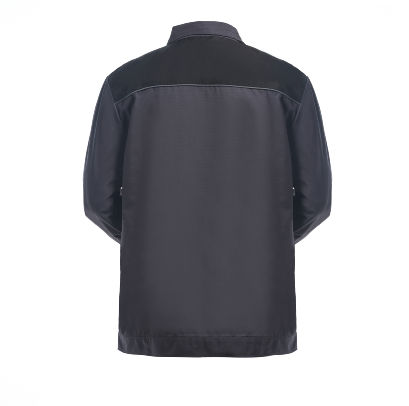
When temperatures drop and harsh weather conditions become the norm, selecting the right winter jacket becomes crucial for maintaining comfort and protection outdoors. A well-designed winter jacket serves as your primary defense against cold winds, moisture, and freezing temperatures. Understanding the essential elements that contribute to effective thermal protection can help you make informed decisions when investing in quality outerwear. The combination of proper fabric selection, insulation technology, and optimal fit creates a comprehensive barrier against winter elements while ensuring freedom of movement during outdoor activities.
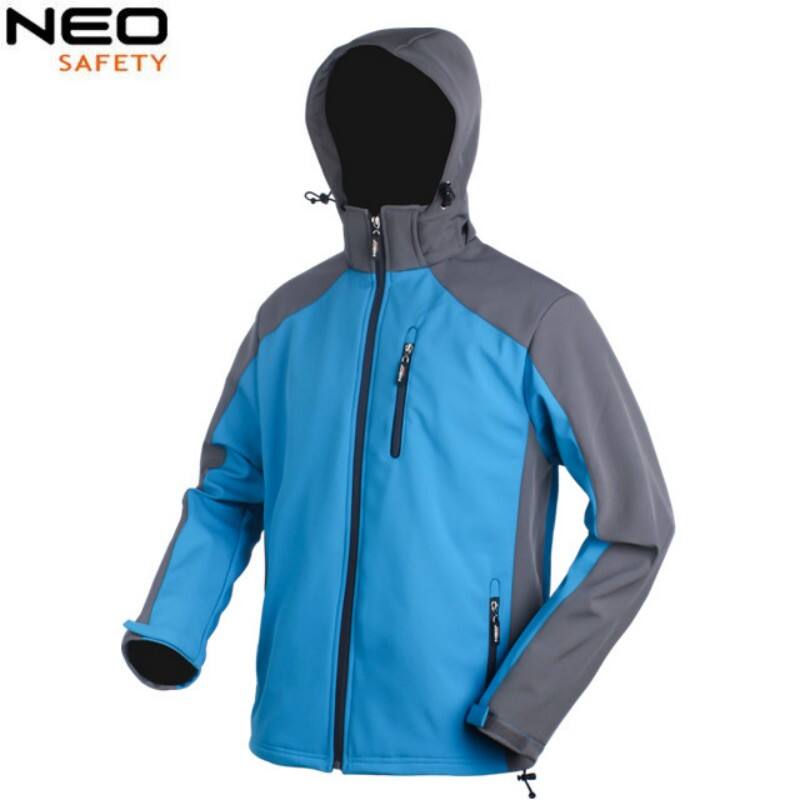
Essential Fabric Technologies for Maximum Thermal Protection
Understanding Modern Synthetic Materials
Contemporary winter jacket construction relies heavily on advanced synthetic materials that offer superior performance compared to traditional fabrics. These engineered textiles provide exceptional warmth-to-weight ratios while maintaining breathability and moisture management capabilities. Synthetic insulation materials such as PrimaLoft and Thinsulate have revolutionized winter jacket design by offering consistent thermal performance even when exposed to moisture. The molecular structure of these materials creates countless tiny air pockets that trap body heat effectively while allowing excess moisture to escape through the fabric layers.
Modern synthetic fabrics also incorporate specialized fiber treatments that enhance water resistance and durability. These treatments create microscopic barriers on individual fibers, preventing water penetration while maintaining fabric flexibility and comfort. The development of recycled synthetic materials has additionally provided environmentally conscious consumers with high-performance options that deliver excellent thermal protection without compromising sustainability goals.
Natural Insulation Options and Performance Characteristics
Down insulation remains one of the most effective natural materials for winter jacket construction, offering exceptional warmth and compressibility. High-quality down creates superior loft that traps warm air efficiently while maintaining lightweight characteristics that prevent bulk and restriction of movement. The fill power rating of down insulation directly correlates to its thermal efficiency, with higher ratings indicating greater insulating capability per unit of weight.
Merino wool represents another natural material that provides excellent thermal regulation properties for winter jacket linings and base layers. This natural fiber offers inherent moisture-wicking capabilities and odor resistance while maintaining warmth even when damp. The combination of down insulation with merino wool components creates a comprehensive thermal management system that adapts to varying activity levels and environmental conditions.
Strategic Layering Systems for Optimal Warmth
Base Layer Integration and Thermal Management
Effective winter jacket performance depends significantly on proper layering systems that work synergistically to maintain optimal body temperature. The base layer serves as the foundation of thermal protection, managing moisture transfer from the skin while providing initial insulation. Modern winter jacket designs incorporate features that complement base layer functionality, including ventilation systems and moisture-wicking linings that prevent overheating during high-activity periods.
Strategic placement of ventilation zones in winter jacket construction allows for precise thermal regulation without compromising overall protection. These features enable users to adjust their microclimate based on activity intensity and environmental conditions. The integration of adjustable ventilation systems with quality base layers creates a dynamic thermal management approach that maintains comfort across diverse winter scenarios.
Mid-Layer Compatibility and System Integration
The relationship between winter jacket design and mid-layer compatibility significantly impacts overall thermal performance and versatility. Quality winter jacket construction includes generous fit allowances that accommodate insulating mid-layers without restricting movement or compromising the jacket's protective seal. This design consideration enables users to adapt their thermal protection based on specific weather conditions and activity requirements.
Modular layering systems that incorporate compatible mid-layers with winter jacket shells provide maximum adaptability for varying conditions. The ability to add or remove insulating layers while maintaining the protective capabilities of the outer shell ensures optimal comfort and performance across diverse winter environments. This systematic approach to thermal management maximizes the utility and effectiveness of winter jacket investments.
Critical Fit Considerations for Enhanced Performance
Sleeve Length and Mobility Optimization
Proper sleeve length in winter jacket design directly impacts both thermal protection and functional mobility during outdoor activities. Sleeves that extend adequately beyond the wrist create effective seals that prevent cold air infiltration while maintaining dexterity for equipment handling and detailed tasks. The incorporation of adjustable cuff systems allows users to customize fit based on glove thickness and activity requirements.
Articulated sleeve construction in quality winter jacket designs accommodates natural arm movement patterns while maintaining protective coverage. This engineering approach prevents fabric bunching and restriction that can compromise both comfort and thermal efficiency. The balance between protective coverage and mobility requires careful attention to sleeve design and adjustment mechanisms.
Torso Fit and Thermal Seal Effectiveness
The torso fit of a winter jacket significantly influences its ability to create and maintain an effective thermal barrier around the core body area. Proper torso fit eliminates gaps that allow cold air infiltration while providing sufficient room for natural movement and breathing. The incorporation of adjustable waist systems enables users to customize fit based on layering requirements and activity intensity.
Strategic placement of adjustment mechanisms in the torso area allows for precise fit customization without creating pressure points or restriction. Quality winter jacket designs include multiple adjustment points that work together to create an optimal seal while maintaining comfort during extended wear periods. The balance between thermal protection and mobility requires careful consideration of fabric stretch properties and adjustment system placement.
Advanced Features for Enhanced Winter Protection
Water Resistance and Breathability Balance
Modern winter jacket construction incorporates sophisticated membrane technologies that provide comprehensive water resistance while maintaining breathability for moisture management. These advanced materials create barriers that prevent external moisture penetration while allowing internal moisture vapor to escape effectively. The development of durable water repellent treatments enhances surface protection while maintaining fabric flexibility and comfort characteristics.
The integration of waterproof zippers and sealed seams in winter jacket construction creates comprehensive protection against moisture infiltration from all potential entry points. These design elements work together with membrane technologies to provide reliable protection in challenging weather conditions while maintaining the jacket's breathability and comfort properties. Quality winter jacket designs prioritize both immediate protection and long-term durability of water resistance features.
Wind Protection and Air Permeability Management
Effective wind protection represents a critical component of winter jacket performance, as wind exposure dramatically increases heat loss and reduces perceived temperature. Advanced fabric construction techniques create barriers that block wind penetration while maintaining necessary breathability for comfort during physical activity. The balance between wind resistance and air permeability requires sophisticated material engineering and construction methods.
Strategic placement of wind-resistant panels in high-exposure areas provides targeted protection while maintaining overall jacket breathability and flexibility. This approach optimizes protection where needed most while preventing overheating and moisture buildup in less critical areas. Quality winter jacket designs incorporate wind protection features that adapt to varying environmental conditions and activity levels.
Maintenance and Longevity Strategies
Proper Care Techniques for Performance Preservation
Maintaining the performance characteristics of a winter jacket requires understanding proper care techniques that preserve insulation properties and protective features. Regular cleaning using appropriate detergents helps maintain the loft of insulation materials while preserving water-resistant treatments and fabric integrity. The frequency and method of cleaning should correspond to usage patterns and environmental exposure levels to optimize longevity.
Proper storage techniques during off-seasons significantly impact the long-term performance of winter jacket insulation and fabric components. Storing jackets in breathable garment bags in cool, dry environments prevents compression damage to insulation materials while protecting against moisture and pest damage. Understanding manufacturer recommendations for care and storage ensures optimal performance preservation throughout the jacket's lifespan.
Performance Restoration and Enhancement Methods
Over time, winter jacket performance characteristics may diminish due to regular use and environmental exposure. Understanding restoration techniques for water resistance treatments and insulation loft can significantly extend jacket lifespan and maintain optimal performance. Professional restoration services can rejuvenate protective treatments and address minor damage before it compromises overall jacket functionality.
Regular inspection and maintenance of critical components such as zippers, seams, and adjustment mechanisms prevents minor issues from developing into significant problems. Proactive maintenance approaches ensure consistent winter jacket performance while maximizing the return on investment in quality outerwear. Understanding when professional service is required versus user-maintainable issues helps optimize maintenance efficiency and cost-effectiveness.
FAQ
How do I determine the correct size for my winter jacket
Selecting the proper winter jacket size requires considering both your base measurements and intended layering system. Measure your chest, waist, and arm length while wearing typical base and mid-layers you plan to use with the jacket. Quality winter jacket sizing should allow for comfortable movement while maintaining thermal efficiency. Try on jackets with your intended layering system to ensure proper fit and adequate room for movement without excessive bulk or restriction.
What is the ideal insulation type for different winter activities
The optimal insulation type depends on your primary activities and environmental conditions. Down insulation provides superior warmth-to-weight ratios for low-activity situations and dry conditions. Synthetic insulation performs better in wet conditions and high-activity scenarios where moisture management is critical. Consider your typical winter activities, local climate patterns, and maintenance preferences when selecting insulation types for optimal performance and satisfaction.
How often should I clean my winter jacket to maintain performance
Winter jacket cleaning frequency depends on usage intensity and environmental exposure. Light use may require cleaning only once or twice per season, while heavy use in harsh conditions may necessitate more frequent cleaning. Follow manufacturer guidelines for cleaning methods and products to preserve insulation loft and protective treatments. Over-cleaning can damage performance features, while under-cleaning can compromise breathability and hygiene.
Can I repair damaged areas of my winter jacket myself
Minor winter jacket repairs such as small tears or loose seams can often be addressed using appropriate patch materials and sewing techniques. However, repairs involving insulation replacement, membrane damage, or critical seam sealing typically require professional service to maintain performance standards. Assess the location and extent of damage before attempting repairs, and consider the potential impact on warranty coverage and overall jacket performance when making repair decisions.